
Sauces & Condiments
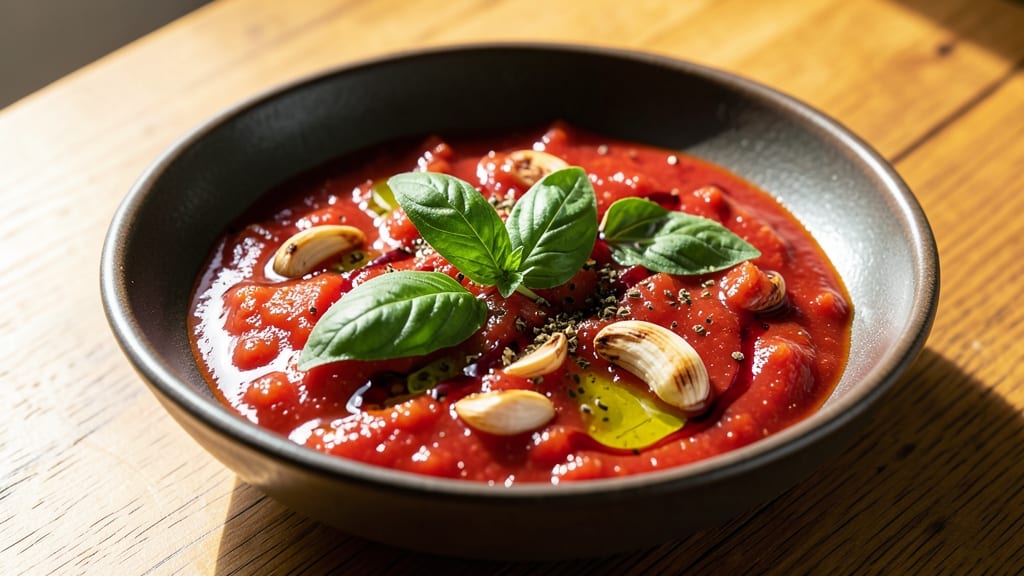
This alla mama sauce recipe brings the soul of Italian nonna cooking to your kitchen with its velvety tomato-herb richness. 🌿 Simmered low and slow, it transforms simple ingredients into a deeply flavorful sauce that clings to pasta like a second skin.
The secret lies in balancing sweet tomatoes, aromatic garlic, and fresh basil—no shortcuts, just pure, concentrated flavor that builds with every minute on the stove.
What makes this sauce truly special is its versatility and depth. Unlike quick tomato sauces, alla mama develops layers of complexity through gentle simmering, caramelizing natural sugars while preserving the bright acidity of tomatoes.
The result is a sauce that’s rich enough for meat dishes but light enough to elevate delicate pasta—think fettuccine, orecchiette, or even grilled fish. It’s the kind of sauce that transforms ordinary meals into something memorable.
The process is straightforward but requires patience: crushed tomatoes simmer with garlic, olive oil, and herbs until thickened to a luxurious consistency. No blenders or food processors—just a pot, a wooden spoon, and time.
The aroma alone will have your kitchen smelling like a Tuscan trattoria, while the taste delivers that perfect balance of sweet, savory, and herbal notes that define Italian comfort food.
Use it immediately over your favorite pasta, drizzle it over grilled meats, or store it in the fridge for up to a week—this sauce only gets better with time.
The key is letting the flavors meld, so don’t rush it. Trust the process, and you’ll have a sauce that tastes like home, no matter where you are.
Ingredients for alla mama sauce
Simmered low and slow, these simple ingredients transform into velvety alla mama sauce perfection.
| Ingredient | Amount | Notes |
|---|---|---|
| Extra-Virgin Olive Oil 🫒 | ½ cup | High quality, fruity, cold-pressed |
| Garlic Cloves 🧄 | 6 cloves | Freshly peeled, minced fine |
| Fresh Basil Leaves 🌿 | 1 ½ cups | Packed, stems removed, torn |
| San Marzano Crushed Tomatoes 🍅 | 28 oz | Canned, no salt added |
| Dried Oregano 🍃 | 1 tsp | Italian or Mediterranean blend |
| Red Wine Vinegar 🍷 | 1 tbsp | For brightness, not balsamic |
| Sea Salt 🧂 | 1 ½ tsp | Diamond Crystal preferred |
| Freshly Ground Black Pepper 🌶️ | ½ tsp | Cracked peppercorns preferred |
| Granulated Sugar 🍬 | 1 tsp | Balances acidity, optional |
| Vegetable Oil 🫒 | 1 tbsp | For initial sautéing garlic |
The tomatoes are non-negotiable—San Marzano makes all the difference with their sweet, meaty texture. Grab a can from Trader Joe's or Whole Foods for the best quality. Fresh basil? Farmers markets have the brightest leaves, but the grocery store kind works too—just make sure they're vibrant green, not wilted. The garlic should be fresh, not that dried powder stuff. Costco sells great big heads for a steal, or just grab a few cloves from the produce section. The olive oil? Extra-virgin is key—look for Italian brands at Penzeys or your local gourmet shop if you want to splurge.
No San Marzano tomatoes? Crushed tomatoes from a trusted brand like Muir Glen work fine. Dried basil at half the amount works in a pinch, but fresh is worth the extra minute to wash and tear. Running low on red wine vinegar? White wine vinegar or lemon juice will do, though the flavor will shift slightly. The sugar is optional but helps balance the acidity—honey or maple syrup can substitute if you prefer. Want to skip the vegetable oil? More olive oil works, but it'll have a more pronounced flavor. The oregano? Mexican oregano has a different profile—worth hunting down if you're feeling adventurous.
This sauce tastes even better the next day as the flavors meld. Store in an airtight container in the fridge for up to 1 week, or freeze for 3 months in ice cube trays for single-serving portions. To reheat, warm gently on the stove with a splash of water or pasta water—never microwave, or it'll turn grainy. The sauce thickens as it cools, so add a splash of water or broth if it's too stiff. Leftovers make fantastic pasta sauce the next night—just reheat and toss.
Why You'll Love This Recipe
- Five-Ingredient Magic: I swear, this sauce is the closest thing to a shortcut that still feels homemade. Just toss in those crushed San Marzano tomatoes, a glug of good olive oil, and a handful of basil—no fancy techniques, just simmering until it smells like summer in Italy.
- Garlic-Basil Bomb: That first hit of sizzling garlic in olive oil? Pure flavor payoff. The dried oregano mellows into something earthy while the fresh basil brightens it up—like a hug for your taste buds after a long day.
- Weeknight & Potluck Hero: Between us, this sauce is my secret weapon for pasta, grilled chicken, or even as a dipping sauce for crusty bread. Make a double batch—it’s just as good the next day, and your guests will think you slaved over it.
- Budget-Friendly Luxury: San Marzano tomatoes might sound fancy, but they stretch like crazy, and the rest of the ingredients? Pantry staples. I’ve fed four people for under $8 with this—tastes like I spent twice that, though.
Step-by-step instructions for slow-Simmered alla mama sauce
Here's how to build this velvety, herb-forward sauce that's richer than store-bought.
🍳 Step 1: Sauté Garlic in Vegetable Oil
Heat the 1 tablespoon vegetable oil in a heavy-bottomed saucepan over medium heat. Add the 6 cloves minced garlic cloves and cook for 1-2 minutes until they're golden and fragrant—not browned. Watch closely here; garlic burns quickly and turns bitter.
I like to stir constantly during this step to prevent burning. The garlic should smell incredible and look like tiny golden confetti. This is the flavor foundation, so don't rush it. Once it reaches that perfect golden stage, you're ready for the next step.
🥘 Step 2: Add Olive Oil and Tomatoes
Immediately pour in the 0.5 cup extra-virgin olive oil and stir to combine with the garlic. This helps emulsify the sauce later. Then add the 28 oz San Marzano crushed tomatoes, 1.5 tsp sea salt, 0.5 tsp freshly ground black pepper, and 1 tsp dried oregano.
Bring everything to a gentle simmer over medium-low heat. Here's the thing—you want small bubbles breaking the surface but no vigorous boiling. The sauce needs time to develop its depth. Let it cook uncovered for 15 minutes while you prep the basil.
👨🍳 Step 3: Incorporate Fresh Basil and Balance Flavors
Tear the 1.5 cups fresh basil leaves by hand (don't chop) and add them to the sauce. Stir in the 1 tbsp red wine vinegar and 1 tsp granulated sugar. The vinegar brightens the sauce while the sugar balances the tomatoes' acidity. This is where the sauce transforms from good to extraordinary.
Simmer uncovered for another 10-15 minutes until the sauce thickens slightly and the basil becomes tender. You'll see the sauce develop a beautiful, glossy sheen. Taste and adjust seasoning—you might need a pinch more salt or pepper depending on your tomatoes.
⏰ Step 4: Simmer to Perfection
Reduce heat to low and let the sauce simmer gently for 30-45 minutes. This slow cooking allows the flavors to meld completely and the sauce to develop that signature velvety texture. Stir occasionally to prevent sticking, but don't over-stir—you want some natural thickening.
Here's what you're aiming for: a sauce that coats the back of a spoon with a luxurious mouthfeel. It should smell like a sun-drenched Italian garden. When you're ready to serve, remove from heat. The sauce will continue thickening as it cools, so don't over-reduce it.
🍽️ Step 5: Finish and Serve
Let the sauce sit off heat for 5-10 minutes before serving. This resting period allows the flavors to fully settle. If the sauce is too thick, whisk in 1-2 tablespoons water to reach your desired consistency. The sauce should be rich but still flow smoothly.
Serve warm over pasta, drizzled over grilled meats, or as a dip for crusty bread. Each spoonful should deliver layers of sweet tomatoes, aromatic garlic, bright basil, and that signature olive oil richness. This sauce keeps well in the refrigerator for 5 days or can be frozen for up to 3 months.
Pro Tips For Making Alla Mama Sauce
- CRUSH GARLIC LIKE IT’S 1985: I learned this the hard way—mincing garlic too finely makes it disappear into the sauce. Use a mortar and pestle or the flat of your knife to smash the cloves into a paste before cooking. This releases more flavor and keeps those aromatic oils from burning before the tomatoes even hit the pan.
- SIMMER LOW AND SLOW: Alla mama sauce isn’t a race. After adding tomatoes, drop the heat to a bare simmer (think tiny bubbles, not rolling). I used to rush it, and the sauce would taste flat—like someone microwaved it instead of letting it develop depth. Give it 20-25 minutes, and don’t peek too often.
- SALT THE TOMATOES FIRST: Skip the urge to salt the sauce immediately—add a pinch of salt directly to the crushed San Marzano tomatoes before they hit the pan. This breaks down their texture slightly and pulls out more juice, giving you a richer base. (Yes, even if you’re impatient like me.)
- STIR IN BASIL AT THE END: Fresh basil wilts and turns bitter if cooked too long. Tear the leaves (don’t chop—big pieces hold up better) and add them in the last 5 minutes. If you’re really short on time, toss a few whole leaves on top right before serving—it’ll look pretty and still taste like summer.
Pro cooking tips for perfect results
Heat Control Secrets
Mastering the low-and-slow simmer is everything with alla mama sauce. Start with medium-low heat after adding tomatoes to prevent boiling—vigorous bubbles destroy delicate flavors. I use a 6-quart Dutch oven because it maintains even heat distribution.
Once simmering, reduce to lowest heat setting and let it bubble gently. If you see large bubbles, lower the heat immediately. This patience pays off with a sauce that's rich but never bitter. 🌡️
Garlic Perfection
Golden garlic is the flavor foundation—never let it brown! Use 1 tablespoon vegetable oil (not olive oil) for initial sautéing since it has a higher smoke point. Cook the 6 minced garlic cloves for exactly 1-2 minutes over medium heat until fragrant but pale gold.
For extra insurance, I like to remove the pan from heat just before they reach golden and let residual heat finish them. This prevents that harsh, burnt flavor that ruins everything. 🧄
Olive Oil Emulsification
Pouring in the ½ cup extra-virgin olive oil immediately after sautéing creates a natural emulsifier that prevents separation later. Stir vigorously for 30 seconds to fully incorporate before adding tomatoes. This step is what gives alla mama sauce its signature velvety texture.
If you skip this, your sauce might split or look oily. For best results, use a high-quality Italian olive oil like Colavita or Bertolli—cheap oils won't emulsify properly. 🫒
Basil Timing
Add fresh basil only after 15 minutes of initial simmering—this ensures the leaves wilt gently rather than turn to mush. Tear leaves by hand (don't chop) to release maximum flavor without bitterness.
For extra brightness, I like to add ½ cup torn basil stems along with the leaves—they contain concentrated flavor. Remove any remaining stems before serving, but leave the leaves to infuse the sauce completely. 🌿
Acid-Sugar Balance
The 1 tablespoon red wine vinegar and 1 teaspoon sugar are non-negotiable for proper flavor development. The vinegar brightens while the sugar mellows the tomatoes' natural acidity. Taste after 10 minutes of simmering—if it tastes flat, add another ½ teaspoon vinegar.
Too sharp? Add ¼ teaspoon more sugar. This balance is what separates homemade sauce from store-bought. I keep a small bowl of vinegar and sugar on my stove for quick adjustments during cooking. 🍷
Thickening Without Reducing
Let the sauce thicken naturally during the final 30-45 minutes of simmering—no need to stir constantly. For extra body, I sometimes add 1 tablespoon tomato paste during the last 10 minutes of cooking. If it gets too thick, thin with 1 tablespoon water or pasta water (never milk or cream).
The sauce should coat the back of a spoon but still flow smoothly. Remember: it thickens more as it cools, so stop when it's just slightly thinner than desired. ✨
Nutrition facts
Frequently asked questions
Can I make alla mama sauce without fresh basil?
Yes, but the flavor will be different! Use 1 tablespoon dried basil instead of fresh, but add it at the very end of cooking rather than during simmering. For extra depth, combine with ½ teaspoon dried oregano or a pinch of red pepper flakes. The sauce will still be delicious, just less vibrant and aromatic.
How do I prevent my alla mama sauce from splitting or separating?
This happens when oil and water separate. To avoid it, always use high-quality olive oil (like Colavita) and stir vigorously for 30 seconds after adding it to the garlic. Keep heat at a gentle simmer, never boiling. If it does separate, whisk in 1 tablespoon tomato paste and simmer for 5 more minutes—this helps re-emulsify naturally.
What's the best pasta to pair with alla mama sauce?
This rich, velvety sauce works beautifully with orecchiette, fettuccine, or pappardelle—their wide surfaces catch the sauce perfectly. For extra texture, try rigatoni or penne. Avoid delicate pastas like angel hair, as they can get lost in the sauce. For a lighter option, serve it over grilled fish or as a dip with crusty bread.
Can I make alla mama sauce in a slow cooker?
Follow the same steps for sautéing garlic and adding tomatoes, then transfer everything to a 3-4 quart slow cooker on low heat for 4-5 hours. The low-and-slow method actually enhances the sauce's depth. Just add basil and vinegar during the last 30 minutes of cooking to preserve their freshness. Stir occasionally to prevent sticking.
Why does my alla mama sauce taste bitter?
Bitter flavor usually comes from overcooked garlic or reduced tomatoes. Always remove garlic from heat just before it turns golden, and never let the sauce boil vigorously. If it's too bitter, balance it with ½ teaspoon sugar or a splash of red wine vinegar (1-2 teaspoons). For future batches, reduce simmering time by 10-15 minutes and taste frequently.