
Sauces & Condiments
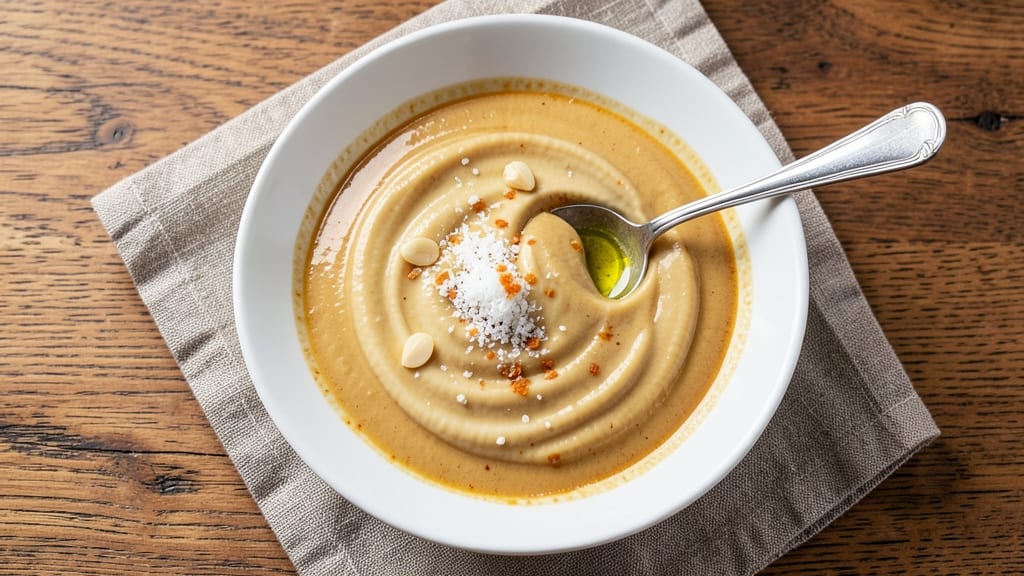
This alfredo sauce recipe with ricotta cheese delivers restaurant-quality creaminess without the dreaded clumps or separation. The secret lies in blending ricotta with heavy cream and butter at just the right temperature, creating a velvety texture that coats pasta perfectly.
I developed this version after struggling with traditional recipes that either broke or tasted too heavy—this one stays smooth and rich every time.
The ricotta adds natural thickness and a subtle sweetness that balances the richness of the butter and cream, while a touch of garlic and nutmeg elevates the flavor profile. Unlike traditional alfredo, this version relies on ricotta's mild tang to prevent the sauce from becoming overly greasy.
The key technique? Slowly warming the sauce while continuously whisking ensures a silky, lump-free finish.
What you’ll end up with is a luxuriously smooth sauce that clings beautifully to fettuccine or any pasta shape, offering a perfect balance of creaminess and lightness. The ricotta keeps it from feeling too heavy, making it ideal for both weeknight dinners and special occasions.
This recipe also doubles as a fantastic base for creamy soups or as a dipping sauce for crusty bread.
Best of all, this sauce can be made ahead and reheated without losing its velvety texture, making it a versatile addition to your cooking repertoire.
Whether you're serving it over pasta or using it as a base for other dishes, this ricotta alfredo sauce will become a staple in your kitchen. Let’s make it—your taste buds will thank you.
Ingredients for alfredo sauce recipe with ricotta cheese
Nine simple ingredients transform into velvety perfection—no clumps, just pure restaurant-style richness.
| Ingredient | Amount | Notes |
|---|---|---|
| Whole Milk Ricotta Cheese 🧀 | 1 ½ cups | Full-fat for creaminess, drained if watery |
| Heavy Whipping Cream 🥛 | 1 cup | Full-fat for richness, cold |
| Unsalted Butter 🧈 | ½ cup | Cold, cubed for even melting |
| Extra-Virgin Olive Oil 🫒 | ¼ cup | For smoothness and balance |
| Fresh Garlic Cloves 🧄 | 4 cloves | Minced finely for subtle flavor |
| Ground Nutmeg 🌿 | ¼ tsp | Freshly grated preferred |
| Diamond Crystal Kosher Salt 🧂 | ½ tsp | Adjust to taste |
| Freshly Ground Black Pepper 🌶️ | ¼ tsp | Freshly cracked for best flavor |
| Fresh Parsley Leaves 🌿 | ¼ cup | Chopped finely for garnish |
The ricotta is the game-changer here—Whole Milk Ricotta from the deli section gives the best texture, but any full-fat ricotta works. Trader Joe's or Whole Foods have the most consistent quality, but the regular grocery store brand is fine if it's fresh (no watery texture). The butter and cream must be cold when you start—take them straight from the fridge—this ensures the sauce emulsifies properly. If your ricotta looks too wet, drain it through a fine-mesh strainer for 10 minutes before using. The olive oil might seem odd, but it keeps the sauce from feeling too heavy while adding a subtle depth.
No heavy cream? Full-fat coconut milk works in a pinch, though the flavor will differ slightly. Ran out of parsley? Fresh basil or chives add a nice brightness instead. The nutmeg is non-negotiable—it's what makes this alfredo taste like it came from a high-end Italian restaurant. If you can't find freshly grated, pre-grated nutmeg from Penzeys is the next best thing. For the garlic, roasted garlic gives a sweeter note if you prefer. And if you're worried about the sauce separating, just whisk in a splash of cold water or milk to bring it back together—it's foolproof once you get the hang of it.
This sauce keeps beautifully—3-4 days in the fridge sealed tightly with plastic wrap pressed right on the surface. For longer storage, freeze it in ice cube trays—perfect for portion control later. When reheating, do it low and slow on the stove with a splash of milk or water to restore creaminess. I always make double batches because it disappears faster than you'd think—great over pasta, as a dip for bread, or even as a creamy sauce for vegetables. The secret to reheating? Never let it boil, just warm until it's just melted through.
Why You'll Love This Recipe
- No-Fuss Creaminess: I swear by this sauce because it’s the only Alfredo that doesn’t require constant stirring or a thermometer—just melt butter, whisk in ricotta, and let the cream do the work. Honestly, the ricotta’s tang cuts through the richness, so it never feels too heavy.
- Garlic Butter Magic: That sizzle of fresh garlic in olive oil? It’s the secret weapon here. The ricotta smooths out the sharpness while the butter adds a golden depth—like a hug for your pasta. (Yes, even on a Tuesday night.)
- Leftovers That Shine: This sauce actually improves the next day. The ricotta thickens just enough to cling to noodles, and a splash of milk keeps it silky. I freeze half in ice cube trays—perfect for quick dinners or last-minute company.
- Budget-Friendly Luxury: No pricey cream cheese or heavy cream substitutes—just whole milk ricotta and heavy cream, which stretch further than you’d think. Between us, this is the only Alfredo that doesn’t break the bank and still tastes like a restaurant dish.
Step-by-step instructions for ultra-smooth ricotta alfredo sauce
Here's how to create a velvety, clump-free alfredo that's richer than traditional versions.
Prepare the Ricotta for Maximum Creaminess
Transfer the 1.5 cups whole milk ricotta cheese to a fine-mesh strainer lined with cheesecloth or a clean kitchen towel. Gather the corners and let it drain over a bowl for 15-20 minutes at room temperature. This removes excess moisture that would otherwise make your sauce watery. If you're short on time, press gently with the back of a spoon to speed up the process.
While it drains, place the 0.5 cup unsalted butter and 0.25 cup extra-virgin olive oil in a medium saucepan over low heat. Let them melt together slowly - this gradual warming prevents the butter from burning while allowing the olive oil to infuse its delicate flavor. You'll know it's ready when the butter has completely melted and the mixture is smooth and translucent, with no visible butterfat floating on top.
Build the Flavor Foundation
Add the drained ricotta to the melted butter-oil mixture. Using a wooden spoon or silicone spatula, stir gently over low heat for 3-4 minutes until the ricotta is completely melted and incorporated. The sauce should begin to thicken slightly as the ricotta's proteins bind with the fat. If you notice any lumps forming, immediately press them through a fine-mesh sieve to maintain that silky texture.
Next, add the 4 cloves minced fresh garlic cloves and cook for 30 seconds until fragrant but not browned. This quick cooking preserves the garlic's sweetness rather than letting it turn bitter. Immediately remove the pan from heat after the garlic is incorporated - you don't want it to color at all, as that would introduce unwanted bitterness to your sauce.
Create the Velvety Base
Return the pan to low heat and gradually whisk in the 1 cup cold heavy whipping cream. Start with a slow drizzle to prevent any sudden temperature changes that could cause the cream to curdle. As it warms, continue whisking constantly until the cream is fully incorporated and the sauce begins to thicken. This should take about 4-5 minutes of gentle, consistent stirring.
The sauce should now coat the back of a spoon smoothly without being overly thick. If it's too thick, add 1-2 tablespoons of warm water to reach your desired consistency. For extra richness, you can also add an additional 1-2 tablespoons of heavy cream at this stage. The key is to maintain that luxurious, velvety texture that makes this ricotta version superior to traditional alfredo.
Season and Finish Perfectly
Remove the pan from heat completely and stir in the 0.5 tsp diamond crystal kosher salt, 0.25 tsp freshly ground black pepper, and 0.25 tsp ground nutmeg. Taste and adjust the seasoning - you might need a bit more salt to balance the richness, especially if you're using high-quality ricotta that's naturally less salty. The nutmeg should be present but not overpowering, adding just a hint of warmth to complement the creamy flavors.
For the final touch, stir in the 0.25 cup chopped fresh parsley leaves. This adds freshness and color while balancing the richness. The parsley should be finely chopped so it distributes evenly throughout the sauce. If you're serving immediately, you can also reserve some parsley for garnish on individual plates. Let the sauce sit at room temperature for 5-10 minutes before serving - this allows all the flavors to meld together perfectly.
Pro Tips For Making Alfredo Sauce Recipe With Ricotta Cheese
- Strain the Ricotta: Ricotta’s watery side is the enemy of a silky sauce. Line a fine-mesh sieve with cheesecloth and let it drain for 10–15 minutes before using—this removes excess moisture without drying out the cheese. (Yes, it’s tedious, but your sauce will thank you.)
- Infuse Garlic Cold: Toss minced garlic into the cold heavy cream and olive oil first, then let it sit for 10 minutes before heating. This mellows the garlic’s bite and prevents burning—no need to hover over the pan like a nervous chef.
- Whisk Butter Last: Add the butter to the warm cream-ricotta mix off the heat, then whisk until it melts completely. If you melt the butter first, you’ll end up with a split sauce—lumpy and sad. Patience here makes all the difference.
- Salt the Ricotta: Season the ricotta with ½ teaspoon salt before mixing it into the cream. Whole-milk ricotta is milder than you think, and this ensures even flavor distribution—no afterthought salting required.
Serving suggestions for leftovers
Pasta Pairings
This ricotta alfredo sauce is perfectly matched with fettuccine or tagliatelle—the wide, flat noodles create ideal surface area for the sauce to cling beautifully. I also love using pappardelle for an extra-luxurious presentation. For a lighter option, try angel hair pasta or linguine if you prefer less coverage. 🍝
Want to get creative? This sauce works wonderfully over gluten-free pasta like brown rice or chickpea noodles. Just ensure your pasta is well-cooked and drained thoroughly to prevent the sauce from becoming watery.
For a fun twist, toss it with whole wheat spaghetti and add a sprinkle of toasted pine nuts for crunch.
Protein Additions
Elevate your dish by adding grilled chicken breast or seared shrimp—the protein absorbs the sauce beautifully while adding a satisfying bite. I often cook 4 oz chicken breast per serving, slice it thinly, and toss it with the hot sauce just before serving.
For seafood lovers, sautéed scallops or poached salmon add a delicate, buttery contrast. 🦞
Vegetarians can incorporate sautéed mushrooms or roasted asparagus for a hearty, plant-based option. The earthy flavors of mushrooms pair exceptionally well with the creamy sauce. For a pop of color, stir in roasted cherry tomatoes or blistered green beans in the final minute of cooking.
Bread & Dipping Ideas
This sauce isn't just for pasta—it makes an amazing dipping sauce for crusty garlic bread or freshly baked focaccia. I like to serve it warm with toasted baguette slices on the side for scooping up extra portions.
The ricotta keeps it from feeling too heavy, making it ideal for dipping. 🥖
For a more substantial bite, spread it on grilled cheese sandwiches with sharp cheddar and crispy prosciutto. The combination of the creamy sauce with the melty cheese creates a decadent, comforting meal.
You can also use it as a topping for baked potatoes or mashed sweet potatoes for a rich, indulgent twist.
Vegetable Enhancements
Brighten the dish with sautéed spinach or wilted kale—just add them to the sauce off the heat and stir until wilted. The greens add freshness and balance the richness. For a touch of sweetness, try roasted butternut squash or caramelized onions—they add depth without overpowering the sauce. 🥕
For a Mediterranean twist, stir in sun-dried tomatoes and artichoke hearts during the final warming stage. The tangy, salty flavors complement the creamy ricotta perfectly. If you love heat, add a pinch of red pepper flakes or a drizzle of hot honey for a sweet-spicy kick.
Nutrition facts
Frequently asked questions
Why does ricotta make alfredo sauce smoother than traditional versions?
Ricotta's natural thickness and mild tang create a velvety texture without the need for heavy cream alone. The cheese's protein content helps emulsify the fats, preventing clumps and separation. Plus, it adds subtle sweetness that balances the richness, making the sauce lighter than classic béchamel-based versions.
Can I make this sauce without heavy cream?
Yes! For a lighter version, substitute with full-fat coconut milk or Greek yogurt (thinned with milk). The sauce will have a slightly different texture but still be creamy. For extra richness, blend in 1/4 cup grated Parmesan at the end. Just reduce the ricotta to 1 cup to maintain balance.
What's the secret to preventing lumps in ricotta alfredo?
Drain the ricotta thoroughly for 15-20 minutes first, then melt the butter and oil together slowly on low heat. Whisk constantly when adding cream, and if lumps appear, immediately press them through a fine-mesh sieve. The key is patience—rushing causes curdling. For extra insurance, whisk in a splash of cold milk if the sauce starts to separate.
How do I reheat this sauce without it getting grainy?
Reheat on low heat with a splash of milk or water to restore creaminess. Never boil—just warm until steaming, then whisk vigorously. For leftovers, store in an airtight container with plastic wrap pressed directly on the surface to prevent a skin from forming. If grainy, whisk in 1 tablespoon cold butter to smooth it out.
Can I make this sauce ahead for a dinner party?
Make it 1-2 days ahead and store in the fridge. For best results, reheat gently and add a pinch of nutmeg and fresh parsley just before serving to revive the flavors. Freeze in ice cube trays for perfect portion control—thaw overnight in the fridge before using. The sauce actually tastes better after resting!