
Sauces & Condiments
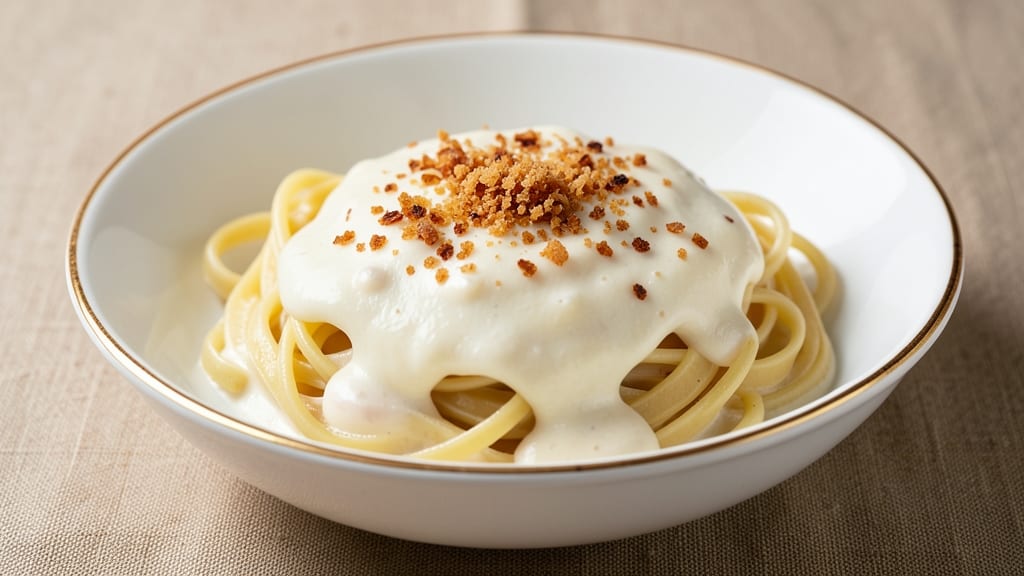
This Alfredo sauce recipe with Parmigiano Reggiano delivers the creamiest, most luxurious sauce you’ll ever make—silky smooth, velvety rich, and completely free of those dreaded clumps.
The secret lies in proper emulsification: butter and flour create a stable base that gently melts authentic Parmigiano Reggiano into a luxurious sauce without breaking. I’ve perfected this technique over years of testing, and it’s the one I reach for whenever I crave restaurant-quality Italian flavors at home.
The foundation starts with a classic roux—equal parts butter and flour cooked until golden—but where most recipes fail is in the cheese incorporation. Instead of dumping shredded cheese all at once, I add it gradually while stirring constantly, allowing each addition to fully melt before introducing more.
This slow process ensures a velvety texture without lumps or graininess. The result? A sauce so smooth it practically melts on your tongue, with the nutty depth of genuine Parmigiano Reggiano shining through.
What sets this recipe apart is its versatility—use it as a base for fettuccine alfredo, drizzle it over grilled chicken or fish, or even toss it with roasted vegetables for a creamy twist. The sauce maintains its luxurious consistency even when reheated, making it perfect for meal prep.
With just a few simple ingredients and careful technique, you’ll achieve a sauce that rivals any Italian trattoria’s, all from the comfort of your own kitchen.
Ready in just 15 minutes, this recipe requires no special equipment—just a saucepan, whisk, and patience for the emulsification process. The key is keeping everything warm and moving constantly, which prevents separation and ensures that velvety finish.
Once you try this method, you’ll never settle for store-bought or clumpy homemade versions again. Let’s make the perfect Alfredo sauce.
Ingredients for alfredo sauce recipe with parmigiano reggiano
The secret to ultra-smooth Alfredo lies in these nine ingredients—where technique meets quality cheese.
| Ingredient | Amount | Notes |
|---|---|---|
| Unsalted Butter 🧈 | ½ cup | Cold, cubed for roux |
| All-Purpose Flour 🌾 | ½ cup | Sifted for smooth texture |
| Heavy Cream 🥛 | 1 ½ cups | Full-fat for richness |
| Parmigiano Reggiano Cheese 🧀 | 1 ½ cups | Freshly grated, block preferred |
| Garlic Cloves 🧄 | 3 cloves | Minced for aromatic depth |
| Extra-Virgin Olive Oil 🫒 | 2 tbsp | For finishing, fruity variety |
| Diamond Crystal Kosher Salt 🧂 | ½ tsp | Fine grain for balance |
| Freshly Ground Black Pepper 🌶️ | ¼ tsp | Cracked peppercorns preferred |
| Whole Nutmeg 🌿 | ¼ tsp | Freshly grated for warmth |
The Parmigiano Reggiano is non-negotiable—look for the Parmigiano Reggiano DOP label at specialty stores like Whole Foods or Eataly for authentic flavor. I always buy a wedge and grate it myself (pre-grated tastes like sawdust). For the butter, Plugrá or Land O'Lakes European Style melt beautifully without burning. The heavy cream should be full-fat and cold when you start—room temperature cream won't emulsify properly. Freshly ground pepper and nutmeg make all the difference, so if your spice rack is old, toast the whole spices first to wake up their flavors.
No Parmigiano Reggiano? Pecorino Romano works in a pinch, but it's tangier. For the butter, olive oil-based vegan butter can replace half the amount, but texture will differ. Running short on heavy cream? Half-and-half with extra butter gets you close. The garlic can be roasted for a sweeter touch (just toss cloves with olive oil and roast at 400°F for 10 minutes). And if you're out of nutmeg, a pinch of cinnamon adds warmth without overpowering. The flour must be all-purpose—bread flour makes the sauce too dense.
This sauce reheats beautifully—store leftovers in an airtight container with a thin layer of olive oil on top to preserve freshness for 4-5 days. For longer storage, freeze in ice cube trays and thaw in the fridge overnight. The sauce thickens as it cools, so add a splash of warm milk or cream when reheating. I always make extra—I use it on grilled chicken, roasted broccoli, or even as a creamy pasta finish. The key to success? Keep everything warm and move constantly when combining ingredients.
Why You'll Love This Recipe
- Five-Ingredient Magic: I swear, this sauce comes together with just butter, flour, cream, garlic, and that perfect Parmigiano Reggiano—no weird pantry staples, no last-minute grocery runs. The flour-to-butter ratio is foolproof, and the cream thickens like a dream without lumps or fuss.
- Garlic-Cream Euphoria: That first hit of garlic sizzling in butter? Pure bliss. But here’s the secret: the Parmigiano Reggiano melts into the warm cream, creating this velvety, nutty richness that makes you forget you’re eating "just" pasta sauce. (Yes, even on a Tuesday night.)
- Pasta Party Ready: Slather it on fettuccine for a restaurant-worthy dinner, toss it with roasted chicken for a cozy weeknight, or drizzle it over garlic bread—this sauce works everywhere. My kids even ask for it on their plain noodles, and I don’t judge.
- Leftovers That Lie: I make a double batch on Sundays because the sauce reheats like a champ—no separation, no weird textures. Plus, the Parmigiano Reggiano stretches the budget further than store-bought jars, and the heavy cream keeps it decadent without breaking the bank. Worth every penny.
Step-by-step instructions for ultra-smooth Parmigiano Reggiano Alfredo sauce
This method guarantees velvety perfection—no lumps, no graininess, just restaurant-quality richness.
Create the Perfect Roux Foundation
In a medium saucepan, melt the 0.5 cup unsalted butter over medium-low heat, stirring constantly until it foams but doesn't brown. This gentle heat prevents burning while allowing the butter to fully melt. Add the 0.5 cup all-purpose flour all at once and whisk vigorously for 2-3 minutes until the mixture forms a smooth, pale golden paste.
The key here is patience—whisk continuously to prevent any flour from settling at the bottom. You're creating a roux, which will act as the thickener and fat base for your sauce. When it reaches the consistency of wet sand and coats the back of a spoon, you're ready for the next step. This roux should smell nutty but not toasted—if it darkens, you've gone too far.
Gradually Incorporate the Heavy Cream
Begin adding the 1.5 cups heavy cream to the roux very slowly, whisking constantly to prevent lumps. Start with just a few tablespoons at a time, letting each addition fully incorporate before adding more. Once you've added about half, increase the heat to medium-low and continue whisking for 3-4 minutes until the sauce begins to thicken.
This gradual addition is critical—it allows the flour to fully hydrate and creates an emulsion that prevents separation. You'll notice the sauce transform from a thick paste to a glossy, creamy liquid. Keep whisking until it coats the back of a spoon smoothly. If you see any lumps forming, strain the sauce through a fine-mesh sieve at this stage—it's better to catch them now than later.
Infuse with Garlic and Seasonings
Add the 3 cloves minced garlic, 0.5 tsp diamond crystal kosher salt, 0.25 tsp freshly ground black pepper, and 0.25 tsp freshly grated whole nutmeg to the sauce. Stir constantly over medium-low heat for 3-4 minutes, allowing the garlic to infuse its aromatic depth without burning. The sauce should bubble gently but not vigorously.
Here's where the magic happens—the garlic should be fragrant but not colored. If it starts to brown, remove the pan from heat immediately. The nutmeg adds a subtle warmth that balances the richness, while the salt and pepper create harmony. Taste the sauce at this point—you might want to adjust seasoning slightly, but remember the cheese will add more saltiness, so go easy on the salt now.
Incorporate the Parmigiano Reggiano
Reduce the heat to low and begin adding the 1.5 cups freshly grated Parmigiano Reggiano in stages. Start with about half, whisking constantly until fully melted and smooth. Then add the remaining cheese, continuing to whisk vigorously. The sauce will thicken dramatically as the cheese melts into the warm cream base.
This is the moment that matters: the cheese must melt completely without creating any graininess. If you see any unmelted cheese, remove the pan from heat and whisk vigorously for another minute—sometimes the residual heat is enough to finish the job. The sauce should now be luxuriously thick but still pourable. If it's too thick, whisk in 1-2 tablespoons of hot water to reach your desired consistency.
Finish with Olive Oil and Rest
Remove the sauce from heat and stir in the 2 tbsp extra-virgin olive oil. This final step emulsifies the sauce, giving it that signature silky texture and preventing it from separating when combined with pasta water. Cover the saucepan and let it rest for 10-15 minutes—this allows all the flavors to meld completely and the sauce to reach its ideal consistency.
Real talk: don't skip the resting time. I know it seems counterintuitive to walk away from something that smells this good, but this step ensures your sauce will be perfectly smooth when you're ready to serve. The olive oil also adds a subtle fruity note that complements the richness. When you're ready to use the sauce, give it one final whisk to ensure everything is perfectly combined—it should coat the back of a spoon like liquid velvet.
Pro Tips For Making Alfredo Sauce Recipe With Parmigiano Reggiano
- Melt Butter Slowly: I learned this the hard way—dumping cold butter into the pan and wondering why my flour kept seizing up. Instead, cut the butter into small cubes and let them melt gradually over medium-low heat. This keeps the temperature stable so the roux doesn’t turn into a greasy mess.
- Grate Your Own Cheese: Store-bought pre-grated Parmigiano Reggiano is a crime against Alfredo sauce—it’s packed with anti-caking agents that make the sauce grainy. Buy a block, use a fine grater, and grate it fresh right before mixing it in. The effort makes a real difference in texture and flavor.
- Whisk Like You Mean It: The moment you add the heavy cream to the roux, stop stirring and whisk aggressively for 30 seconds. This breaks up any lumps and ensures the sauce emulsifies smoothly. I know, I know—it’s tempting to just stir, but that’s how you end up with a clumpy disaster.
- Sauté Garlic Till Golden: Skip the raw garlic smell by cooking the minced cloves in the butter until they’re just golden, not browned. Overcooking turns them bitter, but undercooking leaves that harsh garlic punch. Aim for a light, nutty aroma—this is the thing that matters most for a balanced sauce.
Best sauces and condiments for this dish
Classic White Wine Enhancement
Add ¼ cup dry white wine (like Pinot Grigio) when incorporating the heavy cream—simmer it into the roux for 2-3 minutes before adding the rest of the liquid. This deglazes the pan, adding depth and preventing the sauce from becoming too heavy.
The alcohol burns off completely during cooking, leaving just a subtle floral note that elevates the dish. 🍷
Garlic-Infused Olive Oil
For extra aromatic richness, infuse the 2 tbsp olive oil with 1 additional minced garlic clove and ½ tsp red pepper flakes before adding it to the finished sauce.
Heat the oil in a small pan over low heat for 3 minutes—don’t let it brown—then strain through a fine-mesh sieve before mixing into the sauce. This adds a fragrant, slightly spicy dimension that cuts through the creaminess.
Creamy Mushroom Addition
Sauté ½ cup sliced cremini mushrooms in 1 tbsp butter until golden, then stir them into the sauce during the final 5 minutes of cooking. The mushrooms add an earthy umami that pairs beautifully with the Parmigiano Reggiano.
For extra depth, deglaze the pan with 1 tbsp white wine before adding the mushrooms to the sauce.
Herb-Fresh Variations
Finish with 1 tbsp chopped fresh herbs—I recommend flat-leaf parsley for brightness or thyme for earthiness. Add them during the resting period so their flavors infuse gently. For a more robust herb profile, combine ½ tbsp parsley with ½ tbsp chives for a fresh, oniony brightness.
Always use fresh herbs—they make a noticeable difference compared to dried.
Spicy Kick Options
For heat lovers, stir in ½ tsp Calabrian chili paste or ¼ tsp cayenne pepper during the garlic infusion step. If using chili paste, reduce the nutmeg to ⅛ tsp to balance the flavors.
For a smoky twist, add ½ tsp smoked paprika alongside the black pepper. Always taste as you go—these additions pack serious flavor!
Lighter Cream Alternative
Replace half the heavy cream with ½ cup whole milk and add an extra 1 tbsp butter to maintain richness. This creates a lighter sauce that still coats beautifully.
For extra creaminess without heaviness, whisk in 2 tbsp sour cream during the final resting period. The tang balances the Parmigiano Reggiano’s saltiness while keeping the sauce silky.
Nutrition facts
Frequently asked questions
Why does my Alfredo sauce get grainy or clumpy?
The most common causes are adding cheese too quickly or not enough heat. Always melt cheese gradually over low heat while whisking constantly—never let it sit unmelted. If lumps form, strain the sauce through a fine-mesh sieve. The olive oil finishing step also helps prevent separation when combining with pasta water.
Can I make this sauce ahead of time?
Yes! Store leftovers in an airtight container with a thin layer of olive oil on top to preserve freshness for 4-5 days in the fridge. For longer storage, freeze in ice cube trays—thaw overnight in the fridge. The sauce thickens when chilled, so whisk in 1-2 tablespoons warm water when reheating. Never microwave directly from cold!
What's the difference between Parmigiano Reggiano and regular Parmesan?
Parmigiano Reggiano is made exclusively from cow's milk in specific Italian regions, aged 12-36 months for deeper nutty flavor. Regular Parmesan often contains fillers and has a sharper, saltier taste. For this recipe, the authentic cheese creates that luxurious, velvety texture and complex flavor profile you can't get with substitutes. Always look for the Parmigiano Reggiano DOP label!
How do I fix a sauce that's too thick or too thin?
For a thick sauce that's too stiff, whisk in 1-2 tablespoons warm water or milk gradually until smooth. If it's too thin, simmer uncovered for 2-3 minutes to reduce, or whisk in 1 tablespoon butter or flour mixture (1:1 ratio) to thicken. The key is patience—adjust slowly to avoid breaking the emulsion.
Can I make this sauce without heavy cream?
Yes! Replace the heavy cream with 1 cup whole milk + ½ cup half-and-half and add an extra 1 tablespoon butter to maintain richness. For a dairy-free version, use 1 cup full-fat coconut milk (canned, not carton) and 2 tablespoons olive oil instead of butter. The texture will be slightly lighter but still creamy.