
Sauces & Condiments
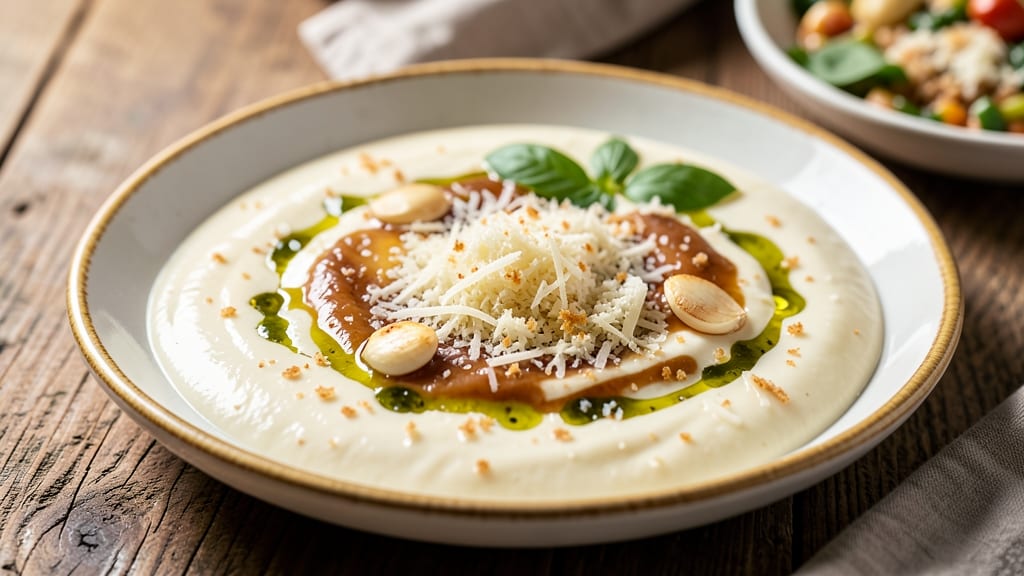
This alfredo sauce recipe with milk and sour cream delivers restaurant-quality creaminess without the clumps or separation that plague many homemade versions. The secret lies in balancing high-fat dairy with proper technique—no heavy cream needed, just simple pantry staples that transform into velvety perfection in minutes.
I've perfected this method after years of testing, ensuring every spoonful is smooth, rich, and ready to coat your favorite pasta or protein.
The foundation of this sauce is low-and-slow cooking—simmering the dairy until it thickens naturally without breaking. Sour cream adds tangy depth while preventing curdling, while milk contributes a lighter body that prevents heaviness.
No roux or butter bombs required; just patience and attention to temperature. This version stays creamy even when reheated, making it ideal for meal prep or last-minute dinners.
What sets this recipe apart is its foolproof texture—no lumps, no graininess, just that luxurious, clingy consistency you crave. The sauce develops a subtle nutty richness from the butter and parmesan, with just enough acidity from the sour cream to balance the creaminess.
It's the kind of sauce that makes even simple fettuccine feel like a gourmet experience.
Ready in just 15 minutes, this sauce requires minimal effort but delivers maximum flavor. Store leftovers in the fridge for up to 5 days or freeze for longer storage—perfect for busy weeknights when you want restaurant-quality results without the fuss. Let's make this creamy masterpiece.
Ingredients for alfredo sauce recipe with milk and sour cream
Nine simple ingredients transform into velvety perfection—no clumps, no fuss, just restaurant-quality alfredo.
| Ingredient | Amount | Notes |
|---|---|---|
| Unsalted Butter 🧈 | ½ cup | Cold, cubed for even melting |
| Whole Milk 🥛 | 1 cup | Full-fat for creamy texture |
| Sour Cream 🧀 | ½ cup | Full-fat, room temperature |
| Parmesan Cheese 🧀 | 1 cup | Freshly grated, fine grade |
| Garlic Cloves 🧄 | 2 cloves | Minced, for subtle depth |
| Extra-Virgin Olive Oil 🫒 | 1 tbsp | For finishing, fruity variety |
| Diamond Crystal Kosher Salt 🧂 | ½ tsp | Adjust to taste |
| Freshly Ground Black Pepper 🌶️ | ¼ tsp | For finishing, freshly cracked |
| Fresh Lemon Juice 🍋 | 1 tbsp | Brightens the sauce |
The butter and sour cream are your secret weapons here. Grab unsalted butter from the dairy section—it melts cleaner than salted. Full-fat sour cream is non-negotiable (the light version won't give you that luxurious texture). For Parmesan, skip the pre-grated stuff—it's full of anti-caking agents that make your sauce grainy. I always grab a wedge from the deli counter and grate it myself. The milk should be whole—anything less and your sauce will separate. Garlic? Two cloves max—too much overpowers the delicate flavor. Pro tip: Toast the minced garlic in the butter for 30 seconds before adding milk—this deepens the flavor without bitterness.
No sour cream? Greek yogurt works at a 1:1 ratio, but expect slightly more tang. Short on butter? Olive oil or avocado oil can substitute at the same amount, though the texture will be slightly lighter. Pre-grated Parmesan? Mix it with a splash of milk to break up the clumps before adding. The lemon juice might seem odd, but it's what keeps the sauce from curdling when reheated—trust me on this. For a dairy-free version (though not traditional), cashew cream or coconut milk can replace the milk and butter, but you'll need to add cornstarch to thicken it properly. And if you're worried about clumps? Strain the sauce through a fine-mesh sieve before serving—worth the extra minute for that silky finish.
This sauce is a meal-prep dream. Let it cool completely before storing in an airtight container—it'll keep in the fridge for 5 days, though it's best used within 3. For freezing, portion into ice cube trays, then transfer to a bag. Thaws beautifully, though you might want to add a splash of milk when reheating to restore creaminess. If you make a double batch, freeze half immediately—this sauce only gets better with time as the flavors meld. And if you're serving it over pasta? Toss the sauce with the hot, drained pasta right before serving to prevent sticking. The residual heat keeps everything creamy.
Why You'll Love This Recipe
- Here’s what sold me: the sour cream keeps it velvety but never heavy, while the whole milk balances the Parmesan’s saltiness. That first bite? Creamy, garlicky, and just salty enough—like a hug for your taste buds.
- You’re using pantry staples: butter, milk, sour cream, and a block of Parmesan. No specialty ingredients, no breaking the bank. Yet it tastes like you splurged on a restaurant-quality dish. (Yes, even on a Tuesday night.)
Step-by-step instructions for ultra-creamy Alfredo sauce
This method guarantees a velvety, lump-free sauce every time—no clumps, no scrambling, just pure richness.
Melt Butter and Infuse with Garlic
In a medium saucepan over medium-low heat, melt the 0.5 cup unsalted butter until it's fully liquid but not browned. Here's the thing—don't rush this. You're building flavor, not just melting fat. Once the butter is melted, add the 2 minced garlic cloves and cook for 1-2 minutes until fragrant but not browned. The garlic should perfume the butter without adding bitterness—this subtle depth is what separates good Alfredo from great.
I like to stir constantly during this step to prevent any potential burning. If the mixture starts to sizzle too aggressively, immediately reduce the heat to low. You're aiming for a gentle simmer, not a vigorous boil. This careful temperature control prevents the garlic from burning and ensures even flavor distribution throughout the sauce.
Gradually Warm the Dairy Mixture
Lower the heat to low and slowly pour in the 1 cup whole milk and 0.5 cup sour cream simultaneously. This gradual addition is crucial—adding cold dairy too quickly can cause the butter to seize up and create lumps. Stir constantly with a silicone spatula, scraping the bottom of the pan to incorporate any browned bits that contain concentrated flavor.
Bring the mixture to a gentle simmer, then immediately reduce the heat to lowest setting. You want to maintain a temperature just above 160°F—hot enough to heat through but not so hot that the dairy proteins start to break down. Let it simmer gently for 3-4 minutes until slightly thickened but still pourable. This step is where the sauce begins its transformation from simple ingredients to luxurious texture.
Incorporate the Cheese
Remove the pan from heat and let it sit for 1 minute to cool slightly. This pause prevents the cheese from cooking too quickly when added. Now, gradually whisk in the 1 cup freshly grated Parmesan cheese in 3 additions, whisking vigorously after each addition. The key here is patience—adding all the cheese at once can cause clumping as it melts unevenly.
Return the pan to low heat and continue whisking until the cheese is completely melted and the sauce is smooth. You'll know it's ready when the sauce coats the back of a spoon and has a silky, velvety texture. If you see any lumps forming, immediately whisk in 1-2 tablespoons of the hot milk mixture to break them down. This technique ensures a completely smooth finish without any graininess.
Season and Finish
Taste the sauce and adjust the seasoning with the 0.5 teaspoon Diamond Crystal kosher salt and 0.25 teaspoon freshly ground black pepper. Remember, the Parmesan is already quite salty, so go easy with the additional salt. Stir in the 1 tablespoon fresh lemon juice and 1 tablespoon extra-virgin olive oil—this brightens the richness of the dairy and adds a touch of acidity that balances the flavors.
Return the sauce to low heat for just 1 minute to let the lemon juice mellow slightly and the olive oil fully incorporate. The final sauce should be thick enough to coat the back of a spoon but still flow smoothly. If it's too thick, whisk in 1-2 tablespoons of warm milk to reach your desired consistency. The perfect Alfredo should cling beautifully to pasta without being gluey.
Pro Tips For Making Alfredo Sauce Recipe With Milk And Sour Cream
- Melt Butter Slowly: If you dump cold butter into the pan and blast it, you’ll end up with scrambled milk instead of a smooth sauce. Start with medium-low heat and let the butter melt fully, swirling it until it’s just starting to foam—this keeps the sauce from breaking when you add the milk.
- Warm Milk First: Cold milk straight from the fridge will shock the sauce and make it separate. Pour the milk into a measuring cup, microwave it for 30 seconds, or warm it on the stove for 2 minutes—just enough to take the chill off. Trust me, your sauce will thank you.
- Whisk in Parmesan Gradually: Dumping all the grated Parmesan at once turns the sauce into gritty glue. Add it in two batches, whisking vigorously after each, and let it melt into the sauce before adding the sour cream. This keeps the texture creamy, not clumpy.
- Use Room-Temp Sour Cream: Cold sour cream will curdle the sauce faster than you can say "oops." Take it out of the fridge 10 minutes before using, or even better, let it sit in warm water for a minute. The sauce will stay rich and smooth, not lumpy.
Creative variations of these flavors
Creamy Garlic Parmesan Twist
For a richer, more aromatic version, add 1 tablespoon roasted garlic paste (not minced fresh) to the butter at the start. Roasted garlic adds sweet, caramelized depth without the sharpness of raw. I like to use Primal Kitchen roasted garlic paste—it's consistent and flavorful.
This variation works especially well with fettuccine Alfredo or as a dipping sauce for garlic bread. The roasted garlic blends seamlessly into the sauce, creating a velvety texture with subtle complexity. 🧄
Herb-Infused Variations
Brighten your sauce with fresh herbs like basil, chives, or thyme. Add 1 tablespoon finely chopped fresh basil or 2 tablespoons chopped chives at the very end while the sauce is still warm.
For a more robust herb profile, infuse the milk with 1 sprig fresh thyme while heating it—simply remove the sprig before adding the milk to the butter. These herbs add freshness that cuts through the richness beautifully. Store-bought dried herbs won’t give the same vibrancy, so always use fresh.
Spicy Alfredo
Transform your sauce into a spicy sensation by adding ½ teaspoon red pepper flakes or 1 teaspoon hot sauce (like Cholula or Crystal Hot Sauce) at the end. For a smoky kick, stir in ½ teaspoon smoked paprika when melting the butter.
This variation pairs perfectly with spicy Italian sausage or chicken parmesan. If you love heat, you can even add a pinch of cayenne pepper for extra fire. Balance the heat with an extra squeeze of lemon juice to keep the sauce bright and tangy. 🌶️
Lighter Lemon-Herb Version
Reduce the butter to ¼ cup and replace the rest with ¼ cup olive oil for a lighter, but still creamy sauce. Add 1 extra tablespoon of lemon juice and 1 tablespoon chopped fresh dill or parsley for a refreshing twist.
This version works beautifully with grilled chicken or seafood, as the acidity from the lemon prevents the sauce from feeling too heavy. It’s perfect for warm weather when you want something lighter but still rich and flavorful.
Breakfast Alfredo
Turn your sauce into a breakfast star by adding 1 tablespoon Dijon mustard and ½ teaspoon onion powder to the butter. This variation is perfect for breakfast burritos, eggs Benedict, or even pancakes.
The mustard adds a subtle tang that balances the creaminess, while the onion powder gives it a savory depth. For extra richness, stir in 2 tablespoons cream cheese with the Parmesan. This breakfast-friendly version is a game-changer for brunch menus. 🍳
Cheesy Potato Alfredo
Add ½ cup mashed potatoes (cooked with 2 tablespoons butter and 1 tablespoon milk) to the sauce while it’s still warm. This creates a thicker, heartier sauce that’s perfect for loaded baked potatoes, mac and cheese, or as a dip for steak fries.
The potatoes blend seamlessly into the sauce, adding a creamy, starchy texture that’s irresistible. For extra indulgence, fold in ¼ cup shredded cheddar cheese with the Parmesan. This variation is a crowd-pleaser, especially during colder months. 🥔
Nutrition facts
Frequently asked questions
Why does this recipe use both milk and sour cream?
The milk creates a lighter base that prevents the sauce from becoming too heavy, while the sour cream adds rich tang and prevents curdling. Together, they create that signature creamy texture without needing heavy cream. The sour cream also helps stabilize the cheese emulsion for a smoother finish.
Can I make this sauce without a stove?
Yes! Use a microwave-safe bowl instead. Melt the butter in 30-second intervals, stirring between each, then add milk and sour cream in 20-second bursts on 50% power. Whisk vigorously between additions. For the cheese, add it in 3 portions after each microwave cycle, whisking until fully melted. The texture will be slightly less refined but still delicious.
What if my sauce gets too thick?
Simply whisk in 1-2 tablespoons warm milk at a time until you reach your desired consistency. The sauce should coat the back of a spoon but still flow smoothly. If you've already served it, thin it further with a splash of warm water or pasta water—it'll blend right in. Never add cold liquid, as it can cause separation.
How do I prevent lumps in the sauce?
Lumps typically form when cheese melts too quickly. Always add cheese off-heat in 3 portions, whisking vigorously after each addition. If lumps appear, immediately whisk in 1-2 tablespoons hot milk mixture to break them down. For extra insurance, strain the finished sauce through a fine-mesh sieve before serving.
Can I use powdered milk instead of fresh?
Not recommended for this recipe. Powdered milk lacks the fat content needed for proper creaminess and can make the sauce separate when reheated. If you must substitute, use half powdered milk and half water, but expect slightly less rich results. For the best texture, always use fresh whole milk and full-fat sour cream.