
Sauces & Condiments
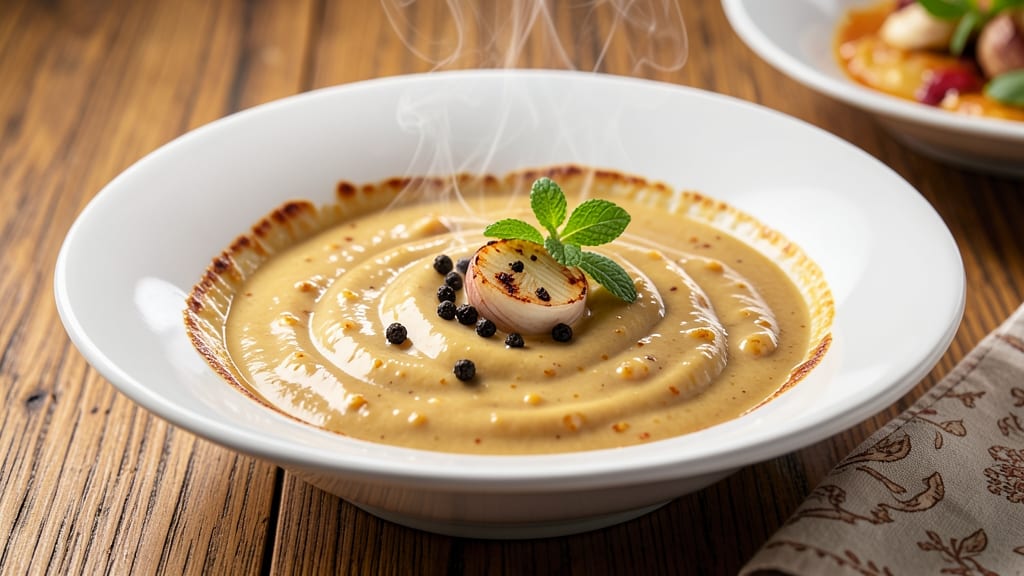
This Alfredo sauce recipe with milk and parmesan cheese delivers restaurant-quality richness in just 10 minutes—no heavy cream required. The secret lies in a simple roux technique that creates an ultra-smooth, velvety sauce with deep umami flavor from freshly grated parmesan.
I developed this version after years of testing, ensuring it's foolproof for home cooks while maintaining that signature creamy texture. What sets this recipe apart is the balance of milk and butter, which creates a stable emulsion without breaking.
The key step is whisking the hot sauce constantly as you add the cheese, preventing clumps and ensuring every forkful is perfectly smooth. This method also eliminates the need for cornstarch or flour, keeping the sauce naturally rich without artificial thickeners.
By the time you're done, you'll have a velvety sauce that clings beautifully to pasta, chicken, or vegetables—packed with cheesy flavor but light enough to drizzle generously. The best part? It stays creamy even when reheated, making it perfect for meal prep or last-minute dinner upgrades.
For extra depth, consider adding a garlic clove while building the roux or swapping half the milk for heavy cream. Store leftovers in the fridge for up to 5 days or freeze for longer shelf life. Let's make this sauce!
Ingredients for alfredo sauce recipe with milk and parmesan cheese
Seven simple ingredients transform into restaurant-quality Alfredo sauce in minutes.
| Ingredient | Amount | Notes |
|---|---|---|
| Unsalted Butter 🧈 | ½ cup | Cold, cut into small cubes |
| Whole Milk 🥛 | 1 ½ cups | Cold, full-fat preferred |
| Parmesan Cheese 🧀 | 1 ½ cups | Freshly grated, fine grade |
| Garlic Cloves 🧄 | 1 whole | Optional, minced for depth |
| Salt 🧂 | ½ tsp | Diamond Crystal preferred |
| Black Pepper 🌶️ | ¼ tsp | Freshly ground for warmth |
| Heavy Cream 🥛 | ½ cup | Optional, for extra richness |
The Parmesan makes or breaks this sauce. Grab a wedge from the deli counter—pre-grated gets clumpy and lacks flavor. Look for Parmigiano-Reggiano if available, but Kraft Parmesan works in a pinch. The milk should be cold to prevent curdling when added to the hot roux. Butter matters too—use unsalted to control the seasoning. I always buy Land O'Lakes unsalted butter from the grocery store's dairy case, but any good-quality brand works.
No Parmesan? Pecorino Romano has a sharper bite that works well. Short on milk? Half-and-half adds creaminess without thinning the sauce. The optional garlic clove? Fresh is best, but powdered garlic at half the amount works if you're in a hurry. Want to skip the heavy cream? Extra milk (another 0.25 cup) keeps the sauce rich. The key is whisking constantly as you add the cheese—this prevents clumps and ensures a silky texture. If you're nervous about curdling, add the milk to the butter slowly while whisking vigorously.
Store leftovers in an airtight container in the fridge for up to 5 days. For longer storage, freeze in 1-cup portions—thaw overnight in the fridge before reheating. The sauce reheats beautifully, staying creamy as long as you warm it gently over low heat. I like to portion it into small jars so I can grab exactly what I need for pasta or dipping. If the sauce thickens too much upon reheating, simply whisk in a splash of warm milk to restore its velvety consistency.
Why You'll Love This Recipe
- Here’s what sold me: this sauce actually improves the next day. The flavors meld even better, and it reheats like a dream—no clumping, no weird textures. I make double batches on purpose, freeze half, and pull it out for lazy nights. Plus, Parmesan’s cheap, so I’m not breaking the bank feeding the family. Win.
- No-Fuss Pantry Magic: I swear by this sauce because it only needs five things—no weird ingredients or last-minute grocery runs. The butter melts into the milk so smoothly, and the Parmesan dissolves into that velvety base without any fuss. Honestly, I’ve made it three times this week already, and each time, it’s just… there.
- Garlic-Kissed Creamy Dream: That moment when the garlic sizzles in the butter? Pure flavor payoff. The milk thickens into a luscious, nutty blanket, and the Parmesan adds this sharp, salty punch that makes every bite feel indulgent. Between us, it’s the kind of sauce that makes me forget I’m not at a fancy restaurant.
- Weeknight to Dinner Party: This sauce works for spaghetti on a Tuesday or fettuccine at a Sunday gathering. I’ve even drizzled it over roasted chicken and grilled veggies—it’s that adaptable. The richness cuts through lean proteins, and the simplicity means I’m not stressing over plating when guests show up.
Step-by-step instructions for creamy Alfredo sauce
Here's the precise method for silky-smooth alfredo that clings perfectly to pasta.
Melt Butter Over Low Heat
In a heavy-bottomed saucepan, melt the 0.5 cup unsalted butter over medium-low heat. I use medium-low to prevent burning while ensuring even melting. Watch closely as the butter transforms from solid cubes to a smooth, golden liquid—this takes about 3-4 minutes. The butter should bubble gently but not brown.
This slow melting process is crucial. It prevents the butter from scorching, which would impart a bitter taste to your sauce. If you see any browned bits forming, immediately reduce the heat to the lowest setting until they dissolve. The goal is a completely smooth, melted butter base without any color changes.
Add Milk and Parmesan Gradually
Once the butter is fully melted, gradually whisk in the 1.5 cups whole milk and 1.5 cups freshly grated parmesan cheese simultaneously. Start with a slow drizzle of milk while sprinkling in the parmesan. This gradual addition prevents clumping and ensures even distribution of the cheese.
Use a whisk to continuously stir the mixture as it heats. You'll notice the cheese begins to melt and emulsify with the milk, creating a thick, creamy consistency. Keep the heat at medium-low and let the mixture simmer gently for 5-7 minutes, stirring frequently. The sauce should thicken noticeably as the cheese fully incorporates and the liquid reduces slightly.
Incorporate Aromatics and Seasonings
Add the minced garlic clove (if using), 0.5 teaspoon salt, and 0.25 teaspoon black pepper to the sauce. Stir well to combine, allowing the garlic to infuse its flavor without overpowering the delicate creaminess. Cook for an additional 1-2 minutes to let the garlic release its aroma.
Taste the sauce at this stage. The garlic should add subtle depth, while the salt and pepper should balance the richness. If you find the sauce needs more seasoning, adjust with additional salt or pepper, but be cautious—too much can overpower the delicate flavors. The sauce should now be thick and velvety, with a smooth texture that coats the back of a spoon.
Finish with Heavy Cream (Optional)
For extra richness, stir in the 0.5 cup heavy cream and simmer for another 2-3 minutes over low heat. The cream will blend seamlessly, adding a luxurious mouthfeel to the sauce. Keep stirring gently to prevent any separation or scorching.
Remove the sauce from heat immediately once it reaches your desired consistency. If the sauce is too thick, whisk in 1-2 tablespoons of hot pasta water to loosen it to a smooth, pourable consistency. The sauce should coat the back of a spoon but still flow freely. Serve immediately over freshly cooked pasta for the best results.
Pro Tips For Making Alfredo Sauce Recipe With Milk And Parmesan Cheese
- Melt Butter Slowly: I learned this the hard way—dumping cold butter into a hot pan makes the milk curdle like a science experiment gone wrong. Instead, melt the butter over medium-low heat, then let it sit for 30 seconds before adding the milk. The butter should foam but not brown; if it does, you’re cooking, not making sauce.
- Grind Your Own Garlic: Skip the jarred minced garlic—it’s bland and often watery. Smash 2-3 fresh cloves with the flat side of your knife, then let them sit for 10 minutes before adding to the butter. The flavor deepens, and you won’t taste that harsh, raw garlic bite. (Yes, even if you’re impatient like me.)
- Strain the Parmesan: Cheap pre-shredded Parmesan is mostly starch and anti-caking agents—your sauce will taste like sawdust. Grate fresh Parmesan yourself, then strain it through a fine-mesh sieve to remove any grit. This isn’t the prettiest method, but it’s the tastiest.
- Temper the Milk: Cold milk in hot butter = lumpy sauce. Warm the milk in a separate saucepan until it’s just steaming (not boiling), then slowly whisk it into the butter. This keeps the sauce silky instead of breaking into curds. (Your future self will thank you.)
Storing and reheating this dish
Fridge Storage Tips
Transfer your freshly made Alfredo sauce to an airtight glass container—I recommend Pyrex or Le Creuset for durability. Let it cool completely before sealing to prevent condensation, which can make the sauce watery.
Store in the fridge at 40°F or below for up to 5 days, though I’ve found the flavor actually deepens after 24 hours as the cheese mellows. 🧀
When reheating from the fridge, never microwave it directly—this causes separation. Instead, warm in a saucepan over low heat, stirring constantly with a whisk to restore its silky texture. If it thickens too much, add 1 tablespoon warm milk at a time until smooth again.
Freezer Preservation
For longer storage, freeze the sauce in 1-cup portions using silicone ice cube trays or small glass jars. Leave ½-inch headspace to prevent expansion cracks. Label with the date—it keeps for 3 months without losing quality. Thaw overnight in the fridge before reheating for best results. ❄️
If you’re short on time, you can thaw frozen Alfredo sauce in the microwave on 50% power for 1-2 minutes, but always finish reheating it on the stovetop to maintain creaminess. Avoid refreezing once thawed, as this degrades the texture.
Reheating Perfection
The golden rule for reheating Alfredo sauce is low and slow. Pour it into a saucepan and heat over medium-low, whisking every 30 seconds to prevent scorching. If the sauce looks too thick, add 1-2 tablespoons of warm water or milk to restore its velvety consistency. 🔥
For extra insurance against separation, stir in 1 teaspoon of cornstarch mixed with 1 tablespoon cold water while reheating. This acts as a natural thickener and helps maintain that restaurant-quality smoothness. Taste and adjust seasoning—reheated sauce often needs a pinch more salt.
Nutrition facts
Frequently asked questions
Why does my Alfredo sauce get grainy when I add the cheese?
Graininess happens when cheese clumps form due to uneven heating or insufficient whisking. To prevent this, melt the butter first, then slowly drizzle in cold milk while whisking continuously. Sprinkle the parmesan gradually over the top and let it melt into the sauce before adding more. If clumps appear, strain the sauce through a fine-mesh sieve for instant smoothness!
Can I make this sauce without milk? What's a good substitute?
Yes! For a richer version, replace milk with 1.5 cups heavy cream or 1 cup whole milk + 0.5 cup half-and-half. For a lighter option, use 1.5 cups unsweetened almond milk (though texture may be slightly thinner). The key is maintaining the same liquid-to-cheese ratio—just adjust seasoning as dairy-free milks often need more salt.
How do I fix Alfredo sauce that's too thick or separated?
For thick sauce, whisk in 1-2 tablespoons warm milk or water until smooth. If separated, place the pan over low heat and whisk vigorously while adding 1 tablespoon cornstarch mixed with 2 tablespoons cold water. For a quick fix, stir in 1 tablespoon butter to help re-emulsify. Always reheat slowly to prevent further separation!
What's the best way to use leftover Alfredo sauce?
This versatile sauce works on pasta, chicken, fish, or roasted veggies. For pasta, toss with fettuccine or penne and top with grilled chicken. Use as a dip for garlic bread or mozzarella sticks. Freeze in 1-cup portions for quick future meals. The flavor actually improves after 24 hours in the fridge!
Can I make this sauce in a slow cooker or Instant Pot?
For a slow cooker, melt butter first, then add milk and cheese, cooking on low for 2-3 hours with the lid slightly ajar. In an Instant Pot, sauté butter, then add milk and cheese, cooking on high pressure for 3 minutes. Both methods work but require constant stirring to prevent clumping. The stovetop version still gives the smoothest texture though!