
Sauces & Condiments
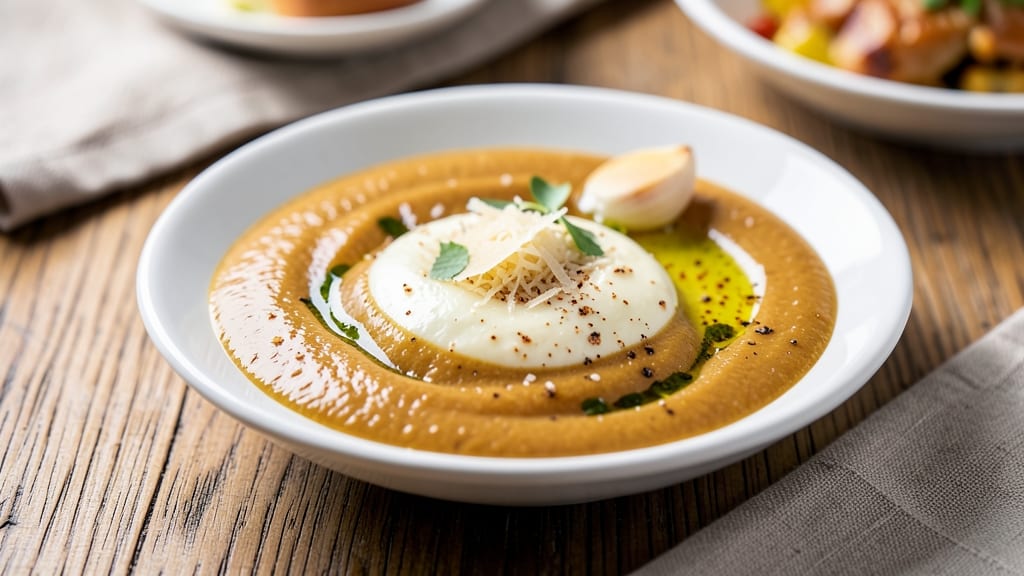
This alfredo sauce recipe for one serving delivers restaurant-quality creaminess without the clumps or mess. The secret lies in precise measurements and a slow, gentle cooking process that transforms simple ingredients into velvety perfection.
No heavy cream? No problem—this method ensures a rich, smooth texture every time, even with lighter alternatives.
What sets this sauce apart is its foolproof technique: melted butter and garlic form the flavor base, while finely grated Parmesan (the key to authentic flavor) emulsifies seamlessly with warm cream.
The result? A creamy, tangy sauce that clings beautifully to pasta, chicken, or vegetables without separating. No whisking required—just patience and attention to temperature.
In just 5 minutes, you’ll have a single serving ready to elevate any dish. The sauce stays luscious when reheated, making it perfect for meal prep or last-minute dinners. Whether you’re serving fettuccine alfredo or drizzling it over grilled fish, this recipe delivers professional results with minimal effort.
For variations, swap heavy cream for coconut milk (vegan) or use gluten-free flour as a thickener. Store leftovers in the fridge for up to 3 days or freeze for longer shelf life. The possibilities are endless—let’s get cooking!
Ingredients for alfredo sauce recipe one serving
Nine essential ingredients transform into velvety perfection—no clumps, no whisking, just restaurant-quality alfredo.
| Ingredient | Amount | Notes |
|---|---|---|
| Unsalted Butter 🧈 | 3 tbsp | Cold, cubed for even melting |
| Garlic Cloves 🧄 | 1 whole | Minced, skin-on for extra flavor |
| Heavy Cream 🥛 | ½ cup | Full-fat for optimal richness |
| Parmesan Cheese 🧀 | ¼ cup | Freshly grated, fine texture |
| All-Purpose Flour 🌾 | 1 tbsp | Lightly toasted for neutral flavor |
| Extra-Virgin Olive Oil 🫒 | 1 tbsp | For finishing, fruity variety |
| Diamond Crystal Kosher Salt 🧂 | ¼ tsp | Fine grain for delicate seasoning |
| Freshly Ground Black Pepper 🌶️ | ⅛ tsp | Freshly cracked for bright flavor |
| Lemon Juice 🍋 | ½ tsp | Brightens the sauce subtly |
The butter and garlic form the flavor foundation—use high-quality unsalted butter like Plugrá or Land O'Lakes for optimal flavor development. Fresh garlic cloves should be firm and vibrant; avoid any with sprouting or soft spots. For Parmesan, grate it yourself from a block—pre-grated contains anti-caking agents that prevent proper emulsification. The heavy cream must be full-fat; light or non-fat versions will never achieve the same luxurious texture. All-Purpose Flour should be lightly toasted in the pan first to neutralize any raw flour taste, which is crucial for maintaining the sauce's delicate flavor profile.
No heavy cream? Full-fat coconut milk works beautifully for a dairy-free version, though the texture will be slightly lighter. Substitute the Parmesan with nutritional yeast for a vegan option, but expect a nuttier flavor profile. If you're avoiding gluten, cornstarch or arrowroot powder can replace the flour at a 1:1 ratio. The lemon juice is optional but brightens the sauce beautifully—skip it if you prefer a more neutral flavor. For extra richness, add a pinch of white pepper alongside the black pepper, as it's traditionally used in Italian cooking. If you're concerned about clumping, ensure all ingredients are at room temperature before combining, which promotes smoother emulsification.
This sauce is best used immediately for peak texture, but it reheats beautifully—gently warm over low heat to prevent curdling. Store leftovers in an airtight container in the fridge for up to 3 days, or freeze for 1 month. To reheat, add a splash of warm water or milk to help break down any separated fat before stirring. For meal prep, portion into ice cube trays and freeze; thaw quickly under warm water for instant sauce additions to dishes. The sauce thickens as it cools, so add a splash of warm water or milk if it becomes too stiff when reheated.
Why You'll Love This Recipe
- No-Fuss Stovetop: I swear by this sauce because it’s actually one bowl—no blender, no strainer, just butter, garlic, and a quick roux. The flour and cream thicken it into that velvety perfection without any fuss, and honestly? It’s the kind of recipe where I can multitask while it simmers.
- Rich Without Guilt: That first bite of creamy, garlicky sauce with real Parmesan? It’s dangerously good, but here’s the thing: one serving means I’m not drowning in leftovers I’ll regret. The heavy cream makes it luscious, but the flour keeps it from being too heavy—like a hug, not a blanket.
- Date Night Ready: Between us, this sauce takes 15 minutes and pairs with everything—fettuccine, chicken, even roasted veggies. I’ve used it for casual dinners and impressing my partner after a long week, and no one’s ever asked, “What is that?” (Yes, even on a Tuesday night.)
- Budget-Friendly Luxury: I buy butter and Parmesan in blocks, and this recipe uses just enough to stretch my grocery budget without breaking it. The flour and garlic are cheap staples, and the heavy cream? A splurge that feels worth it for that restaurant-quality taste. Plus, any leftovers freeze like a dream for lazy mornings.
Step-by-step instructions for ultra-creamy alfredo sauce
Here's the method that guarantees velvety texture and no lumps—every time.
Toast the Flour for Neutral Foundation
Heat a small dry skillet over medium-low heat and add the 1 tablespoon all-purpose flour. Toast for 1-2 minutes, stirring constantly, until it turns a pale golden color and smells nutty. This step removes the raw flour taste and prevents any floury aftertaste in your sauce.
Transfer the toasted flour to a small bowl and set aside. The reason we toast it is that raw flour has a slightly bitter, green note that can overpower delicate sauces like Alfredo. This quick toasting neutralizes it while developing a subtle depth that enhances the cheese and cream flavors later.
Melt Butter and Infuse with Garlic
In a medium saucepan, melt the 3 tablespoons unsalted butter over medium heat until it foams but doesn't brown. Add the 1 whole minced garlic cloves (skin-on) and cook for 30-45 seconds until fragrant but not browned—garlic burns quickly and becomes bitter.
I leave the garlic skin on during this step because it adds subtle floral notes to the sauce. Remove the skins after cooking if you prefer a cleaner flavor, but I find they contribute nicely to the complexity. The butter should be melted but not bubbling vigorously—this prevents the garlic from burning while allowing it to release its aromatic oils.
Whisk in Cream and Simmer Gently
Pour in the ½ cup heavy cream all at once and bring to a gentle simmer over medium-low heat. Stir occasionally with a whisk to prevent any potential scorching at the bottom of the pan. The sauce will thicken slightly as it heats, but we're not looking for a thick consistency yet—just a smooth, creamy base.
Simmer for 3-4 minutes until the mixture reduces by about 10% and small bubbles form along the edges. This reduction concentrates the flavors and creates a richer foundation for the cheese. Don't let it boil vigorously—gentle simmering prevents the cream from curdling and ensures a silky texture.
Incorporate Cheese and Seasonings
Reduce heat to low and gradually whisk in the ¼ cup freshly grated parmesan cheese until fully melted and smooth. Add the toasted flour, ½ teaspoon lemon juice, ¼ teaspoon kosher salt, and ⅛ teaspoon freshly ground black pepper, whisking constantly to prevent any lumps from forming.
The key here is patience—whisk vigorously for 1-2 minutes until the sauce becomes completely smooth and glossy. The lemon juice brightens the richness of the cheese and cream, while the pepper adds a subtle warmth that balances the sauce. If the mixture looks too thick, add 1 tablespoon hot water to reach your desired consistency.
Finish with Olive Oil for Emulsion
Remove the sauce from heat and immediately stir in the 1 tablespoon extra-virgin olive oil. This final step is crucial—it creates an emulsion that prevents the sauce from separating when combined with pasta water later. The olive oil coats the fat molecules, creating a stable, velvety texture that clings beautifully to fettuccine.
Taste and adjust seasoning if needed—sometimes freshly grated parmesan can vary in saltiness. The sauce should be rich, creamy, and perfectly balanced with a touch of brightness from the lemon. Serve immediately over hot pasta, reserving some pasta water to thin the sauce if necessary for the perfect consistency.
Pro Tips For Making Alfredo Sauce Recipe One Serving
- Melt Butter Slowly: I used to rush this step and end up with burnt garlic before the butter even melted properly. Instead, let the butter melt over medium-low heat—it takes about 3 minutes—and only then add the minced garlic. This keeps the flavor rich without turning bitter.
- Use Cold Heavy Cream: Sounds weird, but it works: add the heavy cream cold right after the roux forms. The cold fat in the cream will briefly halt the cooking process, giving you more control over the sauce’s thickness. I learned this after watching my sauce curdle twice from overheating.
- Grind Your Own Parmesan: Pre-shredded cheese has anti-caking agents that make Alfredo sauce grainy and separate. Instead, grate your own Parmesan—just before using it—and sift out any large chunks. The extra effort makes a real difference in texture.
- Whisk Like You Mean It: After burning three batches, I finally figured out that the sauce won’t thicken properly if you’re half-hearted with the whisk. Once the flour and butter form a pale roux, keep the heat low and whisk vigorously for at least 2 minutes—this breaks down the starches and prevents lumps. (Yes, even if you’re impatient like me.)
Storing and reheating this alfredo sauce recipe one serving
Fridge Storage Tips
Store your leftover alfredo sauce in an airtight container—I recommend glass Pyrex with a snap-on lid—to maintain freshness for up to 3 days. Let it cool completely before refrigerating to prevent condensation, which can dilute flavors.
The sauce will thicken slightly in the fridge, so add 1-2 tablespoons warm water or milk when reheating to restore its creamy texture. 🧊
Freezing for Later
For longer storage, freeze portions in ice cube trays—this makes it easy to thaw just what you need. Transfer the cubes to a freezer bag with 1 inch headspace to prevent freezer burn.
This sauce keeps well for 1 month without significant texture changes. When ready to use, thaw in the fridge overnight or quickly under warm water for 30 seconds before adding to dishes.
Reheating Perfectly
Always reheat alfredo sauce gently—never microwave it directly. Instead, warm in a small saucepan over low heat for 3-4 minutes, stirring constantly. If the sauce separates, add 1 tablespoon warm milk or water and whisk until smooth.
For extra richness, stir in ½ teaspoon fresh butter at the end. This method preserves the velvety consistency you worked so hard to achieve. 🔥
Meal Prep Hacks
Prep individual servings in small ramekins for easy grab-and-go meals. Store them in the fridge for up to 3 days or freeze for 1 month. When reheating, cover with a lid and warm for 1-2 minutes on the stovetop—just enough to melt the cheese without breaking the emulsion.
The sauce pairs perfectly with pre-cooked pasta or grilled chicken for quick weeknight dinners.
Reviving Stale Sauce
If your refrigerated sauce has separated, don't toss it! Place the container in a bowl of warm water for 10 minutes to gently reheat. Then, whisk vigorously with 1 tablespoon warm milk until smooth.
The emulsion will reform beautifully. This trick works even with frozen sauce—just add an extra ½ tablespoon milk to help break down any ice crystals that may have formed. 💡
Sauce Consistency Fixes
If your reheated sauce is too thick, thin it with pasta water (the starch helps bind the sauce). For a richer texture, stir in ½ teaspoon fresh butter or 1 teaspoon heavy cream. Conversely, if it's too thin, simmer uncovered for 1-2 minutes to reduce excess liquid.
The goal is a coatable consistency—thick enough to cling but thin enough to drizzle. Adjust gradually to avoid overcorrecting. ✨
Nutrition facts
Frequently asked questions
Why does this recipe use toasted flour instead of raw?
Toasting the flour neutralizes its raw, slightly bitter taste while adding subtle depth to the sauce. This step prevents any floury aftertaste that can ruin the delicate balance of cream and cheese. The nutty aroma from toasting also enhances the overall flavor profile.
Can I make this sauce without heavy cream?
Yes! For a lighter version, use ½ cup full-fat coconut milk (unsweetened) or ½ cup Greek yogurt mixed with 2 tablespoons milk. The texture will be slightly thinner but still creamy. For a vegan option, replace the Parmesan with ¼ cup nutritional yeast and add 1 teaspoon lemon juice for brightness.
What's the best way to prevent lumps in the sauce?
Whisk constantly when adding the cheese and flour, and keep heat on low during the process. The olive oil at the end creates an emulsion that stabilizes the sauce. If lumps form, strain through a fine-mesh sieve or blend briefly with an immersion blender. Patience is key—don't rush the whisking!
How do I adjust the consistency if it's too thick or thin?
For a thicker sauce, simmer uncovered for 1-2 minutes to reduce excess liquid. If too thin, stir in 1 tablespoon toasted flour or ½ teaspoon cornstarch mixed with water. For a richer texture, add ½ teaspoon fresh butter. The goal is a coatable consistency—thick enough to cling but thin enough to drizzle.
Can I use pre-grated Parmesan cheese?
Pre-grated cheese contains anti-caking agents that can prevent proper emulsification, leading to a grainy texture. For the best results, grate your own Parmesan using a fine grater or microplane. If you must use pre-grated, strain it through a fine-mesh sieve first to remove any additives.