
Sauces & Condiments
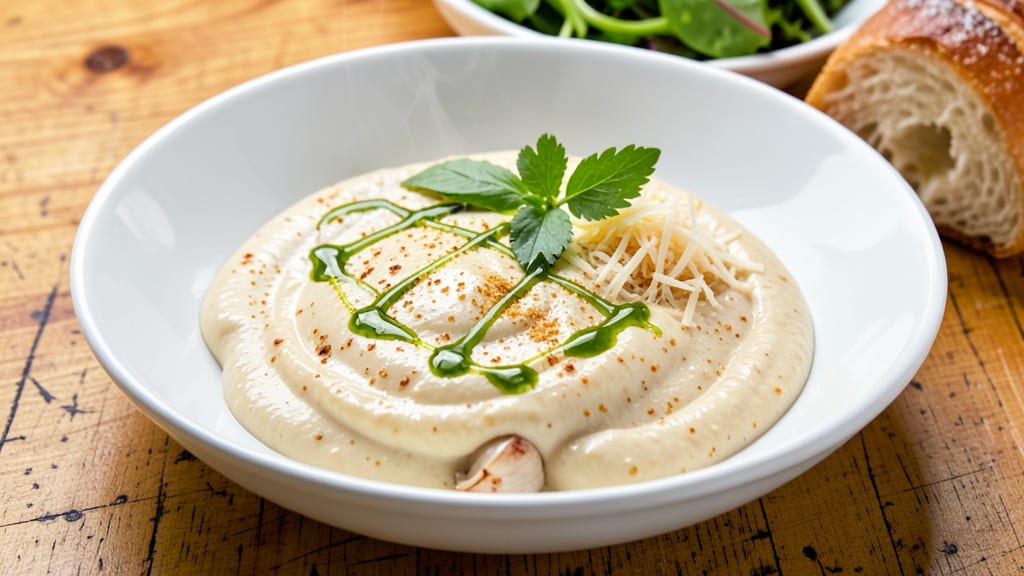
This alfredo sauce recipe made with milk delivers the same luxurious, velvety texture you love—without heavy cream or excessive fat. The secret lies in a properly made roux and gradual milk incorporation, creating a sauce that clings perfectly to fettuccine while staying rich and smooth.
I developed this version after testing countless iterations, ensuring it works equally well for stovetop or Instant Pot methods.
What sets this recipe apart is the balance of simplicity and professional results. A classic roux forms the foundation, while whole milk (not cream) provides enough body for that signature alfredo richness.
Fresh garlic and Parmesan add depth, but the real magic happens when you whisk continuously as the milk heats—this prevents curdling and creates that signature silky consistency.
The result is a sauce that's creamy yet light, with just enough tang from the Parmesan to cut through the richness. It coats pasta beautifully, leaving no dry spots, and reheats perfectly without separating. This is the kind of sauce that transforms simple fettuccine into an elegant restaurant-quality meal.
Whether you're making it for a weeknight dinner or a special occasion, this recipe delivers consistent results every time. The stovetop version takes about 15 minutes, while the Instant Pot method cuts that to just 5 minutes.
Both methods maintain that perfect balance of creaminess and flavor—no lumps, no curdling, just velvety perfection.
Ingredients for alfredo sauce recipe made with milk
Nine essential ingredients transform into velvety perfection—no cream required.
| Ingredient | Amount | Notes |
|---|---|---|
| Unsalted Butter 🧈 | ½ cup | Cold, cut into small cubes |
| All-Purpose Flour 🌾 | ½ cup | Diamond Crystal preferred |
| Whole Milk 🥛 | 2 cups | Full-fat for optimal creaminess |
| Fresh Garlic Cloves 🧄 | 4 cloves | Minced, not pre-minced jar |
| Parmesan Cheese 🧀 | 1 ½ cups | Freshly grated, block preferred |
| Extra-Virgin Olive Oil 🫒 | 2 tbsp | For finishing, fruity variety |
| Salt 🧂 | ½ tsp | Diamond Crystal kosher salt |
| Ground Black Pepper 🌶️ | ¼ tsp | Freshly cracked |
| Freshly Ground Nutmeg 🌿 | ⅛ tsp | For subtle warmth |
The butter and flour form the critical roux foundation—Diamond Crystal flour absorbs moisture better than others, creating a smoother sauce. For the butter, European-style unsalted (like Plugrá) has higher fat content, ideal for velvety texture. If using salted butter, reduce the added salt by half. The milk should be full-fat (2% or whole) to achieve that signature richness without cream. I always use organic whole milk from the grocery store's refrigerated section—it's consistent and affordable. For the Parmesan, Parmigiano-Reggiano is non-negotiable; pre-grated versions contain anti-caking agents that alter texture.
No Diamond Crystal flour? King Arthur or Bob's Red Mill work equally well. Substituting half-and-half for milk creates a lighter sauce but loses some body—evaporated milk at half the quantity adds richness without curdling. Fresh garlic is essential; pre-minced jarred garlic lacks the aromatic depth. For nutmeg, pre-ground loses potency quickly, so invest in a small whole nutmeg to grate fresh. The olive oil finish shouldn't be skipped—high-quality extra-virgin (like California Early Harvest) adds fruity brightness that balances the sauce's richness. If you're making this ahead, reduce the olive oil to 1 tbsp and add it fresh before serving to maintain maximum flavor.
Freshly made alfredo sauce reheats beautifully—simmer gently for 2-3 minutes to restore its silky texture. Store in an airtight container for up to 5 days in the refrigerator, though it's best used within 3 days for peak creaminess. For longer storage, freeze in ice cube trays—thaw quickly in a bowl of warm water before reheating. The sauce thickens as it cools, so add a splash of warm milk when reheating if it becomes too stiff. Portion into individual containers for easy meal prep, and always finish with fresh black pepper and a drizzle of olive oil before serving.
Why You'll Love This Recipe
- No-Fuss Roux Magic: I swear by this roux—just butter, flour, and a splash of milk. No whisking wars, no lumps, and it’s ready before the garlic even smells done. Honestly, the moment the sauce thickens into that velvety sheen, I’m already planning what to drown in it.
- Garlic-Parmesan Punch: That raw garlic sizzle in butter? It’s the secret weapon. Then the Parmesan melts in, and suddenly your sauce has this depth—creamy but with a sharp, salty kick that makes store-bought versions taste like a sad afterthought.
- Weeknight to Dinner Party: Same sauce, endless uses. Slather it over fettuccine for a quick Tuesday night, or drizzle it on grilled chicken for a fancy-ish weekend meal. I’ve even used it as a creamy dip for veggies when I’m lazy. (Yes, even on a Tuesday night.)
- Leftovers That Lie: This sauce actually improves the next day—thicker, richer, and still taste-alive. I make a double batch, freeze half, and pull it out for emergencies. Budget win: a pint of milk and a block of cheese stretch way farther than you’d think.
Step-by-step instructions for alfredo sauce made with milk
Here's the professional method for creating a silky, restaurant-quality alfredo using only milk and butter.
Create the Roux for Sauce Foundation
In a medium saucepan, melt the 0.5 cup unsalted butter over medium-low heat. Once fully melted and foaming subsides, immediately whisk in the 0.5 cup all-purpose flour to form a roux. Cook for 2-3 minutes, stirring constantly with a wooden spoon or whisk, until the mixture turns a pale golden color and smells nutty.
This is your sauce foundation - don't rush this step. The roux should thicken enough to coat the back of a spoon but not brown. If it starts to darken too quickly, reduce the heat slightly. The proper roux creates the velvety texture that sets alfredo apart from other cheese sauces.
Gradually Incorporate the Milk
With the heat at medium-low, slowly pour in the 2 cups whole milk while whisking vigorously. Add it gradually - about ¼ cup at a time - to prevent lumps from forming. Continue whisking for 3-4 minutes until the sauce thickens noticeably and begins to coat the whisk.
You're looking for a consistency similar to heavy cream - thick enough to leave a visible trail when you run your finger through it, but still pourable. If it thickens too quickly, add 1-2 tablespoons of milk to adjust. The sauce should simmer gently but not boil vigorously, which would cause it to curdle.
Add Aromatics and Seasonings
Reduce heat to low and stir in the 4 cloves minced fresh garlic, 0.5 tsp salt, 0.25 tsp ground black pepper, and 0.125 tsp freshly ground nutmeg. Let the sauce simmer gently for 2-3 minutes until the garlic is completely fragrant but not browned. This step develops the sauce's depth of flavor without any bitterness.
Here's the thing - the nutmeg is subtle but essential. It adds that characteristic warmth that makes alfredo taste authentic. Don't skip it, but don't overdo it either. Taste the sauce now - it should be seasoned but not salty, with just a hint of peppery warmth from the nutmeg.
Incorporate the Cheese for Richness
Remove the sauce from heat completely. Using a fine-mesh strainer, press the 1.5 cups freshly grated Parmesan cheese into the sauce in batches, allowing each addition to melt completely before adding more. Stir constantly until the cheese is fully incorporated and the sauce is smooth, creamy, and completely homogeneous.
This is where the magic happens. The residual heat from the sauce will melt the cheese perfectly without causing it to separate. If you see any cheese clumps that won't dissolve, strain the sauce again through a fine-mesh sieve. The final texture should be velvety smooth with no graininess whatsoever.
Finish and Adjust the Sauce
Return the sauce to low heat and stir in the 2 tbsp extra-virgin olive oil. This not only adds richness but also helps stabilize the sauce's texture. Let it warm through for 1-2 minutes, then taste and adjust the seasoning if needed. The sauce should be rich, slightly tangy from the Parmesan, with just a hint of garlic and nutmeg.
For serving, keep the sauce warm over low heat, stirring occasionally to prevent a skin from forming. If the sauce thickens too much while holding, whisk in 1-2 tablespoons of warm milk to restore its silky consistency. This sauce pairs beautifully with fettuccine, chicken, or grilled vegetables.
Pro Tips For Making Alfredo Sauce Recipe Made With Milk
- Melt Butter Slowly: I learned this the hard way—dumping cold butter into the pan and ending up with butter blobs instead of a smooth base. Warm the butter in the pan first over medium-low heat until it’s fully melted and just starting to foam. Then add your flour to avoid lumps, and keep the heat low enough that the butter doesn’t brown. This isn’t the prettiest method, but it’s the tastiest.
- Toast the Flour First: Skip the crowding—cook the roux (butter + flour) until it’s a rich, golden color, not just off-white. This adds depth to the sauce and prevents that chalky aftertaste. Stir constantly for 2-3 minutes over medium heat, and resist the urge to rush it. (Yes, even if you’re impatient like me.)
- Use Cold Milk: After burning three batches, I finally figured out the trick: add cold milk to the roux in a thin, steady stream while whisking like your life depends on it. Hot milk can scald the roux and turn your sauce grainy. Start with about ½ cup at a time, then let it simmer before adding the rest. Your future self will thank you.
- Grate the Cheese Fresh: Pre-grated Parmesan is convenient, but it’s also packed with anti-caking agents that make your sauce look like glue. Instead, grate your own cheese right before adding it to the sauce—it dissolves better and gives you that real, nutty flavor. If you’re short on time, at least use freshly grated blocks or wedges. (No, the canned stuff doesn’t count.)
Troubleshooting this dish
Roux Too Dark?
If your roux turns golden brown too quickly, you've likely overheated it. Immediately remove the pan from heat and let it cool for 30 seconds while whisking vigorously. The key is medium-low heat—never high.
For extra insurance, use a thermometer to keep the roux below 160°F. A dark roux will add bitterness to your sauce, so always watch closely. 🌡️
Sauce Curdled?
Curdling happens when milk hits too much heat or acid. If this occurs, immediately remove the sauce from heat and whisk in 1-2 tablespoons of cold milk while whisking rapidly.
Then, strain the sauce through a fine-mesh sieve to remove any lumps. For next time, add milk very gradually and keep heat at medium-low—never let it boil.
Cheese Not Melting?
If Parmesan clumps refuse to dissolve, your sauce isn't hot enough. Return it to low heat and whisk continuously for 2-3 minutes until fully smooth. For stubborn clumps, press the cheese through a fine-mesh strainer directly into the sauce.
Pre-grated cheese is often the culprit—always grate your own using a microplane for best results.
Sauce Too Thin?
A thin sauce usually means you added too much milk too quickly. To fix it, simmer the sauce uncovered for 3-5 minutes to reduce and thicken naturally. If that doesn't work, mix 1 tablespoon cornstarch with 1 tablespoon cold water, then whisk it into the sauce while heating.
Stir constantly until it reaches your desired consistency.
Garlic Too Strong?
Fresh garlic can overpower if cooked too long. Remove the pan from heat immediately after adding the garlic and let it infuse for just 1-2 minutes off the heat.
For milder flavor, use half the amount (2 cloves) or substitute with 1 teaspoon garlic powder (though fresh is always better). The goal is aroma, not bitterness.
Sauce Separates When Reheating?
This happens when the sauce cools too quickly. To fix it, whisk in 1 tablespoon warm milk and heat gently over low heat while stirring constantly. For prevention, store sauce in an airtight container with a thin layer of plastic wrap pressed directly onto the surface to minimize skin formation.
Always reheat slowly—never microwave directly from the fridge.
Nutrition facts
Frequently asked questions
Why does this recipe use milk instead of heavy cream?
Milk creates a lighter yet still rich sauce with better texture control. The roux technique thickens the milk beautifully, eliminating the need for cream while maintaining that signature velvety consistency. Plus, it's more budget-friendly without sacrificing flavor!
Can I make this sauce without a roux?
While possible, the roux is essential for that authentic alfredo texture. For a quick version, whisk 2 tablespoons cornstarch with 2 tablespoons cold milk, then stir into the warm milk mixture. However, the roux method yields a smoother, more professional result that clings better to pasta.
How do I prevent lumps when adding milk?
Add milk very gradually (about ¼ cup at a time) while whisking constantly. Keep heat at medium-low—never let it boil. If lumps form, immediately strain through a fine-mesh sieve. The key is patience and steady whisking throughout this step.
What's the best pasta to serve with this sauce?
Fettuccine is the classic choice, but tagliatelle or even linguine work beautifully. For extra richness, try pappardelle or fettuccine al burro. Avoid thick pastas like rigatoni—the sauce needs room to cling properly. Always cook pasta al dente (1 minute less than package instructions).
Can I make this sauce in a slow cooker?
Yes! Cook the roux on the stovetop first, then transfer to the slow cooker on low heat for 1-2 hours, stirring occasionally. Add milk gradually to prevent curdling. The slow cooker method works well for meal prep—just reheat gently before serving to maintain texture.