
Sauces & Condiments
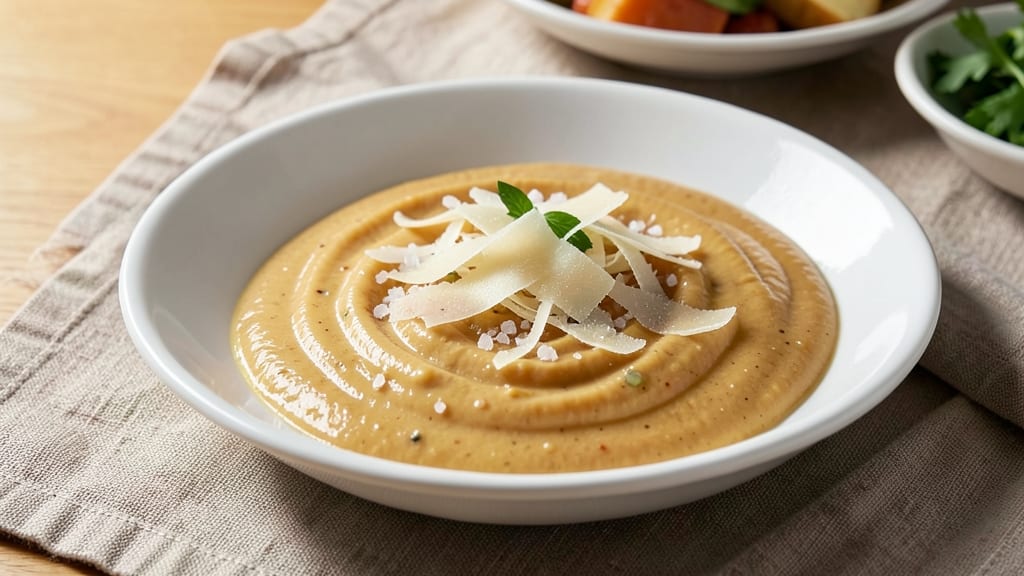
This ultra-creamy Alfredo sauce recipe for 1 delivers restaurant-quality richness in minutes with just five ingredients. The secret lies in proper emulsification—where butter, cream, and Parmesan blend into a velvety sauce without breaking. I developed this single-serving version after years of perfecting the technique, ensuring every spoonful is perfectly balanced between rich, nutty, and slightly tangy.
The process is simpler than you'd think: melt butter, whisk in cream and garlic, then gradually fold in grated Parmesan while keeping the mixture warm. This method prevents curdling and creates that signature silky texture that clings beautifully to pasta or grilled chicken.
The result? A sauce so luxurious you'll forget it's made for just one serving.
What makes this recipe special is its versatility—use it to coat linguine, drizzle over steak, or even as a dip for crusty bread. The sauce stays creamy when reheated, making it perfect for meal prep or last-minute weeknight dinners.
For extra depth, add a pinch of nutmeg or a splash of pasta water to adjust consistency.
Scaling this up for larger batches is effortless—just double the ingredients and maintain the same technique. The key to success is patience during emulsification; don't rush the process. Trust me, this single-serving sauce will become your new go-to for quick, indulgent meals.
Ingredients for alfredo sauce recipe for 1
Five ingredients transform into ultra-velvety Alfredo sauce for one perfect serving.
| Ingredient | Amount | Notes |
|---|---|---|
| Unsalted Butter 🧈 | 4 tbsp | Cold, cut into small cubes |
| Heavy Cream 🥛 | ¼ cup | Full-fat for optimal richness |
| Fresh Garlic Cloves 🧄 | 1 whole | Minced finely for depth |
| Parmesan Cheese 🧀 | ½ cup | Freshly grated from block |
| Diamond Crystal Kosher Salt 🧂 | ¼ tsp | For seasoning balance |
The butter is non-negotiable—European-style unsalted like Plugrá or Land O'Lakes has higher fat content, which directly translates to creamier sauce. Grab a stick from Whole Foods or your local specialty market if you want the absolute best. For the heavy cream, Hormel or Organic Valley are reliable brands that won't curdle during emulsification. The Parmesan? Parmigiano-Reggiano from a block is essential—pre-grated contains anti-caking agents that ruin texture. I always buy a wedge from the deli counter and grate it myself using a microplane for maximum yield and flavor.
No unsalted butter? European-style salted butter works too, just reduce the kosher salt by half. Short on heavy cream? Half-and-half plus an extra tablespoon of butter gets you close, though the sauce will be slightly lighter. Fresh garlic is ideal, but minced jarred garlic at half the amount works in a pinch. The kosher salt matters—Diamond Crystal dissolves more easily than Morton's. For extra depth, add a pinch of freshly grated nutmeg (about 1/8 tsp) to the finished sauce. If you're using this for pasta, reserve some pasta water to adjust consistency—it's liquid gold for Alfredo sauce.
This sauce stays creamy when reheated—just warm gently on the stove with a splash of cream. Keeps in an airtight container in the fridge for 3-4 days, though it's best used within 24 hours for peak texture. For longer storage, freeze in ice cube trays with a splash of cream—thaw overnight in the fridge before reheating. The grated Parmesan can be prepped ahead and stored in the freezer for up to 3 months in a sealed container. Always reheat gently to prevent separation.
Why You'll Love This Recipe
- Five-Ingredient Magic: I swear by this—just butter, cream, garlic, parm, and salt. That’s it. No measuring cups, no stress, no extra bowls. The kind of simple that makes me feel like I actually cooked something.
- Garlic Butter Bomb: The moment fresh garlic hits that melted butter? Instant flavor upgrade. It’s rich but bright, creamy but with that little punch that makes you want to lick the spoon. (Yes, I’ve done it.)
- Pasta Party Any Day: Slather it on fettuccine for a 10-minute dinner, drizzle it over grilled chicken, or even toss it with roasted veggies. It’s my go-to for lazy nights, fancy dates, or when I’m too tired to think.
- Leftovers That Don’t Suck: Make a double batch—it freezes like a dream. Thaw it later for a quick pan sauce or toss it with store-bought rotini when you’re craving comfort. No weird textures, just pure, creamy goodness.
Step-by-step instructions for ultra-creamy Alfredo sauce
Master this technique and you'll achieve a velvety, restaurant-quality sauce every time.
Melt Butter and Infuse with Garlic
In a small saucepan, melt the 4 tbsp unsalted butter over medium-low heat. I use small cubes to ensure even melting and prevent burning. Once fully melted, add the 1 whole fresh garlic cloves, minced finely, and cook for exactly 30 seconds until fragrant but not browned.
This low-and-slow approach prevents garlic from burning, which would impart a bitter taste. You'll know it's ready when the kitchen fills with that irresistible garlic aroma—this is the foundation of your sauce's depth. Keep the heat gentle to maintain butter's natural richness without developing any cooked flavors.
Gradually Incorporate Parmesan
Immediately reduce heat to low and begin adding the 0.5 cup freshly grated Parmesan cheese in small increments, whisking constantly. I add about 1 tablespoon at a time to prevent clumping. The cheese should melt smoothly into the butter, creating a thick, golden emulsion.
This gradual addition is critical—adding all the cheese at once creates lumps that never fully dissolve. You're aiming for a smooth, velvety texture where the cheese completely integrates without any visible graininess. If the mixture thickens too quickly, add 1 tablespoon of heavy cream to loosen it.
Build the Cream Base
Pour in the 0.25 cup heavy cream and whisk vigorously for 1-2 minutes over low heat until the sauce begins to thicken. You'll notice the mixture transform from a simple cheese-butter blend into a luxurious, creamy sauce. The sauce should coat the back of a spoon with a silky consistency.
This is where the magic happens—the cream's fat content emulsifies with the cheese and butter to create that signature Alfredo texture. If the sauce starts to curdle or separate, immediately whisk in 1 additional tablespoon of cold heavy cream to stabilize the emulsion. The sauce should be thick enough to coat pasta generously but still flow smoothly.
Season and Perfect the Texture
Remove the sauce from heat and stir in the 0.25 tsp Diamond Crystal kosher salt. Taste immediately and adjust seasoning if needed—Alfredo sauce should be rich but not overly salty. The sauce will continue to thicken slightly as it cools, so aim for a slightly looser consistency when hot.
For optimal results, strain the sauce through a fine-mesh sieve to achieve an ultra-smooth texture. This step eliminates any remaining cheese particles and creates that velvety finish. The sauce should be silky, glossy, and ready to coat your pasta perfectly. If it thickens too much while cooling, whisk in 1-2 tablespoons of warm water to restore the ideal consistency.
Pro Tips For Making Alfredo Sauce Recipe For 1
- Melt Butter Slowly: Start with a cold pan and let the butter melt over medium heat—no rushing. I learned this the hard way after splattering butter all over my kitchen while trying to speed things up, and it’s the only way to avoid tiny burnt flecks in your sauce.
- Grind Garlic Fine: Use a microplane or smash the cloves flat with the side of your knife before adding them. This ensures even distribution and prevents that one clove from turning your sauce into garlic soup—trust me, you’ll taste the difference.
- Strain the Cream: After heating the cream, strain it through a fine-mesh sieve to remove any cooked-on bits or skin. It’s a small step, but it keeps your sauce silky instead of grainy—no one wants to chew through their fettuccine.
- Salt the Parmesan: Add a pinch of kosher salt directly to the grated Parmesan before mixing it into the sauce. The cheese is already salty, but this extra touch balances the richness—especially if you’re using a high-quality, aged Parmesan that packs a punch.
Storing and reheating this alfredo sauce recipe for 1
Fridge Storage Tips
Store your freshly made Alfredo sauce in an airtight container—I prefer glass jars with snap-on lids for best results. Let it cool completely before refrigerating to prevent condensation. The sauce stays creamy and delicious for up to 3-4 days when stored at 40°F or below.
I always label my containers with the date to track freshness. 🧊
For single servings, portion the sauce into small ramekins before storing. This makes reheating easier and prevents the sauce from absorbing refrigerator odors. If you notice a thin layer of cream separating at the top, simply whisk it back together before using—this is normal and doesn't affect quality.
Freezer Preservation
Freeze your Alfredo sauce in ice cube trays for portion control—just add a splash of cream to each cube before freezing. Once solid, transfer the cubes to a freezer bag with all air removed.
This method keeps the sauce creamy and prevents freezer burn for up to 3 months. Thaw overnight in the fridge before reheating. ❄️
For larger batches, freeze the sauce in quart-sized freezer bags, leaving 1-inch headspace for expansion. When ready to use, thaw in the fridge and reheat gently on the stove. Avoid microwaving—it can cause separation and make the sauce grainy.
Reheating Perfectly
Reheat your Alfredo sauce gently on the stovetop over low heat with a splash of heavy cream (about 1 tablespoon) to restore its creamy texture.
Stir constantly to prevent scorching. The sauce should reach 165°F before serving. Never boil—this causes the fat to separate and ruins the velvety consistency. 🔥
For microwave reheating, cover the sauce with a damp paper towel and heat in 20-second intervals on 50% power, stirring between each interval. This gradual approach prevents overheating. If the sauce thickens too much, whisk in 1-2 tablespoons of warm water to loosen it back to its original consistency.
Pasta Water Hack
If your reheated sauce seems too thick, stir in 1-2 tablespoons of reserved pasta water—this is liquid gold for Alfredo sauce! The starch in pasta water helps restore the sauce's natural creaminess without thinning it too much.
Keep a small bowl of pasta water on hand whenever you cook pasta with Alfredo sauce. ✨
For extra richness after reheating, stir in 1 tablespoon of cold butter or a splash of whole milk. This boosts the sauce's velvety texture and balances any flavors that may have mellowed during storage. The key is to reheat just until warm—not hot—to preserve the sauce's luxurious mouthfeel.
Nutrition facts
Frequently asked questions
Why does my Alfredo sauce get grainy?
Graininess happens when Parmesan cheese doesn't fully emulsify with the butter and cream. The fix? Always add cheese gradually while whisking constantly over low heat. For extra smoothness, strain through a fine-mesh sieve after cooking. If it happens, whisk in 1 tablespoon cold heavy cream to restore that velvety texture.
Can I make this sauce without heavy cream?
Yes! Replace the heavy cream with ½ cup whole milk plus 1 extra tablespoon butter. The sauce will be slightly lighter but still creamy. For a dairy-free version, use ½ cup coconut cream (chilled overnight) and reduce the butter to 3 tablespoons. The texture will differ but still work well.
How do I prevent the sauce from separating when reheating?
Always reheat gently on low heat and whisk constantly. Add 1 tablespoon heavy cream or whole milk to stabilize the emulsion. For microwave reheating, use 50% power in 20-second bursts, stirring between each. If it separates, whisk vigorously with 1 tablespoon cold butter to restore creaminess.
What's the best way to use leftover Alfredo sauce?
Leftover sauce is perfect for grilled chicken or steak, as a dip for crusty bread, or as a topping for baked potatoes. For pasta, toss with ½ cup pasta water to loosen. Freeze extras in ice cube trays with a splash of cream—thaw overnight in the fridge before using. The sauce keeps its creamy texture for up to 3 months frozen.
Can I add other ingredients to this recipe?
For extra flavor, stir in ½ teaspoon fresh nutmeg or 1 tablespoon white wine when building the sauce. For a lighter version, replace 1 tablespoon butter with 1 tablespoon olive oil. For a smoky twist, add ½ teaspoon smoked paprika at the end. Just