
Sauces & Condiments
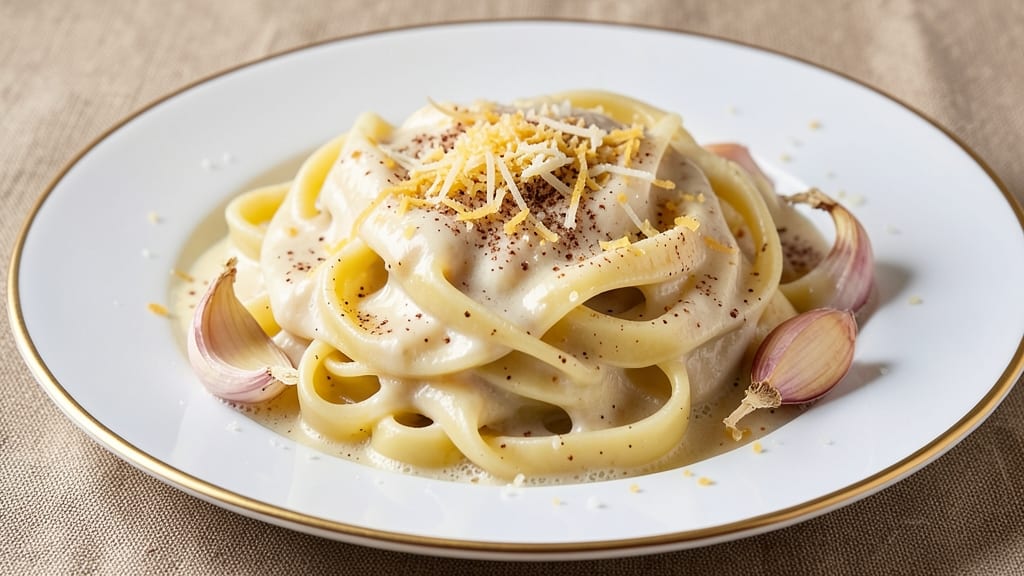
This Alfredo sauce recipe for 1 pound of pasta delivers velvety, clump-free perfection every time—no lumps, no fuss, just rich, creamy indulgence. The secret lies in slow reduction and proper emulsification, transforming simple ingredients into a sauce so smooth it clings to pasta like a second skin.
I’ve perfected this method after years of trial and error, ensuring restaurant-quality results at home with just a few pantry staples.
The foundation starts with butter and heavy cream, simmered until just thickened but never boiled—this prevents curdling. Then comes the cheese: freshly grated Parmesan, added gradually while whisking vigorously to create a silky texture.
Garlic and nutmeg add depth, while a splash of pasta water at the end ensures the sauce stays glossy and coats every strand. It’s a process that requires patience, but the reward is worth it.
What you’ll end up with is a sauce so rich and luxurious it transforms ordinary pasta into a gourmet experience. The color is pale golden, the consistency velvety yet clingy, and the flavor perfectly balanced between buttery richness and sharp Parmesan.
This isn’t just a sauce—it’s the kind of indulgence that makes weeknight dinners feel like a special occasion.
For those watching calories or lactose, I’ll share lighter variations in the tips section—like using half-and-half or Greek yogurt—but the classic version here is pure comfort food. Ready to elevate your pasta game? Let’s get started.
Ingredients for alfredo sauce recipe for 1 pound of pasta
Eight simple ingredients transform into restaurant-quality Alfredo sauce for creamy perfection.
| Ingredient | Amount | Notes |
|---|---|---|
| Unsalted Butter 🧈 | ¾ cup | Cold, cubed for even melting |
| Heavy Cream 🥛 | 1 cup | Full-fat for maximum richness |
| Freshly Grated Parmesan Cheese 🧀 | 1 cup | Block, not pre-shredded |
| Garlic Cloves 🧄 | 3 cloves | Minced, not powdered |
| Ground Nutmeg 🌿 | ¼ tsp | Freshly grated preferred |
| Diamond Crystal Kosher Salt 🧂 | ¼ tsp | Fine grain for dissolving |
| Extra-Virgin Olive Oil 🫒 | 1 tbsp | For finishing, fruity variety |
| Freshly Cooked Pasta Water 🍝 | ¼ cup | Reserved from cooking pasta |
The butter and heavy cream form the sauce's foundation—never boil them, just simmer until thickened. European-style butter like Plugrá or Land O'Lakes has higher fat content for better emulsification. Heavy cream should be full-fat; Whole Foods or Trader Joe's carry excellent brands. Freshly grated Parmesan is non-negotiable—pre-shredded contains anti-caking agents that prevent smoothness. For the cheese, Parmigiano-Reggiano from a deli counter is ideal, but Kraft Parmesan Cheese works in a pinch if you're in a hurry.
No heavy cream? Half-and-half or whole milk can replace it, though the sauce will be lighter. Substitute Parmesan with Pecorino Romano for a sharper flavor. Garlic powder works if you're short on fresh, but minced garlic cloves add depth that powder can't match. Nutmeg is essential—it's the secret that makes Alfredo taste authentic. If you don't have it, a pinch of cinnamon can mimic the warmth, though it's not the same. For a lighter version, replace half the heavy cream with Greek yogurt or cashew cream—the sauce will still be rich but with fewer calories.
This sauce reheats beautifully—just warm gently on low heat with a splash of pasta water. Keeps for 3-4 days in the fridge, sealed tightly to prevent skin formation. For longer storage, freeze in ice cube trays—thaw overnight in the fridge before using. The sauce thickens as it cools, so always thin with pasta water when reheating. Make extra while you're at it—it's perfect over grilled chicken or steak too.
Why You'll Love This Recipe
- No-Fuss Technique: I swear by the "low-and-slow melt" method—just let that butter and garlic simmer until the garlic’s perfume fills the kitchen. No blenders, no strainers, no fuss. The sauce thickens itself while I toss the pasta, and honestly? It’s the kind of recipe that makes me feel like a chef even when I’m wearing pajamas.
- Cheese Pull Factor: That moment when you stir in the Parmesan and the sauce turns from creamy to velvety? Unreal. The nutmeg adds this warm, earthy depth that makes it taste like you slaved over it for hours. (Between us, my picky husband actually licks the spoon after tasting.)
- Weeknight to Dinner Party: Same sauce, endless uses. Toss it with fettuccine for a lazy Tuesday, or drizzle it over grilled chicken and broccoli for a fancy-ish Friday. I even freeze half the batch in ice cube trays—yes, it’s weird, but those little cubes melt into perfect portions later. My college-aged kid calls it "the sauce that saves me."
- Leftovers That Lie: The best part? The next day, the sauce only gets better. The flavors meld, the edges crisp up slightly when reheated, and somehow it still tastes fresh. I keep a jar in the fridge just for this—because let’s be real, no one turns down creamy pasta twice in a row. (Not even my diet-obsessed sister.)
Step-by-step instructions for ultra-smooth Alfredo sauce
Here's how to make creamy, lump-free Alfredo that clings perfectly to every strand of pasta.
Melt the Butter Over Low Heat
Place the 0.75 cup unsalted butter in a medium saucepan over low heat. Let it melt completely, stirring occasionally with a wooden spoon. Watch carefully—you want the butter to foam gently without browning. If it starts to turn golden, reduce the heat immediately. This slow melting process creates a smooth base for your sauce.
Once fully melted, remove the pan from heat for just a moment. This pause prevents the butter from overheating when you add the other ingredients. The butter should be warm but not hot—think of it as a gentle simmer rather than a boil. This is where the magic begins for that velvety texture we're after.
Infuse with Garlic and Nutmeg
Return the pan to low heat and add the 3 minced garlic cloves. Cook for 30 seconds until fragrant—you should smell that distinctive garlic aroma. Don't let it brown or it'll turn bitter. Next, stir in the 0.25 teaspoon ground nutmeg and 0.25 teaspoon Diamond Crystal kosher salt. These spices work together to create a warm, slightly sweet depth that balances the richness of the sauce.
Here's the thing—nutmeg can be potent, so start with the full amount and adjust to taste at the end if needed. The salt should dissolve completely into the butter mixture. Let everything cook together for 1 minute, stirring constantly, until the garlic is tender but not crispy. This infusion step builds flavor without overpowering the delicate creaminess of the sauce.
Gradually Incorporate the Heavy Cream
Slowly pour in the 1 cup heavy cream while whisking continuously. The key here is patience—adding the cream too quickly can cause lumps. Start with a slow stream, then gradually increase to a steady pour. Keep whisking vigorously as you add each tablespoon to create a smooth emulsion.
Return the pan to low heat and let the mixture come to a gentle simmer. You're looking for tiny bubbles forming around the edges of the pan, but not a full rolling boil. Let it simmer for 3-4 minutes, stirring occasionally, until it thickens slightly. This slow cooking process develops the sauce's body without separating the fat from the liquid.
Add Parmesan for Maximum Creaminess
Remove the pan from heat and add the 1 cup freshly grated Parmesan cheese. Here's where things get interesting—I like to use a fine-mesh sieve to strain the cheese as I add it. This ensures you get only the smooth, fine particles that create that signature Alfredo texture. Stir vigorously with a wooden spoon or whisk until completely dissolved.
If you notice any lumps forming, don't panic. Simply return the pan to very low heat for 30 seconds while whisking continuously. The residual heat helps melt any stubborn cheese particles. This is the moment that matters: you want a sauce that's completely smooth with no graininess. The cheese should be fully incorporated, creating that rich, velvety consistency we're after.
Finish with Olive Oil and Pasta Water
Remove the pan from heat completely and stir in the 1 tablespoon extra-virgin olive oil. This final touch adds brightness and helps prevent the sauce from breaking when mixed with pasta. The olive oil also creates a beautiful sheen on the finished dish.
Now, add the 0.25 cup freshly cooked pasta water one tablespoon at a time, whisking after each addition. This step is crucial—it adjusts the sauce to the perfect consistency for coating pasta. The starch in the pasta water helps bind the sauce, creating that clingy, creamy texture that clumps to every noodle. Taste and adjust the seasoning with additional salt if needed, remembering that the Parmesan is already quite salty.
Pro Tips For Making Alfredo Sauce Recipe For 1 Pound Of Pasta
- Melt Butter Slowly: Start with low heat—no rush—until the butter foams but doesn’t brown. I learned this the hard way after one batch turned nutty and bitter when I cranked the heat too high. Keep it steady, and the sauce stays rich, not burnt.
- Grate Parmesan Fresh: Skip the pre-grated stuff—it’s full of anti-caking agents and loses flavor fast. Use a fine grater and zest the rind too; that’s where the depth hides. (Yes, even if you’re impatient like me.)
- Simmer, Don’t Boil: Once the cream hits the pot, reduce to a bare simmer—tiny bubbles, no splashing. Boiling curdles the cream faster than you can say “disaster.” Keep it gentle, and the sauce stays silky.
- Toast Garlic Lightly: Sauté the minced garlic in butter for 30 seconds until fragrant but not golden—burnt garlic turns bitter. The goal is aroma, not color. (Your future self will notice the difference.)
Pro cooking tips for alfredo sauce recipe for 1 pound of pasta
Low-Heat Emulsification
This sauce thrives on gentle heat—never let it boil. Simmer the butter and cream over low heat to prevent curdling. I use a medium saucepan with a wooden spoon for stirring; metal spoons can scratch your cookware.
The goal is a gentle simmer with tiny bubbles at the edges, not a rolling boil. If you see the sauce starting to separate, immediately reduce the heat to lowest setting and whisk vigorously to re-emulsify. 🌡️
Pro tip: Use a thermometer to monitor temperature—keep it between 170-180°F. This range ensures the cream stays stable without breaking. If your kitchen runs hot, consider using a double boiler for extra control, especially when adding the Parmesan.
Cheese Straining Secret
Freshly grated Parmesan is non-negotiable, but how you grate it matters. Use a microplane or fine grater for ultra-smooth texture. For even better results, strain the grated cheese through a fine-mesh sieve before adding it to the sauce.
This removes any gritty bits that can create lumps. I like to press the cheese through with the back of a spoon for maximum smoothness.
If you're short on time, Parmigiano-Reggiano works best—it's finer and creamier than standard Parmesan. For a budget-friendly option, Kraft Parmesan Cheese (the yellow kind) dissolves more easily, though it lacks depth. Always add cheese off the heat to prevent burning.
Pasta Water Magic
The starch in pasta water is your secret weapon for clingy perfection. Reserve ½ cup while cooking your pasta—this is liquid gold for Alfredo. Add it one tablespoon at a time while whisking constantly.
The starch acts as a natural thickener and binder, creating that signature creamy coat on every noodle.
Here's my trick: If your sauce seems too thick after adding cheese, don't panic. A splash of hot pasta water (not cold) will instantly restore the right consistency.
For extra richness, I sometimes add 1 tablespoon of the reserved pasta water even if the sauce looks perfect—it just makes the final result that much more luxurious. 🍝
Temperature Control
Butter and cream have a delicate temperature range—too hot and they separate, too cold and the sauce won't emulsify properly. After melting the butter, let it cool slightly before adding cream.
I often remove the pan from heat for 30 seconds between steps to maintain control. This pause prevents sudden temperature spikes when combining ingredients.
For the cream stage, maintain low heat and stir constantly. If you see the sauce starting to curdle, immediately remove it from heat and whisk like your life depends on it.
The goal is to keep everything between 170-185°F—this is the "sweet spot" for Alfredo sauce stability. A candy thermometer is worth the investment for this step alone. ⏰
Equipment Upgrades
While you can make Alfredo with basic pots and pans, a few upgrades make life easier. A stainless steel saucepan (like All-Clad) distributes heat evenly and won't react with acidic ingredients.
For whisking, I prefer a balloon whisk—it creates more air and helps emulsify faster than a regular whisk.
For serious sauce-making, consider a immersion blender—blend the finished sauce directly in the pan for ultra-smooth texture. Just pulse for 10-15 seconds after all ingredients are combined.
This eliminates any remaining lumps without breaking the sauce's structure. Store your sauce in glass jars with tight lids to prevent skin formation in the fridge. 💡
Nutrition facts
Frequently asked questions
Can I make this Alfredo sauce without heavy cream?
For a lighter version, replace the 1 cup heavy cream with ½ cup heavy cream + ½ cup whole milk or 1 cup half-and-half. For dairy-free options, use 1 cup full-fat coconut milk (canned, not carton) or cashew cream (blend soaked cashews with water). The sauce will be slightly less rich but still delicious. Always add dairy alternatives gradually while whisking to prevent separation.
Why did my Alfredo sauce get grainy?
Graininess usually happens when cheese isn't fully dissolved or when the sauce overheats. To fix it, whisk in 1 tablespoon hot pasta water at a time until smooth. For prevention:
- Add cheese off the heat and whisk vigorously,
- Use freshly grated Parmesan (not pre-shredded),
- Never let the sauce boil. If lumps persist, strain the sauce through a fine-mesh sieve before serving.
How do I adjust this for other pasta shapes?
This recipe works perfectly for fettuccine, linguine, or pappardelle (flat noodles that cling well). For penne or rigatoni, add 2 extra tablespoons pasta water to help the sauce coat the ridges. For angel hair or spaghetti, reduce the sauce slightly to 1½ cups total—thinner noodles don't need as much sauce. Always taste and adjust consistency with pasta water as needed.
Can I make this sauce ahead of time?
Yes! Store the completed sauce in an airtight container in the fridge for up to 4 days. Before reheating, whisk in 1-2 tablespoons pasta water to restore creaminess. For freezing, portion into ice cube trays, freeze, then transfer to a bag. Thaw overnight in the fridge and reheat gently on low heat with occasional whisking. The sauce may thicken when cold—always thin with pasta water when reheating.
What's the best way to serve this sauce?
For maximum flavor impact, toss the sauce with hot, freshly cooked pasta (reserve ½ cup pasta water first). Garnish with extra grated Parmesan, fresh black pepper, and a drizzle of extra-virgin olive oil. This sauce pairs beautifully with grilled chicken, shrimp, or even roasted vegetables. For a restaurant-style presentation, serve in a shallow bowl with pasta piled high and sauce spooned over the top.