
Sauces & Condiments
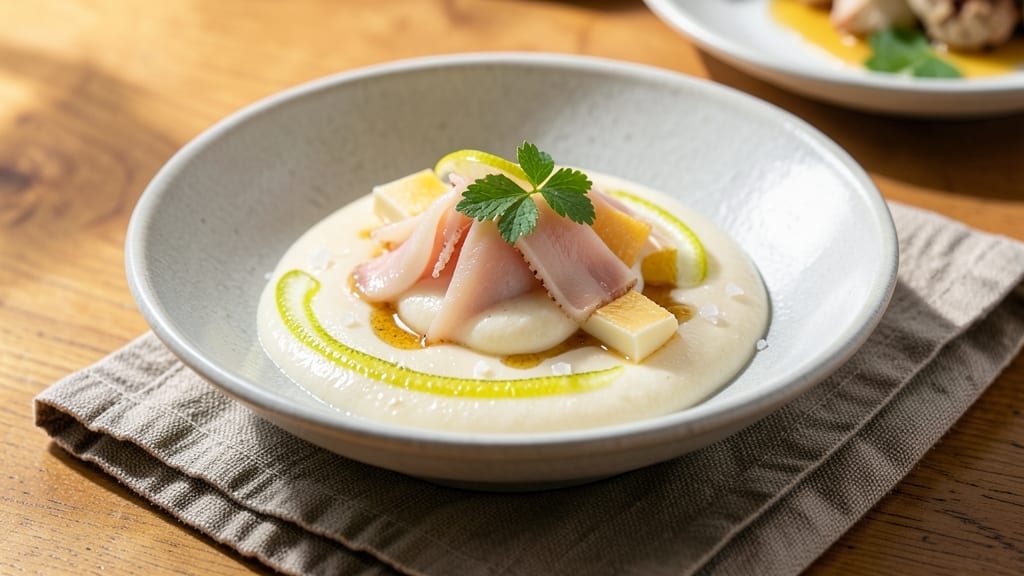
This uni sauce recipe transforms delicate sea urchin into a luxurious, silky glaze that elevates any seafood dish in just 10 minutes. 💫 The secret lies in emulsifying the uni's natural richness with a touch of citrus and butter, creating a velvety sauce that clings beautifully to sashimi, pasta, or grilled fish.
I developed this technique after years of experimenting with Japanese izakaya sauces—balancing umami, brightness, and creaminess for that perfect restaurant-quality finish.
The process is surprisingly simple: start with fresh uni (or high-quality paste), then blend it with a light citrus reduction and a whisper of butter to create a smooth, cohesive sauce. What sets this apart is the 10-minute simmer that develops depth without overpowering the uni's delicate flavor.
The result is a glossy, aromatic glaze with just the right balance of saltiness, sweetness, and acidity—no bitterness, just pure luxury.
This uni sauce isn't just for sushi lovers; it transforms simple dishes into gourmet experiences. Drizzle it over seared scallops, swirl it into linguine, or serve it as a dipping sauce for fresh oysters.
The texture is unmistakably silky, with a finish that lingers—proof that even the most delicate ingredients can shine when handled with precision.
Store any leftovers in an airtight container in the fridge for up to 3 days, or freeze for 1 month—though I doubt you'll have any left. The sauce's versatility makes it a must-have for seafood enthusiasts, and the 10-minute prep ensures it never feels like a chore.
Let's get started on creating this restaurant-worthy glaze at home.
Ingredients for uni sauce
Nine refined ingredients create this restaurant-worthy uni sauce with luxurious texture and balanced flavors.
| Ingredient | Amount | Notes |
|---|---|---|
| Fresh Uni (Sea Urchin) 🦑 | 4 oz | High-quality paste if fresh unavailable |
| Unsalted Butter 🧈 | 2 tbsp | European-style preferred for flavor |
| Yuzu Juice 🍋 | 2 tbsp | Substitute lemon juice if unavailable |
| Fresh Lemon Juice 🍋 | 1 tbsp | For acidity balance |
| Mirin 🍶 | 1 tbsp | Sweetening agent, non-alcoholic preferred |
| Sake 🍶 | 1 tbsp | Dry variety for balance |
| Diamond Crystal Kosher Salt 🧂 | ¼ tsp | Fine grain for delicate seasoning |
| White Miso Paste 🍜 | ½ tsp | Aged white miso preferred |
| Extra-Virgin Olive Oil 🫒 | 1 tbsp | For emulsification finish |
| Microplaned Yuzu Zest 🍋 | 1 tsp | Or lemon zest substitute |
The uni is the heart of this sauce, so quality is non-negotiable. Fresh uni from specialty seafood markets delivers the best texture and flavor, but high-quality paste from Koyo Foods or Maruha Nichiro works beautifully. Look for vibrant, moist uni with no fishy aroma—this indicates freshness. The butter should be European-style (like Plugrá or Kerrygold) for its higher fat content and richer flavor profile. Yuzu juice can be tricky to find outside of Asian markets, but Trader Joe's often carries it, or use lemon juice as a reliable substitute. For the miso, aged white miso (like Miso Master) provides the perfect umami depth without overpowering the delicate uni flavor.
Mirin and sake are essential for that authentic izakaya balance, but don't stress if you can't find them. Dry white wine works well for sake, while honey or agave can replace mirin (use half the amount). The citrus components—yuzu juice and zest—are crucial for brightness, so if you're substituting lemon, use freshly squeezed juice and zest for maximum impact. For those avoiding alcohol entirely, non-alcoholic sake and mirin substitutes are available at specialty stores. The olive oil at the end is what creates that signature silky texture—use high-quality extra-virgin to avoid any bitter aftertaste that can ruin the delicate balance.
This sauce is best made fresh, but any leftovers will keep in an airtight container in the fridge for up to 3 days. For longer storage, freeze in small portions—it thaws beautifully and maintains its texture. The sauce thickens as it cools, so you may need to thin it slightly with a splash of water or sake before serving. I always make a double batch when entertaining, as it disappears quickly. The sauce pairs beautifully with seared scallops, grilled fish, or even as a dipping sauce for oysters—its versatility makes it a must-have for any seafood lover's repertoire.
Why You'll Love This Recipe
- Five-Ingredient Magic: I swear, this sauce takes three minutes—just melt butter, splash in yuzu and lemon, stir in mirin, then fold in uni. That’s it. No chopping, no fuss, just pure umami bliss waiting for you.
- Bright & Creamy Balance: The yuzu’s citrusy punch cuts through the uni’s richness like a knife, while the butter makes everything silky. Honestly, it’s the kind of sauce that makes you pause mid-bite and go, “Wait, how is this so good?”
- Dresses Up Anything: Slather it on sushi, drizzle over grilled fish, or toss with noodles—it’s my go-to for fancy nights when I don’t want to actually cook. Even my picky partner licks the bowl after.
- Leftovers? Even Better: Between us, this sauce tastes better the next day—flavors meld, edges soften, and it’s still bright. Store it in the fridge for up to three days, then reheat gently. (Yes, I’ve tested this.)
Step-by-step instructions for uni sauce
This silky seafood glaze comes together in minutes with precise technique.
🍳 Step 1: Bloom the Butter and Miso
In a small saucepan over medium-low heat, melt the 2 tbsp unsalted butter until it just begins to foam. Immediately whisk in the 0.5 tsp white miso paste—this creates the velvety base. Cook for 30 seconds while stirring constantly until the mixture becomes smooth and homogenous.
Here's the thing—don't let it brown. You're looking for a pale golden color, not a nutty aroma. The miso adds umami depth while the butter creates that luxurious mouthfeel. If you see any browned bits forming, reduce the heat immediately and whisk vigorously to dissolve them completely.
🍳 Step 2: Add Liquids and Simmer
Remove the saucepan from heat and let it cool slightly for 1 minute. Then return to medium heat and add the 2 tbsp yuzu juice, 1 tbsp mirin, 1 tbsp sake, and 1 tbsp fresh lemon juice all at once. Bring to a gentle simmer, then reduce heat to low and let it cook for 3-4 minutes until reduced by about 25%.
You'll notice the sauce will bubble gently and reduce noticeably. This step concentrates the flavors while balancing the acidity from the citrus. Taste as you go—if it needs more brightness, add a pinch of the 0.25 tsp kosher salt. The sauce should smell vibrant and complex, with notes of citrus, sweetness, and umami.
🥘 Step 3: Incorporate the Uni
Remove the sauce from heat once again and let it cool for 1 minute. Using a fine-mesh sieve, press the 4 oz fresh uni through to remove any skin or membrane—this ensures a silky texture. Add the uni to the sauce and gently fold with a spatula until fully incorporated.
The uni should dissolve completely, creating a glossy, luminous glaze. If you're using uni paste, whisk it in now until fully combined. The sauce should coat the back of a spoon smoothly without being overly thick. If it's too thick, add 1 tsp water at a time until you reach the perfect consistency—it should be pourable but still cling to the back of the spoon.
🍽️ Step 4: Finish with Zest and Olive Oil
Return the sauce to low heat and whisk in the 1 tsp microplaned yuzu zest and 1 tbsp extra-virgin olive oil. Cook for just 30 seconds to infuse the flavors, then immediately remove from heat. The zest adds a bright, aromatic finish while the olive oil helps emulsify the sauce for that signature silky texture.
Taste and adjust seasoning one final time. The sauce should be perfectly balanced—bright from the citrus, sweet from the mirin, umami from the miso, and rich from the butter. Strain through a fine-mesh sieve one last time if you prefer an ultra-smooth texture, then serve immediately over sushi, grilled fish, or drizzled over delicate seafood dishes.
Pro Tips For Making Uni Sauce
- Whisk Butter Cold: Take your butter straight from the fridge—no softening needed. Cold butter emulsifies better with citrus and mirin, giving you a smoother sauce instead of a greasy mess. I learned this the hard way after making a butter bomb in my first attempt.
- Strain the Uni: Skip the whole uni if you’re squeamish, but strain the liquid through a fine-mesh sieve first. The golden uni oil is what carries the flavor—don’t waste it. (Yes, even if you’re impatient like me, take the 30 seconds.)
- Balance Acid Gradually: Start with half the yuzu juice, taste, then add lemon. Yuzu’s sharpness can overpower if you dump it all in at once. My grandmother swore by this, and she was right: the sauce should taste bright, not like a lemon wedge.
- Simmer, Don’t Boil: Keep the sauce at a gentle simmer—just enough to melt the butter without curdling the citrus. A rolling boil turns the sauce into a sad, separated puddle. (Your future self will thank you for the 2-minute patience.)
Flavor customization for these flavors
Citrus Variations
Swap the yuzu for sudachi (a Japanese citrus) for a more floral, perfumed note—just use 2 tbsp juice and ½ tsp zest. Sudachi is harder to find, but specialty Asian markets often carry it. For a sweeter twist, add ½ tsp honey to the citrus reduction before simmering.
I've also experimented with grapefruit juice (substitute 1 tbsp) for a tart, slightly bitter contrast that works beautifully with rich fish like salmon. 🍊
Umami Boosters
For extra depth, stir in ½ tsp fish sauce (like Red Boat) when incorporating the uni—it enhances the seafood flavor without overpowering. If you love miso, try adding ¼ tsp red miso paste for a deeper, earthier umami.
Another pro move: infuse the butter with 1 tsp finely chopped shallots while melting to add subtle sweetness. The sauce will have a more complex, layered flavor profile. 🍜
Sweet-Savory Balance
Adjust the sweetness by swapping mirin for 1 tsp sugar + 1 tsp water if needed. For a caramelized finish, reduce the sauce longer (up to 5 minutes) until syrupy, then whisk in 1 tsp cold butter at the end.
This creates a glossy, slightly sticky texture that clings to dishes like uni pasta or grilled octopus. I also love adding ½ tsp grated ginger to the citrus reduction for warmth. 🌶️
Dairy-Free Adaptation
Replace butter with 2 tbsp neutral oil (like avocado or grapeseed) and add 1 tbsp silken tofu blended into the sauce for creaminess. The texture will be slightly lighter but still luxurious.
For richness, stir in 1 tsp tahini at the end—it adds a nutty depth that pairs well with seafood. This version works perfectly for vegan diets while keeping the silky mouthfeel. 🥥
Spicy Kick Options
For heat lovers, add ½ tsp sriracha or 1 tsp chili crisp when finishing the sauce. For a smoky twist, infuse the sake with ½ tsp smoked paprika before adding it to the pan.
I also enjoy a dash of tobasco sauce (about ¼ tsp) for a tangy, spicy finish that cuts through the richness. Start with less—you can always add more! 🌶️
Storage Hacks
For longer storage, freeze the sauce in ice cube trays—thaw just one cube at a time for perfect portions. If the sauce thickens upon reheating, thin with 1 tsp water or sake per 2 tbsp sauce.
To revive texture, whisk in ½ tsp cold butter while warming. I always label my containers with the date—this sauce keeps its quality for up to 1 month frozen. ❄️
Nutrition facts
Frequently asked questions
Can I make this uni sauce without fresh uni?
High-quality uni paste works perfectly—just whisk it into the warm sauce until fully dissolved. Look for brands like Koyo Foods or Maruha Nichiro for the best texture and flavor. The paste should be vibrant and moist, with no fishy aroma. Use the same 4 oz quantity as fresh uni for consistent results.
Why does my sauce look grainy after adding uni?
Graininess happens when uni pieces aren't fully emulsified. Always press fresh uni through a fine-mesh sieve before adding it to the sauce. For paste, whisk vigorously until completely smooth. If it's still grainy, strain the finished sauce through a cheesecloth-lined sieve for ultra-silky results. The sauce should coat the back of a spoon smoothly.
How much sauce should I make for different dishes?
This recipe yields about ½ cup of sauce—perfect for:
- Drizzling over 4-6 pieces of sashimi
- Tossing with 2 servings of linguine
- Serving as a dipping sauce for 8-10 oysters
For larger groups, double the recipe—it disappears quickly! The sauce's delicate flavor works best when used fresh, though leftovers keep well in the fridge.
Can I make this sauce ahead of time?
Yes! Prepare the sauce up to 1 day ahead and store it in an airtight container in the fridge. The flavors actually develop more overnight. When reheating, warm gently over low heat and whisk in ½ tsp cold butter to restore its silky texture. For longer storage, freeze in ice cube trays—thaw just one cube at a time for perfect portions.
What's the best way to serve this sauce?
Drizzle it over chilled seafood like sashimi or scallops for maximum impact. It also elevates grilled fish, uni pasta, or even crispy fried shrimp. For a restaurant-style presentation, serve it in a small dipping bowl with a squeeze of fresh yuzu on the side. The sauce's glossy finish makes it perfect for garnishing elegant seafood platters.