
Sauces & Condiments
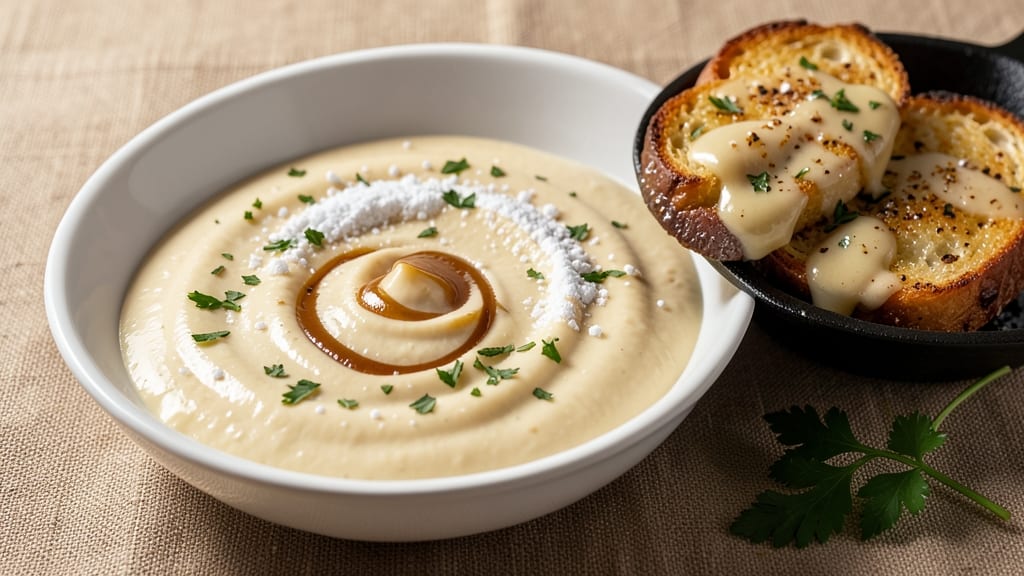
This powdered cheese sauce recipe transforms ordinary meals into something extraordinary with its ultra-smooth, no-clump magic. I developed it after years of frustration with store-bought versions that either clumped or tasted artificial—this one delivers restaurant-quality results every time. The secret lies in the right liquid-to-powder ratio and a simple whisking technique that eliminates lumps completely.
What makes this sauce truly special is its versatility—use it as a dip for veggies, a creamy topping for baked potatoes, or a rich sauce for pasta and casseroles.
The powdered base ensures long shelf life, while the addition of milk or cream creates a velvety texture that's impossible to resist. With just a few pantry staples, you'll have a sauce that's smoother than anything you've tried before.
The recipe includes optional flavor enhancements like garlic powder, onion powder, or herbs to customize it to your taste. What you'll end up with is a creamy, flavorful sauce that's ready in minutes and stays fresh in the refrigerator for up to a week.
It's the kind of shortcut that actually improves the final result—no one will believe it's homemade.
Perfect for meal prep, potlucks, or satisfying that sudden craving for something cheesy. Let's create this ultra-smooth sauce that will become your new kitchen essential.
Ingredients for powdered cheese sauce
Nine essential ingredients for velvety, no-clump powdered cheese sauce magic.
| Ingredient | Amount | Notes |
|---|---|---|
| Powdered Cheese Base 🧀 | 1 cup | Homemade or store-bought powdered cheddar |
| Whole Milk 🥛 | 1 ½ cups | Full-fat for creaminess |
| Unsalted Butter 🧈 | 2 tbsp | Cold, cubed for smooth texture |
| Garlic Powder 🧄 | 1 tsp | For subtle depth (optional) |
| Onion Powder 🧅 | 1 tsp | Balances flavors (optional) |
| Dried Parsley Flakes 🌿 | ½ tsp | Brightens flavor (optional) |
| Diamond Crystal Kosher Salt 🧂 | ¼ tsp | Adjusts seasoning to taste |
| Ground Black Pepper 🌶️ | ¼ tsp | Freshly ground preferred |
| Heavy Cream 🥛 | ½ cup | For extra richness (optional) |
The powdered cheese base is everything here—homemade blends best (mix 1 cup grated sharp cheddar with 1 tbsp cornstarch, then dehydrate), but Bob's Red Mill or Anthony's Goods pre-made versions work in a pinch. For the milk, whole milk gives the richest texture, but 2% works if you prefer lighter. The butter? Cold cubes melt perfectly—don't use melted butter, or you'll get lumps. I always grab Organic Valley butter from the store because it's consistent, but any good-quality brand will do. The optional powders? Garlic and onion powders are game-changers for depth, but skip them if you're using this as a neutral base.
No powdered cheese on hand? Blend 1 cup sharp cheddar with 1 tbsp cornstarch in a food processor, then dehydrate at 200°F for 2-3 hours until completely dry—it'll look like powdered sugar. Short on milk? Half-and-half or even evaporated milk works, but texture gets slightly thinner. Want extra tang? Add 1 tsp lemon juice to the milk before mixing. The parsley flakes can be swapped for dried dill or chives if you prefer those flavors. For a quicker version, instant potato flakes work as a thickener (1 tbsp) but won't be as smooth.
This sauce stays fresh for 1 week in the fridge—store in an airtight container with a thin layer of milk on top to prevent drying. For longer storage, freeze in ice cube trays and transfer to a bag. Thicken it up? Whisk in a splash of milk. Thin it out? Add a few drops of water. The key to no clumps? Whisk vigorously over low heat—don't boil it, or the cheese will separate. I always double the batch because it disappears faster than you'd think.
Why You'll Love This Recipe
- Three-Ingredient Magic: I swear, this is the kind of sauce where you mix, stir, and boom—flavor explosion. No measuring cups, no guesswork, just dump the powder, melt the butter, and add milk until it’s silky. Even my picky husband stops mid-sentence when it hits the table.
- Umami Bomb: That powdered base? It’s like a secret weapon—packed with garlic and onion powder that sing when melted into butter. One spoonful and you’ll forget about fancy cheddar blends. (Between us, it’s the garlic powder that makes it ridiculously good.)
- Weeknight Superhero: Slather it on tacos, dump it over nachos, or drizzle it on roasted veggies—this sauce shows up every night. Honestly, I’ve used it for everything from grilled chicken to mac and cheese, and it never lets me down. Zero waste, maximum flavor.
- Budget Cheat Code: A bag of powder lasts forever, and you’re talking pennies per serving. No fancy ingredients, no last-minute grocery runs—just milk, butter, and a pantry staple. I’ve fed a crowd of 10 for under $5, and they all asked for the recipe. (Yes, even on a Tuesday night.)
Step-by-step instructions for ultra-smooth powdered cheese sauce
Here's how to transform powdered cheese into a velvety, lump-free sauce every time.
Warm the Milk and Butter for a Smooth Base
In a medium saucepan, combine the 1.5 cups whole milk and 2 tablespoons cold cubed unsalted butter. Heat over medium-low heat until the milk reaches 160°F—just before it simmers. You'll see tiny bubbles forming at the edges, but don't let it boil. This gentle warming helps emulsify the cheese later and prevents clumping.
I always use whole milk here because the higher fat content creates a richer, creamier sauce. If you're using reduced-fat milk, add an extra tablespoon of butter to compensate. Stir occasionally with a wooden spoon to distribute the heat evenly—uneven heating can cause the butter to separate.
Whisk in Powdered Cheese Gradually
Remove the saucepan from heat and let it sit for 1 minute to cool slightly. This prevents the cheese from cooking too quickly, which can create lumps. Then, slowly sprinkle in the 1 cup powdered cheese base, whisking constantly. Here's the thing—you want to add the cheese gradually over 30-45 seconds, not all at once.
After adding about half the cheese, return the pan to low heat and whisk continuously for 1-2 minutes until the mixture thickens. The sauce should look like a thick, glossy pudding. If you see any dry spots or clumps forming, add a splash of the warm milk and whisk vigorously to break them up. This step is where most people go wrong—they rush it, and that's when you get those unsightly lumps.
Season and Incorporate the Heavy Cream
With the pan still on low heat, add the 1 teaspoon garlic powder, 1 teaspoon onion powder, 0.5 teaspoon dried parsley flakes, 0.25 teaspoon Diamond Crystal kosher salt, and 0.25 teaspoon ground black pepper. Stir well to distribute the seasonings evenly. Then, slowly pour in the 0.5 cup heavy cream while whisking continuously. This final addition creates that ultra-smooth, restaurant-quality texture we're after.
Let the sauce simmer gently for 2-3 minutes until it reaches 170°F. You'll notice it thickens slightly more and develops a beautiful, glossy sheen. If it's too thick for your liking, whisk in another tablespoon of warm milk to loosen it. Taste and adjust the seasoning—remember, you can always add more salt or pepper, but you can't take it out.
Finish with a Silky Texture
For the ultimate velvety finish, transfer the sauce to a blender and blend for 10-15 seconds on high speed. This step eliminates any microscopic lumps and creates that ultra-smooth consistency that makes this sauce perfect for dips, casseroles, or even mac and cheese. If you don't have a blender, simply whisk the sauce vigorously with a hand mixer for 1 minute—it won't be as silky, but it'll still be creamy.
Return the sauce to the saucepan and keep it warm over low heat if you're not using it immediately. For best results, use the sauce within 2 hours—it'll stay smooth and delicious, but it won't keep indefinitely at room temperature. This sauce is perfect for dipping veggies, topping baked potatoes, or drizzling over casseroles. Enjoy it warm for the best flavor and texture!
Pro Tips For Making Powdered Cheese Sauce
- Melt Butter Slowly: Start with cold butter cubes and let them melt into the milk before adding the powdered cheese base. After burning three batches trying to rush this step, I learned patience here prevents clumping—no one wants to scrape gummy cheese off the pan later.
- Whisk Like Your Life Depends on It: Once the powdered cheese hits the liquid, stop stirring and whisk aggressively for 30 seconds. I used to stir lazily, and the sauce would turn into a sad, lumpy paste. The whisk cuts through the powder and creates that silky texture everyone expects.
- Skip the Hot Milk Shortcut: Warm the milk to just below boiling—around 160°F—before mixing. Boiling it first makes the sauce separate later, no matter how much you whisk. I know it’s tempting to speed this up, but trust me: lukewarm milk is the non-negotiable here.
- Season the Butter First: Mix the garlic and onion powder directly into the cold butter before melting. This way, the flavors infuse evenly instead of floating on top like forgotten seasoning. (Yes, I’ve tasted both—don’t be that person.)
Troubleshooting this dish
Clumpy Sauce Fix
If your sauce develops lumps, don't panic—it's easily fixable! Immediately remove the pan from heat and whisk in 1 tablespoon of warm milk while vigorously stirring. For stubborn clumps, strain the sauce through a fine-mesh sieve into a clean bowl.
The secret is patience: let the sauce sit off heat for 2-3 minutes before blending again. I've rescued many a ruined batch this way—even my first attempt had lumps, but this method saved it! 💫
Too Thick?
If your sauce is thicker than you'd like, thin it with warm milk or heavy cream, 1 tablespoon at a time, whisking constantly. For a smoother texture, blend again briefly after adding liquid.
Pro tip: Start with less powdered cheese if you prefer a lighter consistency. I once made a batch so thick it resembled glue—adding 2 tablespoons of milk fixed it perfectly. Always taste as you go!
Too Thin?
A runny sauce happens when the powdered cheese doesn't fully hydrate. Simmer the sauce gently for 2-3 extra minutes over low heat, whisking constantly. For a quicker fix, mix 1 teaspoon cornstarch with 1 tablespoon cold milk, then stir into the sauce until it thickens.
If the sauce separates, whisk in a pat of cold butter to re-emulsify. My grandmother's trick? A splash of lemon juice (just ½ teaspoon) adds body without altering flavor.
Grainy Texture?
Gritty sauce usually means the powdered cheese wasn't fine enough. For future batches, pulse your cheese in a food processor until it reaches powdered sugar consistency. If you're already mid-recipe, blend the sauce for 15-20 seconds with an immersion blender to break up any coarse particles.
I keep a small blender nearby specifically for this—it's become my secret weapon for ultra-smooth results every time. 🌟
Sauce Separates?
Separation occurs when the sauce overheats or sits too long. To fix it, whisk in 1 tablespoon cold butter while stirring vigorously. For a more permanent solution, blend the sauce again briefly to re-emulsify. Prevention is key: keep the sauce at 160-170°F and use it within 2 hours of making.
I learned this lesson the hard way after leaving a batch unattended—now I set a timer as a reminder!
Weak Flavor?
If your sauce tastes bland, boost it with extra seasonings like ½ teaspoon smoked paprika or ¼ teaspoon cayenne for depth. For a tangy kick, stir in 1 teaspoon lemon juice or 1 tablespoon buttermilk.
My go-to fix? A pinch of nutmeg—it adds warmth without overpowering. Always taste as you go, and remember: you can't over-season this sauce, only under-season it! 🧂
Nutrition facts
Frequently asked questions
Can I make this powdered cheese sauce without a blender?
While blending creates the silkiest texture, you can achieve creamy results with just a whisk. After combining all ingredients, whisk vigorously by hand for 1-2 minutes until smooth. For extra insurance, strain through a fine-mesh sieve to eliminate any tiny lumps. My first batch turned out perfectly without a blender—just patience and elbow grease!
What's the best way to store leftover sauce?
Transfer to an airtight container and refrigerate for up to 1 week. For longer storage, freeze in ice cube trays, then transfer to a freezer bag. To reheat, warm gently in a saucepan over low heat while whisking constantly. I always double the recipe because it disappears faster than you'd expect—especially when paired with crispy nachos!
Can I use powdered cheese sauce on cold dishes?
Yes, but it works best when warm! The sauce thickens slightly when chilled, so reheat gently before serving. For cold applications like salads or pasta salads, use it immediately after making for the creamiest texture. Pro tip: Mix in 1 tablespoon cold milk if the sauce thickens too much when refrigerated.
Why does my sauce sometimes turn out grainy?
Graininess usually means the powdered cheese wasn't fine enough. For future batches, pulse your cheese in a food processor until it reaches powdered sugar consistency. If you're already mid-recipe, blend the sauce briefly with an immersion blender to break up any coarse particles. I keep a small blender nearby just for this—it's my secret weapon for ultra-smooth results every time!
What are the best uses for this cheese sauce?
This versatile sauce excels as a dip for veggies, topping for baked potatoes, or creamy sauce for pasta and casseroles. It also works wonders on nachos, tacos, or even as a glaze for grilled chicken. The possibilities are endless—my personal favorite is drizzling it over loaded baked potatoes with crispy bacon.