
Sauces & Condiments
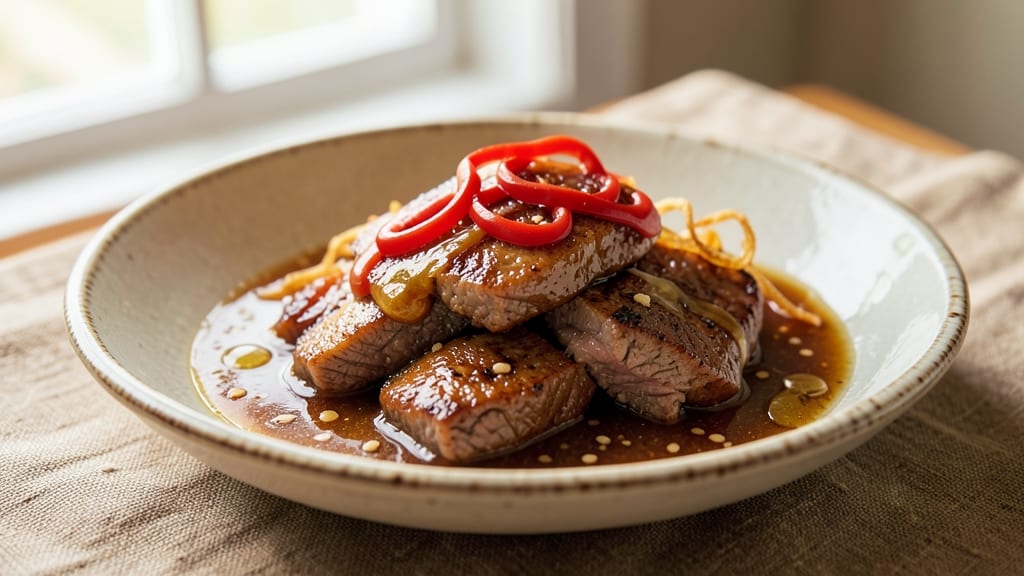
This gyu kaku sauce recipe transforms simple pantry staples into a smoky-sweet glaze that elevates everything from ramen to grilled meats. I developed it after years of experimenting with Japanese flavors—it’s the kind of sauce that makes even the simplest dish feel like a restaurant experience.
The secret lies in fermented soy sauce and Worcestershire, which create that signature umami depth without overpowering the dish.
What makes this sauce special is its versatility. You can use it as a dipping sauce for gyudon bowls, a glaze for grilled meats, or even a marinade for tofu or chicken.
The balance of sweetness, acidity, and smokiness comes from a precise ratio of ketchup, soy sauce, and sugar, all simmered down to a thick, glossy consistency. It’s foolproof—no fancy techniques required, just patience and a few simple ingredients.
The result is a sauce that’s rich, slightly tangy, and addictively flavorful. One taste and you’ll understand why it’s a staple in Japanese home kitchens. It keeps well in the fridge for up to two weeks, so you can make a big batch and use it all week.
Whether you’re cooking for a crowd or treating yourself to a special meal, this sauce delivers restaurant-quality flavor at home.
Pair it with grilled beef, ramen, or even as a glaze for roasted vegetables. The possibilities are endless, and the process couldn’t be simpler. Let’s get started—your taste buds will thank you.
Ingredients for gyu kaku sauce
Nine simple ingredients transform into a restaurant-worthy sauce that’s smoky, sweet, and packed with umami.
| Ingredient | Amount | Notes |
|---|---|---|
| Ketchup 🍅 | ½ cup | High-quality, not low-sodium |
| Fermented Soy Sauce (Shoyu) 🥢 | ½ cup | Japanese-style preferred |
| Worcestershire Sauce 🍯 | 2 tbsp | Anchovy-free if needed |
| Granulated Sugar 🍚 | ¼ cup | Light brown sugar works too |
| Rice Vinegar 🍶 | 1 tbsp | White vinegar substitute |
| Sesame Oil 🫒 | 1 tsp | Toasted sesame oil preferred |
| Garlic Cloves 🧄 | 3 cloves | Minced for depth of flavor |
| Ginger Root 🌿 | 1 tsp | Freshly grated, not powdered |
| Salt 🧂 | ½ tsp | Kosher or sea salt |
| Black Pepper 🌶️ | ¼ tsp | Freshly ground preferred |
The fermented soy sauce is the heart of this recipe—Japanese shoyu from Kikkoman or Yamasa gives the best depth, but any good-quality soy sauce works. If you can’t find fermented, regular soy sauce plus a dash of mirin is a decent swap. The ketchup? Heinz Original is my go-to—it’s sweet enough but not overly tangy. For the Worcestershire, Lea & Perrins is classic, but any anchovy-free version works if you need to avoid them. Sesame oil is non-negotiable for that nutty aroma—Kadoya or Trader Joe’s are great budget options.
No rice vinegar? Apple cider vinegar or white vinegar will work, but the flavor won’t be identical. Fresh ginger and garlic are worth the extra minute—powdered versions just don’t cut it here. The sugar balances the acidity, so don’t skimp. If you’re making a big batch, double the sugar slightly to account for evaporation during simmering. For extra smokiness, add a dash of smoked paprika or a pinch of liquid smoke—trust me, it’s worth it.
This sauce keeps for 2 weeks in the fridge, sealed tightly in a jar. The flavors actually improve over time, so make extra. If you’re not using it all, freeze in ice cube trays for easy single-use portions. Thin with a splash of water or broth if it gets too thick. Pair it with grilled meats, ramen, or even as a glaze for roasted veggies—it’s that versatile.
Why You'll Love This Recipe
- Pantry Magic: Honestly, I keep this sauce in my fridge because it’s made with stuff I already have—no special shopping required. Just measure, mix, and simmer. That’s it.
- Umami Bomb: The shoyu and Worcestershire hit different—deep, savory, with just enough tang from the rice vinegar to keep it lively. It’s the kind of flavor that makes you want to pour it on everything.
- Weeknight Hero: Drizzle it over grilled chicken, toss it with rice, or slather it on fries. It’s my go-to when I need something fast but still feels special. Even my picky teen asks for seconds.
- Lasts Forever: This sauce thickens beautifully and keeps for weeks in the fridge. I make a big batch, freeze half, and still have backup for lazy days. Budget-friendly? Absolutely.
Step-by-step instructions for gyu kaku sauce
This smoky-sweet glaze comes together in minutes with simple ingredients you likely already have.
Mince the Garlic and Ginger
Use a sharp knife to finely mince the 3 cloves garlic and 1 teaspoon grated ginger root. I like to press the garlic cloves flat first with the side of my knife before mincing—this makes the job faster and gives you more surface area for flavor. The goal is tiny, even pieces that will dissolve completely into the sauce.
Set these aside in a small bowl while you prepare the other ingredients. Freshly minced garlic and ginger release their oils immediately, so we want to keep them separate until the last possible moment to preserve their bright, aromatic qualities.
Combine Wet Ingredients
In a medium saucepan, whisk together the 0.5 cup ketchup, 0.5 cup fermented soy sauce (shoyu), and 2 tablespoons Worcestershire sauce. This combination gives the sauce its signature depth—ketchup for sweetness, shoyu for umami, and Worcestershire for complexity. Stir well to fully integrate these flavors before adding anything else.
Place the saucepan over medium heat and bring to a gentle simmer. You'll see small bubbles forming around the edges—that's your signal the liquid is hot enough to start dissolving the sugar. Keep the heat at a steady simmer, not a rolling boil, to prevent the sauce from separating.
Add Sugar and Vinegar
Sprinkle in the 0.25 cup granulated sugar and 1 tablespoon rice vinegar while stirring constantly. The sugar will dissolve quickly, but keep whisking until it's completely incorporated—any remaining sugar crystals will make the sauce grainy. You'll notice the mixture darken slightly as the sugar caramelizes.
Let the sauce simmer for 3-4 minutes until it thickens just enough to coat the back of a spoon. This is where the magic happens—the sugar and vinegar work together to create that perfect balance of sweet and tangy. If you taste it now, it'll still be slightly raw, but that's okay—we're building layers of flavor.
Finish with Aromatics and Seasonings
Add the minced garlic and ginger, along with the 0.5 teaspoon salt and 0.25 teaspoon black pepper. Stir well to distribute these flavors evenly. The garlic and ginger will infuse their oils into the sauce as it simmers, creating that irresistible aroma. Let the sauce cook for another 2 minutes—just enough time for the aromatics to meld without overpowering.
Finally, remove the pan from heat and stir in the 1 teaspoon sesame oil. This step should be done off the heat to preserve the delicate toasted notes of the sesame oil. The sauce will have a glossy sheen and a beautiful deep red color. Let it cool slightly before using—this allows all the flavors to settle and intensify.
Adjust and Use Immediately
Taste the sauce and adjust the seasoning if needed. You might want to add a touch more sugar for sweetness or a splash of rice vinegar for acidity. The sauce should be balanced—sweet, smoky, and slightly tangy with a deep umami backbone.
This sauce is best used immediately, whether you're glazing grilled meats, drizzling over noodles, or serving as a dipping sauce. If you need to store it, transfer to an airtight container and refrigerate for up to 1 week. Reheat gently before using—never boil it again as this can make it too thick and lose some of its delicate flavors.
Pro Tips For Making Gyu Kaku Sauce
- Simmer Low and Slow: I learned this the hard way—boiling gyu kaku sauce too hard turns it into a thin, watery mess. Keep the heat at a gentle simmer (small bubbles, occasional swirls) until it thickens to a glossy, coatable consistency. If it’s splattering like a volcano, you’re doing it wrong.
- Balance the Vinegar First: Rice vinegar’s sharpness can overpower if you add it last. Mix it with the sugar and shoyu before combining with ketchup and Worcestershire—this lets the acid mellow and blends the flavors more evenly. Trust me, your sauce won’t taste like a science experiment.
- Skip the Cheap Ketchup: Your sauce’s depth starts with ketchup. The cheap stuff tastes like artificial syrup. Use a high-quality brand (like Heinz or a Japanese-style ketchup if you can find it)—it’s the base, and you’ll notice the difference in richness.
- Taste in Stages: Don’t dump everything in and hope for the best. After mixing the base, taste and adjust one ingredient at a time—more shoyu for saltiness, sugar for sweetness, vinegar for tang. This isn’t a guess; it’s precision. (Yes, even if you’re impatient like me.)
Dietary considerations for this recipe
Gluten-Free Adaptation
The original recipe uses fermented soy sauce, which contains gluten, but you can easily adapt it for gluten-free diets. Simply swap the ½ cup fermented soy sauce (shoyu) with ½ cup gluten-free tamari—brands like San-J Tamari or Edamame Tamari work perfectly.
Tamari has a richer, deeper flavor that holds up well in this sauce. Just remember, tamari is often more expensive, so buy it in smaller bottles or check your local Asian market for bulk options. 🥢
Sugar-Free Option
For a sugar-free version, replace the ¼ cup granulated sugar with ¼ cup sugar-free maple syrup or monk fruit sweetener (like Lakanto). These alternatives dissolve just as well and won’t spike your blood sugar.
If you prefer a more natural route, unsweetened applesauce can add subtle sweetness while keeping the sauce cohesive. Taste as you go—you might need to add a pinch of salt to balance the reduced sweetness.
Low-Sodium Version
If you're watching your sodium intake, reduce the ½ cup fermented soy sauce (shoyu) to ¼ cup and add ¼ cup low-sodium coconut aminos instead. Coconut aminos mimic the umami depth of soy sauce without the same sodium punch.
For extra flavor, boost the garlic and ginger to 4 cloves and 1.5 teaspoons, respectively—they’ll add complexity that balances the lower salt content. Always taste before serving to ensure the sauce still sings. 🧄
Vegan Considerations
This sauce is naturally vegan, but a few tweaks ensure it’s optimized for plant-based diets. First, confirm your Worcestershire sauce is vegan—brands like Annie’s or Worcestershire Sauce by Hellmann’s are reliable choices. Next, use a vegan-friendly sesame oil (most are, but check labels for honey or other additives).
Finally, if you’re using tamari instead of soy sauce, ensure it’s certified vegan. The result? A rich, umami-packed sauce that’s perfect for vegan ramen or grilled tofu. ✨
Allergy-Friendly Swaps
For those with sesame allergies, omit the 1 teaspoon sesame oil and replace it with ½ teaspoon toasted coconut oil or avocado oil—both add a neutral fat that won’t compete with the other flavors.
If you’re avoiding garlic or ginger, boost the Worcestershire sauce to 3 tablespoons and add ½ teaspoon onion powder for depth. Always double-check labels on store-bought ingredients like ketchup and vinegar to ensure they’re free from hidden allergens. Safety first—flavor second! 💪
Nutrition facts
Frequently asked questions
Can I make this sauce without fermented soy sauce?
If you don’t have fermented soy sauce (shoyu), use ½ cup regular soy sauce plus 1 teaspoon mirin for that extra depth. The mirin adds a subtle sweetness that mimics fermentation. For a gluten-free version, swap in ½ cup tamari—it’s richer and works perfectly in this recipe.
How long does this sauce keep, and can I freeze it?
The sauce stays fresh in the fridge for 2 weeks in an airtight container. For longer storage, freeze it in ice cube trays—just thaw and reheat gently before using. Avoid boiling after freezing, as it can make the sauce too thick and lose its glossy texture.
What’s the best way to use leftover sauce?
This versatile sauce works as a glaze for grilled meats, a dipping sauce for ramen or dumplings, or even a marinade for tofu or chicken. Thin it with a splash of water or broth if it’s too thick for your preferred use. It’s also fantastic drizzled over roasted vegetables for extra umami.
Can I adjust the sweetness or tanginess?
Yes! If the sauce is too sweet, add a splash of rice vinegar or lemon juice. For more tang, increase the vinegar by ½ teaspoon at a time. To balance a lack of sweetness, stir in ½ teaspoon more sugar or honey while warm. Always taste as you go—small adjustments make all the difference.
Why did my sauce separate or get grainy?
This usually happens if the sugar didn’t dissolve fully or if the sauce boiled too vigorously. Next time, whisk constantly while simmering and avoid high heat. If it separates, stir in 1 teaspoon cornstarch mixed with 1 tablespoon water and heat gently until smooth. For graininess, strain the sauce through a fine-mesh sieve.