
Sauces & Condiments
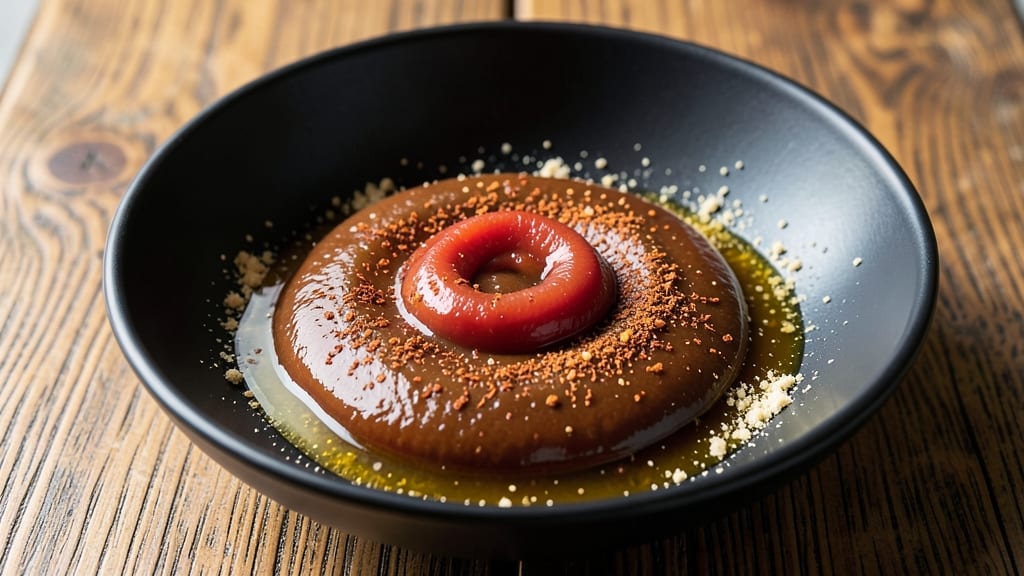
This sugar-free BBQ sauce recipe delivers all the smoky, tangy sweetness of classic barbecue without the blood sugar spike. 💛 After years of perfecting diabetic-friendly versions, I’ve created a sauce that’s rich, flavorful, and safe for anyone managing blood sugar—while still packing the bold taste you crave.
The secret lies in balancing vinegar, tomato paste, and a touch of monk fruit sweetener to mimic that caramelized depth without the sugar crash.
The beauty of this recipe is its versatility—it works equally well on grilled chicken, pulled pork, or even roasted vegetables. Unlike store-bought diabetic sauces that often taste flat or artificial, this version uses real spices (smoked paprika, garlic powder, onion powder) and a slow-simmered reduction to develop deep, complex flavors.
No artificial sweeteners here; just clean ingredients that taste like they belong on your favorite BBQ spread.
What sets this sauce apart is its balanced sweetness and tang, achieved through careful ingredient ratios and a 15-minute simmer that intensifies the flavors without adding sugar. The result? A glossy, slightly thick sauce that clings beautifully to meats and vegetables, delivering that signature BBQ experience without the guilt.
Plus, it stores well in the fridge for up to 2 weeks or freezes for 3 months, making it a pantry staple.
Whether you're grilling for a family gathering or meal prepping for the week, this diabetic BBQ sauce is your go-to for flavor without compromise. Let’s make it—your taste buds (and blood sugar) will thank you.
Ingredients for diabetic bbq sauce
Nine ingredients transform into a rich, smoky sauce that tastes like classic BBQ but keeps blood sugar steady.
| Ingredient | Amount | Notes |
|---|---|---|
| Apple Cider Vinegar 🍏 | ½ cup | Raw, unfiltered preferred |
| Tomato Paste 🍅 | ½ cup | No-sugar-added preferred |
| Monk Fruit Sweetener 🍯 | ¼ cup | Granulated, 1:1 sugar substitute |
| Smoked Paprika 🌶️ | 2 tbsp | High-quality for smoky depth |
| Garlic Powder 🧄 | 1 ½ tsp | Freshly ground preferred |
| Onion Powder 🧅 | 1 ½ tsp | For savory base |
| Ground Black Pepper 🌶️ | ½ tsp | Freshly cracked for heat |
| Mustard Powder 🍯 | 1 tsp | Dijon or yellow variety |
| Salt 🧂 | 1 ½ tsp | Diamond Crystal preferred |
| Water 💧 | ½ cup | Filtered preferred |
The vinegar is the backbone here—Bragg's raw apple cider vinegar adds depth and tang without artificiality. For tomato paste, Muir Glen no-sugar-added is my go-to, but any no-sugar-added brand works. Monk fruit sweetener is non-negotiable; Lakanto or Wholesome Sweeteners brands dissolve smoothly. Smoked paprika? Penzeys or bulk bins at Whole Foods deliver the most authentic smokiness. The spices should be fresh—if your garlic or onion powder smells stale, toss it. Mustard powder adds complexity, but Dijon mustard powder gives a more refined flavor than yellow.
No monk fruit? Swerve or allulose work in a pinch, but monk fruit mimics caramelization best. Short on vinegar? Balsamic vinegar at half the amount adds richness. The tomato paste can be thickened with a splash of water if needed—just stir until smooth. For extra depth, add a pinch of liquid smoke (like Colt's), but don't skip the simmer—it develops the sauce's signature gloss and thickness. If you're sensitive to acidity, reduce the vinegar by 1 tablespoon and add 1 tablespoon extra water.
This sauce keeps for 2 weeks in the fridge, sealed tightly in a glass jar. For longer storage, freeze in ice cube trays—thaw and stir before use. The flavors actually improve after a few days as the spices meld. Double the batch if you're grilling for a crowd; it disappears fast. Leftovers? Toss them on roasted veggies or use as a marinade. No artificial preservatives needed—just pure, balanced flavor.
Why You'll Love This Recipe
- Five-Ingredient Magic: I swear, this sauce comes together faster than I can say "no added sugar." Just vinegar, paste, sweetener, and spices—no fancy steps, no waiting for reductions. My lazy Sundays just got a whole lot tastier.
- Smoky-Sweet Balance: That smoked paprika and garlic powder combo? It’s the kind of flavor that makes you pause mid-bite. The apple cider vinegar cuts through the richness, and monk fruit keeps it sweet without the crash—honestly, it’s the kind of sauce I’d fight for at a BBQ.
- Weeknight Workhorse: Slap this on grilled chicken, roasted veggies, or even deviled eggs—it’s my go-to for quick dinners. I keep a jar in the fridge because, between us, I’m always scrambling to throw something together after work.
- Budget-Friendly Stash: A little goes a long way, and it’s cheap enough that I don’t stress about leftovers. Freeze what you don’t use, and boom—you’ve got a backup for next month’s cookouts. My wallet and my taste buds thank me.
Step-by-step instructions for diabetic BBQ sauce
Here's how to create a bold, sugar-free sauce that delivers all the smoky depth and tangy sweetness you crave.
🍳 Step 1: Build the Flavor Base
Place a medium saucepan over medium heat and add the 0.5 cup tomato paste. Stir continuously for 3-4 minutes until it begins to bubble and darken slightly—this releases those deep, caramelized flavors. You'll notice the paste loses its thick, paste-like consistency and becomes more liquid as it heats.
While stirring, add the 0.5 cup apple cider vinegar and 0.5 cup water. This creates the perfect balance of acidity and moisture. Let the mixture simmer gently for 5 minutes, stirring occasionally, until it begins to thicken. The vinegar will mellow out its sharpness as it cooks, creating that classic tangy BBQ foundation.
🍳 Step 2: Add Dry Seasonings for Depth
Reduce the heat to low and sprinkle in the 2 tbsp smoked paprika, 1.5 tsp garlic powder, 1.5 tsp onion powder, 0.5 tsp ground black pepper, 1 tsp mustard powder, and 1.5 tsp salt. Stir vigorously with a wooden spoon to prevent any burning at the bottom of the pan—this is where all the magic happens.
Let the seasonings bloom for 2-3 minutes until you can smell that rich, smoky aroma filling your kitchen. The paprika will deepen in color, and the mustard powder will add a subtle, complex backbone to the sauce. This step ensures every spoonful delivers that authentic BBQ flavor without any sugar crash.
🥘 Step 3: Sweeten Naturally with Monk Fruit
Increase the heat to medium-low and gradually whisk in the 0.25 cup monk fruit sweetener until completely dissolved. This is where the sauce transforms—adding just enough sweetness to balance the tang without spiking blood sugar. Simmer for another 5-7 minutes, stirring constantly, until the sauce thickens to a glossy, spreadable consistency.
You'll know it's ready when it coats the back of a spoon smoothly and has a rich, velvety texture. The monk fruit dissolves completely, so no grainy bits remain. If it thickens too quickly, add 1-2 tablespoons of water to maintain the perfect balance. This step is crucial for that classic BBQ sauce mouthfeel without the sugar.
⏰ Step 4: Simmer and Test for Perfection
Continue simmering on low heat for an additional 10 minutes, stirring occasionally, until the sauce reaches your desired consistency. It should be thick enough to cling to grilled meats but still pour smoothly. Taste and adjust seasoning—add more smoked paprika for deeper smokiness or a pinch of salt if needed.
Here's the thing—this sauce needs time to develop its full flavor profile. Let it cool slightly before tasting fully, as the flavors continue to meld even after removing it from heat. For best results, transfer to a clean jar and refrigerate for at least 1 hour before using. The flavors deepen as it rests, making every bite more complex.
Pro Tips For Making Diabetic Bbq Sauce
- Simmer Low and Slow: I used to blast this sauce on high, thinking it’d cook faster—wrong. Simmer on medium-low for 20-25 minutes. The vinegar’s acidity evaporates too fast on high heat, leaving a sharp, underdeveloped flavor. Let it bubble gently so the tomato paste deepens and the smoky notes blend smoothly.
- Bloom the Spices First: Skip tossing smoked paprika and garlic powder straight into the pot. Toast them dry in a small pan for 30 seconds until fragrant—that smoky aroma locks in better. Then whisk them into the vinegar before adding other ingredients. My grandmother swore by this, and she was right: the sauce tastes richer without extra effort.
- Dissolve Monk Fruit Fully: I learned this the hard way—lumpy sweetener ruins everything. Mix the monk fruit with a splash of warm water or vinegar first, then stir it into the sauce. This prevents clumping and ensures even distribution. No one wants to taste grit in their diabetic-friendly BBQ.
- Thicken with Tomato Paste: Resist the urge to add extra vinegar or water if the sauce seems too thin. Instead, stir in another tablespoon of tomato paste and simmer for 5 more minutes. It thickens naturally without altering the sugar balance or flavor. Works like a charm every time.
Storing and reheating this dish
Fridge Storage Tips
Store your diabetic BBQ sauce in an airtight glass jar—I prefer Mason jars for their tight seals. Keep it refrigerated at 40°F or below for up to 2 weeks. The flavors actually improve over time as the spices meld together, so don’t hesitate to make extra for future meals. Just
Freezer Preservation
For longer storage, freeze the sauce in ice cube trays—this makes portion control easy for grilling sessions. Once frozen, transfer the cubes to a freezer-safe bag with all air squeezed out to prevent freezer burn. Thaw overnight in the fridge before using, or microwave for 20 seconds if you're in a hurry. The texture remains glossy and spreadable after freezing. ❄️
Reheating Methods
For best results, reheat your sauce on the stovetop over low heat—this prevents burning while preserving the delicate balance of flavors. Add 1-2 tablespoons of water if the sauce thickens too much during reheating.
Microwaving works in a pinch, but it can make the sauce unevenly hot, so stir well after heating. Always check the temperature reaches 165°F for safety. 🔥
Reviving Thickened Sauce
If your sauce thickens too much after storage, simply add 1 tablespoon of water at a time while stirring until you reach the ideal consistency. Avoid adding vinegar or water all at once—this can dilute the flavors.
For extra richness, a splash of apple cider vinegar can help restore that tangy balance without overpowering the sauce. 💡
Sauce as Marinade
Use leftover BBQ sauce as a marinade for chicken, pork, or tofu—simply coat your protein and let it sit for at least 2 hours (or overnight for deeper flavor).
The acidity in the vinegar tenderizes the meat while infusing it with that signature smoky sweetness. Just pat dry before grilling to ensure a good sear. 🍗
Flavor Boost After Storage
After refrigeration or freezing, your sauce might need a little extra love. A pinch of smoked paprika or a dash of garlic powder can revive the flavors. If it tastes flat, simmer for 2-3 minutes on low heat to intensify the aromatics.
The sauce should always be glossy and cling to whatever you're drizzling it on—if it's too dry, add a splash of water and stir. ✨
Nutrition facts
Frequently asked questions
Can I substitute monk fruit sweetener with another sugar alternative?
Yes! If you don’t have monk fruit, erythritol or allulose work well in a 1:1 ratio. Avoid maltitol (it can cause digestive upset) or aspartame (it burns when heated). For a more natural option, try stevia extract, but use half the amount since it’s much sweeter.
Why does my sauce taste too tangy or vinegary?
This usually happens if the vinegar wasn’t fully mellowed during simmering. Reduce heat to low and simmer for an extra 5 minutes to soften the acidity. If it’s still too sharp, add 1-2 tablespoons of tomato paste or a pinch of sweetener to balance. Avoid adding more water—it’ll dilute the flavors.
Can I make this sauce thicker or thinner?
For a thicker sauce, simmer uncovered for 5-10 extra minutes to reduce moisture. If it’s too thick, whisk in 1 tablespoon of water at a time until smooth. For a thinner consistency (like a dipping sauce), add water gradually while stirring—start with 1 tablespoon and adjust to taste.
Is this sauce safe for keto or low-carb diets?
This recipe is naturally low-carb and keto-friendly, with only 3g net carbs per serving (based on monk fruit sweetener). The tomato paste and vinegar provide minimal carbs, while the spices and sweetener keep it sugar-free. Just watch portion sizes if you’re tracking macros closely.
How can I use this sauce beyond grilling?
This versatile sauce works on baked chicken wings, roasted vegetables, or even as a glaze for fish or tofu. Try brushing it on portobello mushrooms before grilling, or drizzle over pulled pork tacos for extra flavor. It also makes a great dip for crudités or a marinade for kebabs—just reduce the water slightly for a stickier finish.