
Sauces & Condiments
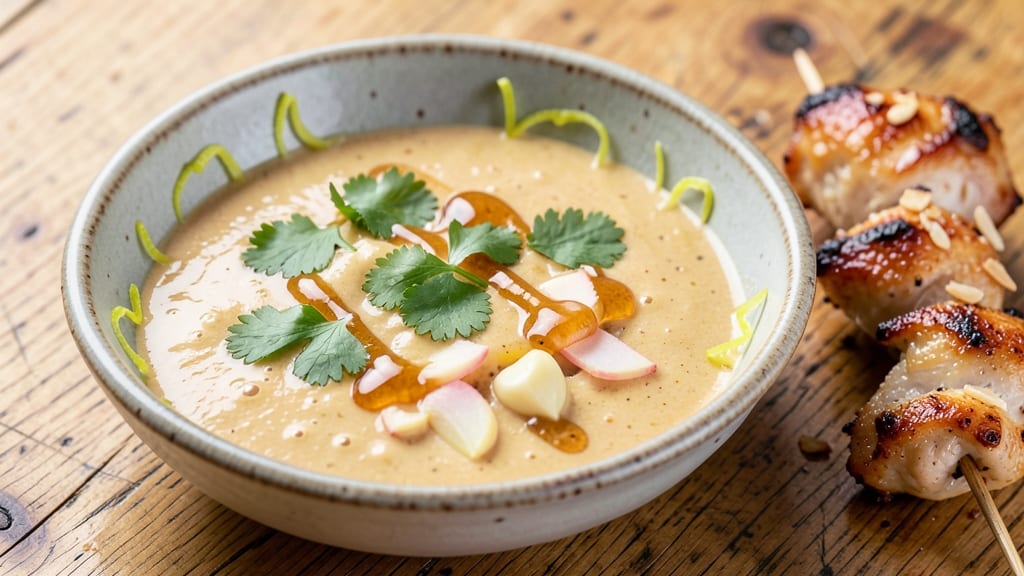
This coconut chicken dipping sauce transforms simple ingredients into a velvety, tropical condiment that clings perfectly without mayo. The secret lies in blending coconut milk with tangy lime and aromatic herbs, creating a sauce that enhances grilled chicken, spring rolls, or even fresh veggies.
What sets this apart is its light, airy texture—no heavy cream or thickeners needed.
The recipe builds on a simple base of coconut milk, lime juice, and a touch of honey for balance, then elevates it with fresh cilantro and ginger for brightness. Unlike traditional creamy dips, this sauce stays silky and cohesive, clinging beautifully to crispy appetizers or tender chicken without turning soggy.
The best part? It comes together in just 10 minutes with ingredients you likely already have.
What you’ll end up with is a tropical, herbaceous sauce that’s rich enough to stand alone but light enough to complement any dish. The lime brightens the coconut’s natural sweetness, while the ginger adds a subtle kick that lingers on the palate.
Perfect for summer gatherings or weeknight dinners, this sauce keeps well in the fridge for up to 5 days, making it ideal for meal prep.
Pair it with grilled coconut chicken, spring rolls, or even as a marinade for shrimp—its versatility makes it a must-have in your condiment arsenal. The recipe scales easily, so double or triple the batch for parties. Here’s how to make it effortlessly.
Ingredients for coconut chicken dipping sauce
Nine tropical ingredients blend into a velvety sauce that clings without mayo's heaviness.
| Ingredient | Amount | Notes |
|---|---|---|
| Full-Fat Coconut Milk 🥥 | 1 cup | Canned, well-shaken for creaminess |
| Fresh Lime Juice 🍋 | ¼ cup | Strained, no pulp preferred |
| Raw Honey 🍯 | 1 ½ tbsp | Local preferred for floral notes |
| Fresh Cilantro Leaves 🌿 | ½ cup | Stems removed, loosely packed |
| Fresh Ginger Root 🌿 | 1 tbsp | Finely grated, skin on |
| Garlic Cloves 🧄 | 2 cloves | Minced, skin on for flavor |
| Extra-Virgin Olive Oil 🫒 | ½ tbsp | Light, fruity variety |
| Fish Sauce 🍶 | ½ tbsp | Red Boat brand preferred |
| Diamond Crystal Kosher Salt 🧂 | ¼ tsp | Fine grain for balance |
| Black Peppercorns 🌶️ | ⅛ tsp | Freshly cracked, coarse |
The coconut milk is non-negotiable—full-fat canned delivers that signature richness. Thai Kitchen or Goya brands keep well in your pantry, but if you've got a local Asian market, their coconut milk often has a deeper flavor. Fresh lime juice is the secret to brightness; Mexican limes are more acidic than Persian, so adjust to taste. The ginger and garlic should be freshly grated/minced—pre-minced garlic loses its punch quickly. For fish sauce, Red Boat is the gold standard, but any reputable brand works. The honey balances the tang, so don't skimp on quality—local raw honey adds subtle floral notes that elevate the sauce.
No coconut milk? Substitute light coconut cream at the same amount, but the texture will be slightly thicker. Short on lime? Lemon juice works in a pinch, but add an extra pinch of salt to compensate for the milder acidity. Fresh herbs wilt fast, so dried cilantro at one-third the amount is an option, though it lacks the fresh brightness. The fish sauce can be omitted for a vegetarian version, but the sauce will taste less complex. For extra umami without fish sauce, 1 tsp soy sauce adds depth. If you're making this ahead, add the lime juice last to preserve its vibrancy—it oxidizes quickly.
This sauce keeps beautifully in an airtight container in the fridge for up to 5 days. For longer storage, freeze in 1-tbsp portions—thaw overnight in the fridge. The texture remains silky when properly stored, but if it separates, simply whisk before using. Double the batch for parties; it's perfect for meal prep. The sauce enhances grilled chicken, spring rolls, or even as a marinade for shrimp—its versatility makes it a pantry staple. For a spicier kick, add a pinch of chili flakes or a dash of sriracha before serving.
Why You'll Love This Recipe
- No Blender Needed: I swear by this—just a fork and a bowl. The ginger and cilantro get finely chopped in seconds, and the coconut milk blends right in with a whisk. Honestly, the only tool you’ll need is the one you already own.
- Bright & Balanced: That first tangy hit of lime juice cuts through the richness of the coconut milk, while the honey adds just enough sweetness to make it dangerously good. The ginger gives it a little kick, so it’s never cloying—always fresh and complex.
- Weeknight & Party Star: Slather it on grilled chicken, toss it with rice, or serve it in tiny bowls at your next BBQ. It’s the kind of sauce that works just as well for a lazy Tuesday dinner as it does for a crowd of guests. (Yes, even on a Tuesday night.)
- Lasts for Days: Between us, this sauce only gets better after a day in the fridge. The flavors meld together, and it’s still creamy and delicious. Plus, you’ll use it up before it spoils—trust me, it’s that good.
Step-by-step instructions for coconut chicken dipping sauce
Here's how to create a perfectly balanced sauce with vibrant flavors and silky texture.
Prepare the Aromatics and Base
In a small saucepan, combine the 1 cup full-fat coconut milk, 0.5 tablespoon extra-virgin olive oil, 1 tablespoon finely grated fresh ginger root, and 2 minced garlic cloves. Bring to a gentle simmer over medium-low heat, stirring constantly to prevent scorching. The mixture should smell fragrant and aromatic—this is your flavor foundation.
Simmer for 5-7 minutes until the coconut milk begins to thicken slightly and the ginger and garlic are completely tender. You'll notice the sauce develop a subtle golden hue and a rich, creamy consistency. This step develops the sauce's depth of flavor while preventing any bitterness from the raw aromatics.
Incorporate the Acid and Sweetness
Remove the saucepan from heat and let it cool for 2 minutes. Then stir in the 0.25 cup fresh lime juice and 1.5 tablespoons raw honey, mixing until completely dissolved. The lime juice will brighten the flavors while the honey adds a delicate sweetness that balances the sauce's complexity.
Return the sauce to low heat and simmer gently for another 3-4 minutes until the mixture reaches a smooth, velvety consistency. You'll see the sauce become slightly thicker as the honey integrates fully. This is where the sauce's signature tropical brightness emerges—don't rush this step, as proper integration ensures no harsh citrus notes remain.
Season and Finish with Herbs
Remove the sauce from heat once more and stir in the 0.5 cup fresh cilantro leaves, 0.5 tablespoon fish sauce, 0.25 teaspoon diamond crystal kosher salt, and 0.125 teaspoon freshly cracked black peppercorns. The cilantro adds a fresh herbal note, while the fish sauce and salt enhance umami depth. The black peppercorns provide a subtle heat that cuts through the richness.
Let the sauce rest for 5 minutes to allow all the flavors to meld completely. The final texture should be smooth with a luxurious, velvety mouthfeel—neither too thin nor overly thick. Taste and adjust seasoning if needed, though this recipe typically balances perfectly. This resting period is crucial for achieving a cohesive flavor profile that's vibrant yet harmonious.
Strain and Serve
Strain the sauce through a fine-mesh sieve into a clean bowl to remove any herb stems or garlic skins, pressing gently with a spatula to extract all the flavorful liquid. This step ensures your sauce has a silky, professional finish without any unwanted textures. The resulting sauce should be a beautiful pale green with a delicate sheen.
Serve immediately while still warm, or refrigerate for up to 3 days in an airtight container. When ready to serve, gently reheat over low heat until warmed through—never boil, as this can cause the sauce to separate. The perfect dipping sauce should coat the back of a spoon with a luxurious, velvety texture that complements grilled chicken, spring rolls, or fresh spring vegetables beautifully.
Pro Tips For Making Coconut Chicken Dipping Sauce
- STRAIN THE COCONUT MILK: Full-fat coconut milk has a thick layer of oil on top—don’t skip scraping that off first. I used to ignore it, and the sauce always tasted greasy and uneven. Use a fine-mesh sieve or cheesecloth to strain it before adding other ingredients, or your sauce will separate like a sad salad dressing.
- GRATE GINGER FINE: Skip the pre-grated jar—it’s packed with starch and tastes like sawdust. Use a microplane or the smallest holes on a box grater, then let it sit for 10 minutes before adding to the sauce. This lets the sharp, bright flavors meld instead of hitting you like a wall of heat.
- ZEST LIME FIRST: Squeeze the lime juice last—after everything else is simmering. The acid will curdle the coconut milk if added too early, turning your creamy sauce into a lumpy mess. Add the juice off the heat and stir gently; if it thickens too much, a splash of warm water fixes it instantly.
- CHOP CILANTRO SMALL: Don’t just toss in whole stems—chop the cilantro into tiny pieces, almost like confetti. This ensures every bite of sauce has that fresh, herby punch without fibrous surprises. If you’re short on time, pulse it in a food processor for 3 seconds, but don’t overdo it or you’ll turn it into pesto.
Make-ahead tips for leftovers
Prep Ahead Secrets
Make this sauce 2 days in advance—its flavors actually deepen in the fridge. Store in an airtight glass container with a lid, pressing plastic wrap directly on the sauce surface to prevent a skin from forming.
The lime juice needs 24 hours to fully meld, so timing is your friend here. 💫
Freezer-Friendly Portions
Freeze in 1-tablespoon portions using silicone ice cube trays for perfect single-use servings. Once frozen, transfer cubes to a ziplock bag, squeezing out excess air. Thaw overnight in the fridge—never microwave directly, as this can break the emulsion. The texture remains silky when handled properly.
Batch Prep Tips
Double or triple the recipe for parties, but divide into 2-quart mason jars with tight lids. Label with the date—this sauce keeps for 1 month in the freezer without texture loss.
For large gatherings, prepare the base (coconut milk, ginger, garlic) ahead, then finish with lime and herbs just before serving to preserve freshness.
Reheating Like a Pro
Gently reheat chilled sauce in a small saucepan over low heat with a splash of water or coconut milk to prevent curdling. Stir constantly until warmed through—never exceed 110°F to avoid separation.
For microwave reheating, use 30-second intervals on low power, stirring between each. A splash of lime juice revives any lost brightness.
Flavor Boost Tricks
Add a pinch of chili flakes or ½ teaspoon sriracha when reheating for a spicy kick. For extra richness, stir in 1 teaspoon toasted coconut flakes during the final simmer. These tweaks let you customize the sauce based on what you're serving—perfect for keeping it exciting week after week.
Storage Containers
Use glass containers over plastic—they preserve the sauce's freshness longer and are more eco-friendly. For travel, opt for a leak-proof glass jar with a silicone lid. If using plastic, choose BPA-free containers to maintain flavor integrity. Always leave ½ inch headspace to account for expansion when refrigerated.
Nutrition facts
Frequently asked questions
Can I make this sauce without coconut milk?
You can substitute light coconut cream at the same amount, but the texture will be slightly thicker. For a dairy-free alternative, try blending 1 cup unsweetened almond milk with 2 tablespoons coconut cream to mimic the richness. The sauce will lose some of its signature tropical depth, but the lime and ginger will still shine.
Why does my sauce look separated after refrigerating?
This happens when the sauce cools too quickly or is stored improperly. Simply whisk in 1 teaspoon warm water or a splash of coconut milk, then stir vigorously for 30 seconds to re-emulsify. For prevention, store in a glass container and press plastic wrap directly on the surface before sealing. The sauce should stay silky if reheated gently over low heat.
What’s the best way to use this sauce beyond dipping?
This versatile sauce doubles as a marinade for grilled shrimp or chicken (use 1/4 cup per pound of protein), a drizzle for spring rolls or pad thai, or even a dressing for tropical salads. For extra cling, brush it on baked chicken wings during the last 5 minutes of baking. The lime and ginger add a zesty kick to any dish!
Can I make this sauce vegetarian?
Yes! Skip the fish sauce and replace it with 1 teaspoon soy sauce or ½ teaspoon miso paste for umami depth. For a vegan version, ensure your honey is plant-based or substitute agave syrup. The sauce will still be vibrant, though the fish sauce adds a unique savory complexity that’s hard to replicate.
How do I adjust the spice level?
For a milder sauce, reduce the black peppercorns to ¼ teaspoon or omit entirely. For heat, add ½ teaspoon sriracha or 1 pinch of chili flakes during the final simmer. If using fresh chili, blend it into the sauce for a smoother finish. Always taste as you go—this sauce is best when balanced to your preference!