
Sauces & Condiments
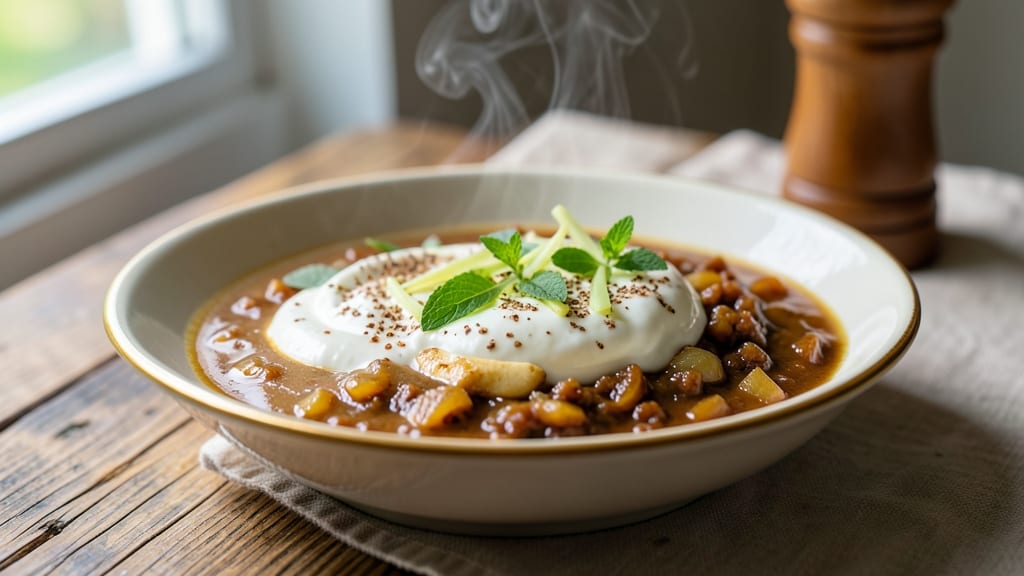
This basic korma sauce recipe delivers the velvety, aromatic foundation of every great Indian curry—rich with coconut milk, yogurt, and warm spices that balance sweetness and earthiness.
The key lies in toasting whole spices until fragrant, then simmering them with onions and garlic until deep golden before adding coconut milk and yogurt for that signature creamy texture. Unlike store-bought versions, this sauce builds flavor gradually, ensuring depth in every spoonful.
The process is straightforward but precise: start with a dry spice toast to unlock their oils, then cook onions until caramelized for natural sweetness. Yogurt adds tang while coconut milk creates that luscious, velvety consistency.
What sets this apart is the balance—just enough cardamom and cinnamon to perfume the sauce without overpowering, and a touch of turmeric for golden color and subtle warmth.
By the time you blend the sauce, you’ll have a smooth, creamy base that’s versatile enough for chicken, lamb, or vegetables, or even as a standalone condiment with naan. The spices mellow beautifully as they simmer, creating a harmony of sweet, spicy, and nutty notes that elevate any dish.
This isn’t just a sauce—it’s the heart of your meal.
Store leftovers in the fridge for up to 5 days, or freeze for longer shelf life. The flavors only deepen over time, making it perfect for batch cooking. Ready in about 30 minutes, this sauce proves that homemade can taste better than anything in a jar.
Ingredients for basic korma sauce
Creamy coconut milk, tangy yogurt, and aromatic spices—this is your shortcut to restaurant-quality korma sauce.
| Ingredient | Amount | Notes |
|---|---|---|
| Coconut Milk 🥥 | 1 ½ cups | Full-fat for creaminess |
| Plain Yogurt 🥛 | ½ cup | Greek or regular, unsweetened |
| Yellow Onions 🧅 | 1 whole | Medium size, finely chopped |
| Garlic Cloves 🧄 | 6 cloves | Peeled, minced finely |
| Ginger Root 🌿 | 1 tbsp | Freshly grated, no zest |
| Cumin Seeds 🌶️ | 1 tsp | Whole seeds, toasted |
| Coriander Seeds 🌿 | 1 tsp | Whole seeds, toasted |
| Cardamom Pods 🌺 | 4 whole | Lightly crushed, seeds only |
| Cinnamon Sticks 🌿 | 1 whole | 1-inch piece, lightly crushed |
| Turmeric Powder 🧂 | ½ tsp | Bright yellow, fresh if possible |
| Ground Black Pepper 🌶️ | ½ tsp | Freshly ground preferred |
| Extra-Virgin Olive Oil 🫒 | 2 tbsp | For dry toasting spices |
| Salt 🧂 | ½ tsp | Kosher or sea salt |
| Lemon Juice 🍋 | 1 tbsp | Freshly squeezed |
The spices are the soul of this sauce. Whole spices like cumin and coriander need toasting to unlock their oils—skip this step, and your sauce will taste flat. Penzeys or Indian grocery stores have the best whole spices, but regular grocery stores work too. Look for vibrant colors: coriander should be golden, cumin should smell earthy, not dusty. Cardamom pods should pop when crushed—if they're hard as rocks, they're stale. Toast them in a dry pan until fragrant (about 30 seconds), then grind with your mortar and pestle or coffee grinder for the freshest flavor. The ginger and garlic? Fresh is non-negotiable—jarred versions add weird aftertaste.
No cardamom? Skip it—it's not essential, but if you must substitute, try a pinch of nutmeg (way less potent). Running low on cumin? Smoked paprika at half the amount adds depth. The yogurt can be swapped for vegetable broth or coconut cream if you're avoiding dairy, but you'll lose that signature tang. For the onions, yellow or red work best—sweet onions are too mild. Caramelizing them until deep golden takes patience, but it's worth it for that natural sweetness. The coconut milk? Full-fat is a must—light versions make the sauce watery. And if you're worried about the sauce being too rich, the yogurt and lemon juice balance it perfectly.
This sauce gets better with time—3 days in the fridge lets the flavors meld beautifully. Store it in an airtight jar with a thin layer of oil on top to preserve freshness. Freezes for 3 months if you want to make a big batch. I always double the recipe and freeze half—perfect for lazy weeknights when you want that restaurant-quality korma flavor without the effort. The sauce thickens as it cools, so thin with a splash of water or milk if needed. And pro tip: Strain it before blending if you don't want any spice bits in your final sauce.
Why You'll Love This Recipe
- Pantry Magic: I swear by this—no special ingredients, just coconut milk, yogurt, and a quick sauté of onions, garlic, and ginger. The kind of recipe that makes me feel like a chef without the stress.
- Creamy Without Guilt: That velvety yogurt-coconut combo? It’s rich but somehow light, like a hug in a bowl. Honestly, I’ve used it over chicken, veggies, even toast—no regrets.
- Leftovers That Shine: This sauce actually improves the next day. I double the batch on Sundays, freeze half, and reheat it for lazy nights. (Yes, even on a Tuesday night.)
- Budget-Friendly Luxury: Onions, garlic, ginger—those are the stars here, and they’re cheap. The coconut milk and yogurt stretch miles, so I’m feeding my family flavor without breaking the bank.
Step-by-step instructions for creamy coconut korma sauce
This aromatic sauce comes together with simple technique and patient layering.
Toast Whole Spices in Olive Oil
Heat the 2 tablespoons extra-virgin olive oil in a medium saucepan over medium-low heat. Add the 1 teaspoon cumin seeds and 1 teaspoon coriander seeds, stirring constantly until they begin to pop and release their fragrance—about 30 seconds. Immediately add the 4 whole cardamom pods (lightly crushed) and 1 whole cinnamon stick (lightly crushed), stirring for another 15 seconds until the spices are fragrant but not burning.
Watch the pan closely—the moment the spices start to darken, remove from heat. This quick toasting enhances their natural oils and prevents bitterness. The pan should smell richly aromatic, like a spice market in the morning. Let the toasted spices sit in the oil for 1 minute before proceeding.
Sauté Onions Until Golden
Add the 1 whole yellow onion (finely chopped) to the warm oil and spices. Cook over medium heat for 8-10 minutes, stirring occasionally, until the onions soften and turn a deep golden brown. You're looking for a caramelized color—not crispy, but richly colored with a sweet aroma developing.
If the onions start to stick, reduce the heat slightly and add 1 tablespoon water to deglaze. This step builds the sauce's depth of flavor. When the onions are nearly done, add the 6 cloves garlic cloves (minced) and 1 tablespoon ginger root (freshly grated), stirring for 1-2 minutes until fragrant. The garlic should soften but not brown.
Add Yogurt and Turmeric
Lower the heat to low and gradually whisk in the ½ cup plain yogurt, adding it slowly to prevent curdling. Stir continuously for 2-3 minutes until the mixture smooths out. Add the ½ teaspoon turmeric powder and ½ teaspoon ground black pepper, mixing well to distribute evenly. The sauce should thicken slightly as it simmers gently.
Here's the thing—if the sauce looks too thick, add 2 tablespoons water to loosen it. You want a smooth, velvety consistency that coats the back of a spoon. Taste and adjust the ½ teaspoon salt if needed. The yogurt will add tangy depth that balances the richness of the coconut milk we'll add next.
Simmer with Coconut Milk
Pour in the 1½ cups coconut milk and stir gently to combine. Increase heat to medium-low and let the sauce simmer for 10-12 minutes, stirring occasionally. The sauce should thicken gradually, coating the back of a spoon with a glossy sheen. You're looking for a consistency that's creamy but not heavy—like a luxurious soup.
Real talk: Don't let the sauce boil. A gentle simmer preserves the delicate flavors. If it starts to curdle, immediately reduce heat to lowest and whisk vigorously. The coconut milk should infuse the spices completely, creating that signature korma aroma—warm, floral, with hints of cardamom and cinnamon.
Finish with Lemon and Adjust
Remove the sauce from heat and stir in the 1 tablespoon lemon juice. This brightens the flavors and cuts through the richness of the coconut. Taste and make final adjustments—more salt if needed, or a splash of water if the sauce is too thick. The sauce should be perfectly balanced: creamy, aromatic, with a subtle tang.
Let the sauce sit off heat for 5 minutes before using. This resting period allows all the flavors to meld together. For best results, use immediately over grilled chicken, fish, or with rice. The sauce keeps well in the refrigerator for 3 days, though it's best enjoyed fresh when the spices are at their peak aroma.
Pro Tips For Making Basic Korma Sauce
- Bloom the Onions Slow: Low heat is your friend here—cook those onions for 10-12 minutes until they’re deep golden and almost caramelized, not just soft. I used to rush this, and the sauce would taste flat; patience builds flavor. Stir occasionally, and resist the urge to crank the heat when you’re impatient.
- Strain the Yogurt: Skip the watery yogurt—strain it through a clean kitchen towel or fine mesh sieve for at least 30 minutes before using. This removes excess liquid and thickens your sauce naturally, so it doesn’t turn into a thin, sad curry. (Yes, even if you’re in a hurry—it’s worth the wait.)
- Simmer, Don’t Boil: Once you add the coconut milk, keep the sauce at a gentle simmer, not a rolling boil. Boiling can split the milk, making it separate and grainy—trust me, you’ll taste the difference. A low simmer keeps it creamy and cohesive.
- Toast the Spices First: Before adding anything else, dry-toast your whole spices (coriander, cumin, etc.) in the same pot for 30 seconds until fragrant. This wakes up their flavor and prevents that dull, raw taste in the final sauce. (And yes, even if you’re making a "basic" version, this makes a real difference.)
Perfect pairings for this recipe
Protein Pairings
This creamy korma sauce shines with grilled chicken thighs—their juicy texture soaks up the sauce beautifully. Marinate the chicken in 1 tbsp yogurt and ½ tsp garam masala for 30 minutes before grilling.
For seafood lovers, try firm white fish like cod or halibut, which cooks in just 8-10 minutes in the sauce without falling apart. 🍗
For vegetarians, pan-seared tofu or extra-firm chickpeas work perfectly. Press tofu into ½-inch thick slabs, pan-fry until golden, then simmer in the sauce for 5-7 minutes. The sauce’s richness complements the tofu’s neutral flavor while adding depth.
Lamb shoulder, slow-cooked until tender, also pairs wonderfully—just shred it and toss with the sauce for a hearty dish.
Side Dish Harmony
Serve with steamed basmati rice or jeera rice (cumin-infused) to soak up every last drop of sauce. For extra texture, add toasted cashews or almonds—about 2 tbsp—stirred in at the end.
A simple cucumber raita (yogurt with grated cucumber and mint) cuts through the richness, balancing the dish beautifully. 🥗
Warm naan or roti is a must—use the sauce to brush the bread before serving for an extra flavor boost. For a lighter option, serve with quinoa or cauliflower rice. The sauce’s creaminess contrasts perfectly with the nutty grains, creating a satisfying meal every time.
Beverage Pairings
A crisp mango lassi (blended yogurt with mango pulp and ice) is the perfect drink to accompany this sauce. The sweet-tart balance complements the korma’s spices beautifully. For something stronger, try a citrusy Indian white wine like Chenin Blanc—its acidity cleanses the palate between bites. 🍷
If you prefer beer, a light lager like Kingfisher or a wheat beer with subtle citrus notes works well. Avoid heavy ales or dark beers, which can overpower the delicate flavors. For a non-alcoholic option, sparkling lime soda with a squeeze of lemon adds refreshing contrast to the rich sauce.
Nutrition facts
Frequently asked questions about korma sauce
Can I make this sauce without coconut milk?
Yes! For a dairy-free version, substitute coconut milk with ½ cup cashew cream (blended soaked cashews) or ½ cup heavy cream. The sauce will still be rich, though coconut milk gives that signature floral aroma. For a lighter option, use ½ cup Greek yogurt plus ½ cup water to maintain creaminess without dairy.
Why did my sauce curdle when adding yogurt?
Curdling happens when yogurt hits heat too fast. Always lower heat to low and whisk yogurt in slowly over 1-2 minutes. If it curdles, immediately reduce heat to lowest and whisk vigorously. A splash of cold water can also help stabilize it. For extra insurance, mix yogurt with 2 tbsp cold water before adding to the pan.
How can I make this sauce spicier?
Add ½ teaspoon cayenne pepper or 1 teaspoon Kashmiri chili powder when simmering with coconut milk. For heat with depth, stir in 1-2 teaspoons minced green chili peppers during the onion cooking stage. Toast ½ teaspoon black peppercorns with the initial spices for extra warmth.
Can I use powdered spices instead of whole?
While whole spices give the best flavor, you can substitute with ½ teaspoon ground cumin, ½ teaspoon ground coriander, ¼ teaspoon ground cardamom, and ¼ teaspoon cinnamon. Skip toasting—just add them directly with the onions. The sauce will still be flavorful, though less aromatic. For cardamom, ¼ teaspoon nutmeg works as a substitute.
How do I use leftover sauce?
Store in an airtight container in the fridge for 3-5 days or freeze for 3 months. Reheat gently on low heat with 1-2 tbsp water to restore creaminess. Use as a marinade for proteins, stir into soups, or drizzle over grilled vegetables. For extra richness, whisk in 1 tbsp melted butter or 1 tbsp coconut cream before serving.