
Sauces & Condiments
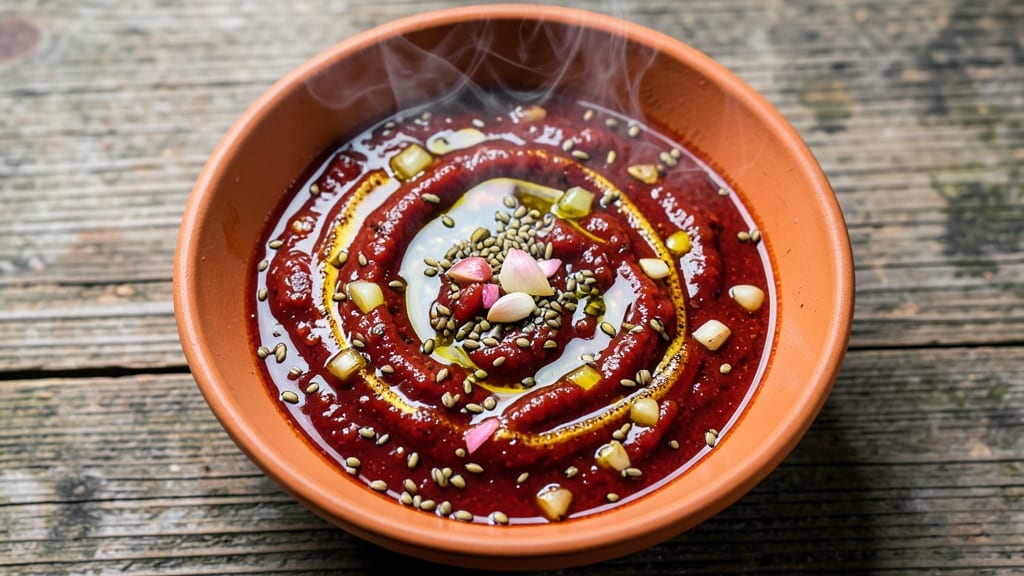
This basic Indian curry sauce recipe transforms simple pantries into aromatic spice bowls—20 minutes of sizzling onions, blooming spices, and simmered tomatoes create a versatile foundation for countless dishes.
I developed it during a particularly busy week when I needed a foolproof base that delivered restaurant-quality depth without complicated techniques. The secret lies in proper spice blooming and slow reduction, which builds layers of flavor that store-bought sauces simply can't match.
The process begins with gently toasting whole spices until fragrant, then building the sauce through careful layering—onions caramelize first, followed by tomatoes that break down into a rich, slightly sweet base.
This method ensures your sauce has that authentic Indian character with balanced heat, tang, and umami that works equally well with chicken, lamb, vegetables, or even as a marinade. The result is a smooth, velvety sauce with just the right consistency to cling to proteins or coat grains.
What makes this recipe truly practical is its flexibility—adjust the heat level by adding more or less chili powder, or deepen the flavor by simmering longer for a thicker consistency.
The sauce keeps beautifully in the refrigerator for up to 5 days or can be frozen for 3 months, making it perfect for meal prep. Whether you're cooking for a crowd or saving time on weeknights, this sauce delivers professional results with minimal effort.
For those who prefer their curries extra aromatic, consider adding a pinch of asafoetida (hing) when blooming the spices—a tiny amount goes a long way in creating that signature Indian depth. The key is patience during the spice toasting stage; don't rush this step, as it forms the flavor foundation.
With this sauce, you'll have the building blocks for countless curry dishes without the guesswork.
Ingredients for basic curry sauce recipe indian
Pantry staples meet aromatic spices—this is where restaurant-quality curry sauce begins.
| Ingredient | Amount | Notes |
|---|---|---|
| Yellow Onions 🧅 | 1 ½ cups | Finely diced for even cooking |
| Garlic Cloves 🧄 | 6 cloves | Peeled and roughly chopped |
| Fresh Ginger 🌿 | 2 tbsp | Finely grated, not minced |
| Canned Tomato Sauce 🍅 | 1 ½ cups | San Marzano preferred for sweetness |
| Ground Cumin 🌿 | 1 ½ tbsp | Toasted for deeper aroma |
| Ground Coriander 🌶️ | 1 tbsp | Freshly ground preferred |
| Turmeric Powder 🌶️ | 1 tsp | Bright orange color indicator |
| Chili Powder 🔥 | 1 tbsp | Adjust for heat preference |
| Garam Masala 🌶️ | 1 tsp | Toasted whole spices preferred |
| Asafoetida (Hing) 🌿 | ¼ tsp | Pinch for authentic depth |
| Extra-Virgin Olive Oil 🫒 | ½ cup | High-quality for flavor |
| Water 💧 | 1 cup | For adjusting consistency |
| Salt 🧂 | 1 ½ tsp | Diamond Crystal preferred |
The onions and garlic are your flavor anchors—yellow onions caramelize beautifully for that sweet base, while garlic cloves should be roughly chopped (not minced) to avoid bitterness. For ginger, fresh is non-negotiable—the zingy heat and brightness can't be replicated with powder. I always grab mine from the Asian market where it's sold in knobby roots, but any fresh ginger works. The San Marzano tomato sauce is worth the splurge—its natural sweetness balances the spices perfectly, and the Whole Foods bulk section has great prices if you're buying in bulk.
No ground spices? Toast whole cumin and coriander seeds in a dry pan for 30 seconds, then grind them fresh—the difference is night and day. Running short on chili powder? Cayenne pepper at half the amount works in a pinch, but you'll want to add a pinch of sugar to balance the heat. The garam masala is where the magic happens—if you can't find it, mix equal parts cinnamon, cardamom, cloves, and black pepper. Asafoetida (hing) is that tiny ingredient that makes or breaks authenticity—skip it if you're sensitive to its strong aroma, but trust me, it's worth the slight funk for that restaurant-quality depth.
This sauce keeps beautifully—5 days in the fridge, 3 months frozen. For freezing, portion into ice cube trays first, then transfer to a bag. Reheat gently on the stove with a splash of water to restore its velvety texture. The sauce thickens as it cools, so add water gradually if you prefer it thinner. I double the batch every time—one for immediate use, one for the freezer. The flavor actually deepens over time, making it perfect for meal prep.
Why You'll Love This Recipe
- Here’s what sold me: dump the canned tomato sauce in, stir, and it’s done. No blenders, no straining, no mess. My Tuesday nights just got a whole lot easier.
- Fewer Ingredients, Bigger Impact: I swear by this—just onions, garlic, ginger, and cumin. That earthy cumin toasted in oil? It’s the backbone, and it transforms something simple into something deep. No spice rack required.
- Weeknight Magic: Here’s what sold me: dump the canned tomato sauce in, stir, and it’s done. No blenders, no straining, no mess. My Tuesday nights just got a whole lot easier.
- Leftovers That Shine: This sauce keeps for days, and honestly? It tastes better the next time. Freeze half for lazy nights, or toss it into eggs, rice, or even a quick pasta—it’s the ultimate flavor multiplier.
Step-by-step instructions for building rich Indian curry sauce
Here's how to develop layers of aromatic depth using only your stovetop and these pantry staples.
Bloom the Spices in Olive Oil
Heat the 0.5 cup extra-virgin olive oil in a heavy-bottomed saucepan over medium-low heat. Add the 1.5 tablespoons ground cumin and 1 tablespoon ground coriander, stirring constantly for 30 seconds until the spices release their essential oils and begin to sizzle gently. This process, called "blooming," unlocks their full aromatic potential.
Next, add the 1 tablespoon chili powder and 1 teaspoon turmeric powder, stirring for another 30 seconds until the mixture smells deeply earthy and slightly sweet. The turmeric will immediately turn the oil a vibrant golden yellow—this is your visual cue that it's active. Keep the heat low here; spices burn quickly and lose their complexity when scorched.
Sauté Aromatics Until Fragrant
Add the 1.5 cups finely diced yellow onions to the spice oil and cook over medium heat for 5-6 minutes, stirring occasionally. The onions should soften and begin to caramelize at the edges, developing a deep golden color. This step builds the sauce's sweet foundation—don't rush it, or you'll end up with raw onion flavor.
When the onions are tender and just starting to brown, add the 6 cloves roughly chopped garlic and 2 tablespoons finely grated fresh ginger. Cook for 1-2 minutes until the garlic turns golden and the raw aroma disappears. The ginger should melt into the mixture completely. Here's where the sauce starts to develop its signature complexity—these aromatics form the heart of any great curry.
Incorporate Tomato Sauce and Simmer
Pour in the 1.5 cups canned tomato sauce and stir vigorously to scrape up any browned bits from the bottom of the pan. This technique, called "deglazing," captures all the flavor that would otherwise be lost. Add the 0.25 teaspoon asafoetida (hing) and 1.5 teaspoons salt, then bring the mixture to a gentle simmer over medium heat.
Let the sauce cook uncovered for 8-10 minutes, stirring occasionally, until it thickens slightly and the raw tomato flavor mellows into something rich and velvety. You'll notice the color deepen to a rich reddish-brown as the spices meld with the tomatoes. This is when the sauce truly comes together—patience here makes all the difference.
Finish with Water and Garam Masala
Reduce the heat to low and stir in the 1 cup water. The sauce should bubble gently but not boil vigorously. Let it simmer for 5-7 minutes until it reaches your desired consistency—it should coat the back of a spoon but still be pourable. Taste and adjust the salt if needed; the flavors should be balanced between sweet, spicy, and savory.
Finally, remove the pan from heat and stir in the 1 teaspoon garam masala. This step adds the final layer of complexity—warm, toasty notes that elevate the sauce from good to exceptional. Let the sauce sit off the heat for 2-3 minutes to allow the spices to fully infuse. The aroma should be intoxicatingly rich, with layers of cumin, coriander, and cardamom notes.
Pro Tips For Making Basic Curry Sauce Recipe Indian
- Sauté Onions Slow and Low: I used to rush this step and end up with bitter, gray onions that ruined the whole sauce. Instead, cook them on medium heat for 8-10 minutes until golden—not caramelized, just soft and translucent. That’s when their sweetness really starts to develop and blend into the curry.
- Grate Ginger Like You Mean It: Fresh ginger needs to be finely grated—almost like a paste—for it to dissolve properly into the sauce. I learned this the hard way when chunks lingered and made the texture uneven. Use the smallest holes on a box grater or pulse in a food processor until it’s smooth.
- Toast Cumin Until It Sings: Don’t just toss it in—bloom that cumin in hot oil for 30 seconds until it smells nutty and aromatic. That’s when it releases its full flavor. Skipping this step means you’re basically using ground-up cumin seeds instead of the deeper, toasted version.
- Simmer Tomato Sauce Longer: The canned tomato sauce needs at least 15 minutes of gentle simmering to break down and meld with the spices. I know it’s tempting to rush, but this is where the sauce goes from "meh" to "rich and cohesive." Stir occasionally and let it thicken naturally.
Perfect pairings for this basic curry sauce recipe indian
Side Dish Harmony
This curry sauce pairs beautifully with steamed basmati rice—its neutral flavor lets the sauce's complexity shine. I like to cook 1 cup basmati rice with 2 cups water and a pinch of salt, then fluff it with 1 tablespoon ghee for extra richness.
For a protein boost, serve with garlic naan or roti—the warm, pillowy texture contrasts perfectly with the sauce's velvety texture. 🥘
Protein Pairings
For chicken lovers, cook 1.5 lbs boneless thighs in the sauce until tender (about 25-30 minutes), then finish with fresh cilantro. For vegetarian options, try cauliflower florets or chickpeas—toss them with the sauce and roast at 400°F for 20 minutes.
The sauce also elevates shrimp skewers—simmer 1 lb shrimp in the sauce for 5-6 minutes until pink. 🍤
Beverage Balance
A crisp mango lassi cuts through the sauce's richness—mix 1 cup yogurt, ½ cup mango purée, and ½ cup cold water with ice. For beer drinkers, a session IPA like New Belgium Fat Tire complements the spice with its citrusy hops.
Wine lovers should opt for a dry Riesling—its acidity refreshes the palate between bites. 🍷
Garnish Game-Changers
Finish dishes with fresh cilantro and toasted cashews—the crunch and herbal notes elevate every bite. For extra depth, drizzle with 1 tbsp tamarind paste (diluted in water) or a squeeze of lemon juice.
A sprinkle of crispy fried onions adds texture, while a dollop of plain yogurt cools the heat. These garnishes transform simple curries into restaurant-worthy meals. ✨
Global Fusion Twists
Blend this sauce with Italian tomato passata for a fusion marinara—simmer 1 cup passata with ½ cup curry sauce and a pinch of oregano. For a Thai-inspired twist, stir in 1 tbsp fish sauce and 1 tsp palm sugar.
The curry sauce also works in Mexican chili—mix 1 cup sauce with 2 cups beans** and top with avocado. 🌍
Nutrition facts
Frequently asked questions
Can I make this curry sauce without fresh ginger?
You can substitute 1 tbsp ground ginger for the fresh, but the flavor won't be as vibrant. For a better alternative, try 1 tbsp ginger juice (from bottled or fresh) or ½ tsp ginger powder plus ½ tsp lemon juice to mimic the fresh zing. The sauce will still work, but the depth of flavor will be noticeably different.
How do I adjust the heat level in this sauce?
For milder heat, reduce the chili powder to ½ tbsp and add ½ tsp sugar to balance. For extra spice, increase the chili powder to 1.5 tbsp and add ½ tsp cayenne pepper. Always taste as you go—you can add more heat but can't remove it! For a smoky kick, add ½ tsp smoked paprika when blooming the spices.
Can I make this sauce in a slow cooker?
Yes! Sauté the onions, garlic, and spices in a pan first, then transfer everything to the slow cooker with the tomato sauce and water. Cook on low for 3-4 hours or high for 1.5-2 hours, stirring occasionally. The slow cooker method creates an even deeper flavor, but you may need to add 1-2 tbsp water if the sauce gets too thick.
What's the best way to store leftover sauce?
Let the sauce cool completely, then store it in an airtight container in the fridge for up to 5 days. For longer storage, portion into ice cube trays, freeze until solid, then transfer to a freezer bag. Frozen sauce keeps for 3 months. To reheat, warm gently on the stove with 1-2 tbsp water** to restore its smooth texture.
Why does my sauce taste bitter?
Bitterness usually comes from overcooking the spices or garlic.