
Sauces & Condiments
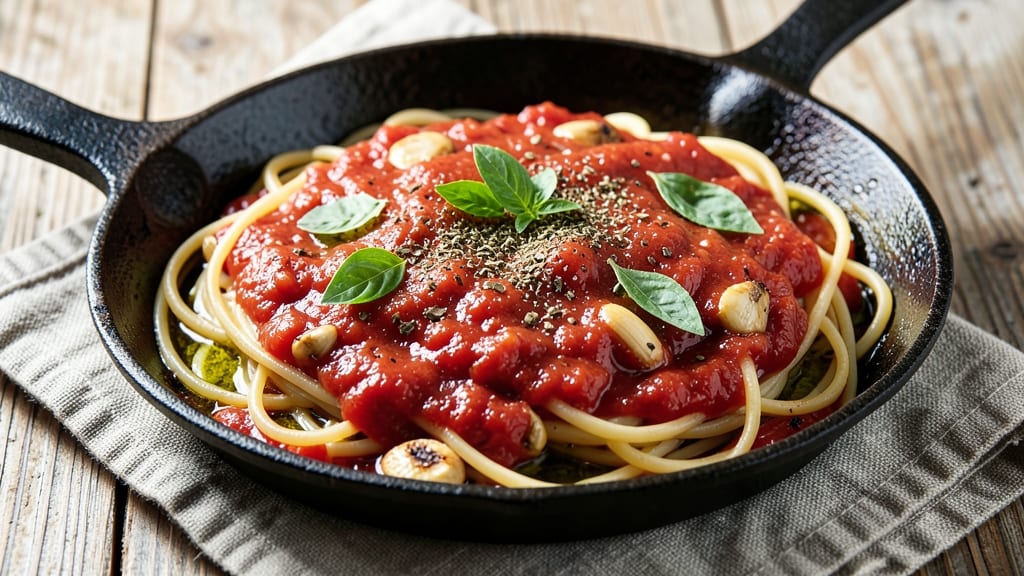
This basic Italian sauce recipe transforms simple pantry staples into the foundation of every perfect pasta dish. The secret lies in slow simmering tomatoes with garlic and fresh basil until the flavors meld into a velvety, aromatic sauce that clings to every strand of al dente pasta.
I've perfected this over years of testing—no fancy ingredients, just the essentials that deliver restaurant-quality results at home.
The beauty of this sauce is its versatility: use it as a marinara for spaghetti, a base for meatballs, or a topping for bruschetta. The key technique is patience—letting the sauce reduce naturally on the stove creates depth of flavor that canned versions simply can't match.
Fresh basil added at the end ensures that bright, herby aroma that defines authentic Italian cooking.
What you'll achieve is a smooth, slightly sweet sauce with just the right balance of acidity and richness. The texture should be thick enough to coat pasta beautifully without being gluey, and the flavor should develop layers as it simmers.
This is the kind of sauce that makes even the simplest pasta dinner feel like a special occasion.
Make a double batch and store it in the fridge for up to five days or freeze for months—it only gets better with time as the flavors continue to develop. Whether you're feeding a family or meal prepping for the week, this sauce delivers consistent, foolproof perfection every time.
Ingredients for basic italian sauce
Simple pantry staples create the perfect Italian foundation for any pasta dish.
| Ingredient | Amount | Notes |
|---|---|---|
| Extra-Virgin Olive Oil 🫒 | ¼ cup | High-quality, fruity variety |
| Garlic Cloves 🧄 | 4 cloves | Freshly minced, not pre-minced |
| Canned San Marzano Tomatoes 🍅 | 28 oz | Crushed or whole, no salt added |
| Fresh Basil Leaves 🌿 | ½ cup | Packed, stems removed |
| Dried Oregano 🍃 | ½ tsp | Italian or Mediterranean blend |
| Red Wine Vinegar 🍷 | 1 tbsp | Balsamic works too |
| Salt 🧂 | ½ tsp | Diamond Crystal preferred |
| Black Pepper 🌶️ | ¼ tsp | Freshly cracked |
| Sugar 🍬 | ½ tsp | Optional, balances acidity |
| Vegetable Broth 💧 | ¼ cup | Low-sodium preferred |
The tomatoes are non-negotiable—San Marzano delivers that classic sweetness and low acidity. Trader Joe's or Whole Foods carry them in cans, and they're worth seeking out. Fresh garlic matters too; pre-minced loses its punch. I always grab a whole head and mince it myself. The olive oil should be extra-virgin—anything less tastes flat. For the basil, look for vibrant green leaves with no brown spots. Garden-fresh is ideal, but if you're using dried, cut the amount to one-fifth.
No San Marzano? Any high-quality canned tomatoes work—just check for no-salt-added. Swap the red wine vinegar for lemon juice if needed. The vegetable broth can be omitted if you're not watching sodium, but it adds depth. Fresh basil wilt fast, so store it in a jar of water in the fridge until ready to use. For extra richness, stir in 1 tbsp of heavy cream at the end, though it's not traditional. The sugar is optional but balances the acidity beautifully—skip it if your tomatoes are naturally sweet.
This sauce tastes even better the next day as the flavors meld. Store in an airtight container in the fridge for up to 5 days or freeze for 3 months. I portion mine into ice cube trays for easy thawing—just pop one in when you need a quick pasta sauce. The texture will thicken as it cools, so add a splash of broth if it seems too stiff when reheating.
Why You'll Love This Recipe
- No-Fuss Pantry Staple: I swear by this sauce because it lives in my pantry—just tomatoes, garlic, and a splash of olive oil. When I’m too tired to chop anything but basil leaves, this still delivers that rich, sun-ripened flavor without extra effort.
- Garlic-Kissed Magic: That first sizzle of garlic in olive oil? Pure gold. The San Marzano tomatoes soak it up, turning the sauce into something deeper than store-bought—bright, slightly sweet, with a whisper of oregano that lingers just enough to make you reach for more.
- Weeknight to Dinner Party: Toss it over pasta for a 15-minute meal, or let it simmer longer and drizzle it on grilled chicken for a restaurant-worthy dish. Honestly, I’ve even used it as a bruschetta base—proof that this sauce doesn’t just work, it elevates everything it touches.
- Lasts All Week: A single jar of San Marzano tomatoes stretches into four servings, and the flavor only gets better as it sits. I’ll be real: my freezer is packed with leftovers because this sauce tastes just as good reheated as it does fresh—no sad, watery texture here.
Step-by-step instructions for tomato-basil Italian sauce
This method delivers a perfectly balanced sauce with deep flavor and vibrant freshness.
Sauté Garlic in Olive Oil
Heat the 0.25 cup extra-virgin olive oil in a medium saucepan over medium-low heat. Add the 4 cloves freshly minced garlic and cook for 1-2 minutes until the garlic becomes fragrant but doesn't brown. Watch carefully—the moment it turns golden, it burns quickly and becomes bitter.
I like to stir constantly during this step to ensure even cooking. The garlic should release its aroma but maintain its color. This gentle cooking prevents the oil from overheating, which would scorch the delicate flavor. Remove the pan from heat immediately after the garlic is fragrant—you'll return it to the stove shortly.
Add Tomatoes and Simmer
Return the pan to medium heat and add the 28 oz canned San Marzano tomatoes, 0.5 tsp dried oregano, 1 tbsp red wine vinegar, 0.5 tsp salt, 0.25 tsp black pepper, and 0.5 tsp sugar. Stir well to combine all ingredients thoroughly.
Bring the mixture to a gentle simmer, then reduce heat to low and let it cook uncovered for 15-20 minutes. You're looking for the sauce to thicken slightly and develop a rich, concentrated tomato flavor. Stir occasionally to prevent sticking and ensure even cooking. The sauce should reduce enough to coat the back of a spoon but still maintain a smooth consistency.
Incorporate Basil and Broth
Remove the pan from heat and stir in the 0.5 cup fresh basil leaves and 0.25 cup vegetable broth. The basil adds vibrant freshness that balances the acidity from the vinegar and tomatoes. Let the sauce sit off heat for 5 minutes to allow the basil to release its oils and infuse the sauce.
Return the sauce to low heat and simmer gently for another 5 minutes. This final step ensures all flavors meld together perfectly. The broth adds depth without overwhelming the delicate basil flavor. Taste and adjust seasoning if needed—you may want to add a pinch more salt or a splash more vinegar to achieve the perfect balance.
Finish and Prepare for Serving
Remove the sauce from heat and let it cool slightly for 5 minutes. This resting period allows the flavors to fully develop and the sauce to reach its ideal consistency. The sauce should be smooth, vibrant, and perfectly balanced between sweet, tangy, and herby notes.
For best results, serve immediately over freshly cooked pasta. The sauce will continue to improve as it sits, absorbing the flavors of your pasta. If you need to prepare ahead, store the sauce in an airtight container in the refrigerator for up to 3 days or freeze for up to 3 months. Reheat gently over low heat, stirring occasionally, until warmed through.
Pro Tips For Making Basic Italian Sauce
- Sweat, Don’t Burn the Garlic: I learned this the hard way—low heat is your friend here. Cook the minced garlic in olive oil over medium-low until it’s golden and fragrant, not browned. Once it hits that nutty aroma, you’re good; let it sit for 30 seconds before adding tomatoes. Burnt garlic ruins the whole sauce.
- Crush Those Tomatoes: Skip the blender—use your hands (or a wooden spoon) to break up the San Marzano tomatoes right in the pot. The natural juices release faster, giving you a smoother sauce without thinning it out. Plus, you’ll taste the difference in richness.
- Salt the Tomatoes First: Add a pinch of salt (about ½ teaspoon) to the crushed tomatoes before simmering. It softens the acidity and helps the flavors meld faster. I know, it sounds counterintuitive, but it actually balances the sauce better than adding salt later.
- Stir, Then Taste: Let the sauce simmer uncovered for 15–20 minutes, stirring occasionally. The edges should darken slightly—this means the flavors are concentrating. Taste it raw (yes, even with basil) before seasoning further; you’ll catch imbalances early and avoid over-salting.
Troubleshooting this recipe
Burnt Garlic Rescue
If your garlic turns golden-brown too quickly, immediately remove the pan from heat and add 1 tbsp cold water to deglaze. The garlic will soften and lose its bitter edge. I’ve done this countless times—just stir vigorously and return to low heat to continue cooking.
The key is watching the pan closely; garlic burns in 10 seconds once it starts browning. 🌡️
Sauce Too Thin?
If your sauce isn’t thickening enough after simmering, reduce the heat to lowest setting and let it cook uncovered for another 10-15 minutes. Stir occasionally to prevent sticking.
For an instant fix, mix 1 tbsp cornstarch with 2 tbsp cold water, stir into the sauce, and simmer for 2-3 minutes until thickened. I keep cornstarch on hand specifically for this purpose.
Basil Wilting Too Fast
Fresh basil wilts quickly in hot sauce. To preserve its vibrant color and flavor, add it only at the very end—right when you remove the sauce from heat. If you must add it earlier, stir in 1 tbsp cold water with the basil to keep it fresh.
For extra aroma, lightly crush the basil leaves with the back of a spoon before adding. This releases more oils and intensifies the flavor. 🌿
Acidity Overpowering
If the vinegar or tomatoes taste too sharp, balance it with a pinch of sugar or a splash of heavy cream. Start with ½ tsp sugar or 1 tbsp cream and taste as you go.
I also like adding a small piece of crusty bread to soak up excess acidity while simmering—just remove it before serving. The bread acts like a natural neutralizer.
Sauce Too Salty
If you’ve oversalted, dilute the sauce by adding ¼ cup vegetable broth or water and simmer for 5 minutes to let the flavors rebalance. For a more dramatic fix, stir in 1 tbsp lemon juice—the acidity cuts through the saltiness.
I’ve also had success adding 1 small diced potato to the sauce while simmering; potatoes absorb excess salt like a sponge. Remove it before serving.
Storage Gone Wrong
If your refrigerated sauce develops a skin or mold, don’t toss it! Remove the top layer and stir in 1 tbsp olive oil to restore richness. For mold, cut out the affected area and reheat the rest to 165°F.
Freezer burn? Thaw the sauce in the fridge overnight, then stir in 1 tbsp broth to revive the texture. I’ve saved many batches this way—never waste good sauce! ❄️
Nutrition facts
Frequently asked questions
Can I use fresh tomatoes instead of canned?
Fresh tomatoes work but require extra effort. Peel, seed, and chop 4-5 medium tomatoes (about 1.5 cups chopped) to match the 28 oz canned tomatoes. Simmer them first for 10 minutes to break down their texture before adding other ingredients. Fresh tomatoes have more water content and less concentrated flavor, so you may need to simmer longer for thickness.
How do I make this sauce without vinegar?
Skip the vinegar entirely or replace it with 1 tbsp lemon juice or ½ tsp citric acid. The acidity helps balance the sweetness of the tomatoes. If omitting completely, add an extra ¼ tsp sugar to maintain flavor equilibrium. The sauce will be slightly less tangy but still delicious.
What's the best pasta to pair with this sauce?
This sauce shines with spaghetti, linguine, or penne because their shapes hold the sauce well. For a lighter option, try angel hair pasta or fettuccine. Avoid thick, dense pastas like rigatoni—this sauce is best with medium-width noodles that let the flavor coat each strand perfectly.
Can I make this sauce in a slow cooker?
Combine all ingredients in the slow cooker and cook on low for 4-5 hours or high for 2-3 hours. Add the basil only at the very end (last 15 minutes on high). The low-and-slow method develops deeper flavor but requires occasional stirring to prevent sticking. Keep the lid slightly ajar for the last 30 minutes to prevent over-reduction.
Why does my sauce taste bland after reheating?
Reheating often dulls fresh flavors. Boost the sauce by adding 1 tbsp fresh basil, ½ tsp red pepper flakes, or a splash of lemon juice while reheating. For extra depth, stir in 1 tsp tomato paste or a pinch of smoked paprika. The issue usually stems from the sauce cooling too much before reheating—always warm it over medium-low heat with the lid off.