
Sauces & Condiments
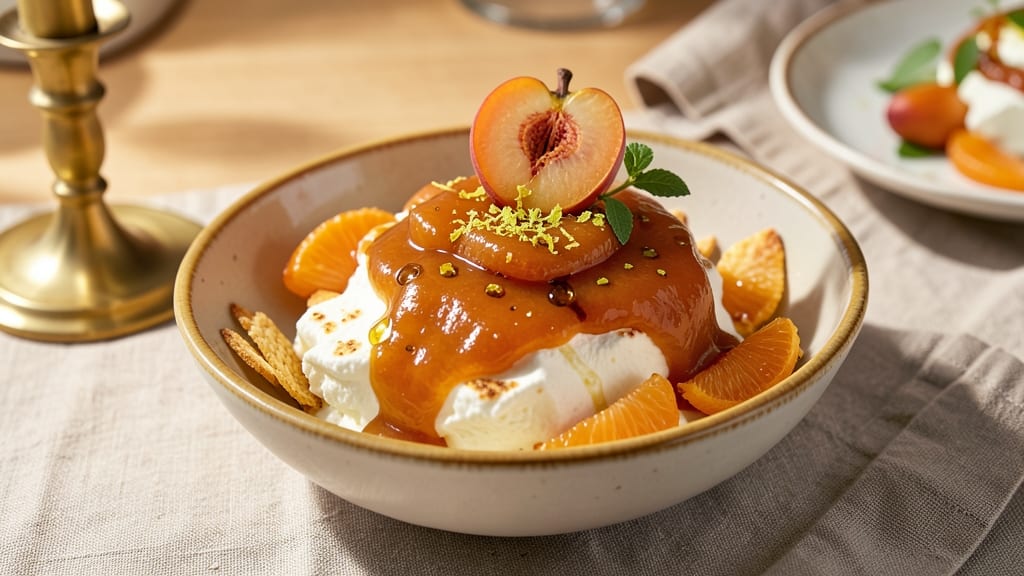
This apricot sauce recipe transforms simple pastries into showstopping desserts with its velvety texture and natural sweetness. 💛 The secret lies in balancing fresh apricots with just enough sugar and a touch of cornstarch for that perfect, glossy finish—no artificial ingredients needed.
What makes it special is how it enhances everything from pancakes to cheesecake, adding depth without overpowering flavors.
Simmering the sauce creates a rich, caramelized base that thickens beautifully, while a quick blend ensures a smooth, restaurant-quality drizzle. The process is straightforward: combine ingredients, simmer until thickened, then cool to achieve that ideal consistency. This sauce isn’t just a topping—it’s the star that elevates any dessert.
What you’ll end up with is a versatile sauce that’s perfect for drizzling over warm pastries, swirling into yogurt, or even pairing with savory dishes like grilled meats. The natural sweetness of apricots shines through, making it a healthier alternative to store-bought syrups.
Plus, it keeps well in the fridge for up to a week, so you can make a batch and enjoy it all season long.
Ready to take your desserts to the next level? This apricot sauce is your secret weapon for adding a touch of elegance and flavor. Let’s get started!
Ingredients for apricot sauce recipe dessert
Eight ingredients to transform ordinary desserts into extraordinary ones.
| Ingredient | Amount | Notes |
|---|---|---|
| Fresh Apricots 🍑 | 1 ½ lb | Pitted and roughly chopped |
| Granulated Sugar 🍚 | ½ cup | Organic preferred for purity |
| Water 💧 | 1 cup | Filtered preferred |
| Cornstarch 🌾 | 1 tbsp | For silky texture |
| Lemon Juice 🍋 | 1 tbsp | Freshly squeezed |
| Extra-Virgin Olive Oil 🫒 | 1 tbsp | For richness |
| Ground Cinnamon 🌿 | ½ tsp | Toasted for depth |
| Sea Salt 🧂 | ¼ tsp | Fine grain preferred |
The apricots are the heart of this sauce—look for ripe, firm ones with vibrant orange color. Trader Joe's and Whole Foods often carry the best quality, but any grocery store's fresh produce section works. If you can't find fresh apricots, frozen unsweetened apricots work beautifully too—just thaw and drain them first. The sugar amount is flexible; if your apricots are particularly tart, add another tablespoon. For that restaurant-quality finish, organic sugar adds subtle depth, but regular granulated sugar works perfectly fine.
No fresh apricots? Canned apricot preserves (unsweetened) can be thinned with water and strained to mimic the texture. Swap the olive oil for avocado oil if you prefer a neutral flavor, or use butter for extra richness. The cornstarch is essential for that velvety finish—don't skip it! If you're avoiding cornstarch, arrowroot powder works at the same ratio. For a spiced variation, add a pinch of cardamom or vanilla extract. The lemon juice brightens the flavor, so if you're using very ripe apricots, you might want to reduce it to half a tablespoon.
This sauce thickens as it cools, so let it sit for 10-15 minutes before blending for the smoothest texture. Store in an airtight jar in the fridge for up to 1 week, or freeze for 3 months in ice cube trays for single-serving portions. The sauce reheats beautifully—just warm it gently in a saucepan or microwave. For a showstopping presentation, drizzle over warm pancakes, swirl into vanilla ice cream, or pair with grilled peaches. The possibilities are endless!
Why You'll Love This Recipe
- Five-Ingredient Magic: I swear by this—just apricots, sugar, water, cornstarch, and lemon juice. That’s it. No fancy gadgets, no stress, and no hunting for obscure pantry items. The sauce practically makes itself while you peel and chop a handful of fruit.
- Sunshine in a Jar: The moment that lemon juice hits the simmering apricots? Pure magic. Sweet, tangy, and just a whisper of summer—like biting into a ripe apricot but smoother, richer, and ready to dress up anything. Honestly, I’ve never met a fruit sauce that balances so much flavor with so little effort.
- Dresses Up Anything: Slather it over vanilla ice cream, drizzle it on pancakes, or toss it with yogurt for a breakfast bowl. It’s my go-to for brunch, dessert, or even a fancy cheese board. Between us, I’ve even used it to glaze roasted chicken—yes, really—and it worked.
- Leftovers That Last: This sauce thickens perfectly and keeps for days in the fridge. No weird textures, no spoilage—just reliable, delicious flavor whenever I need it. I’ll be real: I’ve had it sitting in my fridge for a week, and it’s still the star of my morning oatmeal. Budget-friendly? Absolutely. Versatile? Even more so.
Step-by-step instructions for apricot sauce that elevates desserts
Transform fresh apricots into a silky, fragrant sauce that drizzles like magic over pastries and cakes.
🍳 Step 1: Simmer Apricots Until Soft and Fragrant
In a medium saucepan, combine the 1.5 lb fresh apricots, 1 cup water, and 0.5 cup granulated sugar. Bring to a gentle boil over medium-high heat, then immediately reduce to medium-low heat. Let the mixture simmer uncovered for 15-20 minutes, stirring occasionally, until the apricots are completely tender and begin to break down.
You'll know it's ready when the sauce takes on a deep amber hue and the apricot pieces collapse easily when pressed with a fork. I like to taste-test at this stage—it should be sweet but still slightly tart, with the natural apricot flavor emerging. If the sauce is too watery, simmer uncovered for another 5 minutes to reduce slightly. The goal is a thick, jammy consistency that will transform into our velvety sauce.
👨🍳 Step 2: Build the Silky Texture with Cornstarch Slurry
While the apricots cook, whisk together 1 tbsp cornstarch with 2 tablespoons of the hot apricot cooking liquid in a small bowl until smooth. This creates our thickening slurry. Once the apricots are tender, carefully pour the cornstarch mixture back into the saucepan while stirring constantly with a wooden spoon.
Bring the sauce to a gentle boil again over medium heat, then immediately reduce to low heat. Let it simmer for 3-5 minutes, stirring frequently, until it reaches your desired thickness. You're aiming for a glossy, spoonable consistency that coats the back of a spoon but isn't gluey. For a perfect test, dip a clean spoon in the sauce and let it drip back into the pan—it should form a slow, elegant ribbon rather than a thick glob. If it's too thick, add 1 teaspoon of hot water at a time until you reach the ideal consistency.
🍋 Step 3: Infuse with Citrus and Warm Spices
Remove the sauce from heat and stir in the 1 tbsp lemon juice, 1 tbsp extra-virgin olive oil, 0.5 tsp ground cinnamon, and 0.25 tsp sea salt. The lemon juice brightens the flavor profile while the olive oil adds richness and helps emulsify the sauce. The cinnamon and salt work together to deepen the apricot's natural sweetness and add complexity.
Let the sauce rest for 5 minutes off the heat. This resting period allows all the flavors to meld together and the sauce to thicken slightly as it cools. Taste and adjust seasoning—you might want to add a pinch more salt or cinnamon to taste. For an extra touch of elegance, you can strain the sauce through a fine-mesh sieve to remove any remaining apricot skins, though I often leave them in for added texture and rustic charm.
⏰ Step 4: Cool and Perfect for Drizzling
Transfer the apricot sauce to a clean jar or bowl and let it cool to room temperature. The sauce will continue to thicken as it cools, so don't be alarmed if it looks slightly too thick when warm. Once cooled, it should have a luxurious, syrupy consistency perfect for drizzling.
For the best results, store any leftovers in an airtight container in the refrigerator for up to 5 days. When ready to use, gently reheat the sauce in a small saucepan over low heat, stirring frequently, until warmed through. This sauce is incredibly versatile—drizzle it over vanilla ice cream, swirl it into yogurt, or use it as a glaze for pastries. The possibilities are endless, and each use will elevate your dessert to new heights.
Pro Tips For Making Apricot Sauce Recipe Dessert
- PEEL AND PIT FIRST: Fresh apricots are easier to handle when peeled and pitted before cooking—it keeps the sauce cleaner and avoids surprise seeds in your dessert. I learned this the hard way when I tried to remove pits mid-simmer and ended up with a messy, splattered kitchen.
- STIR CONSTANTLY AT BOIL: Once the sauce hits a full boil, stop stirring for 30 seconds—then go back in with a wooden spoon and keep it moving. Skipping this step means you’ll either burn the sugar or end up with a gluey, uneven texture. (Yes, even if you’re impatient like me.)
- USE LEMON JUICE LATE: Add the lemon juice only in the final 2 minutes of cooking—it brightens the flavor without making the sauce taste overly sharp. I used to add it early and wondered why the sweetness never felt balanced.
- SIEGE THE FRUIT: If your apricots are tough or underripe, simmer them in water with 1 tablespoon of sugar for 10 minutes before blending—it softens them without turning the sauce mushy. Sounds weird, but it works: your sauce will be smooth and velvety, not grainy.
Wine and beer pairings for these flavors
Sweet Wine Pairings
This apricot sauce pairs beautifully with sweet dessert wines that complement its natural fruitiness. A Moscato d'Asti from Italy brings effervescent brightness that cuts through the sauce's richness, while its 10% alcohol keeps the palate fresh.
For something bolder, try a Riesling from Germany's Mosel region—its honeyed notes and acidic backbone mirror the sauce's caramelized depth. I always reach for a chilled glass when drizzling over warm pastries. 🍷
Dry Wine Contrasts
Don't overlook dry reds like Pinot Noir or Grenache—their earthy undertones create an unexpected but delicious contrast. A 2018 Pinot Noir from Oregon's Willamette Valley, with its red fruit and spice, balances the sauce's sweetness beautifully.
Serve the wine slightly cooler than room temperature (60-62°F) to enhance its fruit-forward qualities. The tannins in these wines also help cleanse your palate between bites.
Beer Pairings
For beer lovers, a Belgian witbier like Hoegaarden with its corianander and citrus notes adds a refreshing twist. The light effervescence and slight tartness complement the apricot's natural acidity. Alternatively, try a honey-brown ale—brews like Allagash Honey Brown with vanilla and caramel notes enhance the sauce's sweetness.
Serve both the sauce and beer slightly chilled (50-55°F) for the best experience. 🍺
Spiritous Elevations
For a sophisticated touch, add 1 oz of brandy or Cognac to the warm sauce before serving. The caramel and oak notes deepen the apricot's flavor profile, creating a luxurious finish.
Pair this enhanced sauce with a sherry—either a Pedro Ximénez for extra sweetness or a Fino for a drier contrast. The nutty, oxidative qualities of sherry complement the sauce's caramelized depth perfectly.
Non-Alcoholic Options
Don't worry if alcohol isn't your thing! A sparkling apple cider with 1% alcohol (like Martinelli's) adds effervescence without overpowering flavors. For a completely alcohol-free option, try sparkling pomegranate juice—its tartness and slight fizz enhance the apricot's natural sweetness.
Serve both drinks chilled to match the sauce's cool, velvety texture. 💛
Nutrition facts
Frequently asked questions
Can I use dried apricots instead of fresh?
Yes, but you'll need to adjust the liquid ratio. Soak 1 cup dried apricots in 1.5 cups warm water for 30 minutes first, then drain and use them in place of fresh. The texture will be slightly thicker, so add an extra 2 tbsp water during simmering if needed. For extra richness, add 1 tsp honey to balance the concentrated flavor.
How do I make this sauce thicker or thinner?
For a thicker sauce, simmer uncovered for 5-10 extra minutes to reduce the liquid. If it's too thick, whisk in 1 tsp hot water at a time until you reach a drizzling consistency. Pro tip: The sauce thickens as it cools, so test it warm first. For instant thickening, mix 1/2 tsp cornstarch with 1 tsp water and stir in while hot.
What are the best desserts to drizzle this sauce over?
This sauce shines on warm pancakes, French toast, cheesecake, and crème brûlée. For savory twists, try it on grilled peaches or as a glaze for roasted chicken. The key is contrast—pair it with creamy textures (like yogurt) or crunchy toppings (like granola) to highlight its silky texture. Even vanilla ice cream becomes gourmet with a single drizzle!
Can I make this sauce without cornstarch?
Yes, but the texture will be less glossy. Replace cornstarch with 1 tbsp arrowroot powder (same ratio) or 1/4 cup apricot jam for natural thickening. For a vegan option, use 1 tbsp chia seeds soaked in 2 tbsp water—blend it into the warm sauce and let sit for 5 minutes to thicken. The flavor will be slightly different but still delicious!