
Sauces & Condiments
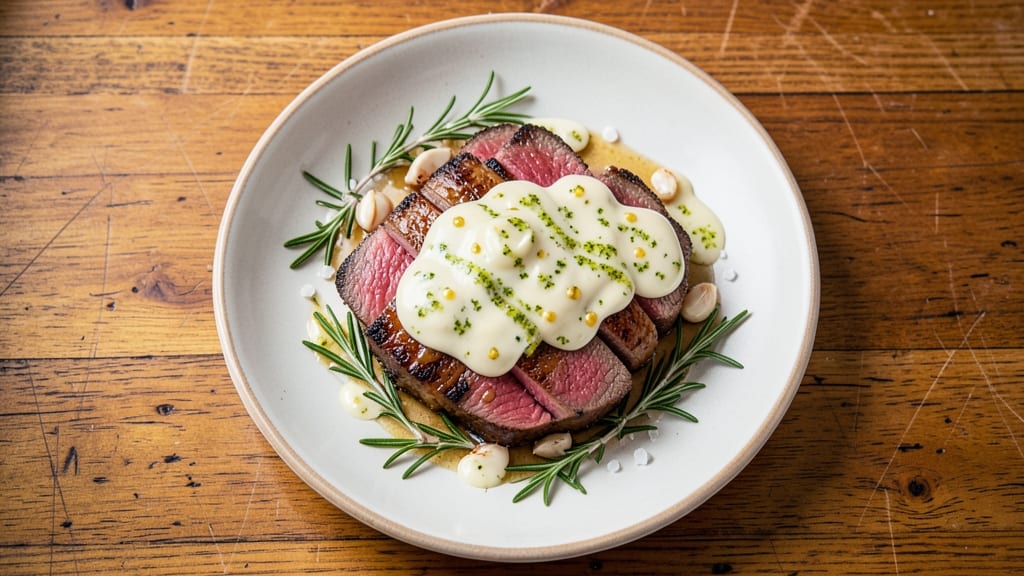
This Barefoot Contessa beef tenderloin recipe delivers melt-in-your-mouth perfection with a signature herb-infused crust and bold horseradish sauce that cuts through the richness. The secret lies in precise temperature control and basting techniques that transform a simple cut into a showstopping centerpiece.
I've perfected this method over years of testing, ensuring every slice remains juicy while developing a golden, aromatic crust.
The horseradish sauce brings the perfect balance—creamy yet tangy, with just enough heat to complement the beef's richness without overpowering it. What makes this recipe truly special is the combination of searing the tenderloin to create a flavorful crust before finishing it in the oven at a carefully controlled temperature.
This method guarantees tender meat with a caramelized exterior that's impossible to resist.
By the time you plate this dish, you'll have perfectly cooked beef with a rich, herbaceous crust and a velvety horseradish sauce that ties everything together. The sauce's bright acidity and peppery kick elevate the beef, creating a harmonious balance that's both elegant and satisfying.
This is the kind of recipe that makes weeknight dinners feel like a special occasion.
Pair it with roasted garlic mashed potatoes or a simple green salad to complete the meal. The contrast between the tender beef, crisp crust, and bold sauce makes every bite unforgettable. Let's get started on creating this restaurant-quality dinner at home.
Ingredients for barefoot contessa beef tenderloin with horseradish sauce
Six premium ingredients transform beef tenderloin into restaurant-quality perfection with aromatic crust and velvety horseradish sauce.
| Ingredient | Amount | Notes |
|---|---|---|
| Beef Tenderloin 🥩 | 4 lb | Center-cut, trimmed of silver skin |
| Fresh Rosemary 🌿 | ¼ cup | Finely chopped, organic preferred |
| Fresh Thyme 🌿 | ¼ cup | Leaves only, stems removed |
| Fresh Garlic 🧄 | 8 cloves | Smash and peel for even cooking |
| Unsalted Butter 🧈 | ½ cup | Cold, cut into 1-inch cubes |
| Kosher Salt 🧂 | 1 ½ tsp | Diamond Crystal preferred |
| Freshly Ground Black Pepper 🌶️ | 1 tsp | Coarse grind for texture |
| Extra-Virgin Olive Oil 🫒 | ¼ cup | High-quality, fruity variety |
| Fresh Horseradish Root 🌱 | 4 oz | Peeled, grated fresh |
| Sour Cream 🥛 | ½ cup | Full-fat for creaminess |
| Heavy Cream 🥛 | ½ cup | Cold for stable sauce |
| Fresh Lemon Juice 🍋 | 2 tbsp | Strained, organic preferred |
| Dijon Mustard 🍯 | 1 tbsp | Mild, not spicy |
| Granulated Sugar 🍚 | 1 tsp | Balances horseradish heat |
The beef tenderloin is non-negotiable for this recipe—center-cut with visible marbling ensures melt-in-your-mouth tenderness. Most butchers will trim the silver skin for you, but if not, use a sharp knife to remove it yourself. For the best results, purchase the tenderloin 1-2 days ahead and let it come to room temperature before cooking. Costco and high-end grocery stores like Whole Foods typically carry premium cuts, but even standard supermarkets can source quality beef if you ask for center-cut. The herbs—rosemary and thyme—should be vibrant and fragrant; if they smell dull, they've lost their potency. Fresh horseradish is available at specialty markets or the produce section of well-stocked grocery stores, but if you can't find it, pre-grated horseradish (like Kraft) works in a pinch, though it lacks the bright acidity of fresh.
No fresh horseradish? Fresh ginger at half the amount adds a different but complementary peppery note, though it won't replicate the exact flavor. The butter must be cold when searing—take it out of the fridge just before you need it. For the horseradish sauce, sour cream and heavy cream are essential for that velvety texture; Greek yogurt can substitute for sour cream if needed, but the sauce will be slightly tangier. The Dijon mustard balances the heat, so don't skip it—even a mild variety adds depth. If you're concerned about the horseradish being too spicy, start with half the amount and adjust to taste. The olive oil should be high-quality; California extra-virgin brands like Corto or Bertolli are excellent choices.
The beef tenderloin can be prepped a day ahead—trim and season it, then refrigerate uncovered on a wire rack to dry-brine. The horseradish sauce, once made, keeps for up to 5 days in the fridge, though it tastes best within the first 2 days. For longer storage, freeze in ice cube trays—thaw and whisk back to smooth consistency. The herb crust on the beef develops best when seared fresh, so don't prep the meat more than 4 hours ahead of cooking. If you're making this for a crowd, double the sauce ingredients—it disappears fast. Leftovers reheat beautifully; warm gently in a saucepan over low heat to maintain texture.
Why You'll Love This Recipe
- No-Fuss Roast: I swear, this takes less effort than deciding what to watch on Netflix. Just sear the tenderloin, add the rosemary sprigs and garlic cloves right on top—no fancy trussing, no stress—and let the oven do the work while you chop veggies or pour wine.
- Horseradish Magic: That creamy horseradish sauce cuts through the richness like a bright summer breeze. The garlic and thyme in the butter? Pure flavor gold. It’s the kind of dish where every bite makes you think, "Why don’t I make this more often?"
- Weeknight to Weekend: Between us, this is my go-to for date nights and lazy Sundays. Slice it thin for sandwiches the next day, or serve it whole for company—it’s that adaptable. (Yes, even on a Tuesday night.)
- Leftovers That Don’t Suck: Most beef dishes turn into sad, dry reheats. Not this. The horseradish sauce keeps it lively, and the butter-basted crust? Still delicious cold in wraps or salads. I’ve fed a crowd with half a roast and still had lunch for days.
Step-by-step instructions for herb-crusted beef tenderloin with horseradish sauce
Master this elegant yet approachable technique for a perfectly tender center-cut roast with a fragrant herb crust.
Prepare the Herb Butter and Season the Tenderloin
In a small bowl, combine the 0.5 cup unsalted butter with the 0.25 cup finely chopped fresh rosemary, 0.25 cup fresh thyme leaves, 8 smashed garlic cloves, 1.5 tsp kosher salt, and 1 tsp freshly ground black pepper. Mix thoroughly until fully incorporated, creating a vibrant green paste. This herb butter will form the aromatic crust while keeping the meat impossibly tender.
Pat the 4 lb beef tenderloin completely dry with paper towels—this is critical for achieving that coveted crust. Using your hands, gently press the herb butter mixture all over the tenderloin, coating it evenly. Let it sit at room temperature for 30 minutes while you preheat your oven to 450°F. This resting period allows the flavors to meld and the butter to soften slightly, ensuring better adhesion during roasting.
Sear the Tenderloin for Maximum Flavor
Heat a large oven-safe skillet over medium-high heat and add 0.25 cup extra-virgin olive oil. Once shimmering, carefully place the tenderloin in the skillet, fat-side down. Sear for 3-4 minutes until a deep golden crust forms. Flip the tenderloin and sear the other side for another 3-4 minutes. The goal is to develop a rich, caramelized exterior while maintaining the delicate interior.
Transfer the skillet to the preheated oven and roast for 15-20 minutes, rotating the pan halfway through for even cooking. The internal temperature should reach 125°F—this is the perfect medium-rare stage for tenderloin. Remove the tenderloin from the oven and let it rest on a cutting board for 15 minutes before slicing. This resting period is essential for redistributing juices and ensuring each slice remains succulent.
Prepare the Horseradish Sauce
While the tenderloin rests, prepare the signature horseradish sauce by grating the 4 oz fresh horseradish root using a fine grater or food processor. Combine the grated horseradish with 0.5 cup sour cream, 0.5 cup heavy cream, 2 tbsp fresh lemon juice, 1 tbsp Dijon mustard, and 1 tsp granulated sugar in a bowl. Whisk vigorously until smooth and well-emulsified. The sugar balances the horseradish's sharpness, creating a harmonious sauce with a subtle tang.
Taste and adjust seasoning with additional kosher salt or black pepper if needed. The sauce should be thick but pourable, with a vibrant green hue from the horseradish. Keep it chilled until ready to serve—this sauce pairs beautifully with the herb-crusted tenderloin, cutting through the richness with its bold peppery kick.
Slice and Serve with Confidence
Using a sharp carving knife, slice the tenderloin against the grain into ½-inch thick slices. The meat should be tender yet slightly resistant to the bite, with a golden-brown crust that crackles slightly. Arrange the slices on a warm platter and drizzle generously with the horseradish sauce. The contrast between the buttery, herb-infused crust and the tangy, peppery sauce creates a memorable dining experience.
Serve immediately with roasted vegetables or a simple green salad to complement the dish's elegance. The horseradish sauce not only enhances the beef but also adds a sophisticated touch to the presentation. Each bite should deliver a perfect balance of tenderness, herbal aroma, and the signature peppery kick that defines this classic preparation.
Pro Tips For Making Barefoot Contessa Beef Tenderloin With Horseradish Sauce
- USE A MEAT THERMOMETER: I learned this the hard way—beef tenderloin looks done before it actually is. Take it out at 125°F for medium-rare (yes, it’ll hit 130°F while resting), or 130°F for medium. That crispy crust hides a tender center, and guessing gets you overcooked meat every time.
- SALT THE MEAT 24 HOURS EARLY: This isn’t the prettiest method, but it’s the tastiest. Generously coat the tenderloin with kosher salt (about 1 teaspoon per pound) and refrigerate uncovered overnight. The salt breaks down proteins for juicier meat, and the crust forms faster when you sear it later—no dry, tough exterior here.
- SKIP THE CROWDED PAN: I used to rush this and end up with butter pooling like soup. Sear the tenderloin in a cold pan over medium-high heat, letting it sit undisturbed for 2-3 minutes per side to build that golden crust. If your pan gets crowded, work in batches—better than a greasy mess.
- CHAR THE GARLIC FIRST: Fresh garlic burns faster than you’d think, especially when searing the meat. Mince it extra fine and sauté in the butter until it’s deep golden (not brown) before adding the herbs. This adds a nutty depth to the sauce that raw garlic just can’t match—trust me, it’s worth the few extra minutes.
Pro cooking tips for great barefoot contessa beef tenderloin with horseradish sauce
Herb Butter Mastery
The secret to that irresistible crust lies in making the herb butter 30 minutes ahead and letting it soften slightly at room temperature. I like to mix my butter with Penzeys brand rosemary and thyme because their herbs are consistently fresh and aromatic.
For extra flavor, I add 1 tsp lemon zest to the herb butter mixture—it brightens the whole dish. 🌿
Don't skip the smashed garlic step! Using a garlic press creates a paste that clings beautifully to the meat, while smashed cloves release their oils more gradually.
If you're short on time, you can make the herb butter up to 2 days ahead and store it in the fridge, but let it sit at room temperature for 15 minutes before using to prevent the butter from melting too quickly during searing.
Searing Perfection
Your pan needs to be smoking hot before adding the beef—this creates the perfect Maillard reaction for that deep golden crust. I use a 12-inch cast iron skillet from Lodge because it retains heat exceptionally well.
If your pan isn't hot enough, the butter will melt too quickly and you'll lose that beautiful crust. 🔥
For even cooking, sear the tenderloin fat-side down first—this renders the fat slowly and creates a rich, flavorful crust. After flipping, resist the urge to move the meat around constantly. Let it develop that crust undisturbed for the full 3-4 minutes per side.
A meat thermometer is your best friend here—aim for an internal temperature of 125°F when you remove it from the oven.
Temperature Control
Barefoot Contessa swears by medium-rare for beef tenderloin, and I've found that 125°F internal temperature gives the perfect balance of tenderness and doneness. Overcooking is the #1 mistake with this cut—it dries out quickly. If you prefer medium, aim for 130°F and be prepared to slice immediately after resting. 🌡️
Never skip the 15-minute rest! This is when the juices redistribute throughout the meat. I like to tent the tenderloin loosely with foil during resting to keep it warm without steaming.
Pro tip: Use this time to prepare your horseradish sauce—it needs to come to room temperature before serving for the best texture.
Sauce Balance
The horseradish sauce should be thick but pourable—like a cross between a dip and a sauce. I find that whisking vigorously for 2-3 minutes after combining all ingredients emulsifies it perfectly.
If your sauce separates, whisk in 1 tbsp cold water to bring it back together. The sugar is crucial here—it mellows the horseradish's heat while enhancing its natural peppery flavor. 🌶️
For a smoother sauce, strain it through a fine-mesh sieve after whisking. If you prefer more texture, leave in the grated horseradish. I like to taste the sauce before serving and adjust with 1/8 tsp more sugar if needed—this balances the lemon juice's acidity perfectly.
The sauce keeps well in the fridge for 5 days, but I always make a fresh batch for special occasions.
Plating Like a Pro
Slice the tenderloin against the grain using a sharp chef's knife—this creates tender, bite-sized pieces. I like to fan the slices slightly on the platter to show off the beautiful crust.
For presentation, I drizzle the horseradish sauce in a zigzag pattern over the meat, then add a few fresh thyme sprigs for color. 💫
Serve immediately with roasted asparagus or creamy mashed potatoes—both complement the beef beautifully. The sauce pairs perfectly with the buttery crust, creating a harmonious balance of flavors with every bite.
If you're feeling fancy, garnish with edible flowers or a sprinkle of flaky sea salt for an extra touch of elegance.
Nutrition facts
Frequently asked questions
Can I use a different cut of beef instead of tenderloin?
The tenderloin is ideal for this recipe because of its tenderness and lean texture, but you could substitute with filet mignon or strip steak if needed. Avoid tougher cuts like chuck roast—they won't develop the same delicate texture. For best results, stick to cuts that are naturally tender and have minimal connective tissue.
How do I adjust the horseradish sauce for less heat?
Start by reducing the horseradish to 2 oz instead of 4 oz and increase the sugar to 1.5 tsp to balance the flavor. For a milder version, blend in 1 tbsp honey or 1 tsp maple syrup to further mellow the heat while keeping the sauce creamy. Taste as you go—you can always add more cream to thin it out.
What's the best way to reheat leftovers?
Slice the beef into ½-inch pieces and reheat in a skillet over low heat with a splash of beef broth to keep it moist. For the sauce, warm it gently in a saucepan over medium-low heat, stirring constantly to prevent separation. Never microwave—it makes the beef tough and turns the sauce grainy. Reheat just until warmed through (2-3 minutes).
Can I make this ahead of time?
Yes! Prep the herb butter and horseradish sauce 1 day ahead and store them separately in the fridge. Cook the tenderloin fresh, but you can slice it up to 4 hours ahead and refrigerate. Reheat slices gently in a skillet before serving. The sauce can also be made 2 days ahead—just whisk it again before serving to restore its smooth texture.
What wine pairs best with this dish?
A bold Cabernet Sauvignon or Malbec complements the beef's richness and stands up to the horseradish's peppery kick. For a lighter option, try a Pinot Noir—its bright acidity cuts through the butter while enhancing the herbs. Avoid heavy reds like Syrah, which might overpower the delicate flavors. Serve the wine slightly chilled (60°F) for the best experience.