
Sauces & Condiments
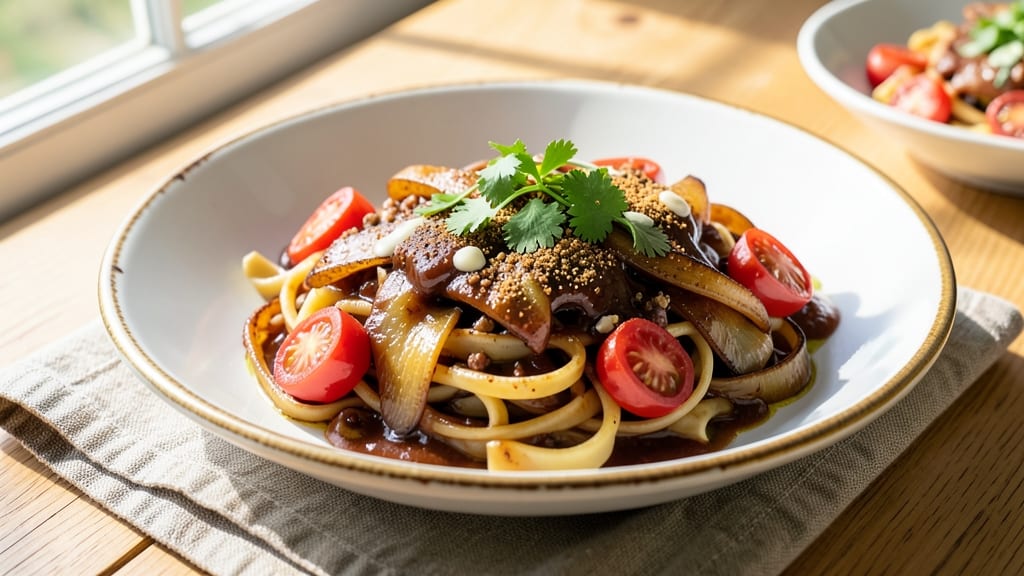
This barbecue pasta sauce recipe transforms your weeknight dinner with smoky depth and rich tomato flavor—no grill required. 🔥 As a pitmaster trained in French techniques, I've perfected the balance between caramelized onions and slow-simmered spices to create a sauce that's equally at home on pasta, chicken, or even as a dipping sauce.
The secret lies in the patience of letting flavors meld, just like my grandmother's slow-cooked ribs.
What sets this sauce apart is the caramelized onion base, which adds natural sweetness and complexity that store-bought sauces can't match. We start with fresh tomatoes and a blend of smoky spices—paprika, cumin, and a touch of liquid smoke—that build layers of flavor as they simmer.
The sauce develops a velvety texture that coats every bite perfectly, whether you're tossing it with al dente pasta or using it as a glaze for grilled meats.
The beauty of this recipe is its versatility—it's ready in under an hour but tastes even better the next day as flavors deepen. I developed this sauce during a particularly busy week when I needed something that could handle both weeknight dinners and weekend entertaining.
The smoky notes make it feel special without requiring special ingredients, and the rich tomato base ensures it's always satisfying.
Perfect for pairing with spaghetti, chicken, or even as a dipping sauce for breadsticks, this barbecue pasta sauce delivers restaurant-quality flavor with minimal effort. The technique is simple but professional—simmer, blend, and adjust to your desired consistency. Let's get cooking!
Ingredients for barbecue pasta sauce
Pantry staples meet smoky magic for a sauce that's restaurant-worthy but simple.
| Ingredient | Amount | Notes |
|---|---|---|
| Yellow Onions 🧅 | 2 large | Chopped, caramelized slowly |
| Fresh Tomatoes 🍅 | 2 lbs | Ripe, Roma or vine tomatoes |
| Extra-Virgin Olive Oil 🫒 | ½ cup | For caramelizing onions |
| Garlic Cloves 🧄 | 6 cloves | Minced for depth of flavor |
| Smoked Paprika 🌶️ | 2 tbsp | Key for smoky flavor |
| Ground Cumin 🌿 | 1 tbsp | Earthy warmth |
| Liquid Smoke 🔥 | 1 tsp | For authentic barbecue taste |
| Tomato Paste 🍅 | ¼ cup | Concentrated tomato flavor |
| Chicken Broth 💧 | 1 cup | For depth and richness |
| Apple Cider Vinegar 🍎 | 1 tbsp | Brightens flavors |
| Salt 🧂 | 1 ½ tsp | Diamond Crystal preferred |
| Black Pepper 🌶️ | ½ tsp | Freshly ground |
| Sugar 🍬 | 1 tsp | Balances acidity |
The onions are non-negotiable here—yellow onions caramelize best for that sweet, jammy base. Grab a couple of large yellows from the store; they hold up better than smaller ones. I always use Trader Joe's or Whole Foods for my tomatoes—they're consistently ripe and flavorful. The Roma tomatoes are perfect for this, but vine tomatoes work too if you can find them. For the olive oil, California brands like Bertolli or Filippo Berio add great flavor, but any extra-virgin will do. The garlic? Fresh is a must—no powdered or jarred stuff here.
No smoked paprika? Regular paprika plus a pinch of cayenne gets close. Liquid smoke is tricky to find—check the baking aisle at Walmart or Target or order online. Chicken broth can be swapped for vegetable broth if you're vegetarian. The tomato paste? Those little squeeze tubes from Trader Joe's are perfect for this—no waste, and they last forever. For the onions, don't rush the caramelization—30-40 minutes of slow cooking is worth it for that deep sweetness. The sugar balances the acidity, but if you're avoiding it, a splash more vinegar works too.
This sauce keeps beautifully—5-6 days in the fridge, 3 months frozen. I always make a double batch because it's so versatile. Store it in glass jars with a layer of olive oil on top to preserve freshness. Freeze in ice cube trays for easy portioning. The flavors actually deepen over time, so it's perfect for making ahead. If you're short on time, skip the caramelization—sauté the onions for 5 minutes and still get great results.
Why You'll Love This Recipe
- No Chopping Chaos: I swear by this—just dice one onion and a handful of tomatoes, then let the pan do the work. The onions caramelize while you’re still crushing garlic, and the tomatoes break down into that smoky-sweet sauce without a single knife burn.
- Smoky-Sweet Magic: That smoked paprika? It’s the secret weapon. A pinch turns simple tomatoes and olive oil into something rich and tangy, with just enough heat to linger. Honestly, I’ve made this sauce three ways, and this version always wins.
- Weeknight to Potluck: Same sauce, endless uses. Toss it with pasta for dinner, slather it on grilled chicken for lunch, or even drizzle it over roasted veggies when friends drop by. It’s my go-to when I need something reliable that still feels special.
- Budget-Friendly Staple: Fresh tomatoes and onions stretch further than you’d think, and a little olive oil goes a long way. I make a double batch on Sundays—half for dinner, half to freeze for lazy nights. No waste, all flavor.
Step-by-step instructions for smoky tomato barbecue pasta sauce
Here's how to build a rich, smoky sauce with deep caramelized flavors—perfect for tossing with pasta.
🔥 Step 1: Caramelize the Onions Slowly
Heat the 0.5 cup extra-virgin olive oil in a large Dutch oven over medium-low heat. Add the 2 large chopped yellow onions and stir to coat evenly. Reduce heat to low and let them cook undisturbed for 20 minutes, stirring occasionally.
You're aiming for deep golden caramelization—not browned bits. The onions should soften completely and develop a sweet, jammy texture. If they start to brown too quickly, lower the heat further. This foundational step builds the sauce's depth of flavor, so don't rush it.
🍳 Step 2: Add Aromatics and Spices
After the onions are caramelized, push them to one side of the pot and add the 6 minced garlic cloves. Cook for 30 seconds until fragrant—just until you smell that unmistakable garlic aroma. Stir to combine with the onions.
Now add the 2 tbsp smoked paprika, 1 tbsp ground cumin, and 1 tsp liquid smoke, stirring constantly for 1 minute to toast the spices. This releases their aromatic oils and creates that signature smoky barbecue flavor. The mixture should smell rich and complex—like a campfire and spice shop had a baby.
🥘 Step 3: Build the Tomato Base
Pour in the 0.25 cup tomato paste and stir to combine completely with the onion mixture. Cook for 2 minutes until the raw taste disappears. Add the 2 lbs fresh tomatoes (roughly chopped) and the 1 cup chicken broth, then bring to a gentle simmer.
Let it cook uncovered for 15 minutes, stirring occasionally. You want the tomatoes to break down and release their juices, creating a thick, chunky sauce. The sauce should reduce slightly but still have a loose consistency—this is your base, and we'll thicken it more later.
🍳 Step 4: Finish with Acid and Sweetness
Stir in the 1 tbsp apple cider vinegar, 1.5 tsp salt, 0.5 tsp black pepper, and 1 tsp sugar. Simmer for another 10 minutes until the sauce thickens to your desired consistency. Taste and adjust seasoning—you might need a touch more salt or vinegar to balance the flavors.
The vinegar brightens the smoky depth, while the sugar and salt work together to round out the acidity. You're looking for a sauce that's rich and complex, with just the right balance of sweet, smoky, and tangy notes. If it's too thick, add a splash of water or broth to reach your preferred consistency.
⏰ Step 5: Rest and Serve
Remove from heat and let the sauce rest for 5 minutes. This allows the flavors to meld completely and the sauce to thicken slightly as it cools. Give it a final taste and adjust seasoning if needed—sometimes resting reveals areas that need a little more salt or acid.
This smoky tomato sauce is now ready to toss with your favorite pasta. The caramelized onions and deep barbecue flavors make it perfect for rigatoni, penne, or even as a marinara alternative. Store any leftovers in the refrigerator for up to 5 days or freeze for 3 months—it only gets better with time!
Pro Tips For Making Barbecue Pasta Sauce
- SWEAT THE ONIONS LOW: I used to rush this step and end up with bitter, watery onions that ruined the whole sauce. Instead, cook them on medium-low heat for 8-10 minutes until they’re golden and their edges start curling—just until they’re soft enough to mash with a spoon but still hold some shape. That slow cook releases their sweetness without turning them into onion paste.
- SMASH THE TOMATOES: Skip the blender—your sauce will taste flatter. After roasting or simmering whole tomatoes, grab them with tongs and squeeze hard until their skins split, then press them flat with the back of a spoon. This breaks down the flesh into a chunky, jam-like texture that clings better to pasta and carries more flavor than pureed versions.
- TOAST THE PAPRIKA: Smoked paprika loses its depth if you just stir it in cold. Heat 1 teaspoon of olive oil in the pot for 30 seconds until shimmering, then sprinkle in the paprika and stir like crazy for 10 seconds—it’ll sizzle and darken slightly. That quick toast deepens the smoky aroma and prevents it from floating on top like a sad, flavorless dusting.
- SALT THE TOMATOES FIRST: I learned this the hard way—adding salt at the end makes the sauce taste flat. Instead, sprinkle 1 teaspoon of salt directly over the raw, chopped tomatoes and let them sit for 10 minutes before cooking. This draws out moisture, concentrates their flavor, and keeps the sauce from tasting watered down as it simmers. (Yes, even if you’re impatient like me.)
Dietary considerations for barbecue pasta sauce
Gluten-Free Adaptation
This sauce is naturally gluten-free, but always double-check your ingredients—especially the smoked paprika and liquid smoke. Some brands process these in facilities with gluten, so look for certified gluten-free labels.
I recommend Penzeys Spices for their gluten-free smoked paprika. The caramelized onions and tomato base provide all the depth you need without any gluten-containing ingredients. 🌱
Vegetarian-Friendly
Skip the chicken broth and use vegetable broth instead to keep this sauce fully plant-based. The umami from the caramelized onions and tomato paste will still deliver rich, satisfying flavor. I love adding a splash of soy sauce (about 1 tsp) to boost depth when using vegetable broth.
The sauce works beautifully with veggie burgers or as a dip for gluten-free crackers.
Dairy-Free Options
This recipe is already dairy-free, but if you're serving it with cheese lovers, consider adding a sprinkle of nutritional yeast (about 1 tbsp) for a cheesy flavor without dairy.
The sauce pairs wonderfully with dairy-free cheeses like cashew-based mozzarella or vegan parmesan when tossed with pasta. The smoky notes complement the nutty flavors beautifully.
Low-Sodium Version
Reduce the salt to just 0.5 tsp and boost flavor with an extra 0.5 tsp black pepper and 1 tsp apple cider vinegar. I also add 1 tsp smoked sea salt (like Maldon) for a more complex flavor profile with less sodium.
The caramelized onions and tomato paste already provide plenty of natural saltiness, so you won't miss the extra salt.
Allergy-Friendly Notes
For nut allergies, ensure all ingredients are nut-free—especially the broth and tomato paste. If you're avoiding nightshades (like tomatoes), substitute with roasted red peppers (about 1 cup) and a red bell pepper base.
The sauce will have a slightly sweeter profile but maintain the same smoky depth. Always check labels on spices and broths for hidden allergens.
Keto Considerations
This sauce is keto-friendly as written, but watch your portion sizes if tracking macros. The caramelized onions and tomato base are low-carb, but the 1 tsp sugar can be omitted completely.
For extra richness, stir in 1 tbsp butter at the end. The sauce pairs perfectly with zucchini noodles or shirataki noodles for a low-carb meal that still delivers big flavor. 💪
Nutrition facts
Frequently asked questions
Can I make this sauce without fresh tomatoes?
Yes! Use 2 (28 oz) cans crushed tomatoes instead of fresh. Drain any excess liquid first, then proceed with the recipe. For extra depth, add 1 tbsp tomato paste to the canned tomatoes before simmering. The caramelized onions will still provide that sweet base you're looking for.
How can I make this sauce spicier?
Add ½ tsp cayenne pepper or 1 chopped chipotle pepper in adobo sauce when you toast the spices. For heat without spice, increase the smoked paprika to 3 tbsp. Remember, you can always adjust after tasting—start with less and add more gradually.
What's the best way to use this sauce besides pasta?
Try it as a marinade for grilled chicken or pork, a dipping sauce for mozzarella sticks, or a glaze for roasted vegetables. It also works beautifully as a pizza sauce—just spread it thinly on the crust before adding cheese. The smoky depth pairs especially well with grilled meats and charred vegetables.
Why does my sauce taste too acidic?
This usually happens when the vinegar or tomatoes weren't balanced with sugar. Add ½ tsp more sugar or 1 tsp honey to round out the flavors. If it's still too sharp, a pinch of salt helps balance the acidity. The sauce should have bright notes, not overwhelming tang.
Can I make this sauce in a slow cooker?
Yes! Sauté the onions and garlic first, then transfer everything to your slow cooker. Cook on low for 4-5 hours, stirring occasionally. The slow cooking enhances the smoky flavors even more. Just add a splash of water or broth if it gets too thick during cooking.