
Sauces & Condiments
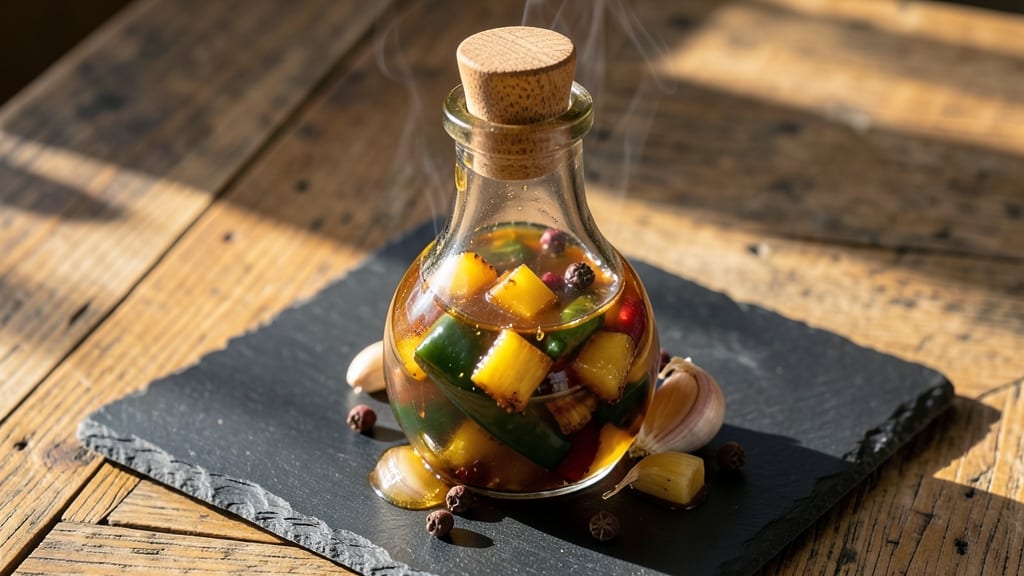
This Barbados hot sauce recipe brings the island’s fiery spirit to your kitchen with Scotch bonnet peppers and sweet pineapple. The bold heat and tangy depth make it perfect for jerk dishes, seafood, or cocktails—just like the sauces sold at local rum shops.
What sets this apart is the balance of fresh garlic, vinegar, and a touch of brown sugar, creating a sauce that’s both complex and addictive.
The process is straightforward but requires patience: fermenting the peppers and garlic for 48 hours unlocks deeper flavors, while simmering with pineapple and spices mellows the heat into something smooth yet intense. No special equipment is needed—just a saucepan, a fine-mesh strainer, and time to let the flavors meld.
The result is a vibrant, glossy sauce that’s as much about tradition as it is about heat.
Once cooled, this sauce keeps for up to 3 months in the fridge, making it a pantry staple for anyone who loves bold flavors. Use it to elevate grilled fish, spice up marinades, or drizzle over roasted vegetables.
The sweetness of the pineapple cuts through the Scotch bonnet’s fire, leaving a lingering warmth that’s uniquely Barbadian.
For those new to hot sauces, start with small batches—Scotch bonnet peppers are potent, and this recipe delivers serious heat. Pair it with cold beer or coconut water to balance the burn. Here’s how to make it step by step.
Ingredients for barbados hot sauce
Bold flavors start with these vibrant ingredients—Scotch bonnet peppers bring the heat while pineapple and spices create balance.
| Ingredient | Amount | Notes |
|---|---|---|
| Scotch Bonnet Peppers 🌶️ | 4 whole | Seeds removed for less heat |
| Fresh Pineapple 🍍 | 1 cup | Finely chopped, fresh or frozen |
| Garlic Cloves 🧄 | 6 cloves | Crushed for deeper flavor |
| White Vinegar 💧 | 1 cup | Distilled preferred for tang |
| Brown Sugar 🍚 | ¼ cup | Light or dark variety |
| Allspice Berries 🌿 | 1 tsp | Crushed for aromatic depth |
| Ground Cinnamon 🌶️ | ½ tsp | Freshly ground preferred |
| Ground Nutmeg 🌿 | ¼ tsp | Freshly grated for warmth |
| Salt 🧂 | 1 tsp | Diamond Crystal preferred |
Scotch bonnet peppers are the heart of this sauce, so pick them fresh—the Caribbean markets or specialty grocers like Whole Foods often carry them. If you can't find them, habanero peppers work in a pinch, but reduce the amount by half since they're even hotter. The pineapple should be ripe but firm—Costco or Trader Joe's usually have good fresh options, or frozen works too. For spices, Penzeys Spices is ideal, but the regular grocery store's allspice and cinnamon will do. Just make sure they smell fresh—no dusty jars here.
No Scotch bonnet? Habanero or Thai bird's eye peppers are substitutes, but start with one pepper and adjust heat to taste. Running low on pineapple? Mango or papaya add sweetness, though they'll change the flavor profile slightly. Vinegar substitutes like apple cider vinegar work, but distilled white keeps the tang sharp. The brown sugar can be swapped for coconut sugar for a more authentic Caribbean touch. If you're sensitive to heat, reduce the peppers to 2 whole or remove some seeds before chopping.
Fermenting the peppers and garlic for 48 hours unlocks their full depth, so don't skip this step. Once blended, the sauce keeps for 3 months in the fridge, sealed tightly under a layer of vinegar to preserve freshness. For gifting, use sterilized glass bottles—the glossy finish is worth the extra effort. Label everything! This sauce pairs beautifully with grilled fish or jerk chicken, but trust me, you'll want to drizzle it on everything.
Why You'll Love This Recipe
- Pantry-to-Bottle Speed: I swear, this sauce comes together while you’re waiting for the pineapple to soften—just chop, simmer, strain. No fancy techniques, no waiting days for fermentation. That first taste? Worth the 20 minutes.
- Sweet Heat Balance: The Scotch bonnet gives it a smoky kick, but the pineapple’s tang and brown sugar’s caramel notes keep it from being brutal. Honestly, it’s the kind of heat you chase—like a warm hug with a little bite.
- Game for Any Meal: Slather it on grilled chicken, drizzle it over rice and peas, or mix it into marinades. I’ve even used it in cocktails (yes, really). It’s the one sauce that turns “meh” into “wow” without trying too hard.
- Stays Fresh, Costs Less: A single batch lasts me weeks—keep it in the fridge, and it only gets better. And between us? A whole pineapple and a few peppers stretch farther than store-bought bottles. Budget win, flavor win.
Step-by-step instructions for Barbados hot sauce
Transform bold Caribbean flavors into a fiery, balanced condiment with this precise method.
Sterilize Jars and Prepare Peppers
Wash the 4 whole Scotch Bonnet Peppers thoroughly, then carefully slit each pepper lengthwise from stem to base. Remove seeds and membranes—this reduces heat intensity while preserving flavor. I use a small spoon to scoop out the innards completely, leaving the pepper walls intact.
Place the empty glass jars you'll use for storage in a 250°F oven for 10 minutes to sterilize. This prevents contamination and ensures your sauce stays fresh longer. While the jars heat, prepare a large, heavy-bottomed saucepan for cooking.
Cook the Base Ingredients
In the saucepan, combine the 1 cup finely chopped fresh pineapple, 6 cloves crushed garlic cloves, 1 cup white vinegar, 0.25 cup brown sugar, 1 tsp crushed allspice berries, 0.5 tsp ground cinnamon, 0.25 tsp ground nutmeg, and 1 tsp salt. Bring to a boil over medium-high heat, stirring occasionally to dissolve the sugar.
Once boiling, reduce heat to medium-low and let the mixture simmer uncovered for 20 minutes. You'll notice the pineapple softens and the flavors meld together. The sauce should reduce slightly but still maintain a thick, syrupy consistency—this is crucial for proper preservation.
Incorporate the Peppers
Add the prepared Scotch Bonnet peppers to the simmering mixture. Gently stir to submerge them completely. Simmer for another 10 minutes, being careful not to let the mixture boil vigorously—this could cause the peppers to disintegrate and make the sauce too watery.
After 10 minutes, remove the pan from heat and let the mixture cool for 15 minutes. This resting period allows the peppers to fully infuse their heat and flavor into the sauce. I find it helpful to taste the sauce at this stage to gauge the heat level—you can adjust by adding more peppers if needed.
Blend and Bottle
Transfer the cooled mixture to a blender or food processor. Blend until smooth, scraping down the sides as needed. The texture should be consistent and free of any large pepper pieces. For an extra-smooth sauce, I recommend using an immersion blender directly in the saucepan.
Carefully ladle the blended sauce into the sterilized jars, leaving about ½ inch of headspace at the top. Seal the jars tightly and let them cool completely at room temperature. This cooling process helps create a vacuum seal, which is essential for long-term storage.
Store and Age for Depth
Once cooled, store the jars in a cool, dark place. The sauce will continue to develop in flavor over time, becoming more complex and balanced. For best results, wait at least 2 weeks before using, allowing the flavors to fully meld. The sauce will keep for up to 1 year in the refrigerator.
When ready to use, shake the jar well before each serving. This hot sauce pairs exceptionally well with grilled meats, seafood, or even as a spicy glaze for roasted vegetables. Start with small amounts—its intensity builds with each use, delivering that authentic Barbados heat and sweetness.
Pro Tips For Making Barbados Hot Sauce
- CHAR THE PEPPERS: Toss whole Scotch Bonnets directly into a dry, screaming-hot pan—no oil needed. Let them blacken in spots (about 2-3 minutes per side) before chopping; that caramelized bitterness cuts through the sweetness and deepens the heat. I used to peel them first, but charring first saves time and adds complexity.
- COOK THE PINEAPPLE: Simmer pineapple chunks in the vinegar mixture for at least 10 minutes—don’t rush this. The fruit needs to soften and release its juices, which thicken the sauce and balance the acidity. I skipped this once and ended up with a watery, underwhelming sauce that tasted like sad fruit punch.
- MINCE THE GARLIC: Use a knife instead of a press for the garlic—tiny, uneven pieces infuse better than uniform slivers. They’ll dissolve into the sauce without leaving noticeable chunks, and the texture becomes silky rather than grainy. Yes, it takes 30 seconds longer, but the difference is noticeable.
- STRAIN THE SEEDS: After blending, pour the sauce through a fine-mesh sieve to remove Scotch Bonnet seeds and skin fragments. This step isn’t just about heat control—it also keeps the sauce smooth and prevents clogged bottles. I learned this after my first batch made my friends’ eyes water mid-sip.
Dietary considerations for these flavors
Gluten-Free Friendly
This Barbados hot sauce is naturally gluten-free since it relies on vinegar, sugar, and fresh ingredients without any wheat-based components. The Scotch bonnet peppers, pineapple, and garlic are all gluten-free staples, and the spices like allspice and cinnamon are typically pure.
Always double-check your brown sugar label—some brands process with wheat, but Wholesome! Sweetener or Trader Joe’s organic brown sugar are safe choices. 🌶️
Vegan Adaptations
The recipe is already vegan-friendly—no animal products are used in the base ingredients. For extra assurance, verify that your brown sugar is vegan (some brands use bone char). If you're fermenting the peppers and garlic, ensure your jars and tools are free of cross-contamination with dairy or meat.
The sauce’s bold flavors shine even without animal products, making it perfect for plant-based diets.
Allergen Awareness
This sauce contains pineapple, which is a top allergen for some individuals. If allergies are a concern, substitute pineapple with mango or papaya (also tropical fruits but less common allergens). The Scotch bonnet peppers and garlic are low-allergen ingredients, but always check for cross-reactivity if you have multiple sensitivities.
For those with vinegar allergies, this recipe isn’t suitable—opt for a fruit-based hot sauce instead.
Spice Sensitivity Tips
Scotch bonnet peppers pack serious heat, so adjust to your tolerance. For milder heat, reduce the number of peppers to 2 whole or remove more seeds before chopping. If you’re new to hot sauces, start with ½ teaspoon of the finished product and gradually increase.
The pineapple and brown sugar help balance the heat, but the first taste can still be intense—keep a cold drink nearby! 💧
Diabetic Considerations
While this sauce contains brown sugar, the amounts are modest (¼ cup), and the vinegar and peppers add acidity that may help stabilize blood sugar. For a lower-glycemic version, replace the sugar with monk fruit sweetener or erythritol (use a 1:1 ratio).
The pineapple contributes natural sugars, but the overall sauce is small in portion size—ideal for drizzling rather than consuming in large amounts.
Preservative-Free Storage
This recipe avoids artificial preservatives, relying instead on vinegar’s natural acidity and proper sterilization for shelf stability. The fermentation step enhances flavor while preserving freshness. For longer storage (up to 1 year), ensure jars are completely sealed and stored in a dark, cool place (like a pantry).
If you notice mold or off smells, discard the sauce—safety first! The sauce’s vibrant color and glossy finish are signs of freshness. ✨
Nutrition facts
Frequently asked questions
Can I substitute Scotch bonnet peppers with habaneros?
Yes, but use half the amount—habaneros are even hotter! For a 1:1 swap, remove extra seeds and membranes to reduce heat intensity. Test the sauce after blending and adjust with more pineapple or sugar if needed. The flavor profile will be similar, just spicier.
How do I make this sauce less sweet?
Reduce the brown sugar to 2 tablespoons and add 1 extra tablespoon of vinegar instead. This balances sweetness while keeping the tangy depth. For a completely sugar-free version, omit it entirely and use monk fruit sweetener if desired.
Why ferment the peppers and garlic?
Fermenting for 48 hours deepens the flavors by breaking down compounds in the peppers and garlic. This step creates a richer, more complex sauce. Skip it only if short on time, but the flavor won't be as layered. Store the mixture in the fridge during fermentation.
Can I use this sauce in cocktails?
It adds a fiery kick to rum punches, margaritas, or even Bloody Marys. Start with ½ teaspoon per drink and adjust to taste. The sweetness pairs well with citrus, while the heat balances creamy cocktails like piña coladas.
What if my sauce turns cloudy or separates?
Cloudiness can happen if the sauce wasn't properly sealed or stored. Shake the jar vigorously before use—this often redistributes ingredients. If separation persists, reheat the sauce gently (don't boil) and stir until smooth. Discard if you notice mold or off smells.