
Sauces & Condiments
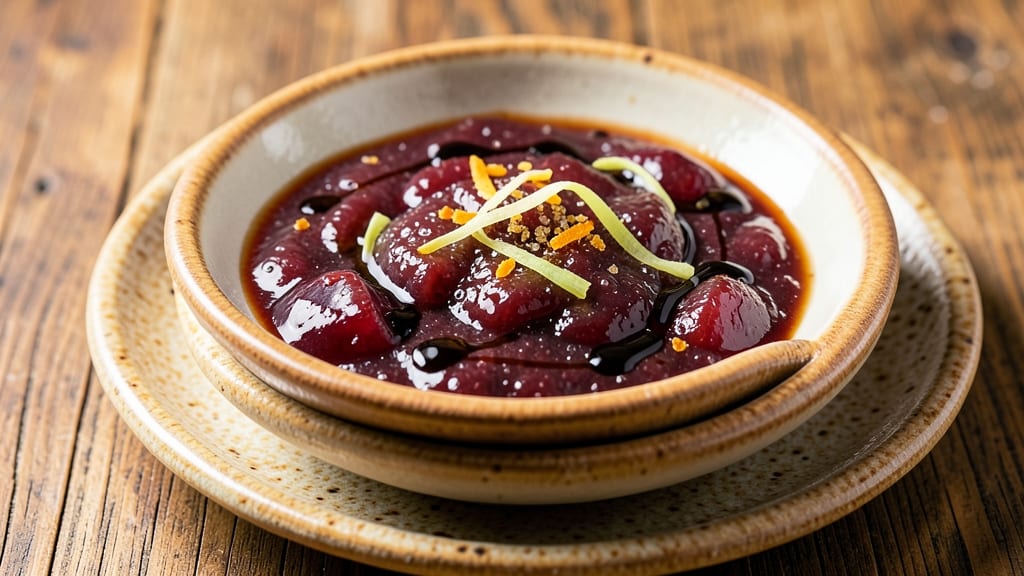
This balsamic plum sauce recipe transforms simple ingredients into a velvety, sweet-tart glaze that elevates grilled pork, roasted vegetables, and even desserts. The balance of rich balsamic vinegar and ripe plums creates depth that store-bought sauces can't match.
I developed this after years of perfecting the art of reducing fruit and vinegar—every simmer builds layers of complexity that make it worth the wait.
The process is straightforward but requires patience: simmering plums until tender, then reducing with balsamic until syrupy. This isn't just a sauce; it's a flavor multiplier that turns ordinary proteins into showstoppers.
The result? A glossy, aromatic glaze with just the right balance of sweetness and acidity—perfect for drizzling over seared pork chops or brushing onto grilled chicken.
What makes this sauce truly versatile is its adaptability. Use it as a glaze for meats, a drizzle over charcuterie boards, or even a finishing touch for vanilla ice cream.
The texture is thick enough to coat but light enough to enhance, never overpower. Once you taste homemade, store-bought versions will never satisfy again.
Best of all, this sauce keeps beautifully in the refrigerator for up to two weeks, making it ideal for meal prep. Double the batch—you'll want to use it everywhere. Here's how to make it perfectly every time.
Ingredients for balsamic plum sauce
Nine ingredients, one simmer—this sauce turns simple fruit into a restaurant-worthy glaze.
| Ingredient | Amount | Notes |
|---|---|---|
| Fresh Plums 🍑 | 1 ½ lb | Pitted, ripe but firm |
| Balsamic Vinegar 🍷 | ½ cup | Aged, dark variety preferred |
| Granulated Sugar 🍚 | ¼ cup | Light brown sugar for depth |
| Orange Zest 🍊 | 1 tbsp | Freshly grated from organic |
| Orange Juice 🍊 | ¼ cup | Freshly squeezed, no pulp |
| Fresh Ginger 🌿 | 1 tbsp | Finely grated, peeled |
| Extra-Virgin Olive Oil 🫒 | 1 tbsp | For glossy finish |
| Honey 🍯 | 1 tbsp | Wildflower preferred |
| Sea Salt 🧂 | ½ tsp | Fine grain, kosher preferred |
| Fresh Rosemary 🌿 | 2 sprigs | For aromatic depth |
The plums are non-negotiable—ripe but firm ones hold their shape during simmering. Local farmers markets often have the best selection, but any grocery store with a produce department will do. Look for plums that yield slightly to pressure but don't feel mushy. The balsamic vinegar should be aged and dark—Barone Fini or Colavita are my go-tos, but any good-quality balsamic will work. Fresh ginger and rosemary are worth the extra trip to the spice aisle—Penzeys or local specialty shops carry the best quality. For the orange, grab a navel orange—the zest is more aromatic than most varieties.
No fresh ginger? Powdered works at half the amount, but it lacks that bright kick. Subbing honey? Maple syrup or agave keeps it vegan, though honey adds that subtle floral note. Running low on plums? Ripe peaches or nectarines work in a pinch, but reduce the sugar to 2 tbsp. The orange zest can be dried and stored for months if you're making multiple batches—just toast it lightly in a dry pan first to deepen the flavor. And if you're feeling fancy, swap the rosemary for thyme sprigs for a different herbal profile.
This sauce gets better with time—2-3 days in the fridge lets the flavors meld perfectly. Store it in a clean glass jar with a tight seal, and it'll keep for up to 2 weeks. For longer storage, freeze in ice cube trays and transfer to a bag—6 months in the freezer, no quality loss. I always double the batch because once you taste homemade, store-bought just won't cut it anymore. The sauce thickens as it cools, so if it's too stiff, just reheat gently with a splash of water.
Why You'll Love This Recipe
- Few Ingredients, Big Payoff: I swear by this—just plums, vinegar, sugar, and a splash of orange. No fancy gadgets, no last-minute grocery runs. Honestly, the pantry version of this is already in my cabinet half the time.
- Taste Like Summer in a Jar: That bright orange zest cuts through the sweetness while the balsamic deepens into something rich—like a grown-up jam. Drizzle it over grilled chicken, and suddenly your weeknight dinner feels like a restaurant plate.
- Double Duty Every Time: Use it as a glaze for pork tenderloin, a dip for cheese boards, or a swirl in yogurt for breakfast. Between us, I’ve even thrown it into marinades for steak—works like magic. One batch lasts me days.
- Budget-Friendly Luxury: Plums are cheaper than you think, especially when they’re in season. A little goes a long way, and the leftovers? They keep for weeks in the fridge. My wallet and I both approve.
Step-by-step instructions for balsamic plum sauce
Here's how to make this vibrant glaze that balances sweet and tart perfectly.
🍳 Step 1: Simmer the Plums Until Soft
In a medium saucepan, combine the 1.5 lb fresh plums (pitted and quartered), 0.5 cup balsamic vinegar, and 0.25 cup granulated sugar. Bring to a boil over medium-high heat, then reduce to medium-low and let it simmer uncovered for 15-20 minutes. You'll know they're ready when the plums break down into a thick, jam-like consistency and release their juices into the sauce.
Stir occasionally to prevent sticking, especially after the initial boil when the sugar starts caramelizing. The balsamic vinegar will mellow out as it cooks, deepening the sauce's complexity. If the mixture looks too thick before the plums soften, add 1-2 tablespoons of water to help it along.
🍳 Step 2: Infuse with Aromatics and Sweeten
Once the plums are tender, add the 1 tbsp orange zest, 0.25 cup orange juice, 1 tbsp fresh ginger, 1 tbsp honey, 0.5 tsp sea salt, and 2 sprigs fresh rosemary. Stir well to combine all ingredients thoroughly. The rosemary sprigs will infuse the sauce with their piney aroma, while the ginger and orange zest add bright, zesty notes that cut through the sweetness.
Return the sauce to a gentle simmer for another 10 minutes. This allows the flavors to meld together and the liquid to reduce slightly, intensifying the sauce's depth. Taste as you go—if the sauce needs more balance, add a pinch more salt or a drizzle of honey. The goal is a harmonious blend where the tartness of the balsamic and plums shines alongside the sweetness.
🍳 Step 3: Finish with Olive Oil for Gloss
Remove the sauce from heat and let it cool slightly. Once it's warm but not hot, stir in the 1 tbsp extra-virgin olive oil. This not only adds a silky texture but also creates a glossy finish that makes the sauce look irresistible. The olive oil also helps balance the acidity, rounding out the flavors.
Taste one final time and adjust seasoning if needed. The sauce should be vibrant, with a balance of sweet, tart, and herbal notes. Let it cool to room temperature before serving, as this allows the flavors to settle and deepen. The sauce will thicken slightly as it cools, making it perfect for drizzling over grilled pork or using as a marinade.
⏰ Step 4: Rest and Store for Best Results
For the best flavor, let the sauce rest for at least 30 minutes before using. This resting period allows the ingredients to fully integrate, resulting in a more cohesive and flavorful sauce. If you're not using it immediately, transfer the sauce to an airtight container and store it in the refrigerator for up to 1 week. The flavors will continue to develop over time, making it even more delicious.
When ready to use, gently reheat the sauce in a small saucepan over low heat, stirring occasionally, until it reaches your desired consistency. If it thickens too much, add a splash of water or orange juice to loosen it. This versatile sauce pairs beautifully with grilled pork, roasted chicken, or even as a glaze for vegetables.
Pro Tips For Making Balsamic Plum Sauce
- PEEL PLUMS AFTER COOKING: I learned this the hard way—peeling raw plums is a mess, especially if they’re ripe. Simmer them whole with the skin on, then slip it off after cooking. The skins soften and peel like butter, and you avoid that sticky, uneven peel job.
- USE RED WINE VINEGAR FIRST: Start with a splash of red wine vinegar instead of balsamic—it cuts through the sweetness faster and prevents the sugar from clumping. After the mixture comes to a boil, swap in the balsamic. The flavor’s deeper, and you won’t end up with a syrupy glaze.
- STRAIN THE ZEST: Orange zest is potent—too much makes the sauce bitter. Rub the zest over the juice, let it steep for 5 minutes, then strain it out. You’ll get the bright flavor without the gritty texture that ruins the sauce’s smooth finish.
- SIMMER LOW AND LONG: This isn’t a quick reduction—give it 20-25 minutes on medium-low heat. Rush it, and the sugar burns, turning the sauce bitter. Watch it like you’re waiting for a pot of pasta, and you’ll get that glossy, balanced sweet-tangy finish.
Best sauces and condiments for this dish
Classic Glaze Pairings
This balsamic plum sauce shines as a glaze for grilled pork chops—brush it on during the last 5 minutes of cooking for a caramelized finish. I also use it on roasted chicken thighs, basting them with sauce while they crisp in the oven.
For vegetables, try drizzling it over grilled eggplant or roasted Brussels sprouts—the sweet-tart balance cuts through their earthiness beautifully. 🔥
Cheese Board Elevation
Transform a simple charcuterie spread by pairing this sauce with aged cheddar, blue cheese, or goat cheese. The acidity cuts through rich cheeses, while the plum sweetness adds complexity.
I serve it in small ceramic ramekins alongside prosciutto, marinated olives, and crusty bread for an elegant appetizer. A sprinkle of toasted walnuts adds crunch for texture contrast.
Dessert Finishing Touch
Surprisingly versatile, this sauce works as a dessert drizzle—try it over vanilla ice cream, panna cotta, or even grilled peaches. The tartness balances sweetness, while the rosemary adds an unexpected herbal note.
For a showstopper, drizzle it over warm chocolate cake or caramelized bananas. I once served it with mascarpone cheese and honeycomb—the combination was unexpected but brilliant. 🍯
Marinade Magic
Use this sauce as a marinade for pork tenderloin or chicken breasts—let it sit for 2-4 hours before grilling. The acidity tenderizes while the fruit sugars caramelize during cooking. For extra depth, add 1 tbsp soy sauce to the marinade.
I also use it as a quick glaze for tofu when stir-frying—simmer the sauce for 5 minutes before tossing with veggies and protein. 🌿
International Variations
For a French twist, stir in 1 tsp Dijon mustard and serve with duck confit. In Italian cuisine, it pairs perfectly with prosciutto di Parma and aged pecorino.
For a Thai-inspired version, add 1 tsp fish sauce and red chili flakes—this works wonderfully with grilled lemongrass chicken. Each variation keeps the core balance of sweet and tart while introducing new layers of flavor. 🌍
Storage Hacks
Store leftovers in an airtight glass jar in the fridge for up to 2 weeks—the flavors deepen over time. For longer storage, freeze in ice cube trays, then transfer to a bag.
Thaw overnight in the fridge before reheating. To revive thickened sauce, add 1 tsp water or orange juice and warm gently. I always make a double batch—this sauce disappears faster than you’d think! ✨
Nutrition facts
Frequently asked questions
Can I use canned plums instead of fresh?
Fresh plums give the best texture and flavor, but you can use canned plums in juice if needed. Drain them well and reduce the orange juice to 2 tbsp since canned plums already contain liquid. The sauce will be slightly thinner, so simmer it 5-10 minutes longer to reach the right consistency.
How do I adjust the sweetness level?
The recipe balances sweet and tart perfectly, but you can tweak it! Reduce sugar by 1 tbsp for a more tart sauce, or add 1 tbsp extra honey for deeper sweetness. If using maple syrup instead of honey, reduce sugar by 2 tbsp—maple is naturally sweeter. Taste as you go during the final 10-minute simmer for best results.
What's the best way to use this sauce on vegetables?
Drizzle it over roasted or grilled vegetables like eggplant, Brussels sprouts, or asparagus during the last 5 minutes of cooking. The sweet-tart flavor pairs beautifully with their natural bitterness. For extra shine, toss the veggies with 1 tsp olive oil before adding the sauce. It also works as a dip for warm baked sweet potatoes or grilled zucchini.
Can I make this sauce without rosemary?
Swap rosemary for thyme or basil for different herbal notes. If you prefer no herbs, simply omit them—the sauce will still taste delicious. For a citrus boost, add 1 extra tbsp orange zest. The key is balancing the flavors, so adjust sweetness or acidity if needed.
Why did my sauce turn out too thick?
This happens when the liquid reduces too much. To fix it, stir in 1 tsp water or orange juice and warm gently. For prevention, simmer uncovered and stir occasionally. If making ahead, store in a jar with a loose lid to allow evaporation. The sauce thickens more as it cools, so always reheat with a splash of liquid if needed.