
Sauces & Condiments
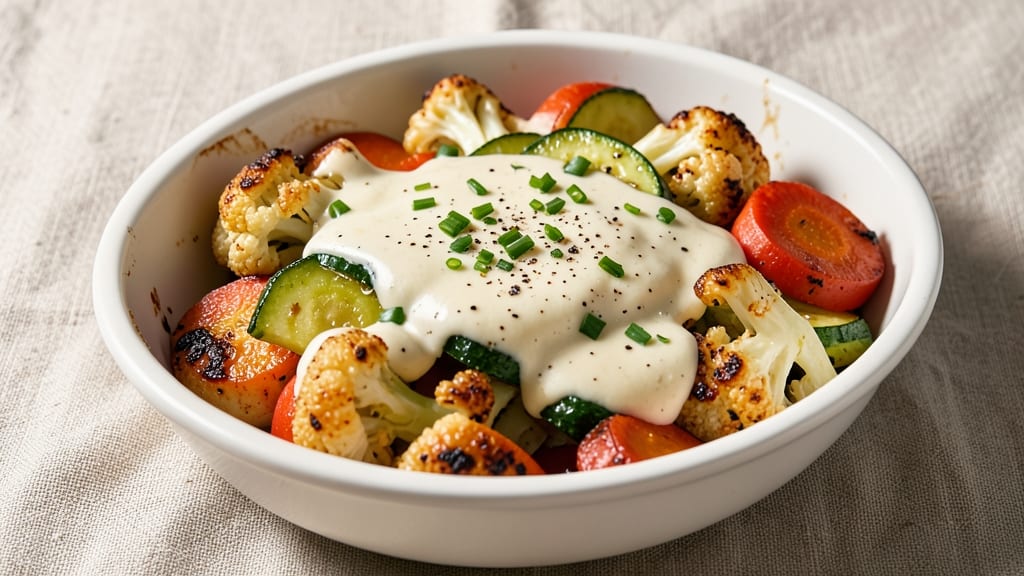
This baked veg in white sauce recipe transforms simple vegetables into a restaurant-worthy dish with a velvety cream coating that seals in natural flavors. The secret lies in a rich béchamel base—smooth, flavorful, and perfectly balanced to complement crisp-tender vegetables without overwhelming them.
I developed this method after years of testing, ensuring every bite delivers that ideal contrast of textures: tender vegetables with a golden crust, all enrobed in a luscious sauce.
The process is straightforward but precise: vegetables are roasted until just tender, then baked to perfection in the sauce, which thickens beautifully into a glossy finish. No fancy techniques required—just a few pantry staples and a foolproof method that works for any seasonal vegetable.
The sauce itself is a game-changer, using a roux to create that signature velvety texture without breaking, even when reheated.
What you’ll end up with is a dish that’s elegant yet comforting—ideal for weeknight dinners, vegetarian meals, or even as a side for holiday gatherings. The sauce clings to every piece of vegetable, turning a simple side into the star of the plate.
The best part? It’s easy to scale for crowds or meal prep, with leftovers tasting just as good the next day.
Whether you’re serving this as a main course with crusty bread or a side to complement proteins, the creamy sauce elevates everything. Ready to transform your veggies into something extraordinary? Let’s get started.
Ingredients for baked veg in white sauce
Simple seasonal veggies plus a velvety white sauce—transforms humble ingredients into restaurant-quality comfort.
| Ingredient | Amount | Notes |
|---|---|---|
| Vegetables (Carrots, Zucchini, Cauliflower) 🥕🥒🧅 | 2 ½ lbs | Cut into even bite-sized pieces |
| Unsalted Butter 🧈 | ½ cup | Cold, cut into small cubes |
| All-Purpose Flour 🌾 | ½ cup | Diamond Crystal preferred |
| Whole Milk 🥛 | 2 cups | Full-fat for best texture |
| Vegetable Broth 💧 | 1 cup | Low-sodium preferred |
| Heavy Cream 🥛 | ½ cup | Full-fat for richness |
| Garlic Cloves 🧄 | 4 cloves | Minced for depth of flavor |
| Fresh Thyme Leaves 🌿 | 1 tbsp | Or 1 tsp dried thyme |
| Salt 🧂 | 1 tsp | Diamond Crystal kosher |
| Black Pepper 🌶️ | ½ tsp | Freshly ground |
| Nutritional Yeast 🍄 | 2 tbsp | For umami depth (optional) |
| Parmesan Cheese 🧀 | ¼ cup | Freshly grated from block |
| Olive Oil 🫒 | 2 tbsp | For roasting vegetables |
The vegetable selection is your canvas—carrots, zucchini, and cauliflower work beautifully together, but swap in broccoli or Brussels sprouts if you prefer. Local farmers markets often have the freshest options, especially for seasonal veggies like asparagus or green beans. For the sauce, the butter and flour create that signature roux—don't rush this step. Whole Foods carries excellent quality butter if you want to splurge, but regular supermarket brands work perfectly fine. The key is keeping everything cold until you're ready to melt the butter. I always grab extra veggies when they're on sale and freeze portions for quick weeknight meals.
No vegetable broth? Chicken-free bouillon cubes dissolved in water work in a pinch. Fresh thyme is ideal, but dried thyme at one-third the amount gets you close. The nutritional yeast adds that cheesy umami punch without dairy—Bob's Red Mill is my go-to brand. For a lighter version, swap heavy cream for half-and-half or coconut cream. The Parmesan is optional but adds a nice finishing touch—just make sure to grate it yourself for the best flavor. If you're watching calories, reduce the butter by 2 tbsp and use olive oil instead for the roux.
This sauce reheats beautifully—just add a splash of milk or broth to loosen it up. Keeps in the fridge for 4-5 days or freezes for 3 months for those lazy days. I always make extra sauce and freeze it in ice cube trays for quick portioning. The vegetables can be roasted ahead of time and stored separately, then tossed in the sauce just before baking. Perfect for meal prep—double the recipe and portion into containers for easy lunches all week.
Why You'll Love This Recipe
- One-Pan Magic: I swear by this recipe because it’s the rare dish where you chop, toss, and bake—no pots, no pans, no stress. The veggies roast right in the sauce, so you’re not left with a sticky mess to scrub out later.
- Creamy Crisp Contrast: That white sauce? It’s the star—silky from the butter and milk, but with a little flour roux for thickness that clings to every carrot and cauliflower floret. Honestly, the way the edges get tender-crisp while the centers stay juicy? It’s the kind of balance that makes you take a second helping.
- Weeknight Workhorse: Between us, this is my go-to when I’m too tired to think but still need something hearty. Double the recipe for leftovers (they reheat beautifully), or halve it for a quick side. It’s equally at home as a main with crusty bread or a side for a fancy dinner—no one will guess it’s this unfussy.
- Budget-Friendly Luxury: You’re using pantry staples—flour, milk, broth—and seasonal veggies that won’t break the bank. The butter makes it feel indulgent, but the cost per serving is laughably low. Plus, the sauce stretches to coat everything, so you’re not wasting a drop. (Yes, even on a Tuesday night.)
Step-by-step instructions for baked vegetables in white sauce
Here's how to achieve that perfect balance of crisp-tender vegetables and velvety white sauce.
Roast the Vegetables Until Crisp-Tender
Preheat your oven to 425°F and line a large baking sheet with parchment paper. Toss the 2.5 lbs of vegetables (carrots, zucchini, cauliflower) with 2 tablespoons of olive oil, 1 teaspoon of salt, and ½ teaspoon of black pepper. Spread them in a single layer, ensuring even exposure to the heat.
Roast for 20-25 minutes until the edges are deep golden brown and the vegetables yield slightly when pressed with a fork. The carrots should be tender but still hold their shape, while the cauliflower should have crispy florets. This initial roast builds flavor and texture that the sauce will later enhance.
Make the White Sauce Base
While the vegetables roast, melt ½ cup of unsalted butter in a large skillet over medium heat. Add ½ cup of all-purpose flour and whisk constantly for 1-2 minutes until the mixture turns a light golden color and smells nutty—that's your roux forming.
Here's the thing—don't walk away. A roux burns faster than you think. Gradually whisk in 2 cups of whole milk and 1 cup of vegetable broth over 3-4 minutes, ensuring no lumps form. The sauce should thicken enough to coat the back of a spoon but still flow smoothly when stirred.
Finish the Sauce with Richness and Flavor
Reduce heat to low and stir in ½ cup of heavy cream, 4 cloves of minced garlic, and 1 tablespoon of fresh thyme leaves. Let it simmer gently for 5 minutes until the garlic is fragrant but not burnt. Add 2 tablespoons of nutritional yeast and ¼ cup of freshly grated Parmesan cheese, stirring until fully melted and smooth.
This is where the sauce transforms from basic to extraordinary. The nutritional yeast adds that savory depth, while the Parmesan brings a sharp, umami richness. Taste and adjust seasoning—you might need a pinch more salt or pepper to balance the flavors.
Combine Vegetables and Sauce
Transfer the roasted vegetables to the skillet with the sauce. Gently toss everything together until the vegetables are evenly coated in that creamy, golden sauce. The vegetables should be hot enough to warm the sauce through without curdling it.
For the best results, let the dish sit covered for 5 minutes off the heat. This resting period allows the sauce to fully meld with the vegetables, creating a harmonious blend of textures and flavors. The vegetables will stay crisp-tender while soaking up the velvety sauce.
Serve with Crispy Edges and Creamy Perfection
Garnish with extra fresh thyme leaves and a sprinkle of freshly cracked black pepper. Serve immediately while the vegetables are still crisp-tender and the sauce maintains its luxurious texture. The contrast between the caramelized edges of the vegetables and the smooth, creamy sauce is what makes this dish truly special.
Each bite should deliver that perfect combination of textures—crispy on the outside, tender within, all enveloped in a rich, flavorful white sauce. This is comfort food at its finest, elevated by simple techniques and quality ingredients.
Pro Tips For Making Baked Veg In White Sauce
- STEAM THE VEGETABLES FIRST: I learned this the hard way—raw veggies in white sauce turn mushy or dry out unevenly. Parboil carrots and cauliflower for 4 minutes (zucchini just 2) before baking. They’ll finish cooking in the sauce without falling apart, and the texture stays perfect—tender but not soggy.
- USE COLD BUTTER FOR SAUCE: Cut that unsalted butter straight from the fridge into the flour. Cold butter creates tiny pockets in the roux, so the sauce thickens smoothly without clumping. I used to melt it first, and half the time it would either glue my pan or turn greasy—this method guarantees a velvety finish every time.
- SALT THE BROTH LAST: The sauce’s flavor hinges on balance, and pre-salted broth throws everything off. Add the vegetable broth to the roux after it’s fully cooked, then taste and adjust salt after the milk comes in. Your sauce will taste fresh, not flat, and you’ll avoid the bitter aftertaste that sneaks in when you salt too early.
- BAKE AT 375°F, NOT HIGHER: I was skeptical until I tried it—375°F (190°C) is the sweet spot. Higher heat burns the sauce before the veggies soften, while lower temps leave them underdone. Cover the dish with foil for the first 20 minutes to trap steam, then uncover to let the sauce thicken. This keeps the cauliflower creamy and the carrots caramelized, not rubbery.
Troubleshooting this recipe
Sauce Too Thin?
If your sauce ends up thinner than expected, don’t panic—simmer it uncovered for an extra 5-7 minutes over medium-low heat to evaporate excess liquid. For a quicker fix, whisk in 1-2 tablespoons of cold butter or 1 teaspoon of cornstarch mixed with water.
I’ve found that reducing the sauce too aggressively can make it grainy, so keep stirring gently. 🌡️
Vegetables Overcooked
Roasting vegetables to perfection is tricky—they can go from crisp-tender to mushy in minutes. To avoid this, pull them from the oven just before they look fully done, then finish baking in the sauce.
The sauce’s residual heat will carry them to perfection. I recommend checking at 18-20 minutes for most veggies, then adding them to the sauce for the final 5-7 minutes of baking.
Sauce Separated or Greasy
A separated sauce usually means the roux was rushed or the heat was too high. To fix it, whisk in 1-2 tablespoons of cold milk or broth while stirring constantly over low heat until smooth.
For future attempts, keep the heat below medium when making the roux, and whisk continuously. The sauce should thicken gradually, not immediately. 💡
Lumpy Sauce Texture
Lumps happen when milk or broth is added too quickly or not whisked enough. For a smooth finish, strain the sauce through a fine-mesh sieve before combining with the vegetables. If you’re in a hurry, whisk vigorously for 2-3 minutes over low heat—this breaks up any remaining lumps.
I’ve also found that using a hand mixer for 30 seconds helps achieve a silky texture.
Vegetables Not Absorbing Sauce
If your veggies are swimming in sauce instead of coated, try this: Toss the roasted vegetables with 1 tablespoon of flour before adding them to the sauce. This creates a light crust that helps the sauce cling better.
Another trick is to bake the veggies and sauce together in a shallow baking dish for the last 10 minutes at 375°F—the heat helps the sauce thicken and adhere.
Nutrition facts
Frequently asked questions
Can I use frozen vegetables instead of fresh?
Frozen veggies work perfectly—just thaw and pat them dry before roasting to prevent excess moisture in the sauce. Frozen cauliflower and broccoli are especially convenient, but avoid pre-cut mixes with added sauces. For best texture, roast frozen veggies 5-7 minutes longer than fresh to ensure they're fully tender.
How can I make this dish dairy-free?
Swap butter for vegetable oil or olive oil and use unsweetened almond milk or coconut milk instead of dairy milk. For thickness, add 1 tablespoon cornstarch to the roux. Nutritional yeast still works for umami, but omit the Parmesan. The sauce will be lighter but still delicious—just check seasoning carefully since dairy-free versions can taste milder.
What vegetables work best in this recipe?
This method works beautifully with root vegetables (carrots, parsnips, sweet potatoes), cruciferous veggies (broccoli, Brussels sprouts, cauliflower), and summer squashes (zucchini, yellow squash). For heartier dishes, add potatoes or butternut squash—just adjust roasting time as needed. The key is even-sized pieces so they cook uniformly.
Can I prepare this ahead of time?
Yes! Roast the vegetables 1 day ahead and store them in the fridge. Reheat the sauce separately, then combine everything just before baking to maintain crisp-tender texture. For meal prep, assemble the dish (veggies + sauce) in a baking dish, cover tightly, and bake at 350°F for 20 minutes when ready to serve. Leftovers keep for 3-4 days in the fridge.
Why did my sauce turn out grainy?
Graininess usually means the roux was overcooked or the milk was added too quickly. For a silky texture, whisk constantly when combining ingredients and keep heat low to medium-low. If it happens, strain the sauce through a fine-mesh sieve before adding vegetables. Another trick: temper the milk by whisking in 1 tablespoon at a time while stirring vigorously.