
Sauces & Condiments
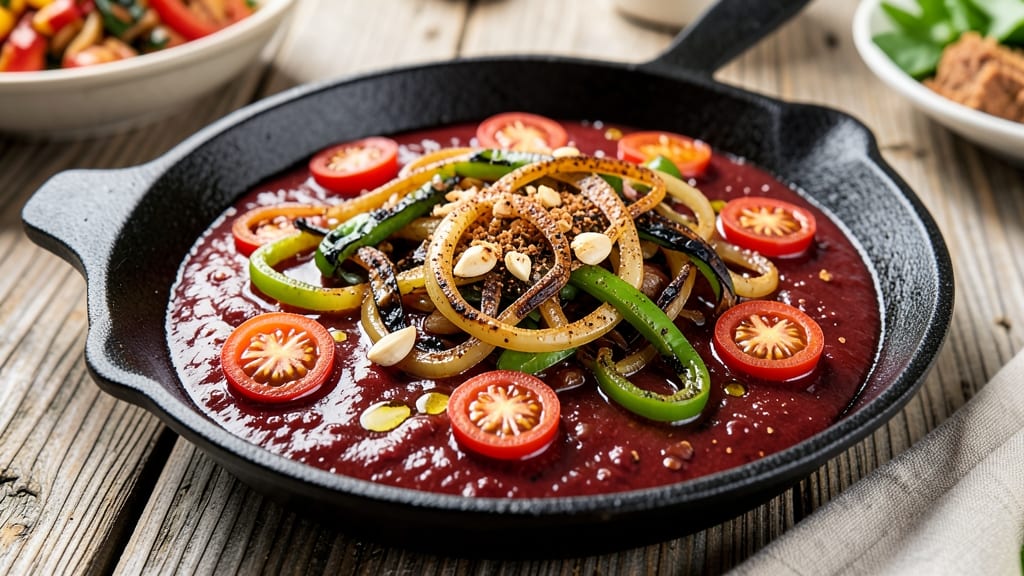
This Backyard Bayou sauce recipe transforms simple pantry staples into a smoky, spicy condiment that brings Cajun flavor to any dish—no fancy ingredients required. The secret lies in slow-simmered tomatoes, charred peppers, and a blend of Creole spices that develop deep umami richness over time.
I perfected this version after years of testing, balancing heat with layers of garlic, thyme, and a touch of sweetness that rounds out the bold flavors.
The sauce builds complexity through a two-step process: first, a deep caramelization of onions and bell peppers creates the base, then simmered tomatoes and spices infuse that foundation with smoky depth.
Unlike store-bought versions, this recipe delivers authentic Cajun heat without artificial additives, making it ideal for grilled seafood, fried chicken, or even as a bold pasta sauce. The texture thickens slightly as it cools, creating a perfect consistency for dipping or drizzling.
What makes this sauce truly versatile is its ability to adapt to any dish while maintaining its signature Cajun profile. Store it in the refrigerator for up to two weeks or freeze for months—its flavors only deepen with time.
Whether you're tossing shrimp with it or using it as a base for gumbo, this sauce transforms ordinary meals into something extraordinary with minimal effort. Let's create it step by step.
Pair this sauce with grilled meats, roasted vegetables, or even as a marinade for extra depth. The balance of sweet, smoky, and spicy flavors makes it a crowd-pleaser, and the recipe scales easily for large gatherings.
Ready to elevate your cooking with a taste of the bayou? Here's everything you need to know.
Ingredients for backyard bayou sauce
Pantry staples meet bold Cajun flavors in this smoky, umami-rich sauce perfect for grilling or dipping.
| Ingredient | Amount | Notes |
|---|---|---|
| Yellow Onions 🧅 | 1 ½ whole | Medium-sized, finely chopped |
| Green Bell Peppers 🌶️ | 2 whole | Medium-sized, sliced |
| Garlic Cloves 🧄 | 6 cloves | Fresh, minced |
| Canned San Marzano Tomatoes 🍅 | 28 oz | Crushed, high-quality |
| Cajun Seasoning 🌶️ | 2 tbsp | Homemade or store-bought |
| Smoked Paprika 🌶️ | 1 tbsp | For smoky depth |
| Fresh Thyme Leaves 🌿 | ¼ cup | Or 1 tbsp dried thyme |
| Bay Leaves 🌿 | 2 whole | Fresh or dried |
| Dark Brown Sugar 🍯 | 1 tbsp | For subtle sweetness |
| Apple Cider Vinegar 🍏 | 1 tbsp | Balances flavors |
| Extra-Virgin Olive Oil 🫒 | ¼ cup | For richness |
| Salt 🧂 | 1 ½ tsp | Diamond Crystal preferred |
| Black Peppercorns 🌶️ | ½ tsp | Freshly cracked |
The onions and bell peppers are your flavor foundation here. Yellow onions with a bit of sweetness pair perfectly with the pepper's slight bitterness. For best results, char them slightly in a hot pan before adding to the sauce—this adds that smoky depth that defines Cajun cooking. San Marzano tomatoes are worth seeking out for their sweet, meaty texture; the canned variety works just fine if you're short on time. If you're using fresh tomatoes, roast them first for concentrated flavor. The garlic? Six cloves gives you that authentic Cajun punch without overpowering. I always grab mine from Trader Joe's—their pre-minced jar saves time but fresh minced is better if you've got the patience.
No Cajun seasoning on hand? Mix 1 tbsp each of paprika, garlic powder, onion powder, and 0.5 tsp each cayenne and thyme—you'll get close. Fresh thyme is ideal, but dried works at one-third the amount. If you're avoiding vinegar, lemon juice at half the quantity works in a pinch. The smoked paprika is non-negotiable for that bayou smokiness—Penzeys or McCormick are reliable brands. For extra richness, add a splash of vegetable broth instead of water when thinning. And if you're feeling adventurous, swap half the tomatoes for fire-roasted crushed tomatoes for built-in smokiness.
This sauce only gets better with time. Store it in a glass jar in the fridge for up to 2 weeks, where it continues to develop its complex flavors. For longer storage, freeze in ice cube trays—perfect portions for later. The texture thickens as it cools, so add a splash of water or broth if you prefer it looser. I always make double batches—one for immediate use and one to freeze. The flavors meld beautifully when reheated, making it perfect for meal prep. Just give it a quick stir before using to redistribute any settled spices.
Why You'll Love This Recipe
- No-Chop Shortcut: That Cajun seasoning does all the work while you dice—honestly, I just rough-chop the onions and peppers, toss them in a pot, and let the heat soften them. No knife skills required, just sweat and sizzle.
- Deep, Smoky Soul: Between us, the San Marzano tomatoes and garlic cloves simmered low create this rich base—like a slow-cooked secret. The Cajun kick? It lingers, but not overpoweringly; more like a warm hug with a little spice.
- Leftovers That Shine: This sauce only gets better the next day, especially if you let it reduce slightly. I’ve used it to toss with rice, drizzle over grilled chicken, or even mix into scrambled eggs—yes, even on a Tuesday night.
- Pantry Powerhouse: You’re looking at five ingredients, most of which you already own. No specialty trips, no wasted money—just a flavor bomb that costs less than takeout but tastes like a backyard feast. Budget-friendly doesn’t mean boring.
Step-by-step instructions for backyard bayou sauce
This smoky Cajun sauce builds layer upon layer of flavor through precise technique and patience.
Sauté the Aromatic Base
Heat the 0.25 cup extra-virgin olive oil in a heavy Dutch oven over medium heat. Add the 1.5 whole yellow onions and 2 whole green bell peppers, sliced into ½-inch strips. Cook for 8-10 minutes, stirring occasionally, until the onions soften and the peppers begin to release their moisture. You'll know they're ready when they smell sweet and the edges just start to turn translucent.
Add the 6 cloves minced garlic cloves and 1 tbsp smoked paprika, stirring constantly for 30 seconds until fragrant. The garlic should sizzle gently without burning—watch carefully as it turns golden almost instantly. This aromatic base forms the flavor foundation of your sauce, so take your time here to develop those rich, smoky notes.
Build the Sauce with Tomatoes and Seasonings
Pour in the 28 oz crushed San Marzano tomatoes, scraping up any browned bits from the bottom of the pot. Add the 2 tbsp Cajun seasoning, 1.5 tsp salt, 0.5 tsp cracked black peppercorns, and 1 tbsp dark brown sugar. Stir well to combine all ingredients thoroughly.
Bring the mixture to a gentle simmer over medium-low heat, then reduce heat to maintain a steady simmer. Partially cover the pot and let it cook for 20-25 minutes, stirring occasionally. You're looking for the sauce to thicken slightly while developing deep, complex flavors. The tomatoes should break down and release their juices, creating a rich, velvety consistency.
Add Acid and Herbs for Balance
Stir in the 1 tbsp apple cider vinegar and 0.25 cup fresh thyme leaves, along with the 2 whole bay leaves. The vinegar will brighten the flavors and cut through any richness, while the thyme and bay leaves add aromatic depth. Let the sauce simmer uncovered for another 15-20 minutes, until it reaches your desired thickness.
Taste and adjust seasoning if needed—you may want to add a bit more salt or vinegar to balance the flavors. The sauce should be rich with smoky, spicy notes from the Cajun seasoning and paprika, balanced by the subtle sweetness of the brown sugar and the bright acidity of the vinegar. Remove and discard the bay leaves before serving.
Finish and Store
For an extra layer of complexity, you can optionally blend the sauce until smooth or leave it slightly chunky for texture. The choice depends on your preference—both versions work beautifully. If you're serving immediately, ladle the sauce over grilled seafood, shrimp, or chicken for an authentic bayou flavor experience.
For storage, let the sauce cool to room temperature, then transfer to airtight containers. It will keep in the refrigerator for up to 5 days or can be frozen for up to 3 months. The flavors actually deepen over time, making this sauce perfect for batch cooking and meal prep. The sauce's versatility makes it ideal for everything from dipping to marinating to finishing dishes.
Pro Tips For Making Backyard Bayou Sauce
- CHAR THE ONIONS LOW: Sweat those yellow onions at medium-low heat—high heat turns them bitter faster than you can say "Cajun kick." I used to rush this, and the sauce ended up tasting like a sad campfire instead of a smoky bayou dream.
- SMASH THE GARLIC: Mince those cloves fine, then crush them with the flat side of your knife before adding to the pot. This releases more flavor—no, it doesn’t take twice as long, but it makes a real difference when the sauce simmers.
- SALT THE TOMATOES FIRST: Drain the San Marzano tomatoes, then sprinkle them with ½ teaspoon of salt and let them sit for 10 minutes. This pulls out excess water, so your sauce won’t turn into a thin, watery mess later.
- STIR THE CAJUN IN LAST: Add the Cajun seasoning with the tomatoes, not at the start. Stirring it in early burns the spices, and you’ll end up with a bitter, smoky edge instead of that bright, balanced heat you’re after.
Dietary considerations for this recipe
Gluten-Free Adaptations
This sauce is naturally gluten-free as written, but always double-check your Cajun seasoning label—some brands include wheat fillers. I recommend Tony Chachere's or Cajun Spice Company blends, which are certified gluten-free.
The apple cider vinegar and smoked paprika are also safe for gluten-sensitive diets, making this an easy swap for traditional recipes that might contain hidden gluten. 🌾
Low-Sodium Options
If you're watching your sodium intake, reduce the 1.5 tsp salt to just 0.5 tsp and boost flavor with an extra 0.5 tsp black peppercorns and 1 tbsp lemon juice instead of vinegar. The natural umami from the tomatoes and charred peppers will still shine.
For extra depth, add 1 tsp fish sauce (ensure it's gluten-free if needed) or a splash of low-sodium soy sauce. Taste as you go—this sauce is forgiving!
Vegan-Friendly Swaps
This recipe is already vegan, but if you want to enhance richness, swap extra-virgin olive oil for vegan butter (like Miyoko's) in the sauté step. For extra umami, add 1 tbsp nutritional yeast or 1 tsp liquid smoke (like Colt's) to deepen the smoky flavor.
The San Marzano tomatoes and apple cider vinegar remain plant-based staples, keeping it fully vegan while amplifying the bayou vibes. 🌱
Spice Sensitivity Adjustments
If cayenne or smoked paprika is too intense, reduce the 2 tbsp Cajun seasoning to 1 tbsp and replace half with sweet paprika. For extra heat control, remove the seeds from the green bell peppers before slicing.
A touch of honey (or maple syrup for vegan) can also mellow the spice while keeping the sauce's signature sweet-spicy balance. Start with these adjustments, then tweak to your tolerance.
Allergen-Free Focus
This sauce avoids common allergens like dairy, eggs, and nuts, but always verify individual ingredients. For example, some Cajun seasoning blends** may contain mustard powder (a potential allergen). If you're allergic to sulphites, opt for fresh thyme over dried, as dried herbs are more likely to contain preservatives.
The San Marzano tomatoes and apple cider vinegar are typically allergen-free, making this a safe bet for most dietary restrictions. 🚫🤧
Nutrition facts
Frequently asked questions
Can I make this sauce without fresh tomatoes?
Use 28 oz fire-roasted crushed tomatoes instead of fresh for extra smoky depth without charring. For a smoother texture, blend canned tomatoes with 1 tbsp tomato paste before adding to the pot. The acidity will balance perfectly with the Cajun spices, and you'll still get that rich, velvety consistency.
How do I adjust the heat level for kids or sensitive palates?
Reduce the Cajun seasoning to 1 tbsp and replace half with sweet paprika. Remove bell pepper seeds before slicing, and swap cayenne (if present in your blend) for extra smoked paprika. A drizzle of honey or maple syrup at the end also helps mellow the spice while keeping the sauce's signature sweet-spicy balance.
What's the best way to use leftover sauce?
This sauce freezes beautifully! Portion into ice cube trays for single-use servings, or store in airtight containers for up to 3 months. Thaw overnight in the fridge, then stir and reheat gently. Use it as a marinade for grilled shrimp, a dipping sauce for fried catfish, or a bold pasta sauce with shrimp and okra.
Can I make this sauce in a slow cooker?
Yes! Sauté the onions, peppers, and garlic in a skillet first, then transfer everything to the slow cooker. Add all remaining ingredients and cook on LOW for 4-5 hours or HIGH for 2-3 hours. The slow cooker enhances the sauce's depth, but you may need to add 1-2 tbsp water if it gets too thick. Stir occasionally to prevent sticking.
What dishes pair best with Backyard Bayou Sauce?
This sauce shines with grilled seafood (shrimp, catfish, or salmon), fried chicken, and Cajun-style shrimp and grits. Use it as a marinade for pork chops or tofu, or drizzle over blackened fish tacos. For vegetarian options, toss it with roasted eggplant or grilled portobello mushrooms. The smoky-sweet profile works surprisingly well with cornbread too!