
Sauces & Condiments
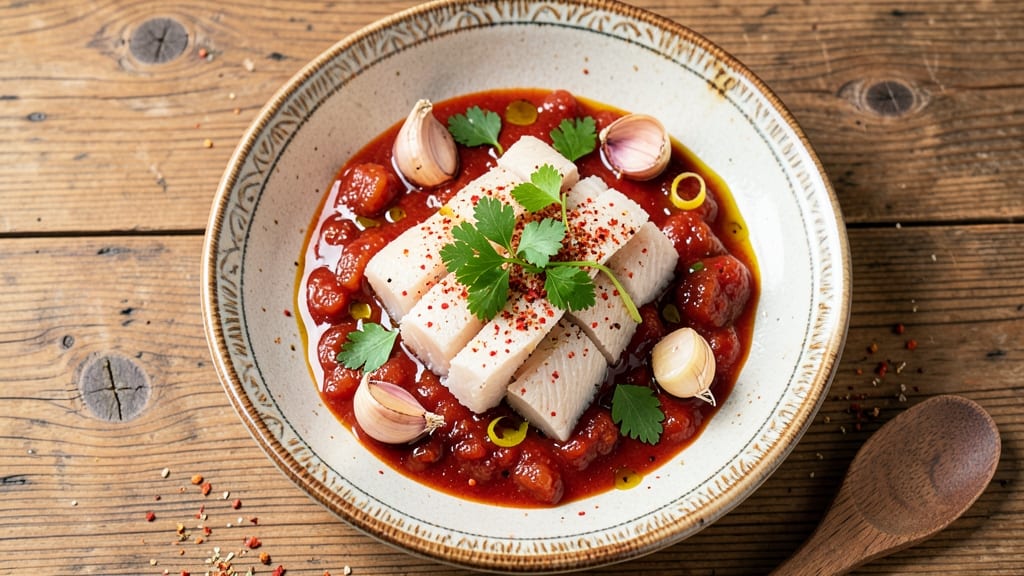
This baccala sauce recipe transforms humble salted cod into a deeply flavorful, umami-rich condiment that elevates pasta, fish, and bread to new heights.
The process begins with soaking the baccala to remove excess salt, then simmering it with tomatoes, garlic, and herbs until the sauce achieves a velvety texture and complex depth.
What makes this sauce special is its ability to balance salty, sweet, and savory notes—creating a profile that’s both rustic and refined.
The foundation of great baccala sauce lies in patience—letting the flavors meld over low heat for at least 30 minutes ensures the salted cod dissolves completely, infusing the sauce with its signature briny richness.
Olive oil and chili flakes add brightness and warmth, while fresh parsley brightens the final result. This isn’t just a sauce; it’s a flavor bomb that turns simple dishes into something extraordinary.
Perfect for pescatarian diets, this sauce pairs beautifully with al dente pasta, grilled fish, or even as a dip for crusty bread. The texture is silky yet substantial, with a slight tang that lingers on the palate.
Whether you’re recreating a traditional Italian dish or experimenting with modern twists, this sauce delivers restaurant-quality depth with minimal effort.
Ready to transform your cooking? The process is straightforward, but the results are anything but ordinary. Let’s get started on creating a sauce that will have everyone asking for seconds.
Ingredients for baccala sauce
Transform salted cod into a velvety, umami-rich sauce that's the secret weapon for pasta nights.
| Ingredient | Amount | Notes |
|---|---|---|
| Salted Cod (Baccala) 🐟 | 8 oz | High-quality, unsmoked preferred |
| Extra-Virgin Olive Oil 🫒 | ½ cup | Fruity, high-quality preferred |
| San Marzano Tomatoes 🍅 | 2 cans | Crushed or whole, no salt added |
| Garlic Cloves 🧄 | 6 cloves | Freshly minced, not pre-minced |
| Red Chili Flakes 🌶️ | 1 tbsp | Adjust for spice preference |
| Fresh Parsley 🌿 | ¼ cup | Finely chopped, stems removed |
| Dried Oregano 🍃 | 1 tsp | Italian or Mediterranean preferred |
| Bay Leaves 🌿 | 2 whole | Fresh or dried, removed before serving |
| White Wine 🍷 | ½ cup | Dry, medium-bodied preferred |
| Diamond Crystal Kosher Salt 🧂 | 1 tsp | For seasoning, not for soaking |
The baccala is the star here—look for high-quality, unsmoked salt cod at specialty Italian markets or well-stocked grocery stores like Whole Foods. If you can't find it, Trader Joe's often carries it in their frozen section. The key is soaking it for at least 12 hours to remove excess salt before using. Fresh parsley and garlic should be vibrant—wilted herbs or yellowing garlic means it's past its prime. For the tomatoes, San Marzano is non-negotiable for that sweet, rich flavor. If you're using canned tomatoes, crush them by hand for better texture.
No salted cod? Anchovies or smoked trout can mimic the briny depth, though the texture will differ. Short on wine? Substitute with extra tomato paste or white grape juice—it won't be identical, but it'll work in a pinch. Pre-minced garlic lacks freshness, so buy whole cloves and mince them yourself—it takes 30 seconds and makes a huge difference. The chili flakes can be swapped for red pepper flakes or cayenne, but adjust the amount since cayenne is hotter. For a deeper flavor, toast the dried oregano in a dry pan for 30 seconds before adding—it releases the essential oils and takes this sauce to the next level.
This sauce tastes even better the next day as the flavors meld, so make a double batch if you're planning to use it over multiple meals. Store it in an airtight container in the fridge for up to 5 days, or freeze for 3 months. The olive oil layer that forms on top is normal—just stir it back in before using. For serving, drizzle it over al dente pasta, grilled fish, or crusty bread—the possibilities are endless. If you're feeling fancy, finish it with a sprinkle of freshly grated Pecorino Romano for a salty, tangy contrast.
Why You'll Love This Recipe
- No-Soaking Hassle: I’ll be real—despite the salted cod, this sauce actually skips the long soak. Just rinse the baccala a few times, and you’re good to go. That crispy, salty depth stays intact without the waiting game.
- Umami Bomb: The baccala turns the tomatoes into something next-level—deep, briny, and slightly funky. Toss in a glug of that extra-virgin olive oil and a pinch of chili flakes, and you’ve got a sauce that tastes like a hug from a Sicilian nonna.
- Pasta’s New Bestie: This sauce clings to everything—pasta, polenta, even grilled fish. I’ve used it for weeknight dinners, potlucks, and even slathered it on toast with a sprinkle of pecorino. Versatile enough to play the starring role or the sidekick.
- Budget Stretch: A single block of baccala stretches across multiple meals—freeze the leftovers or toss them into frittatas later. Honestly, it’s one of those ingredients that makes frugal cooking feel fancy without breaking the bank.
Step-by-step instructions for slow-simmered baccala sauce
This rich, umami-packed sauce transforms simple pasta into a flavor explosion—let's build it layer by layer.
Soak and Shred the Salted Cod
Place the 8 oz salted cod (baccala) in a bowl and cover with cold water by about 2 inches. Let it soak for 24 hours, changing the water 3 times during this period. This removes excess salt and prepares the fish for maximum flavor extraction.
After soaking, drain the cod and pat it dry with paper towels. Using a sharp knife or your hands, shred the cod into fine, bite-sized pieces. You want small, even pieces that will dissolve beautifully into the sauce without leaving fishy texture. Discard any bones or skin that remain.
Build the Flavor Base in Olive Oil
Heat the 0.5 cup extra-virgin olive oil in a large, heavy-bottomed pot over medium heat. Add the 6 cloves freshly minced garlic cloves and cook for 1-2 minutes until they become golden and fragrant—don't let them brown, or they'll turn bitter.
Stir in the 1 tbsp red chili flakes and 1 tsp dried oregano, toasting for 30 seconds until the spices release their aroma. This step is where the sauce's depth begins—those toasted spices will infuse the oil with complex, smoky notes that carry through the entire dish.
Simmer the Tomatoes and Wine
Add the 2 cans San Marzano tomatoes (crushed or whole, no salt added) to the pot, stirring to combine with the oil and spices. Bring the mixture to a gentle simmer over medium-low heat, then reduce heat to maintain a barely bubbling state. Let it cook uncovered for 20 minutes, stirring occasionally.
After 20 minutes, pour in the 0.5 cup white wine and the 1 tsp diamond crystal kosher salt. Add the 2 whole bay leaves and the shredded cod. The sauce should simmer slowly for 30-40 minutes—this long cooking time allows the cod to break down completely, releasing its deep, salty-sweet essence into the sauce.
Finish with Parsley and Reduce
Once the cod has fully dissolved into the sauce (you'll know it's ready when the sauce thickens slightly and the fish flavor is fully integrated), remove the bay leaves. Stir in the 0.25 cup finely chopped fresh parsley and simmer for an additional 5-10 minutes to allow the flavors to meld.
The sauce should now be rich, slightly thickened, and deeply aromatic—almost like a cross between a seafood stew and a tomato-based ragù. Taste and adjust seasoning if needed, adding a pinch more salt or a splash of water to reach your desired consistency. This sauce is best served immediately over pasta, but it also keeps well in the refrigerator for up to 3 days.
Pro Tips For Making Baccala Sauce
- SOAK BACCALA LONGER: I learned this the hard way—skipping the extra 12 hours makes the fish taste like salted cardboard. Use cold water, change it twice, and don’t rush it. The longer you soak, the deeper the flavor, and the less you’ll taste that lingering salt bite.
- SWEAT GARLIC LOW: After burning three batches, I finally figured out: garlic in olive oil needs patience. Keep heat at medium-low and stir constantly—yes, even if you’re impatient like me. Golden brown means flavor; blackened means regret.
- CRUSH TOMATOES BY HAND: San Marzano tomatoes are already perfect, but crushing them with your fingers (not a blender) releases more juice and breaks down skins faster. No, it’s not the prettiest method, but it works—your sauce will be smoother and richer.
- SALT THE WATER: The soaking water for baccala? Add 1 tablespoon of salt per liter. It might sound counterintuitive, but it helps draw out the excess salt from the fish faster—your sauce won’t need extra seasoning later. Trust the process.
Wine and beer pairings for this baccala sauce
White Wine Pairings
For this sauce, I always reach for a dry, medium-bodied white wine like Vermentino or Pinot Grigio—their crisp acidity cuts through the sauce's richness while complementing its briny depth. The wine's natural minerality mirrors the salted cod's umami, creating harmony on the palate. 🍷
Red Wine Options
If you prefer red, go for a light-bodied Chianti or Sangiovese—their bright acidity and subtle earthiness stand up to the sauce's intensity. Avoid heavy reds like Cabernet Sauvignon, which would overpower the delicate flavors. I've found that a 12-14% ABV red works best for balance.
Beer Pairings
A crisp Italian lager like Peroni or Moretti is my go-to beer pairing—its clean, effervescent quality refreshes the palate between bites. For craft beer lovers, a Belgian witbier (like Hoegaarden) adds a citrusy contrast that enhances the chili flakes in the sauce. 🍺
Non-Alcoholic Choices
For a non-alcoholic option, try sparkling water with a splash of lemon juice—the bubbles cleanse the palate, while the citrus brightens the sauce's depth. Alternatively, a ginger beer adds a spicy kick that pairs beautifully with the chili flakes in the baccala sauce.
Serving Temperature
Serve the sauce at room temperature or slightly warmed—this lets its complex flavors shine without competing with the wine or beer. If using with cold dishes like seafood, a chilled glass of white wine works perfectly, while warm pasta pairs best with a slightly warmed glass of red.
Pro Tip: Decanting
For white wines, decant for 10-15 minutes before serving to open up the aromas and soften any harshness. Red wines don't need decanting—just pour and enjoy immediately. The key is to let the wine breathe just enough to complement the sauce's deep, savory notes. ✨
Nutrition facts
Frequently asked questions about baccala sauce
Can I substitute salted cod with another ingredient?
Yes! If you can't find salted cod, try anchovies (4-5 fillets) or smoked trout (4 oz) for a similar briny depth. For a vegetarian option, use 1 tbsp fish sauce plus 1 tsp soy sauce—though the flavor will differ slightly. The key is balancing saltiness, so adjust other seasonings accordingly.
How do I know when the sauce is ready?
The sauce is done when the shredded cod has fully dissolved and the mixture thickens slightly, typically after 30-40 minutes of simmering. It should coat the back of a spoon smoothly with a rich, velvety texture. Taste for saltiness—you may need to reduce added salt since the cod already contains it.
Can I make this sauce ahead of time?
This sauce tastes even better the next day as flavors meld. Store it in an airtight container in the fridge for up to 5 days or freeze for 3 months. The olive oil may separate—just stir before using. Reheat gently over low heat to preserve its texture.
What's the best way to serve baccala sauce?
Use it as a condiment for al dente pasta (like linguine or spaghetti), drizzled over grilled fish, or as a dip for crusty bread. For extra flair, finish with freshly grated Pecorino Romano or a sprinkle of chili flakes. It's also fantastic on polenta or as a topping for bruschetta.
Why does my sauce taste too salty?
Salted cod contains a lot of salt, so taste as you go and adjust carefully. If needed, dilute with 1/4 cup water or white wine and simmer for 5-10 more minutes. Avoid adding extra salt—the sauce's depth comes from balancing the cod's natural saltiness with acidic (tomatoes) and fatty (olive oil) elements.