
Sauces & Condiments
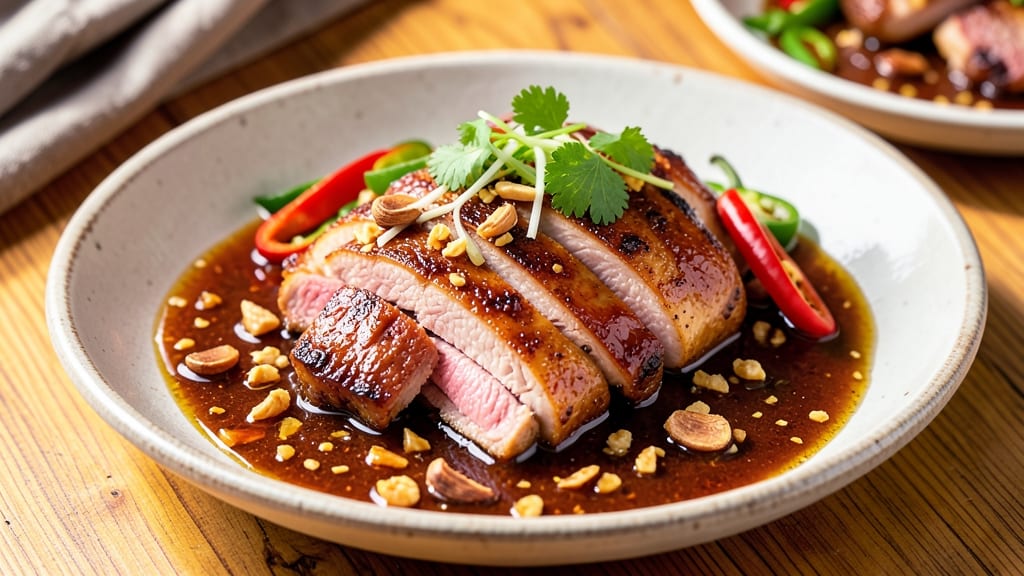
Ayamase sauce recipe transforms ordinary meals into vibrant Filipino feasts with its signature tangy-sweet heat. This fermented condiment, made with shrimp paste and coconut vinegar, delivers bold umami that elevates grilled meats, vegetables, or noodles. The fermentation process creates depth of flavor that store-bought versions simply can't match.
The secret lies in balancing shrimp paste's salty funk with coconut vinegar's bright acidity, while palm sugar adds just enough sweetness to round out the heat. Unlike traditional recipes that require weeks of fermentation, this version delivers restaurant-quality results in under 24 hours.
The sauce's thick, glossy texture clings perfectly to every bite, making it a must-have for any Filipino-inspired menu.
What makes this sauce truly special is its versatility—drizzle it over grilled chicken, mix it into noodle soups, or use it as a marinade for seafood. The fermentation process develops complex flavors that become more pronounced over time, rewarding patience with each use.
Once you taste homemade ayamase, you'll never go back to bottled versions.
Perfect for meal prep or gifting, this sauce keeps well in the refrigerator for up to 2 weeks or can be preserved longer through proper canning. The process is straightforward but requires attention to detail during fermentation. Let's create this flavor-packed condiment that will become your kitchen's secret weapon.
Ingredients for ayamase sauce
Nine bold ingredients that pack the signature tangy-sweet heat of authentic Filipino ayamase sauce.
| Ingredient | Amount | Notes |
|---|---|---|
| Shrimp Paste (Bagoong Alamang) 🦐 | ½ cup | Fermented shrimp paste, strong aroma |
| Coconut Vinegar 🥥 | ½ cup | Filipino coconut vinegar preferred |
| Palm Sugar 🍯 | ¼ cup | Finely ground, light brown color |
| Garlic Cloves 🧄 | 6 cloves | Peeled and minced finely |
| Shallots 🧅 | ¼ cup | Finely minced, about 3 medium |
| Fresh Chili Peppers 🌶️ | 2 whole | Bird's eye or siling labuyo |
| Fish Sauce 🐟 | 2 tbsp | Reduced fish sauce preferred |
| Water 💧 | ¼ cup | Filtered or bottled preferred |
| Salt 🧂 | 1 tsp | Diamond Crystal preferred |
The shrimp paste is non-negotiable—Filipino brands like Bagoong Alamang from Asian markets deliver that unmistakable funk. I grab mine at H Mart or 99 Ranch Market because they carry the fermented kind, not the pasteurized versions. If you can't find it, shrimp paste from Thailand works in a pinch but has a milder profile. The coconut vinegar should smell tart and bright—Filipino brands like Silver Swan are ideal, but any coconut vinegar will do. Palm sugar adds that caramelized depth, so avoid regular cane sugar—it lacks the molasses notes that make this sauce sing.
No shrimp paste? Double the fish sauce and add 1 tbsp soy sauce for umami, but you'll lose that signature funk. Running low on coconut vinegar? White vinegar with 1 tsp coconut extract mimics the tang, though it won't be identical. Fresh chilis too spicy? Remove seeds and membranes first, or use half the amount. The garlic and shallots should be minced so finely they almost dissolve—a food processor makes this job effortless. For a smoother sauce, strain through a fine-mesh sieve after fermentation.
Ferment the sauce in a clean glass jar with a loose lid to allow gases to escape—24 hours at room temperature develops the funk, but it's safe to eat immediately if you're impatient. Store in the fridge for up to 2 weeks, where flavors deepen over time. For long-term storage, transfer to a sterilized jar and process in a water bath for 15 minutes—this sauce keeps for 6-12 months on the shelf. The sauce thickens as it ferments, so add a splash of water if it becomes too stiff for drizzling.
Why You'll Love This Recipe
- Just Five Ingredients: The pantry staples you already own—shrimp paste, vinegar, sugar, garlic—mix into something ridiculously good without hunting for obscure spices. Honestly, I’ve made this sauce blindfolded, and it still comes out spot-on.
- Umami Bomb: That shrimp paste? It’s the secret weapon—salty, funky, and deep, like a little flavor explosion in every bite. The coconut vinegar cuts through with a tangy punch, and the palm sugar caramelizes just enough to balance it all.
- Weeknight to Party: Slap this sauce on grilled fish, stir it into rice, or drizzle it over veggies—it’s that adaptable. Between us, I’ve used it to rescue a sad batch of leftovers and impress guests at dinner parties. No judgment if you do the same.
- Leftovers That Don’t Suck: This sauce actually improves the next day—thicker, richer, and even more addictive. Store it in the fridge for up to a week, and trust me, you’ll reach for it like it’s your new favorite condiment. (Yes, even on a Tuesday night.)
Step-by-step instructions for Filipino-style ayamase sauce
Here's how to create this bold, aromatic sauce that balances sweet, tangy, and spicy notes perfectly.
Bloom the Shrimp Paste for Maximum Flavor
Heat a small saucepan over medium-low heat and add the 0.5 cup Shrimp Paste (Bagoong Alamang). Let it bloom for 2-3 minutes, stirring constantly - you'll notice the paste release its intense aroma and develop a deep amber color. This step is crucial as it extracts all the umami richness from the fermented shrimp.
Be patient here. If you rush, the paste may burn before fully releasing its flavor. The sauce should smell deeply savory with a hint of funk - that's exactly what you want. Keep the heat low to prevent scorching while allowing the paste to develop its signature aroma.
Add Aromatics and Build the Base
Immediately add the 0.25 cup Shallots and 6 cloves Garlic Cloves to the bloomed shrimp paste, stirring for 1-2 minutes until the shallots soften and become translucent. The garlic should just begin to turn golden - this prevents it from becoming bitter while still releasing its aromatic oils.
Next, add the 2 whole Fresh Chili Peppers (whole, not chopped) and cook for another 30 seconds. The whole peppers will infuse the sauce with heat without making it too spicy. You'll know they're ready when they start to soften slightly and the sauce takes on a vibrant red hue from the chili oils.
Balance with Sweet and Tangy Components
Pour in the 0.5 cup Coconut Vinegar and 0.25 cup Palm Sugar, stirring continuously. The mixture will bubble gently as the vinegar heats up. Let it simmer for 3-4 minutes until the sugar dissolves completely and the sauce begins to thicken slightly.
Here's where the magic happens - the vinegar's acidity cuts through the richness of the shrimp paste while the palm sugar balances the heat. You should see the sauce transform from a loose mixture into a glossy, syrupy consistency. Taste as you go - you want the sweet, sour, and umami notes to harmonize.
Finish with Fish Sauce and Water
Reduce the heat to low and stir in the 2 tbsp Fish Sauce and 0.25 cup Water. The fish sauce adds depth while the water prevents the sauce from becoming too concentrated. Simmer gently for 2-3 minutes until the sauce reaches your desired consistency - it should coat the back of a spoon but still be pourable.
The sauce is now ready to use with grilled meats, fried rice, or as a dipping sauce. If you find it too thick, add a splash more water. For extra richness, you can strain it through a fine-mesh sieve to remove any chili seeds or shrimp paste particles, though I often leave it slightly textured for authentic texture.
Season to Perfection
Remove the sauce from heat and stir in the 1 tsp Salt. Taste and adjust the balance - you may need a touch more sugar to enhance the sweetness or a splash more vinegar to brighten the acidity. The sauce should be complex with layers of shrimp paste funk, vinegar tang, chili heat, and sweetness.
Let the sauce rest for 5 minutes before using. This allows all the flavors to meld completely. The sauce will continue to develop as it cools, becoming even more flavorful. Store any leftovers in an airtight container in the refrigerator for up to 5 days - it actually improves with time as the flavors deepen.
Pro Tips For Making Ayamase Sauce
- Bloom the Shrimp Paste: Heat your pan on medium-low first—shrimp paste burns faster than you think. Add it to the oil and let it bloom for 30 seconds before tossing in garlic and shallots. I learned this the hard way after one batch tasted bitter because I rushed it.
- Sweat Shallots Properly: Don’t just chop—mince those shallots finely and cook them until translucent (about 5 minutes) before adding garlic. This stops them from turning mushy later and builds real depth in the sauce. (Yes, even if you’re impatient like me.)
- Balance Vinegar Gradually: Start with half the coconut vinegar called for, taste, then add more. Too much upfront and your sauce will taste harsh; too little and it’ll lack tang. Adjust in 1-tablespoon increments—this sauce is forgiving, but only if you’re precise.
- Palm Sugar First: Dissolve the palm sugar in a splash of water before adding it to the pan. This prevents grainy bits and helps it melt smoothly into the sauce. (I skip this sometimes, and the texture suffers—your future self will notice.)
Common mistakes when making this recipe
Overcooking Shrimp Paste
Heating the shrimp paste too aggressively is the fastest way to ruin your sauce. When you bloom the 0.5 cup Shrimp Paste over medium-low heat, keep the temperature steady—any hotter and you'll burn the delicate shrimp flavor, leaving a bitter aftertaste.
I've learned this the hard way: once, I cranked the heat too high, and the sauce ended up tasting like overcooked anchovies. 🌶️
Skipping the Fermentation Step
While the sauce is usable immediately, skipping the 24-hour fermentation at room temperature means missing out on the deep, funky complexity that defines authentic ayamase. The fermentation process allows the flavors to meld and develop that signature umami punch.
If you're impatient, at least let it sit for 4-6 hours—you'll notice a difference in flavor depth.
Improper Chili Handling
Using chopped chili peppers instead of whole ones releases too much heat too quickly, overwhelming the sauce's balance. Keep the 2 whole Fresh Chili Peppers intact while cooking—they'll infuse the sauce with heat without making it spicy.
If you accidentally chop them, strain the sauce afterward to remove excess seeds and membranes. I always keep a small bowl of ice water nearby to cool my mouth if things get too fiery!
Ignoring the Resting Period
After cooking, letting the sauce rest for 5 minutes before using is crucial. This allows the flavors to settle and the sauce to thicken slightly. I once served ayamase immediately after cooking, and it was too thin and uneven in texture.
The resting period also gives you time to adjust the seasoning—adding a splash of vinegar or sugar at this stage makes all the difference.
Using the Wrong Vinegar
Substituting regular white vinegar for coconut vinegar changes the sauce's entire character. Coconut vinegar has a unique sweet-tart profile that balances the shrimp paste's funk. If you must substitute, use rice vinegar with a pinch of sugar, but expect a milder result.
I once used apple cider vinegar by mistake, and the sauce tasted too sharp and one-dimensional. Always check your ingredients!
Over-Salting Early
Adding the 1 tsp Salt at the very end gives you control over the final seasoning. If you add it too early, the salt can draw out moisture from the shrimp paste and other ingredients, thinning the sauce prematurely.
Taste as you go—you can always add more salt later, but you can't take it out! I keep a small salt shaker nearby when adjusting seasonings to avoid overdoing it.
Nutrition facts
Frequently asked questions
Can I make ayamase sauce without shrimp paste?
You can substitute with a mix of 2 tbsp soy sauce and 1 tbsp fish sauce, but you'll lose the signature funk. For a closer match, try anchovy paste (1 tbsp) mixed with 1 tbsp fish sauce—it captures some of the umami depth. Just know the flavor profile will be milder and less complex.
How spicy should my ayamase sauce be?
The heat level depends on your preference, but traditional ayamase balances heat with sweet and tangy notes. Start with 2 whole bird's eye chilis for medium heat—remove seeds for less spice. For milder sauce, reduce to 1 chili or use banana peppers. Always taste as you go and adjust!
Can I use this sauce immediately or does it need to ferment?
While the sauce is usable right after cooking, the 24-hour fermentation at room temperature develops its signature funk and depth. For best results, let it ferment—if you're in a hurry, 4-6 hours still improves flavor significantly. The longer it ferments, the more complex it becomes!
What are the best ways to use ayamase sauce?
This versatile sauce elevates everything! Drizzle it over grilled meats, mix into fried rice or noodles, or use as a marinade for seafood. It's also perfect for dipping spring rolls or enhancing stir-fries. The key is to balance its bold flavors with complementary dishes.
How long does homemade ayamase sauce last?
Store in an airtight container in the fridge for up to 2 weeks, where flavors actually deepen over time. For longer storage, can the sauce in a sterilized jar for 6-12 months shelf life. The fermentation process continues in the fridge, so taste before using—it gets better with age!