
Sauces & Condiments
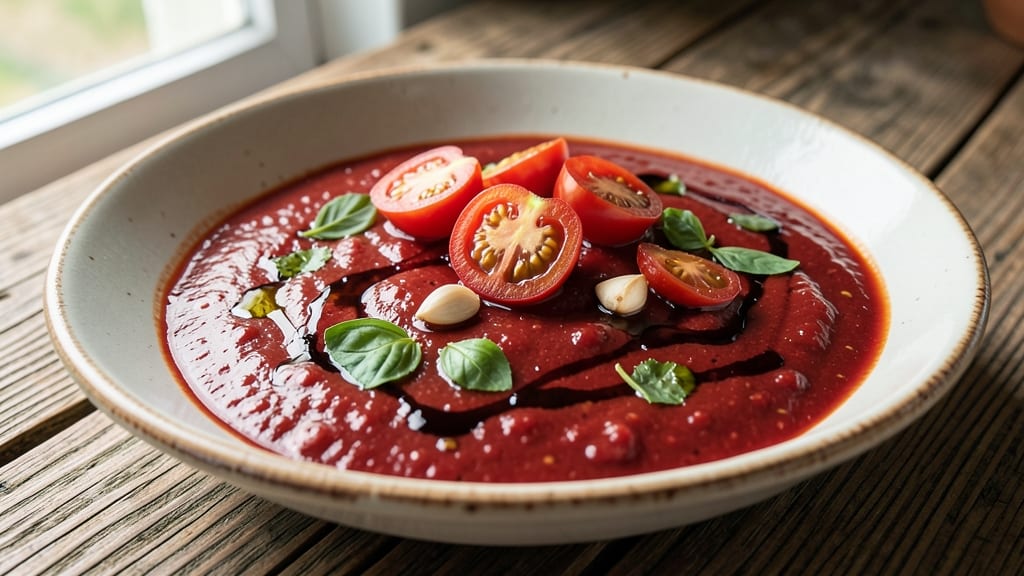
This authentic Sicilian red sauce captures the sun-ripened essence of tomatoes, garlic, and fresh basil in every spoonful. Unlike its Neapolitan cousin, Sicilian sauce embraces bold flavors—anchovies, red wine, and slow simmering—transforming simple ingredients into a rich, aromatic condiment that clings to pasta like a second skin.
The secret lies in patience: letting the sauce develop depth over time rather than rushing it through quick cooking.
Traditional recipes rely on San Marzano tomatoes, their sweetness and acidity forming the sauce’s backbone, while garlic and olive oil build a fragrant base. A splash of red wine deglazes the pot, adding complexity, and anchovies—yes, anchovies—provide that unmistakable umami richness that defines Sicilian cuisine.
Fresh basil, added at the end, brightens the sauce without overpowering its rustic character.
What sets this sauce apart is its versatility—perfect for tossing with pasta, drizzling over grilled meats, or serving as a condiment with crusty bread. The slow simmer reduces the sauce to a thick, velvety consistency that intensifies flavors and ensures every bite is packed with authentic Sicilian soul.
No shortcuts here; this is a sauce built to last, with a taste that improves overnight.
Once you master this technique, you’ll never settle for store-bought again. The process is straightforward, but the results are anything but ordinary—a testament to how simple ingredients, when treated with care, can create something truly extraordinary. Let’s get started on crafting a sauce that tastes like a slice of Sicily.
Ingredients for authentic sicilian red sauce
Nine ingredients transform into Sicily's richest sauce—anchovies, wine, and tomatoes work magic.
| Ingredient | Amount | Notes |
|---|---|---|
| San Marzano Tomatoes 🍅 | 28 oz | Canned, whole or crushed |
| Extra-Virgin Olive Oil 🫒 | ½ cup | High-quality, fruity variety |
| Garlic Cloves 🧄 | 6 cloves | Fresh, peeled, thinly sliced |
| Anchovy Fillets 🐟 | 2 tbsp | High-quality, finely chopped |
| Dry Red Wine 🍷 | ½ cup | Bold, medium-bodied variety |
| Fresh Basil Leaves 🌿 | ½ cup | Packed, stems removed |
| Diamond Crystal Kosher Salt 🧂 | 1 ½ tsp | Adjust to taste |
| Freshly Ground Black Pepper 🌶️ | ½ tsp | Freshly cracked |
| Red Pepper Flakes 🌶️ | ½ tsp | Optional, for heat |
San Marzano tomatoes are non-negotiable here—their sweetness and acidity balance perfectly. Look for the official DOP label when shopping; Whole Foods and specialty Italian markets carry the best. Garlic should be fresh, with no green shoots, and anchovies must be high-quality (avoid the canned kind—fresh fillets or small cans make all the difference). The olive oil? Use something fruity and peppery—like California Extra Virgin—to complement the bold flavors. Red wine selection matters too: a Chianti or Sangiovese adds authentic depth.
No San Marzano tomatoes? Crushed tomatoes in a high-quality jar work in a pinch, but add a pinch of sugar to mimic the sweetness. Skip the anchovies? Substitute with 1 tbsp fish-free umami boosters like soy sauce or mushroom powder, though purists will notice the difference. Fresh basil is ideal, but dried oregano at half the amount keeps the dish on track. The red wine can be swapped for tomato paste thinned with water, though you'll lose some complexity. For heat, crushed chili flakes work just as well as red pepper flakes.
This sauce tastes even better the next day—let it reduce overnight for maximum depth. Store in an airtight container in the fridge for up to 5 days or freeze for up to 3 months. For freezing, portion into ice cube trays before transferring to a bag—perfect for single servings. Always bring to room temperature before reheating to preserve texture. The sauce thickens as it cools, so thin with a splash of pasta water when serving.
Why You'll Love This Recipe
- Same sauce, endless uses: toss it with pasta for a 20-minute meal, spoon it over grilled fish for a fancy-feeling dinner, or freeze half for when you’re too tired to cook. Honestly, I’ve even used it as a marinade for chicken—works like a charm.
- No Chopping Chaos: I swear by this sauce because it’s basically hands-off after the initial prep—just crush garlic, toss in anchovies, and let the tomatoes do the work. The San Marzano plump up like magic, and the wine reduces to a glossy, savory depth without a single knife stroke after the first five minutes.
- Umami Bomb: That little jar of anchovy fillets? It’s the secret weapon—just a couple dissolved in olive oil, and suddenly your sauce has this je ne sais quoi depth. The garlic and wine sing together, but it’s the anchovies that turn "good" into "I’ll make this twice in one week" territory.
- Weeknight to Dinner Party: Same sauce, endless uses: toss it with pasta for a 20-minute meal, spoon it over grilled fish for a fancy-feeling dinner, or freeze half for when you’re too tired to cook. Honestly, I’ve even used it as a marinade for chicken—works like a charm.
Step-by-step instructions for authentic Sicilian red sauce
Here's the traditional method that captures the essence of Sicilian cuisine—rich, balanced, and built on slow simmering.
Bloom the Anchovies in Olive Oil
Heat the 0.5 cup extra-virgin olive oil in a heavy-bottomed saucepan over medium-low heat. Add the 2 tablespoons finely chopped anchovy fillets and let them dissolve completely, which should take about 3-4 minutes. This step is crucial—it creates the umami foundation that defines Sicilian red sauce.
Watch for the moment the anchovies melt into the oil, becoming nearly invisible. Stir gently to prevent burning, and resist the urge to increase heat. The oil should shimmer but not smoke. This anchovy-infused oil carries the deep, salty-sweet flavor that balances the acidity of the tomatoes.
Sauté Garlic Until Fragrant
Add the 6 cloves thinly sliced garlic to the anchovy oil and cook for 1-2 minutes until they turn a pale golden color. You want the garlic to be fragrant but not browned—this prevents bitterness that can overpower the delicate tomato flavor.
I like to remove the pan from heat briefly if the garlic starts to color too quickly. The garlic should be soft and translucent, releasing its sweet aroma into the oil. This is the moment that matters: proper garlic cooking transforms it from sharp to mellow, creating the aromatic base for your sauce.
Deglaze with Red Wine
Pour in the 0.5 cup dry red wine and increase heat to medium. Let it simmer for 3-4 minutes until reduced by half. This step deglazes the pan, capturing all the flavorful browned bits (fond) that contain concentrated tomato flavor.
Real talk: don't skip this reduction. The wine's acidity cuts through the richness of the anchovies and garlic, preparing the sauce for the tomatoes. You'll notice the wine darkens as it reduces, transforming from ruby to deep garnet—this visual change signals it's ready for the tomatoes.
Add Tomatoes and Simmer Slowly
Pour in the 28 oz San Marzano tomatoes (whole or crushed) and bring to a gentle simmer. Add the 1.5 teaspoons Diamond Crystal kosher salt, 0.5 teaspoon freshly ground black pepper, and 0.5 teaspoon red pepper flakes (if using). Reduce heat to low and let it cook uncovered for 45-60 minutes.
This slow simmering is non-negotiable for authentic flavor. The sauce should reduce until it coats the back of a spoon and the tomatoes break down into a rich, velvety consistency. Stir occasionally, but don't overwork it—this can make the sauce thicken prematurely. The reason we wait is that patience allows the natural sweetness of the tomatoes to develop while the acidity mellows.
Finish with Fresh Basil and Adjust Seasoning
Remove the sauce from heat and stir in the 0.5 cup fresh basil leaves. Let it steep for 5 minutes before tasting. The basil should infuse the sauce with its bright, aromatic flavor without overpowering the tomato base.
Taste and adjust seasoning if needed—this is where the sauce comes together. You might need a pinch more salt or a crack of black pepper to balance the flavors. The final sauce should be rich but not heavy, with a perfect harmony of sweet, salty, and slightly spicy notes. Serve immediately over pasta or save for later—it only gets better with time.
Pro Tips For Making Authentic Sicilian Red Sauce
- Sweat the Garlic Slowly: I learned this the hard way—crispy garlic burns fast and turns bitter. Use low heat and let those cloves release their aroma for 3-4 minutes before adding the anchovies. They’ll mellow into the sauce instead of dominating it with a harsh bite.
- Crush Anchovies Properly: Skip the whole fillets—mash them into a paste with a fork first. This distributes their umami evenly without clumping, and the oil from the anchovies will better emulsify with the tomatoes. (Yes, even if it looks like you’re making anchovy paste.)
- Simmer, Don’t Boil: After adding wine, reduce to a gentle simmer—you should barely see bubbles. Boiling skims off the delicate tomato flavors and concentrates the acidity. Think "whispering" heat, not a rolling pot of lava.
- Strain the Tomatoes Twice: Use a fine-mesh strainer first to catch skins, then a cheesecloth-lined sieve for a silky texture. The extra effort removes bitterness and gives you that restaurant-quality smoothness. (I know, I know—it’s a pain, but your sauce will taste like you spent all day.)
Serving suggestions for this dish
Pasta Pairings
This sauce clings beautifully to spaghetti or linguine, but I find bucatini or pappardelle elevate it further—their thick strands hold the sauce like a glove. For a rustic touch, serve over orecchiette (ear-shaped pasta) from Puglia, which catches the sauce in its little cups.
If you're feeling adventurous, try rigatoni for maximum surface area to soak up every umami-rich bite. 🍝
Meat Complements
Sicilian red sauce isn't just for pasta—it transforms grilled chicken thighs or pork chops into a showstopper. Brush the sauce over the meat in the last 10 minutes of cooking so it doesn't overpower.
For a hearty meal, serve it alongside braised beef short ribs or sausage links, where the sauce's acidity cuts through the richness. A drizzle over grilled lamb chops adds a Mediterranean flair that's hard to resist.
Bread Service
No Sicilian meal is complete without crusty bread to mop up the sauce. I love serving it with focaccia from Palermo, its olive oil richness complementing the sauce's bold flavors.
For a lighter option, toast ciabatta rolls and serve with a side of ricotta cheese—the creamy contrast balances the sauce's acidity beautifully. Even a simple baguette works, but avoid soft white bread that turns mushy when soaked.
Seasonal Vegetables
Spring brings the perfect opportunity to pair this sauce with roasted zucchini or eggplant. Toss halved zucchini with olive oil, salt, and a pinch of red pepper flakes, then roast at 400°F for 20 minutes before drizzling with sauce.
In summer, serve it over grilled asparagus or alongside charred bell peppers for a vibrant, fresh contrast. For autumn, roasted mushrooms or caramelized onions add earthy depth that pairs wonderfully.
Cheese Pairings
Finish your meal with a sprinkle of pecorino romano or aged parmigiano-reggiano for a salty, nutty contrast. I like grating freshly shaved pecorino over the sauce just before serving—it melts slightly and adds a briny kick.
For a vegetarian option, serve the sauce with mozzarella di bufala dollops, letting the creamy cheese soften as it absorbs the sauce's flavors. A dollop of ricotta on the side adds a cool, tangy balance to the rich tomato base.
Nutrition facts
Frequently asked questions
Why do I need anchovies in an authentic Sicilian red sauce?
Anchovies are the secret weapon of Sicilian cooking—they provide that unmistakable umami depth that balances the acidity of tomatoes. When dissolved in olive oil, they create a salty-sweet foundation that elevates the sauce beyond simple tomato flavor. Don't skip them unless you're willing to compromise on authenticity!
Can I make this sauce without red wine?
Yes, but you'll lose some complexity. Replace the 0.5 cup red wine with 0.5 cup tomato paste thinned with 0.25 cup water or 0.5 cup white wine vinegar. The acidity helps break down the tomatoes, though wine adds that special depth Sicilian cooks prize.
How do I know when the sauce is done?
The sauce is ready when it coats the back of a spoon smoothly and has reduced by about 30-40%. Look for a glossy sheen and concentrated tomato flavor—it should smell rich and aromatic, not watery. If it's still too thin after 60 minutes, simmer uncovered for another 15-20 minutes.
What's the difference between Sicilian and Neapolitan red sauce?
Sicilian sauce is bolder—it includes anchovies, red wine, and often a touch of sweetness from tomatoes. Neapolitan sauce is simpler, with garlic, olive oil, and sometimes a splash of vinegar. Sicilian versions also simmer longer for deeper flavor, while Neapolitan sauces are often lighter and quicker.
Can I make this sauce in a slow cooker?
Follow the same steps but transfer everything to the slow cooker after the wine reduction. Cook on low for 4-5 hours, stirring occasionally. The slow cooker's gentle heat helps develop the flavors beautifully—just watch the consistency closely to avoid over-reduction.