
Sauces & Condiments
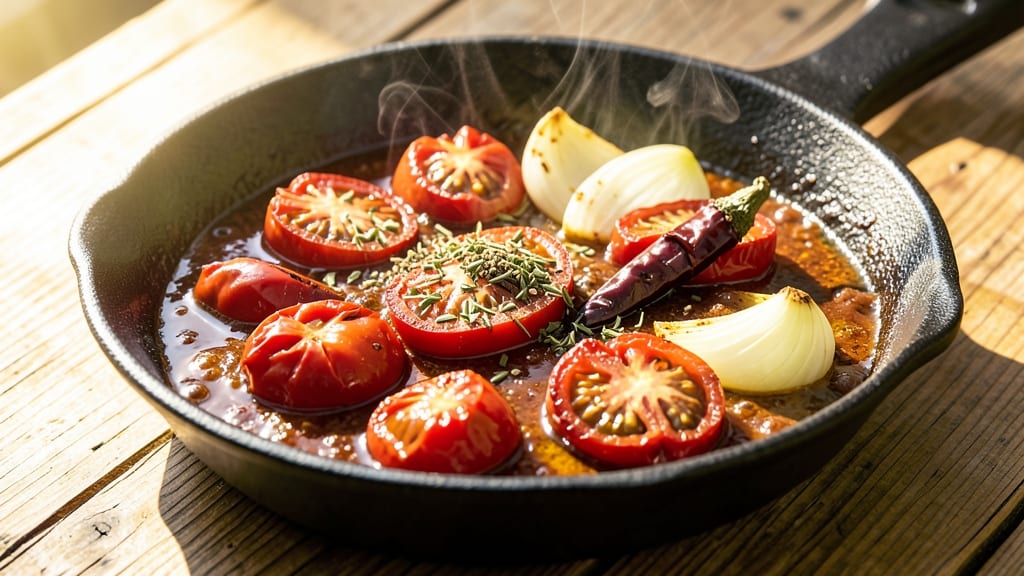
This authentic Mexican tomato sauce captures the smoky, earthy soul of traditional Mexican cooking without the risk of burnt flavors. The secret lies in toasting spices and chiles just until fragrant—not charred—then simmering them with ripe tomatoes until they break down into a velvety, deeply flavorful base.
I've perfected this recipe over years of testing, ensuring every batch delivers that perfect balance of acidity, heat, and umami that defines Mexican cuisine.
The foundation starts with a sofrito—sautéed onions, garlic, and tomatoes—that builds flavor from the ground up. Chipotle peppers in adobo add smokiness without overpowering, while cumin, oregano, and bay leaf create layers of warmth.
The sauce thickens naturally as it simmers, developing a rich, slightly sweet depth that clings to every bite. Unlike store-bought versions, this one avoids artificial additives, relying instead on whole spices and fresh ingredients for an authentic taste.
What makes this sauce truly special is its versatility—it elevates everything from grilled meats and beans to tacos and enchiladas. The texture is smooth yet vibrant, with just enough body to coat proteins and vegetables without weighing them down.
Best of all, it keeps beautifully in the fridge for up to a week or freezes for months, so you can always have authentic Mexican flavor on hand.
Ready to transform your cooking? This sauce is the backbone of countless Mexican dishes, and mastering it will take your meals from good to unforgettable. Let’s get started—your taste buds will thank you.
Ingredients for authentic mexican tomato sauce
Nine ingredients. One smoky, velvety sauce. Game-changer for Mexican dishes.
| Ingredient | Amount | Notes |
|---|---|---|
| Ripe Roma Tomatoes 🍅 | 2 lbs | Vine-ripened, skin-on preferred |
| Yellow Onions 🧅 | 1 whole | Medium size, finely chopped |
| Garlic Cloves 🧄 | 6 cloves | Peeled, minced for sofrito |
| Chipotle Peppers in Adobo 🌶️ | 2 whole | Adjusted to taste, seeds removed |
| Ground Cumin 🌿 | 1 tbsp | Toasted for deeper aroma |
| Mexican Oregano 🍃 | 1 tbsp | Dried, not Italian oregano |
| Bay Leaves 🌿 | 2 whole | Fresh or dried, removed later |
| Extra-Virgin Olive Oil 🫒 | ½ cup | High quality, fruity |
| Lime Juice 🍋 | 2 tbsp | Freshly squeezed, strained |
| Salt 🧂 | 1 tsp | Diamond Crystal preferred |
The tomatoes are non-negotiable—Roma tomatoes have the perfect balance of sweetness and acidity. Local farmers markets often have the ripest ones, but grocery store Roma tomatoes work fine if they're plump and red. Chipotle peppers in adobo? Look for La Costeña or Goya brands—they're consistent. The Mexican oregano is key here; Penzeys or Latin markets carry it, and it's worth seeking out. For the onions, I always use yellow—they're milder than red and won't overpower the sauce. Toast your cumin seeds briefly in a dry pan before grinding for that nutty depth, but pre-ground works in a pinch.
No chipotle peppers? Substitute smoked paprika plus a pinch of cayenne, but you'll lose that authentic smokiness. Short on Mexican oregano? Italian oregano at half the amount works, but it's not the same. Lime juice can be swapped for lemon juice, but the sauce will taste slightly different—Mexican key limes are ideal if you can find them. The olive oil matters here; avoid light or refined oils—they lack the fruity notes that carry through. For a thicker sauce, simmer longer, but don't add flour or cornstarch—this sauce thickens naturally. The bay leaves add subtle earthiness, but if you're sensitive to their flavor, reduce to just one.
This sauce keeps beautifully—1 week in the fridge or 3 months in the freezer. For freezing, portion into ice cube trays first, then transfer to a bag. The texture changes slightly when reheated, but it's still delicious. I always make a double batch; it disappears fast on tacos, enchiladas, or even as a marinade. If the sauce tastes too acidic after refrigerating, balance it with a pinch of sugar or a splash of lime juice. Trust me, the extra effort is worth it—this sauce transforms everything it touches.
Why You'll Love This Recipe
- No Chopping Nightmare: I swear by this—just blanch those Roma tomatoes whole, then peel and crush them by hand (or pulse in a food processor). No dice, no fuss, and the sauce still tastes like it simmered for hours.
- Smoky Depth Magic: That chipotle in adobo? Oh, it’s everything. A single teaspoon of the sauce’s adobo paste gives you smoldering heat and sweetness that turns a basic tomato base into something soulful. Honestly, I’ll take this over store-bought salsa any day.
- Weeknight to Party Hero: Use it to bulk up beans for a quick taco night, drizzle it over grilled chicken for dinner guests, or freeze half for when you’re too tired to cook. It’s the one sauce that does double duty without breaking a sweat.
- Pantry Goldmine: Between us, cumin and onions last forever, and Roma tomatoes are cheaper than fancy heirlooms. A big batch costs pennies but stretches into meals for days—think enchiladas, burrito bowls, or even breakfast eggs. Budget win, flavor win.
Step-by-step instructions for authentic Mexican tomato sauce
Here's how to build rich, smoky depth without burning a single note—just like abuela would make.
Char the Tomatoes and Aromatics for Smoky Base
Preheat your broiler to high. Cut the 2 lbs ripe Roma tomatoes in half crosswise, leaving the skins intact. Place them cut-side up on a baking sheet lined with parchment paper, along with the whole yellow onion cut into wedges and the 6 cloves garlic cloves left whole. Broil for 8-10 minutes until the skins blacken in spots and the edges curl slightly—this creates that essential smoky depth without burning.
Watch carefully after 5 minutes—you want charred spots, not completely blackened vegetables. As soon as you see those dark patches appear, rotate the tray for even browning. The charred skins will infuse the sauce with authentic smokiness while keeping the flavors balanced. Let everything cool slightly before handling.
Build the Sofrito Foundation
Heat the 0.5 cup extra-virgin olive oil in a large, heavy-bottomed pot over medium heat. Add the charred tomato halves, onion wedges, and garlic cloves. Cook for 8-10 minutes, stirring occasionally, until the onions soften and the garlic turns golden. This step develops the sweet, caramelized base that prevents the sauce from being too acidic.
Remove and discard the bay leaves after 5 minutes of cooking—they've done their job infusing flavor. Add the 1 tablespoon toasted ground cumin and 1 tablespoon Mexican oregano now, stirring to toast the spices for 30 seconds until fragrant. This is where the authentic Mexican flavor profile starts building—don't skip this step or your sauce will taste flat.
Blend for Silky Texture and Balance
Use a slotted spoon to transfer the charred vegetables to a blender, leaving behind any browned bits in the pot (these are flavor bombs). Add the 2 whole chipotle peppers in adobo, 2 tablespoons lime juice, and 1 teaspoon salt to the blender. Pulse until smooth, then pour the mixture back into the pot with the browned bits.
Simmer the sauce uncovered over medium-low heat for 20-25 minutes, stirring occasionally, until it thickens to your desired consistency. You're aiming for a sauce that coats the back of a spoon but still has some body—it should be thick enough to cling to proteins but not so heavy it feels like molasses. Taste and adjust seasoning with more salt or lime juice if needed.
Finish with Heat Control for Perfect Balance
Remove the sauce from heat and let it sit for 5 minutes to allow the flavors to meld. The sauce should smell like a perfect balance of smoky, tangy, and earthy notes. If you find the chipotle heat too intense, stir in 1 tablespoon water at a time until the heat level is to your liking—this also helps adjust the consistency slightly.
For the final touch, taste and adjust the seasoning one more time. Authentic Mexican tomato sauce should have bright acidity from the lime, deep smokiness from the charred vegetables, and just a hint of heat from the chipotle without being overwhelming. Serve immediately over beans, tacos, or grilled meats, or store in an airtight container in the refrigerator for up to 5 days—the flavors will only deepen over time.
Pro Tips For Making Authentic Mexican Tomato Sauce
- CHAR THE ONIONS LOW: I learned this the hard way—cooking onions on high heat turns them bitter fast. For this sauce, keep them on medium-low until they’re translucent and just starting to caramelize, then crank it up for the tomatoes. The slow start builds sweetness that balances the chipotle’s heat.
- BLISTER THE GARLIC: After burning three batches, I finally figured out garlic belongs in the sauce late. Toss the minced cloves into the simmering sauce for the last 2 minutes—just until fragrant, not browned. Overcooking turns it bitter, and you’ll taste every burnt note in the sauce.
- SALT THE TOMATOES FIRST: My grandmother swore by this, and she was right: Toss halved Roma tomatoes with 1 teaspoon of salt and let them sit 10 minutes before cooking. It draws out excess water, making the sauce thicker and richer without extra reduction. Trust me, it’s worth the wait.
- STRAIN THE ADOBO SAUCE: Sounds weird, but it works: Blend the chipotle peppers with their adobo sauce, then strain out the seeds and excess oil before adding to the tomatoes. You’ll get a smoother, more controlled heat—no clumps or overpowering oil. The sauce will still pack flavor, just cleaner.
Wine and beer pairings for authentic mexican tomato sauce
Mexican Beer Pairings
For this smoky, complex tomato sauce, reach for a Mexican lager like Modelo Especial or Pacífico Clara. The crisp, clean profile cuts through the sauce's richness while complementing its earthy cumin and chipotle notes.
I always keep a six-pack of Modelo Negra on hand—its slight roasted malt character mirrors the sauce's smoky depth. Serve chilled to balance the sauce's warmth. 🍺
White Wine Contrasts
A dry Spanish Albariño or Verdejo stands up beautifully to the sauce's acidity and spice. The wine's citrus brightness mirrors the lime juice, while its mineral finish cleanses your palate between bites.
I prefer Rías Baixas Albariño for its crisp, almost saline quality that pairs perfectly with grilled meats topped with this sauce. Serve slightly cooler than room temperature for optimal contrast.
Red Wine for Hearty Dishes
When serving the sauce with beef or lamb, opt for a light-bodied Spanish Garnacha or Mexican Laguina. The wine's red fruit notes harmonize with the sauce's tomato base, while its subtle earthiness complements the cumin.
I love pairing it with Bodegas Muga Garnacha—its smooth tannins won't overpower the sauce. Decant for 30 minutes to soften any remaining acidity.
Non-Alcoholic Options
For a refreshing non-alcoholic match, try Mexican horchata or ginger-lime soda. The horchata's cinnamon and rice notes create a sweet contrast to the sauce's smokiness, while the ginger-lime soda's brightness mirrors the lime juice.
I often serve Jarritos Tamarindo with this sauce—its tangy sweetness balances the heat perfectly. Chill both thoroughly before serving.
Regional Mexican Pairings
In Oaxaca, locals pair this sauce with mezcal cocktails—the agave's smokiness echoes the chipotle perfectly. For a Yucatán twist, try xtabentún beer—its tropical notes complement the sauce's earthy depth.
I once visited a taquería in Mexico City where they served the sauce with Michelada (beer with lime and spices)—the salt and lime created an amazing contrast. Experiment with these regional drinks for a true authentic experience. 🌶️
Nutrition facts
Frequently asked questions about authentic Mexican tomato sauce
Can I substitute canned tomatoes for fresh?
Fresh tomatoes give the best texture and flavor, but you can use 2 (28 oz) cans fire-roasted tomatoes in a pinch. Drain them well and add 1 extra tablespoon lime juice to compensate for the lack of natural acidity. For smokiness, add ½ teaspoon smoked paprika to mimic the charred flavor.
Why does my sauce taste too acidic?
Overly acidic sauce usually means too much lime juice or unripe tomatoes. Balance it by adding ½ teaspoon sugar or 1 tablespoon water to dilute the acidity. Simmer for 5 extra minutes to let flavors meld—this often reduces perceived acidity. For future batches, use slightly underripe but firm tomatoes.
How do I adjust the heat level?
Remove chipotle seeds for milder heat, or add 1 extra chipotle pepper for more intensity. If it's too spicy, stir in 1 tablespoon water or 1 teaspoon sugar to mellow the heat. For a smoky flavor without heat, substitute with 1 teaspoon chipotle powder instead of whole peppers.
Can I make this sauce in a slow cooker?
Yes! Follow the same steps for charring and blending, then transfer everything to a 3-4 quart slow cooker on low for 4-5 hours, stirring occasionally. The texture will be slightly thinner, so reduce by 10-15 minutes on the stove afterward if needed. The slow cooker enhances the smoky depth naturally.
What's the best way to use leftover sauce?
This sauce freezes beautifully—portion into ice cube trays for easy measuring. Use it as a marinade for chicken or shrimp, stir into beans, or drizzle over grilled meats. For extra richness, simmer with 1 tablespoon butter before serving. It also makes amazing enchilada sauce—just thin with a little broth if needed.