
Sauces & Condiments
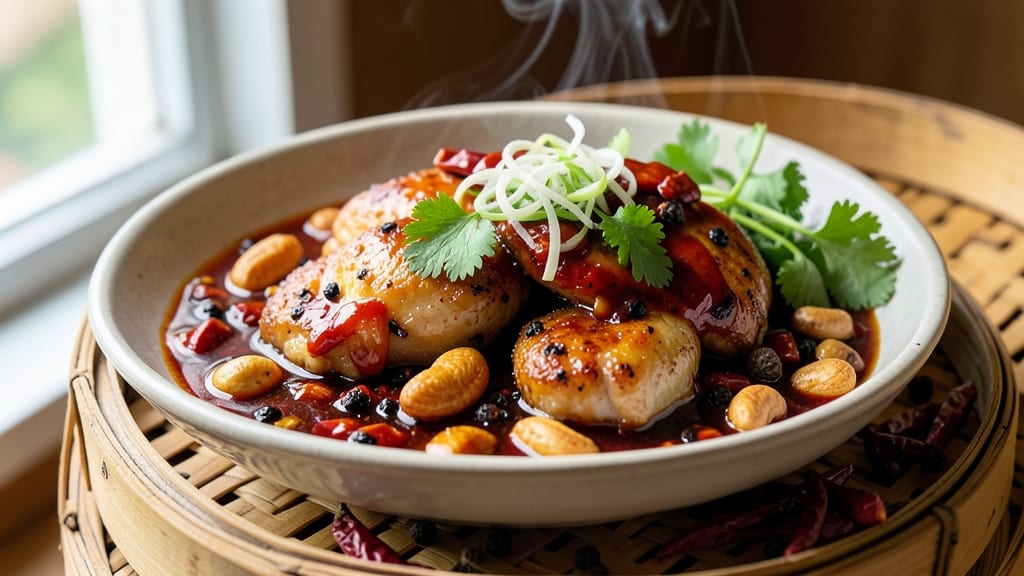
This authentic Kung Pao sauce recipe delivers the signature fiery-sweet balance and crispy chili crunch that defines Sichuan cuisine. The secret lies in properly toasting whole spices and Sichuan peppercorns for maximum aromatic depth—no shortcuts here.
This sauce transforms ordinary stir-fries into restaurant-quality masterpieces with its perfect harmony of heat, sweetness, and umami.
What sets this recipe apart is the careful balance of five key ingredients: dark soy sauce for color and depth, rice vinegar for brightness, chili paste for authentic heat, and a touch of sugar to mellow the spice.
The Sichuan peppercorns add that signature tingling sensation, while garlic and ginger provide aromatic foundation. Every component must be measured precisely and cooked to the right temperature for authentic flavor.
By the time you've finished simmering and reducing this sauce, you'll have a glossy, aromatic liquid with visible chili oil flecks that add both texture and heat. The sauce should coat the back of your spoon with a perfect balance of sweet, spicy, and savory notes.
This is the kind of sauce that elevates simple stir-fries into memorable meals.
Store any leftovers in an airtight container in the refrigerator for up to 5 days, or freeze for longer storage. The flavors actually improve as it sits, developing deeper complexity over time. Let's create this authentic Kung Pao sauce that will become your new kitchen staple.
Ingredients for authentic kung pao sauce
Ten essential components create this restaurant-quality Kung Pao sauce with perfect fiery-sweet harmony.
| Ingredient | Amount | Notes |
|---|---|---|
| Dark Soy Sauce 🍶 | ½ cup | For authentic umami depth |
| Light Soy Sauce 🍶 | ¼ cup | Balances dark soy richness |
| Rice Vinegar 🍶 | ¼ cup | Ensures proper acidity |
| Sichuan Chili Paste 🌶️ | ¼ cup | Authentic fiery heat source |
| Granulated Sugar 🍯 | ¼ cup | Balances spice sweetness |
| Sichuan Peppercorns 🌶️ | 1 tbsp | Whole, lightly toasted |
| Garlic Cloves 🧄 | 6 cloves | Freshly minced for aroma |
| Fresh Ginger 🌿 | 1 tbsp | Finely grated, peeled |
| Dried Red Chilies 🌶️ | 2 pieces | Crispy, for texture |
| Vegetable Oil 🫒 | ½ cup | High smoke point preferred |
The Sichuan peppercorns are non-negotiable—they deliver that signature tingling sensation. Buy them whole from Asian markets (like H Mart or 99 Ranch), toast them briefly in a dry pan until fragrant, then grind lightly. The chili paste should be authentic Sichuan brand—Lao Gan Ma or Lee Kum Kee are reliable choices. Dark soy sauce adds that signature deep color and umami, while light soy provides balance. The rice vinegar keeps the sauce bright and cuts through the richness.
No Sichuan peppercorns? Substitute black peppercorns at half the amount—though you'll lose that signature numbing effect. Fresh ginger can be swapped for powdered ginger at one-third the amount, but fresh delivers superior flavor. The dried chilies can be omitted if you prefer less heat, but add 1 tbsp chili flakes for texture. For a smoother sauce, strain out the chilies after cooking. The garlic should be minced finely—no chunks—so it blends seamlessly into the sauce.
This sauce develops flavor as it sits, so make a full batch and store it properly. Keeps in an airtight container in the fridge for up to 2 weeks, with flavors intensifying over time. For longer storage, freeze in ice cube trays—perfect for single-use portions. Reheat gently on low heat, stirring constantly to preserve the crispy chili texture. The sauce thickens as it cools, so add a splash of water if too viscous.
Why You'll Love This Recipe
- Here’s what sold me: this sauce ages like fine wine. Make a double batch, store it in the fridge, and it only gets better over a few days. Drizzle it on noodles, toss it with stir-fried veggies, or even slather it on grilled chicken—it’s that versatile. (Yes, even on a Tuesday night when you’re too tired to think.)
- I’ll be real: Sichuan chili paste might sound fancy, but a small jar lasts forever, and the rest of these ingredients? Pantry staples. You’re talking under $10 for a sauce that turns basic proteins into something restaurant-worthy. That’s a steal—especially when you’re feeding a crowd or just treating yourself after a long week.
Step-by-step instructions for authentic Kung Pao sauce
This method delivers the signature balance of fiery heat, sweetness, and umami that defines Sichuan cuisine.
Toast the Aromatics for Maximum Flavor
Heat the 0.5 cup vegetable oil in a wok or deep skillet over medium-high heat until shimmering. Add the 2 pieces dried red chilies and toast for 30 seconds until they begin to darken and release their aroma. This step develops their natural oils and deepens their flavor profile.
Remove the chilies with a slotted spoon and set aside. In the same oil, add the 1 tbsp Sichuan peppercorns and toast for 20 seconds until fragrant. The peppercorns should sizzle gently but not burn. Immediately remove them with the chilies and set aside to cool slightly. This brief toasting enhances their numbing, citrusy qualities without overpowering the sauce.
Build the Sauce Base with Precision
Reduce the heat to medium and add the 6 cloves minced garlic cloves and 1 tbsp finely grated fresh ginger. Cook for 1 minute until the garlic turns golden and fragrant—this prevents bitterness while maximizing their aromatic potential. Be careful not to let them brown too darkly, as this can make the sauce taste harsh.
Pour in the 0.25 cup Sichuan chili paste and stir continuously for 30 seconds to distribute evenly. The paste will darken slightly as it incorporates with the oil. Next, add the 0.5 cup dark soy sauce and 0.25 cup light soy sauce, stirring to combine. This combination creates the signature deep mahogany color and complex umami foundation of authentic kung pao sauce.
Balance Sweetness and Acid with Care
Add the 0.25 cup granulated sugar and stir until fully dissolved. This step is critical—it balances the heat from the chili paste while adding a caramelized depth. The sugar should melt completely, creating a glossy sheen in the sauce. Next, pour in the 0.25 cup rice vinegar and bring the mixture to a gentle simmer over medium-low heat.
Simmer for 5-7 minutes until the sauce thickens slightly but remains pourable. You're looking for a consistency where it coats the back of a spoon but doesn't cling heavily. Taste as you go—this is where you can adjust the balance. If it's too sweet, add a splash more vinegar. If it's too sharp, add a pinch more sugar. The goal is that perfect harmony of sweet, sour, and umami.
Incorporate Toasted Aromatics for Authentic Crunch
Return the toasted dried red chilies and Sichuan peppercorns to the sauce. Stir gently for 30 seconds to distribute them evenly. These elements provide the signature crispy texture that sets kung pao sauce apart. The chilies should maintain their shape while adding subtle heat, while the peppercorns contribute their signature numbing sensation.
Remove from heat and let the sauce rest for 5 minutes. This resting period allows all the flavors to meld completely. The sauce should be vibrant red with visible flecks of chili and peppercorn. For serving, strain through a fine-mesh sieve if you prefer a smoother texture, or leave it slightly textured for that authentic restaurant experience. This sauce pairs perfectly with stir-fried chicken, tofu, or vegetables.
Pro Tips For Making Authentic Kung Pao Sauce
- Bloom the Chili Paste: First, mix Sichuan chili paste with a splash of warm water (about 1 tablespoon) and let it sit for 2 minutes—this softens the oil and releases the flavor. I used to just toss it in dry, and the sauce always tasted uneven; now it blends like butter every time.
- Balance the Soy Sauces: Use dark soy sauce for color, light soy for salt—measure them separately and taste before combining. I learned this after making a batch that tasted flat; the dark soy can overpower if you’re not careful.
- Salt Early, Taste Often: Add half the light soy sauce and sugar upfront, then adjust heat and acidity at the end. The flavors meld better when you let them sit for 30 seconds between adjustments—rushing leads to muddy taste.
- Deglaze with Vinegar Last: Save the rice vinegar for the final 30 seconds of cooking—it evaporates fast and adds brightness. I used to add it early, and the sauce lost its tang; now it cuts through the richness like it should.
Perfect pairings for this recipe
Stir-Fry Partners
This sauce elevates classic stir-fried chicken to new heights—just toss cooked chicken with 1.5 cups sauce and 1 tbsp vegetable oil in a hot wok. The crispy chili flecks cling beautifully to the meat, delivering that signature Sichuan crunch.
For tofu lovers, pan-fry extra-firm tofu until golden, then coat with sauce and finish with 1 tbsp cornstarch for extra crispiness. 🍗
Vegetable Pairings
Broccoli and bell peppers absorb the sauce's vibrant flavors perfectly. Blanch 1 cup broccoli florets for 1 minute, then toss with 1 cup sliced bell peppers and 1 cup sauce.
The bell peppers' natural sweetness complements the sauce's heat beautifully. For a Sichuan-inspired twist, add 1 cup shredded bok choy and 1 tbsp fermented black beans for umami depth.
Rice Bowl Upgrade
Transform steamed jasmine rice into a Kung Pao rice bowl by mixing 1 cup cooked rice with 1 tbsp sauce and topping with 2 tbsp chopped scallions and 1 tbsp sesame seeds.
The sauce's complexity shines when paired with the rice's mild flavor. For extra richness, drizzle with 1 tsp chili oil before serving. This makes an impressive lunch or dinner option.
Dipping Sauce Magic
Use this sauce as a bold dipping sauce for spring rolls, dumplings, or fried wontons. Thin with 1 tbsp hot water if needed for easier dipping. The crispy chili texture contrasts perfectly with the softness of fried foods.
For a smoky twist, add 1 tsp smoked paprika to the sauce before serving. 🌶️
Beverage Pairings
A crisp Chinese jasmine tea cuts through the sauce's richness, cleansing your palate between bites. For beer lovers, a light lager like Tsingtao or Snow balances the heat without overpowering. Avoid heavy beers—they'll clash with the sauce's delicate sweetness. Sparkling water with lemon works beautifully as a refreshing contrast.
Unexpected Uses
This sauce isn't just for stir-fries! Use it as a marinade for grilled shrimp by mixing ½ cup sauce with 1 tbsp honey and 1 tbsp soy sauce. For noodle lovers, toss 8 oz cooked lo mein noodles with 1 cup sauce and 1 tbsp sesame oil.
The sauce's versatility makes it a kitchen essential beyond traditional dishes. ✨
Nutrition facts
Frequently asked questions
Why does authentic Kung Pao sauce need Sichuan peppercorns?
Sichuan peppercorns are essential for that signature tingling sensation that defines the dish. When toasted and added to the sauce, they create a unique numbing effect that balances the heat. Without them, your sauce will lack the authentic Sichuan flavor profile—it's what makes this sauce different from regular chili sauces.
Can I make this sauce less spicy?
Reduce the Sichuan chili paste to 1-2 tablespoons instead of the full ¼ cup, or omit the dried red chilies entirely. For extra sweetness to balance any remaining heat, increase the sugar to ⅓ cup. The rice vinegar will also help mellow the spice while keeping the sauce bright.
How do I know when the sauce is done?
The sauce is ready when it's glossy, slightly thickened (coats the back of a spoon), and has visible chili oil flecks. Simmer for 5-7 minutes total—if it reduces too quickly, add 1 tablespoon water at a time. Taste as you go: it should balance sweet, spicy, and umami with a slight tang from the vinegar.
Why should I toast the spices and chilies?
Toasting releases their essential oils and deepens their flavors. The dried chilies become crispy and aromatic, while Sichuan peppercorns develop their signature numbing quality. Skipping this step results in a flatter, less complex sauce. Just 30 seconds of toasting makes a huge difference!
Can I substitute dark soy sauce?
Dark soy sauce is non-negotiable for authentic color and depth. If unavailable, use 1 tablespoon molasses or 2 tablespoons regular soy sauce for color, but the flavor won't be identical. For the best results, track down dark soy sauce at Asian markets—it's worth the search for that restaurant-quality look and taste.