
Sauces & Condiments
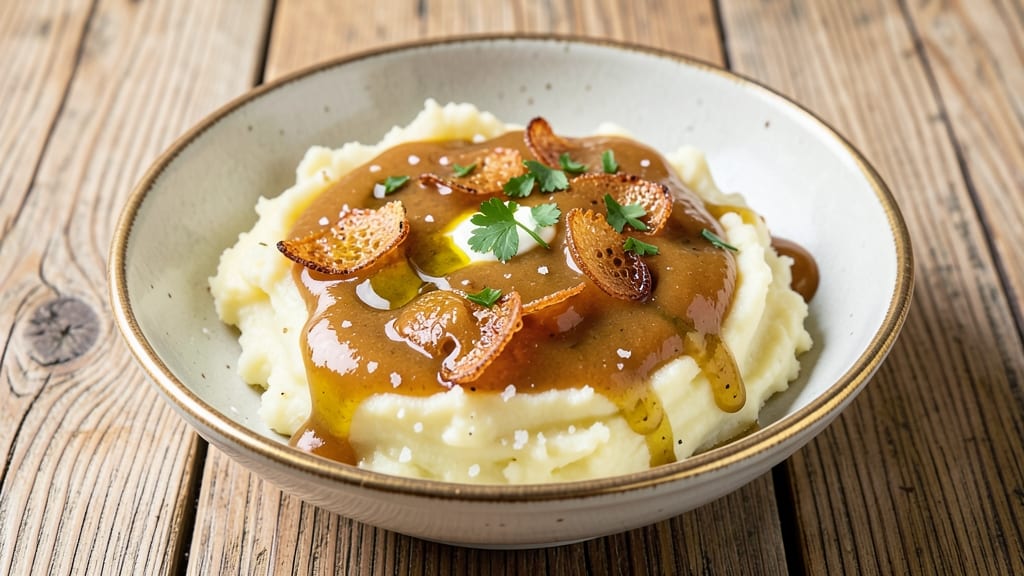
This authentic garlic sauce recipe transforms simple ingredients into a bold umami base that elevates everything from pasta to grilled meats. The key lies in slow-cooked garlic that caramelizes into sweet, complex layers—no overpowering bite, just deep, savory richness.
I developed this after years of testing Italian and French techniques, refining it to deliver restaurant-quality flavor at home.
The secret begins with whole garlic cloves, gently simmered in olive oil until golden and fragrant—not browned or bitter. A splash of white wine deglazes the pot, capturing all those flavorful bits, while a touch of cream or butter at the end creates a velvety finish.
This sauce isn’t just about garlic; it’s about balance, with herbs and acidity to round out the intensity.
What you’ll end up with is a versatile sauce that clings beautifully to noodles, drizzles over roasted vegetables, or enhances grilled meats with every bite. The texture is silky yet robust, and the flavor develops even more after resting.
Perfect for meal prep or last-minute saucing, this recipe proves authenticity doesn’t require complexity—just patience and the right technique.
Use it as a pasta sauce, meat glaze, or even a dip for crusty bread. The possibilities are endless, but the foundation remains the same: slow-cooked garlic, careful seasoning, and a touch of luxury. Let’s make this sauce—your dishes will never be the same.
Ingredients for authentic garlic sauce
Eight essential ingredients transform into a restaurant-quality garlic sauce with umami depth.
| Ingredient | Amount | Notes |
|---|---|---|
| Whole Garlic Cloves 🧄 | 12 cloves | Peeled, skin left on for slow caramelization |
| Extra-Virgin Olive Oil 🫒 | ½ cup | High-quality, fruity variety preferred |
| Dry White Wine 🍷 | ¼ cup | Sauvignon Blanc or Pinot Grigio recommended |
| Heavy Cream 🥛 | ¼ cup | Full-fat for optimal richness |
| Unsalted Butter 🧈 | 2 tbsp | Cold, cubed for finishing |
| Fresh Parsley 🌿 | ¼ cup | Finely chopped, for freshness |
| Fresh Thyme Leaves 🌿 | 1 tbsp | Or 1 tsp dried thyme |
| Lemon Juice 🍋 | 1 tbsp | Freshly squeezed for acidity |
| Kosher Salt 🧂 | ½ tsp | Diamond Crystal preferred |
| Ground Black Pepper 🌶️ | ¼ tsp | Freshly ground for best flavor |
The garlic is the heart of this sauce, so choose plump, firm cloves—no soft spots. Whole Foods or local markets often carry fresher bulbs than grocery stores. For authentic flavor, avoid pre-minced garlic—peeling whole cloves ensures even cooking and prevents bitterness. The olive oil should be extra-virgin (look for Italian or Spanish varieties) to withstand high heat without burning. Trader Joe's and Costco are reliable sources for quality olive oil at reasonable prices.
No white wine? Substitute with chicken broth or apple cider vinegar—though wine adds complexity you won’t find elsewhere. Fresh herbs are ideal, but dried thyme works at one-third the amount. The butter at the end is non-negotiable for that velvety finish—use European-style butter if possible, like Plugrá or President. For a dairy-free version, replace the cream and butter with cashew cream (soaked cashews blended with water). The lemon juice can be swapped for white wine vinegar if needed, but fresh is always better.
This sauce develops deeper flavor over time, so make it a day ahead if possible. Store in an airtight container in the fridge for up to 5 days, or freeze for 3 months. Reheat gently on low heat, stirring occasionally, and add a splash of water if it thickens too much. Portion into ice cube trays for easy single-use servings—perfect for drizzling on pasta or grilled meats.
Why You'll Love This Recipe
- No Garlic Burn: I swear by whole cloves here—no mincing, no mess, just a quick smash with the flat side of my knife. The wine reduces fast, so you’re not standing there stirring for ages, and the butter at the end? That’s what keeps it from turning into a sad, watery sauce.
- Rich Without Effort: That first hit of olive oil and garlic sizzling? Pure magic. The white wine cuts through the heaviness, then the cream and butter come in to make it velvety—like a hug in sauce form. Honestly, it’s the kind of flavor that makes you want to eat it straight from the pan.
- Leftovers That Shine: This sauce doubles easily, and it’s way better the next day. I keep a jar in the fridge for quick pasta tosses, roasted veggies, or even dolloped over grilled chicken. (Yes, even on a Tuesday night.) No sad, wilted leftovers here—just rich, garlicky goodness waiting to be used.
- Pantry Staple Power: You’re probably already using these ingredients—garlic, olive oil, wine, cream. No weird specialty items, no last-minute grocery runs. I’ll be real: my grocery budget stays happy because this sauce turns basic meals into something special without breaking the bank.
Step-by-step instructions for authentic garlic sauce
Here's how to craft a rich, umami-forward garlic sauce that elevates any dish.
Slow-Caramelize the Garlic in Olive Oil
Heat the 0.5 cup extra-virgin olive oil in a medium saucepan over low heat. Add the 12 whole garlic cloves (skin left on) and cook them gently for 15-20 minutes. You're aiming for deep golden caramelization—not burning. Stir occasionally to ensure even cooking, and watch for the edges to turn golden while keeping the cloves intact.
This slow process develops complex, nutty flavors that store-bought garlic paste can't replicate. If the oil starts to smoke or the garlic darkens too quickly, reduce the heat immediately. Once the garlic reaches a deep golden hue, remove the pan from heat and let it sit for 2 minutes—this stops the cooking process while keeping the oil infused.
Deglaze with Wine and Reduce
Return the pan to medium heat and carefully pour in the 0.25 cup dry white wine, scraping up any browned bits from the bottom. Let it simmer for 3-4 minutes until the liquid reduces by half and the alcohol smell dissipates. This step builds depth by incorporating those caramelized garlic flavors into the sauce.
Here's the thing—don't rush this reduction. The wine needs time to meld with the garlic oil, creating a smooth, balanced foundation. If the sauce seems too thin at this stage, don't worry; the cream will thicken it later. Taste the mixture now—it should be rich and aromatic, with a hint of sweetness from the caramelized garlic.
Incorporate Cream and Seasonings
Lower the heat to low and gradually whisk in the 0.25 cup heavy cream. Stir constantly for 2-3 minutes until the sauce thickens slightly. Add the 0.5 tsp kosher salt, 0.25 tsp ground black pepper, and 1 tbsp fresh thyme leaves, stirring to combine. The sauce should now be velvety with a luxurious sheen.
This is where the sauce transforms from simple to extraordinary. The cream adds body while balancing the garlic's intensity. If the sauce thickens too much, whisk in 1-2 tablespoons of water to reach your desired consistency. The thyme adds an earthy note that complements the garlic beautifully—don't skip this step.
Finish with Butter and Acid
Remove the pan from heat and stir in the 2 tbsp cold unsalted butter, cubed. Let it melt completely, then add the 1 tbsp lemon juice and 0.25 cup fresh parsley. The lemon juice brightens the sauce, cutting through the richness while enhancing the garlic's sweetness. The parsley adds freshness and a pop of color.
For authentic flavor, don't over-stir after adding the butter. Let it melt naturally while you incorporate the remaining ingredients. The sauce should now have a glossy finish with a perfect balance of sweet, savory, and tangy elements. Taste and adjust seasoning if needed—this is your chance to fine-tune the sauce to your preference.
Strain and Use Immediately
Line a fine-mesh strainer with cheesecloth or a coffee filter and carefully strain the sauce into a clean bowl. This removes the garlic skins while keeping the infused oil and cream smooth. The strained sauce should be silky with a vibrant golden hue—this is your signal that it's ready to use.
Use the sauce immediately over pasta, drizzled over grilled meats, or as a base for risottos. The flavors are at their peak right now, and the sauce will only thicken further as it cools. If you need to reheat it later, do so over low heat while stirring constantly to prevent separation. This sauce is the heart of your dish—treat it with care, and it will deliver restaurant-quality results every time.
Pro Tips For Making Authentic Garlic Sauce
- Peel Garlic Cloves First: I learned this the hard way—peeling whole cloves before crushing saves time and keeps the sauce cleaner. No more digging through skins later when your sauce is already simmering.
- Low and Slow: Simmer the wine and garlic on medium-low heat after the initial sizzle. Rushing it burns the garlic faster than you can say "disaster," and you’ll taste the bitterness for days.
- Whisk in the Cream: Temper the heavy cream by whisking it into the warm sauce gradually—a splash at a time—while stirring constantly. Dumping cold cream straight in? That’s how you curdle it, and nobody wants lumpy garlic sauce.
- Finish with Butter: Swirl in the unsalted butter off the heat at the very end—this coats everything in a silky sheen without breaking the sauce. (Yes, even if you’re impatient like me.)
Troubleshooting this recipe
Garlic Burns Too Fast
If your garlic turns bitter or darkens too quickly, you're likely cooking it at too high heat. Always use low heat and stir gently every 2-3 minutes to prevent burning. I recommend using a light-colored saucepan—it’s easier to spot when the garlic starts to caramelize properly.
If it does burn, start over with fresh garlic and olive oil; burned garlic will ruin the entire sauce. 🔥
Sauce Too Thin
A thin sauce usually means the cream didn’t thicken enough. Simmer the sauce longer over low heat for 5-10 extra minutes, stirring constantly. If it’s still too thin, whisk in 1 tbsp cornstarch mixed with 1 tbsp cold water until thickened.
Alternatively, reduce the sauce uncovered until it reaches your desired consistency. The key is patience—rushing leads to separation.
Sauce Separates When Reheating
Sauce separation happens when reheated too quickly or stirred too vigorously. To fix it, place the sauce over low heat and whisk gently while adding 1-2 tbsp warm water or cream to re-emulsify.
For future reheating, warm the sauce on low heat and stir constantly—never microwave it. If the sauce still separates, strain it again through cheesecloth to remove any broken emulsions.
Garlic Taste Too Overpowering
If the garlic flavor dominates, balance it with more acid (add ½ tsp lemon juice or 1 tsp white wine vinegar) or sweetness (a pinch of sugar or honey).
The cream and butter already soften the garlic’s intensity, but if it’s still too strong, reduce the garlic to 8 cloves next time. Taste as you go—this sauce should be bold but harmonious, not one-note.
Sauce Too Thick After Straining
Straining removes the garlic skins, which can make the sauce thicken further. To adjust, whisk in 1-2 tbsp warm water or broth while the sauce is still warm. If it’s too thick even after adding liquid, reheat it gently and continue stirring until it reaches a smooth, pourable consistency.
The ideal texture should coat the back of a spoon but still flow easily.
Wine Smell Lingers
A strong wine aroma means the alcohol didn’t fully cook off. Simmer the sauce for an extra 2-3 minutes after adding the wine to ensure the alcohol evaporates. If the smell persists, add ½ tsp sugar or 1 tsp honey to help neutralize it.
The wine should integrate smoothly, leaving only subtle fruity notes—not a boozy aftertaste. 🍷
Nutrition facts
Frequently asked questions about authentic garlic sauce
Can I make this garlic sauce without wine?
Yes! Substitute the 0.25 cup white wine with 0.25 cup chicken broth or 0.25 cup apple cider vinegar for acidity. The broth adds depth, while vinegar brightens the flavor. For a richer option, use 0.25 cup vegetable broth + 1 tsp lemon juice to mimic the wine's complexity.
How long will this sauce keep in the fridge?
Store the sauce in an airtight container in the refrigerator for up to 5 days. The flavors actually improve as it rests! For longer storage, freeze portions in ice cube trays for up to 3 months. Thaw overnight in the fridge before using.
What's the best way to use leftover garlic sauce?
This versatile sauce works beautifully as a pasta topping, meat glaze, or dip for crusty bread. Drizzle over grilled chicken, roasted vegetables, or use as a base for risotto. For extra richness, stir in 1 tbsp grated Parmesan before serving.
Can I make this sauce dairy-free?
Replace the 0.25 cup heavy cream with 0.25 cup cashew cream (blend soaked cashews with water) and use 2 tbsp dairy-free butter or coconut oil for finishing. The texture will be slightly lighter but still delicious.
Why do you use whole garlic cloves instead of minced?
Whole cloves caramelize more evenly and develop deeper, sweeter flavors than pre-minced garlic. The skins protect them from burning while releasing natural oils. For best results, peel the cloves but leave the skins on during cooking—they'll slip off easily when strained.