
Sauces & Condiments
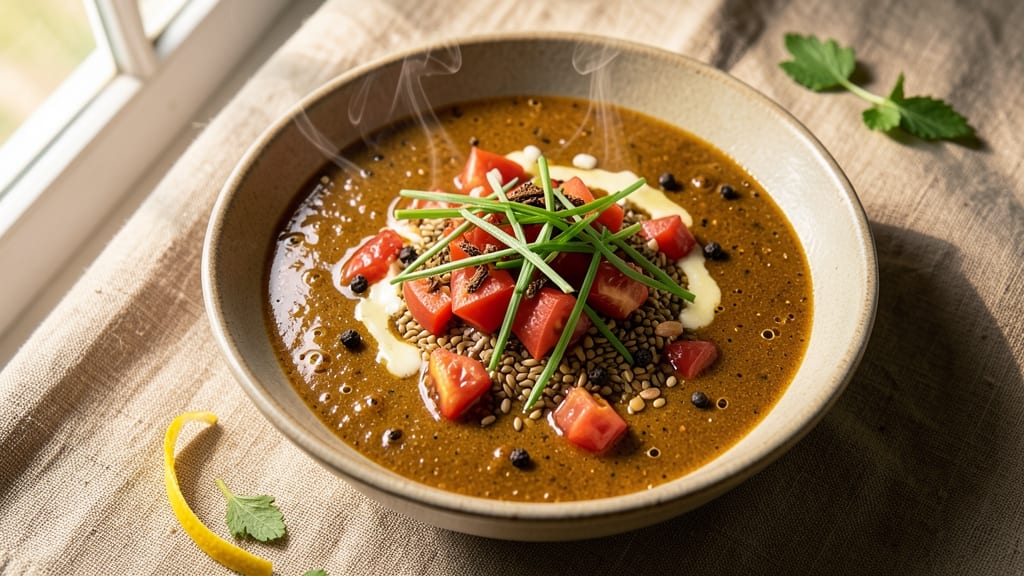
This authentic curry sauce recipe delivers restaurant-quality depth with balanced spices and velvety texture—no clinging to the pan or overpowering heat.
The secret lies in properly blooming whole spices and building layers of flavor through slow reduction, creating a sauce that coats proteins beautifully while remaining versatile for curries, marinades, or dips.
What sets this recipe apart is the technique: toast whole spices until fragrant before grinding, then cook them in oil until aromatic. This releases their full potential without bitterness.
The coconut milk adds creaminess while keeping the sauce light, and a touch of tomato paste provides the acidity that ties everything together.
The result is a sauce with complex, layered flavor—savory, slightly sweet, and subtly spiced—that enhances any dish without overpowering it. It works equally well for chicken tikka masala, seafood curries, or even as a bold marinade for grilled meats.
The best part? It keeps well in the refrigerator for up to a week, allowing you to make a big batch and use it throughout the week.
For those new to curry sauce, this recipe breaks down the process into simple steps while maintaining authenticity. No shortcuts here—just the careful balance of spices and techniques that make authentic curry sauce shine. Let's get started on creating your own flavorful base.
Ingredients for authentic curry sauce
Restaurant-quality curry sauce begins with these carefully balanced spices and aromatic base ingredients.
| Ingredient | Amount | Notes |
|---|---|---|
| Extra-Virgin Olive Oil 🫒 | ½ cup | High-quality, fruity variety preferred |
| Yellow Onion 🧅 | 1 whole | Medium size, finely diced |
| Fresh Garlic Cloves 🧄 | 6 cloves | Peeled, minced finely |
| Fresh Ginger Root 🌿 | 2 tbsp | Finely grated, fresh preferred |
| Whole Cinnamon Sticks 🌶️ | 2 pieces | Lightly crushed for aroma |
| Cardamom Pods 🌿 | 6 whole | Lightly crushed, seeds exposed |
| Black Cardamom Pods 🌶️ | 2 whole | Optional, for depth |
| Bay Leaves 🍃 | 2 whole | Dried, standard size |
| Cloves 🌶️ | 4 whole | Whole, lightly crushed |
| Star Anise Pods 🌶️ | 2 whole | Lightly crushed |
| Tomato Paste 🍅 | 2 tbsp | Smooth, no sugar added |
| Full-Fat Coconut Milk 🥥 | 1 can | 13.5 oz can, chilled overnight |
| Vegetable Stock 💧 | 1 cup | Low-sodium preferred |
| Kosher Salt 🧂 | 1 ½ tsp | Diamond Crystal preferred |
| Ground Black Pepper 🌶️ | ½ tsp | Freshly ground preferred |
| Lemon Juice 🍋 | 1 tbsp | Freshly squeezed |
The spices are the heart of this sauce—Penzeys Spices or bulk bins at Whole Foods are ideal for freshness. Cardamom and cinnamon should be aromatic, not dusty. For black cardamom, check the international aisle at Trader Joe's—it's worth the hunt for that smoky depth. Star anise is non-negotiable; it provides the licorice note that separates authentic curry from generic blends. The ginger and garlic should be vibrant—no shriveled roots here. Toast the whole spices in oil until fragrant (about 30 seconds per spice) to release their full potential without bitterness. This step is critical—don't skip it.
No cardamom pods? Substitute 1/2 tsp ground cardamom, but you'll lose that floral complexity. Star anise missing? 1/4 tsp anise extract works in a pinch, though it's not identical. The coconut milk can be light or full-fat—Thai Kitchen brand is reliable, but any canned variety will do. For tomato paste, Bertolli or Rao's are safe bets, but avoid brands with added sugar. Vegetable stock should be homemade if possible, but Pacific Foods or Imagine brands are decent store-bought options. The lemon juice brightens everything—Meyer lemons add subtle sweetness if you can find them.
Store the sauce in a sealed glass jar with a thin layer of olive oil on top to preserve freshness. Keeps for 1 week refrigerated or 3 months frozen. For best flavor, let it sit at room temperature for 15 minutes before using—this allows the spices to bloom again. Double the batch and freeze half; you'll thank yourself when you're craving curry on a busy weeknight. The sauce thickens as it cools, so thin with a splash of water or stock if needed.
Why You'll Love This Recipe
- No Chopping Chaos: I swear by this—just dice that onion and mince garlic once, then let the cinnamon sticks and ginger do the heavy lifting. The oil caramelizes the aromatics in minutes, so you’re not stuck stirring for hours.
- Warm Spice Magic: That first whiff of toasted cinnamon and fresh ginger? It’s like a hug in a pot. The olive oil pulls all the flavors together so smoothly, you’ll want to slather it on everything—eggs, rice, even toast.
- Leftovers That Shine: This sauce actually improves the next day. I make a big batch on Sundays, and by Wednesday, it’s even richer—perfect for quick weeknight dinners or tossing with store-bought rotisserie chicken.
- Pantry Staple Power: Honestly, you’re probably already using these ingredients. No weird spices or hard-to-find items—just onion, garlic, and a cinnamon stick you’ve had for months. Budget-friendly, reliable, and always delicious.
Step-by-step instructions for authentic curry sauce
This method delivers restaurant-quality depth with balanced spice and velvety texture.
Develop the Spice Base in Olive Oil
Heat the 0.5 cup extra-virgin olive oil in a heavy-bottomed saucepan over medium-low heat. Add the 2 pieces whole cinnamon sticks, 6 whole cardamom pods, 2 whole black cardamom pods, 2 whole bay leaves, 4 whole cloves, and 2 whole star anise pods. Let the spices warm for 1-2 minutes until fragrant—not browned—so they release their essential oils without burning.
This initial toasting creates the aromatic foundation. I press down gently on the spices with a spoon to ensure even contact with the oil. The reason we use medium-low heat is that whole spices burn quickly at higher temperatures, which would turn bitter rather than aromatic. Watch for the oil to shimmer around the spices—that's your signal they're ready for the next step.
Sauté Onion, Garlic, and Ginger
Add the 1 whole yellow onion and cook for 8-10 minutes until softened and golden brown at the edges. Stir occasionally to prevent sticking. When the onion is translucent, add the 6 cloves minced fresh garlic cloves and 2 tbsp finely grated fresh ginger root, cooking for another 2-3 minutes until the raw garlic smell disappears.
This step builds the sauce's sweetness and depth. The onions should caramelize slightly at the edges—this adds complexity. I like to press the garlic and ginger into the onion mixture with a spoon to ensure they melt completely into the oil. If the mixture starts to stick, add 1-2 tablespoons of the vegetable stock to deglaze, scraping up any browned bits from the bottom of the pan.
Add Tomato Paste and Simmer
Stir in the 2 tbsp tomato paste and cook for 3-4 minutes until it darkens slightly and the oil separates from it. This step deepens the sauce's color and adds umami richness. Pour in the remaining 1 cup vegetable stock and bring to a gentle simmer, then reduce heat to low to maintain a steady bubble.
Simmer uncovered for 15-20 minutes until the liquid reduces by about half and the sauce thickens slightly. You're looking for a consistency where it coats the back of a spoon but isn't gluey. The sauce should smell intensely aromatic with notes of spice, caramelized onion, and tomato. If it reduces too quickly, add 1-2 tablespoons more stock to maintain balance.
Incorporate Coconut Milk and Season
Remove the saucepan from heat and let it cool slightly. Stir in the 1 can full-fat coconut milk (chilled overnight for better texture) and return to low heat. Warm through gently, stirring constantly for 3-4 minutes—never boil, as this can cause the coconut milk to separate. Add the 1.5 tsp kosher salt and 0.5 tsp ground black pepper, adjusting to taste.
Here's the thing about coconut milk—it needs to be warmed gradually to maintain its creamy consistency. If you see any oil separation, whisk vigorously to re-emulsify. The sauce should now be velvety with visible flecks of spice. Taste and balance the flavors: add more salt if needed, or a pinch of sugar if the tomato paste makes it too acidic.
Finish with Lemon Juice and Strain
Remove from heat and stir in the 1 tbsp fresh lemon juice. This brightens the sauce and cuts through the richness of the coconut milk. Let it sit for 5 minutes to allow the flavors to meld. Then strain through a fine-mesh sieve into a clean saucepan, pressing gently on the solids to extract maximum flavor but avoiding a gritty texture.
The strained sauce should be smooth with a vibrant color ranging from amber to deep red, depending on how much the tomato paste caramelized. If you prefer a slightly thicker consistency, simmer the strained sauce for 5-7 minutes until it reaches your desired texture. Serve immediately over rice, grains, or your choice of protein for an authentic, balanced curry sauce.
Pro Tips For Making Authentic Curry Sauce
- Sweat, Don’t Burn: DESCRIPTION: Onions need patience—cook them over medium-low heat for 8-10 minutes until deep golden, not caramelized. I learned this the hard way: rushed batches turn bitter, and you’ll taste the difference in the sauce’s depth.
- Toast Cinnamon Sticks: DESCRIPTION: Drop whole cinnamon sticks into the olive oil first, then turn heat to medium. Let them sizzle for 30 seconds before adding onions—this releases their aroma without burning. (Yes, even if you’re impatient like me.)
- Mince Ginger Like a Pro: DESCRIPTION: Use a microplane or knife to get fine, even pieces—no big chunks hiding in your sauce. I skip the food processor because it turns ginger into a paste, which never dissolves properly.
- Balance Heat with Acid: DESCRIPTION: Add a splash of lemon juice or vinegar at the end—it cuts through the richness of olive oil and fresh ginger. I was skeptical until I tried it; now it’s non-negotiable for brightness.
Perfect pairings for this authentic curry sauce
Sauce for Curries
This curry sauce is perfect for chicken tikka masala—simmer 1 lb boneless chicken thighs in 2 cups of the sauce until tender, then finish with ½ cup Greek yogurt and ¼ cup fresh cilantro. The sauce's balanced spice profile ensures the chicken stays juicy and flavorful.
For seafood curries, pair with shrimp or scallops—cook them just until opaque (3-4 minutes) and toss with 1 cup of sauce and ½ cup chopped cilantro. 🍤
Bold Marinades
Use this sauce as a marinade for grilled meats like chicken or lamb. Coat 1.5 lbs chicken breast in 1 cup of sauce and marinate for 4-6 hours (or overnight for deeper flavor).
The spices penetrate the meat, creating a restaurant-quality crust when grilled. For lamb, use 1.5 lbs lamb chops and marinate for 2-3 hours before searing. 🔥
Dipping Sauce
Serve this sauce as a dipping sauce for spring rolls, samosas, or grilled skewers. Thin with 2-3 tablespoons warm water to reach a pourable consistency, then drizzle with 1 teaspoon toasted sesame seeds and ½ teaspoon chili oil for extra depth.
It’s also fantastic with crispy fries—the spice and creaminess balance perfectly. 🍢
Gravy Base
Transform this sauce into a rich gravy for mashed potatoes or rice. Simmer 1 cup of sauce with 1 cup heavy cream and ¼ cup butter until thickened. Season with ½ teaspoon smoked paprika for a smoky twist. It’s a game-changer for holiday dinners or cozy weeknight meals. ✨
Drink Pairings
Pair this sauce with sparkling water and lime for a refreshing contrast to the rich flavors. A crisp Sauvignon Blanc (like Kim Crawford) complements the citrusy brightness, while a light lager (such as Peroni) balances the creaminess.
For a non-alcoholic option, try hibiscus iced tea—the tartness enhances the sauce’s depth. 🍹
Storage Tips
Store leftover sauce in an airtight glass jar in the fridge for up to 1 week or freeze for 3 months**. To reheat, warm gently on the stove over low heat and stir in 1 tablespoon coconut milk if it thickens too much.
For best flavor, let it sit at room temperature for 10 minutes before using—this allows the spices to bloom again. 💫
Nutrition facts
Frequently asked questions
Why do we toast whole spices instead of using ground?
Toasting whole spices releases their essential oils and aromatic compounds without burning them, creating a deeper, more complex flavor. Ground spices lose potency quickly and can turn bitter when heated directly. For this sauce, toasting the cinnamon, cardamom, and star anise for just 1-2 minutes ensures they contribute their full potential without overpowering the dish.
Can I make this curry sauce without coconut milk?
Yes, but the texture will be thinner and less creamy. Substitute with ½ cup heavy cream or ½ cup Greek yogurt for richness, or use ½ cup vegetable stock for a lighter version. The sauce will still taste authentic, though coconut milk's natural sweetness and fat content are key to traditional balance.
How do I adjust the spice level for sensitive eaters?
Reduce the black cardamom to 1 pod and omit black pepper or use ¼ tsp instead. For extra mildness, strain the sauce through a fine-mesh sieve twice to remove any lingering spice particles. The tomato paste already provides natural acidity, so the sauce will still have depth without heat.
What's the best way to store leftover curry sauce?
Store in an airtight glass jar with a thin layer of olive oil on top to preserve freshness. It keeps for 1 week refrigerated or 3 months frozen. Thaw frozen sauce in the fridge overnight, then reheat gently on low heat, stirring in 1 tbsp coconut milk if it thickens too much.
Can I use this sauce as a marinade?
Coat proteins like chicken or lamb in 1 cup of sauce and marinate for 4-6 hours (or overnight for deeper flavor). The spices will penetrate the meat, creating a restaurant-quality crust when grilled. For best results, pat the meat dry before cooking to ensure proper searing.