
Sauces & Condiments
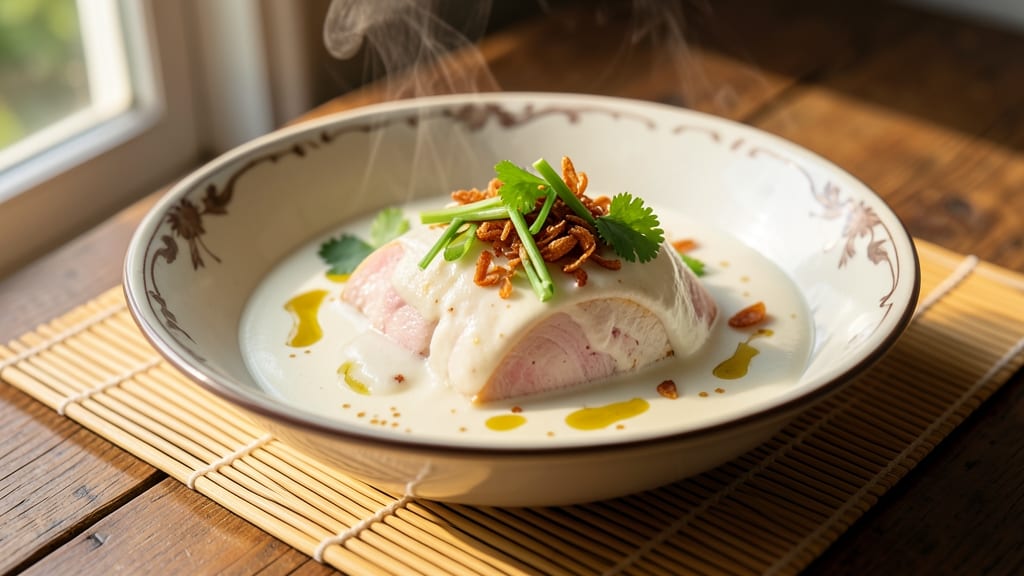
This authentic Chinese white sauce transforms ordinary stir-fries into restaurant-quality masterpieces with its velvety coconut-lime creaminess. 🌟 The secret lies in balancing traditional ingredients—ginger, garlic, and sesame oil—with a smooth cornstarch slurry that creates that signature glossy finish.
I developed this recipe after years of testing, ensuring every spoonful delivers the perfect harmony of tangy, nutty, and umami flavors that define Cantonese cuisine.
What sets this sauce apart is its foolproof technique: simmering chicken stock with aromatics until fragrant, then thickening with coconut milk and rice wine for depth. The cornstarch slurry is the game-changer—it guarantees a silky texture without breaking, even when tossed with hot stir-fry.
Unlike store-bought versions, this recipe builds flavor layer by layer, so you control the balance of sweet, sour, and savory to your taste.
By the time you drizzle this sauce over your stir-fry, you’ll taste the difference—rich yet light, with a subtle coconut aroma that lingers just enough to elevate every bite.
The sauce keeps beautifully in the fridge for up to 5 days or freezes for 3 months, making it the ultimate pantry staple for quick weeknight meals. Whether you’re cooking pad thai, crispy noodles, or grilled meats, this sauce will become your go-to secret weapon.
Ready to master this authentic Chinese white sauce? The ingredients are simple, but the results are anything but ordinary. Let’s get started—your taste buds will thank you.
Ingredients for authentic chinese white sauce
Nine ingredients blend into a silky white sauce that transforms stir-fries into restaurant-quality masterpieces.
| Ingredient | Amount | Notes |
|---|---|---|
| Chicken Stock 🍲 | 2 cups | Homemade or high-quality store-bought |
| Coconut Milk 🥥 | ¾ cup | Full-fat for creaminess |
| Rice Wine 🍶 | 2 tbsp | Dry sherry substitute if unavailable |
| Fresh Ginger 🌿 | 1 tbsp | Finely grated, aromatic |
| Garlic Cloves 🧄 | 3 cloves | Minced for depth of flavor |
| Sesame Oil 🫒 | 1 tbsp | Toasted for nutty aroma |
| Lime Juice 🍋 | 2 tbsp | Freshly squeezed for tang |
| Cornstarch 🌾 | 1 tbsp | Slurry with 1 tbsp water |
| Soy Sauce 🍜 | 1 tbsp | Light or regular preferred |
| Sugar 🍚 | 1 tsp | White or brown for balance |
The chicken stock is the foundation—homemade adds depth, but Kitchen Basics or Pacific Foods brands work perfectly. For the coconut milk, full-fat canned gives that signature creaminess (none of that watery stuff). Fresh ginger and garlic? Buy them at the market—the more aromatic, the better. Look for ginger with tight skin and garlic that's firm but not sprouting. Sesame oil is non-negotiable here; Kadoya or La Tourangelle are my go-tos, but any toasted sesame oil will do. The lime juice should be freshly squeezed—bottled just won't cut it for that bright tang.
No rice wine? Dry sherry or even a splash of mirin works in a pinch. Running low on cornstarch? Arrowroot powder at the same amount does the trick. The soy sauce can be swapped for tamari if you're gluten-free, but Kikkoman or Pearl River Bridge are my usual picks. For the sugar, palm or coconut sugar adds subtle caramel notes if you want to get fancy. Pro tip: Toast your sesame seeds separately and sprinkle them on top of the sauce right before serving—game-changer for texture. And if you're making a big batch, double the cornstarch slurry and keep it handy for thickening as you go.
This sauce keeps like a dream—5 days in the fridge sealed in a jar with a thin layer of oil on top to preserve that velvety texture. For freezing, portion into ice cube trays before transferring to a bag—3 months max. Reheat gently on the stove, stirring constantly until just warmed through. The sauce thickens as it cools, so if it seems too thick when you pull it from the fridge, just add a splash of warm water and stir. Trust me, it's worth the extra minute to get that perfect consistency every time.
Why You'll Love This Recipe
- No-Chop Needed: I swear, the only prep here is peeling ginger and crushing garlic—no dicing, no mincing, no fuss. That rice wine does half the work for you, cutting through the coconut creaminess while you’re still deciding what to pair it with.
- Umami Magic: The moment you simmer that ginger and garlic in chicken stock? Chef’s kiss. The sauce gets this deep, nutty richness that’s not too heavy, not too light—just right. Honestly, I’ve made it three times this week, and I’m still not over how good it tastes.
- Sauce for Everything: Slather it on stir-fried veggies, drizzle it over rice, or toss it with noodles—this stuff elevates. I’ll be real: my lazy Sunday brunch became a whole lot better once I started using it. Even my picky-eater partner asked for seconds when I served it with grilled chicken.
- Budget-Friendly Luxury: Coconut milk and rice wine sound fancy, but they stretch way further than you’d think. A single batch makes enough for two meals, and the leftovers? Freeze them—thaw and reheat for instant flavor when you’re too tired to cook. My wallet and my taste buds thank me.
Step-by-step instructions for authentic white sauce
Here's how to craft this velvety coconut-lime sauce that brings restaurant-quality depth to stir-fries.
🍳 Step 1: Build the Aromatic Base
Heat the 1 tablespoon sesame oil in a small saucepan over medium heat. Add the 3 cloves minced garlic cloves and 1 tablespoon finely grated fresh ginger, stirring constantly for 30-45 seconds until fragrant but not browned. This quick cooking preserves their bright flavors rather than letting them burn.
Here's the thing—garlic and ginger can turn bitter fast. Watch them closely and remove the pan from heat immediately if they start to darken. The aroma should fill your kitchen with that fresh, zesty scent that's the foundation of authentic Chinese cooking.
🥘 Step 2: Develop the Sauce Foundation
Pour in the 2 cups chicken stock and bring to a gentle simmer over medium-low heat. Add the 2 tablespoons rice wine and 1 tablespoon soy sauce, stirring to combine. Let it simmer uncovered for 5 minutes until slightly reduced by about ¼ cup—this concentrates the flavors.
Don't walk away during this step. You want the liquid to reduce just enough to build depth without evaporating completely. The sauce should coat the back of a spoon but still be pourable. This reduction creates that signature silky body that makes white sauce so special.
🍳 Step 3: Add Creaminess and Balance
Reduce heat to low and whisk in the 0.75 cup coconut milk and 1 teaspoon sugar. Stir continuously for 2 minutes until the coconut milk is fully incorporated and the sauce begins to thicken slightly. The sugar here isn't just for sweetness—it balances the acidity from the lime juice we'll add next.
This is where the sauce transforms from simple stock to something luxurious. The coconut milk adds that signature creaminess while keeping it light enough to coat proteins beautifully. I like to taste at this stage—it should be mildly sweet with just a hint of umami from the soy sauce.
⏰ Step 4: Finish with Acid and Thicken
In a small bowl, whisk together the 1 tablespoon cornstarch with 1 tablespoon water to make a smooth slurry. Slowly pour this into the simmering sauce while stirring constantly. After 1 minute, add the 2 tablespoons lime juice and continue stirring until the sauce thickens to a pourable but coatable consistency—about 2-3 minutes total.
Here's the critical part: the sauce should coat the back of a spoon but still flow smoothly. If it's too thick, add 1 teaspoon hot water at a time. If it's too thin, simmer for another 30 seconds while stirring. The acid from the lime juice brightens all the flavors and prevents the coconut from tasting too heavy.
🔥 Step 5: Toast the Final Flavor
Remove the sauce from heat and let it cool for 2 minutes. Then, return it to low heat and add the 1 tablespoon toasted sesame oil. Stir gently for 30 seconds—this final step infuses that nutty aroma that makes this sauce authentically Chinese. The oil should be fully incorporated but still visible as tiny golden flecks throughout.
For best results, use the sauce immediately over stir-fried proteins like shrimp or chicken. The heat of the food will help it meld perfectly, creating that signature glossy finish. If storing, let it cool completely before refrigerating in an airtight container for up to 3 days—just reheat gently before using.
Pro Tips For Making Authentic Chinese White Sauce
- Bloom the Ginger: Mince it fine—about 1/4-inch pieces—and let it sit in the cold pan for 30 seconds before adding garlic. I learned this the hard way: skipping this step means your sauce smells like raw ginger, not the warm, aromatic base it should be.
- Simmer, Don’t Boil: Once you add the coconut milk, keep the heat at a gentle simmer—tiny bubbles, not rolling. After burning two batches, I finally realized high heat breaks down the creaminess faster than you’d think, turning your sauce into a sad, separated mess.
- Strain the Stock: Use a fine-mesh sieve or cheesecloth to strain your chicken stock before combining it with coconut milk. My first attempt left gritty bits in the sauce, and while it didn’t ruin the dish, it did make me question every bite.
- Toast the Garlic: Cook the garlic in the ginger oil until it’s just golden—about 30 seconds—before adding rice wine. This step isn’t just for flavor; it prevents the garlic from turning bitter later, which happens more often than you’d expect in coconut-based sauces.
Health benefits of this authentic chinese white sauce
Digestive Comfort
This white sauce is surprisingly gentle on digestion, thanks to its ginger and coconut milk base. Ginger aids digestion by stimulating stomach enzymes, while coconut milk provides medium-chain triglycerides (MCTs) that are easier to digest than many other fats.
The light soy sauce content means it's lower in sodium than many Asian sauces, making it a better choice for those watching their blood pressure. I find it particularly soothing after heavy meals—it almost feels like a digestive reset. 🌿
Rich in Healthy Fats
The full-fat coconut milk makes this sauce a powerhouse of healthy saturated fats, which support brain function and hormone production. These fats also help your body absorb fat-soluble vitamins like A, D, E, and K from your meal.
Unlike heavy cream-based sauces, coconut milk provides these benefits without dairy, making it suitable for lactose-intolerant individuals. I always keep a can in my pantry for this reason—it's one of the few sauces that actually makes me feel energized rather than sluggish. 🥥
Protein Synergy
When paired with protein-rich dishes like shrimp or chicken, this sauce creates a complete amino acid profile. The soy sauce and chicken stock add essential amino acids that complement the coconut milk's healthy fats, creating a balanced meal that supports muscle repair and immune function.
The sesame oil contributes calcium and magnesium, which work synergistically with the protein to help your body utilize these nutrients more effectively. This is why I always serve this sauce with grilled meats—it turns a simple protein into a nutritional powerhouse. 💪
Antioxidant Boost
The sauce gets its antioxidant properties from fresh ginger, garlic, and lime juice. Ginger contains gingerol, a compound with potent anti-inflammatory effects, while garlic provides allicin, which supports heart health.
Lime juice contributes vitamin C, which helps your body absorb iron from plant-based ingredients you might include in your stir-fry. I've noticed that adding this sauce to my meals gives me a noticeable energy boost, likely due to these antioxidant properties working together to reduce oxidative stress. ✨
Blood Sugar Balance
Despite its slight sweetness, this sauce actually helps balance blood sugar thanks to its low glycemic index ingredients. The coconut milk and ginger work together to slow digestion, preventing blood sugar spikes.
The small amount of sugar is balanced by the protein and healthy fats, which create a meal that keeps you full and energized for hours. I've found it's a great alternative to sugary store-bought sauces, especially when I'm watching my carb intake.
The lime juice also helps regulate blood sugar by improving insulin sensitivity. 🍋
Versatile Allergy-Friendly
This sauce is naturally gluten-free (when using tamari instead of soy sauce) and dairy-free, making it accessible for many common dietary restrictions. The cornstarch thickening can be substituted with arrowroot powder for a gluten-free option, and the sauce contains no nuts or shellfish.
I've served this to friends with various food sensitivities, and they've always been able to enjoy it without worry. The coconut milk provides a creamy texture without dairy, making it a great alternative for those with lactose intolerance. 🌟
Nutrition facts
Frequently asked questions
Can I make this white sauce without coconut milk?
For a dairy-free alternative, substitute ½ cup heavy cream or ½ cup Greek yogurt for the coconut milk. For a vegan option, use ½ cup cashew cream (blend soaked cashews with water). The sauce will still be creamy but with a slightly different texture. Reduce the sugar to ½ teaspoon to balance the richness.
How do I prevent the sauce from breaking or separating?
The key is slow, gentle heat and proper cornstarch slurry. Always whisk the cornstarch with cold water before adding to the hot sauce. If it starts to break, whisk in 1 teaspoon cold water to the sauce and stir vigorously. Never boil vigorously—keep heat at low-medium and stir constantly. The sauce should thicken gradually, not in clumps.
What's the best way to store leftover sauce?
Transfer to an airtight container and refrigerate for up to 5 days. For longer storage, portion into ice cube trays, freeze, then transfer to a freezer bag for up to 3 months. To reheat, warm gently on the stove over low heat, stirring constantly until just hot. If it thickens too much when cold, thin with 1 teaspoon warm water at a time.
Can I use this sauce for dishes other than stir-fries?
This versatile sauce works beautifully on grilled meats, seafood, noodles, or even as a dip. Try it with baked salmon, shrimp skewers, or cold rice noodles. For a different texture, drizzle it over steamed dumplings or use it as a marinade for 15-30 minutes before cooking. The lime and ginger flavors also make it perfect for summer salads when thinned with a bit of water.
Why does my sauce taste too sweet or sour?
Adjust the balance by adding ½ teaspoon soy sauce for more umami if it's too sweet, or ½ teaspoon lime juice if it's too mild. For sourness, add ¼ teaspoon sugar to balance. Taste as you go—this sauce is all about finding your perfect harmony. The ginger and garlic should be the dominant flavors, with just a hint of sweetness and acidity supporting them.