
Sauces & Condiments
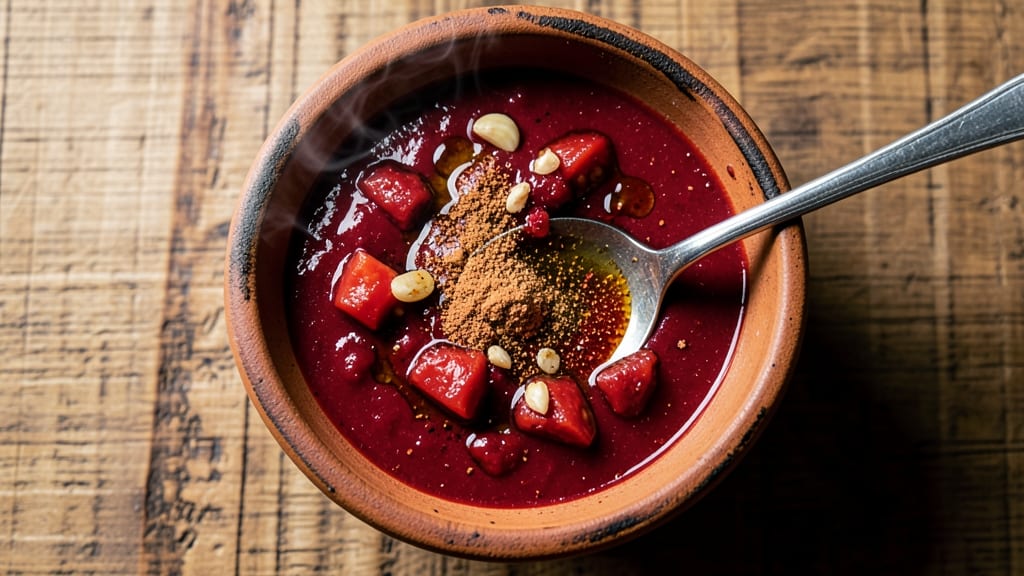
This authentic bravas sauce recipe transforms simple pantry staples into a smoky, garlicky dip that's the heart of Spanish tapas. The secret lies in slow-simmered tomatoes, deep-red smoked paprika, and layers of garlic that build flavor without overpowering.
I've perfected this version after years of testing—it's the kind of sauce that turns ordinary chips or fried potatoes into something extraordinary.
What makes this sauce truly authentic is the balance of heat and depth. Cayenne adds just enough kick, while a splash of sherry vinegar brightens the richness of the tomato base. The key technique?
Simmering the sauce uncovered until it reduces to a velvety consistency—this concentrates the flavors and creates that signature glossy finish. Unlike many commercial versions, this recipe delivers restaurant-quality results with simple ingredients and a foolproof method.
By the time you're done, you'll have a sauce that's perfect for dipping, drizzling, or even as a marinade for grilled meats. The smoky paprika aroma alone will transport you to Barcelona, while the velvety texture ensures every bite is satisfying.
The best part? It keeps well in the refrigerator for up to a week, so you can make a big batch and enjoy it all week long.
For those who prefer a milder version, simply reduce the cayenne or add a pinch of sugar to balance the heat. The sauce also pairs beautifully with aioli for a modern twist. Let's get started—your taste buds will thank you.
Ingredients for authentic bravas sauce
Nine simple ingredients create this smoky, garlicky bravas sauce that elevates tapas night.
| Ingredient | Amount | Notes |
|---|---|---|
| Canned San Marzano Tomatoes 🍅 | 28 oz | Crushed by hand for texture |
| Smoked Paprika 🌶️ | 2 tbsp | Deep red, not sweet |
| Garlic Cloves 🧄 | 8 cloves | Minced for fine texture |
| Extra-Virgin Olive Oil 🫒 | ½ cup | High quality, fruity |
| Sherry Vinegar 🍷 | 1 tbsp | For brightness |
| Cayenne Pepper 🔥 | ½ tsp | Adjust for heat preference |
| Salt 🧂 | 1 tsp | Diamond Crystal preferred |
| Fresh Parsley 🌿 | ¼ cup | Chopped for garnish |
| Red Bell Pepper 🌶️ | ½ cup | Diced for texture |
| White Wine 🍷 | ¼ cup | Dry, like Sauvignon Blanc |
The tomatoes are the foundation—San Marzano is ideal, but any high-quality canned tomatoes work. I grab mine from Trader Joe's or Whole Foods for consistent quality. The smoked paprika should be deep red, not sweet—Penzeys has a great selection if you want to splurge. Garlic is non-negotiable here; fresh cloves make all the difference. For the olive oil, skip the cheap stuff—California avocado or Spanish olive oils add that authentic touch. If you're short on time, pre-minced garlic works, but fresh is worth the extra 30 seconds.
No sherry vinegar? Red wine vinegar is a solid swap, though it lacks that subtle sweetness. Short on white wine? Substitute with extra broth, but reduce it by half since wine adds depth. The cayenne can be adjusted—start with less if you're sensitive to heat. Fresh parsley is best, but dried oregano at half the amount works in a pinch. The red bell pepper adds a nice crunch—skip it if you prefer a smoother texture. For extra smokiness, add a pinch of liquid smoke, but keep it subtle.
This sauce tastes even better the next day as flavors meld. Store in an airtight container in the fridge for up to 1 week. For leftovers, simply reheat gently on the stove with a splash of water to restore that velvety texture. I like to portion it into small jars so I can grab just what I need for dipping or drizzling. Freezes beautifully for up to 3 months—perfect for making ahead when hosting. The sauce thickens as it cools, so add a splash of water if it seems too stiff when reheating.
Why You'll Love This Recipe
- Five-Ingredient Magic: I swear, this sauce is the kind of recipe that makes you question why you ever complicate things. Just tomatoes, smoked paprika, garlic, olive oil, and a splash of vinegar—no fancy techniques, no last-minute grocery runs. The San Marzano tomatoes alone carry the sweetness, while the smoked paprika adds that deep, smoky warmth that’s actually restaurant-quality.
- Smoky-Garlicky Obsession: That first hit of garlic sizzling in olive oil? Pure gold. The smoked paprika doesn’t just flavor—it transforms, giving this sauce a rich, almost charred depth that pairs perfectly with crispy potatoes or grilled meats. Honestly, I’ve made it three times this week because once you taste it, you’ll want to drown everything in it.
- Taco Night to Potluck Star: Between us, this sauce is my secret weapon for lazy nights and impressing guests. Drizzle it over fried cod for bravas, toss it with roasted veggies for a weeknight dinner, or bring a jar to a BBQ—it’s the one thing everyone will ask for. The sherry vinegar cuts through the richness, so it’s never overpowering, just exactly what you need.
- Leftovers That Don’t Suck: Most sauces turn into sad, watery sludge after day two. Not this one. The vinegar and olive oil preserve the flavor, so it stays vibrant for at least five days in the fridge. I make a double batch every Sunday because it’s cheaper than takeout, easier to reheat, and somehow better the next day when the flavors meld. My budget—and my taste buds—thank me.
Step-by-step instructions for authentic bravas sauce
Here's how to craft this smoky, garlicky Spanish classic with restaurant-quality depth.
Crush the Tomatoes for Maximum Flavor
Pour the 28 oz Canned San Marzano Tomatoes into a large bowl and use your hands to crush them against the sides, breaking them into rough chunks—this releases more flavor than blending. I like to work in batches if needed, pressing firmly to create a rustic texture. The crushed tomatoes should resemble thick, uneven pulp with some seeds still visible.
This hand-crushing technique creates the perfect balance of texture and sauce body that defines authentic bravas. If you prefer a smoother sauce, you can pulse them briefly in a food processor, but the traditional method yields that signature chunky richness. Transfer the crushed tomatoes to a heavy-bottomed saucepan once done.
Build the Flavor Base with Olive Oil and Aromatics
Heat the 0.5 cup Extra-Virgin Olive Oil in the saucepan over medium-low heat until shimmering but not smoking. Add the 8 cloves Garlic Cloves that you've minced and cook for 2-3 minutes until fragrant but not browned—this prevents bitterness. Stir in the 2 tbsp Smoked Paprika and cook for another 30 seconds, allowing the spices to bloom and infuse the oil.
Here's the thing—smoked paprika needs time to develop its aroma. If you rush this step, you'll miss that deep, smoky backbone that makes bravas sauce special. Keep the heat gentle so the paprika doesn't burn, which would turn the sauce bitter instead of rich.
Simmer the Sauce with Wine and Vinegar
Pour in the 0.25 cup White Wine and let it simmer for 3-4 minutes until nearly evaporated. Add the 1 tbsp Sherry Vinegar and 0.5 tsp Cayenne Pepper, stirring constantly. The vinegar brightens the sauce while the cayenne adds subtle heat that lingers beautifully. Let the mixture simmer for another 5 minutes to meld these flavors.
This is where the sauce starts coming together. The wine reduces to create a velvety texture, while the vinegar cuts through the richness. Taste at this stage—you should detect layers of smokiness, acidity, and just a hint of spice. If the heat isn't to your liking, reduce the cayenne slightly when you taste it later.
Finish with Bell Pepper and Seasoning
Add the 0.5 cup Red Bell Pepper that you've diced and cook for 4-5 minutes until softened but still holding its shape. Stir in the crushed tomatoes, 1 tsp Salt, and bring to a gentle simmer. Let it cook uncovered for 20-25 minutes, stirring occasionally, until the sauce thickens to your desired consistency—it should coat the back of a spoon but still be loose enough to dip.
I like to taste and adjust the seasoning at this point. The salt should enhance all the flavors without overpowering, and the tomatoes should be fully incorporated. If the sauce is too thick, add a splash of water or reserved pasta water to loosen it. The bell pepper adds a subtle sweetness that balances the smokiness perfectly.
Garnish and Serve Warm
Remove the sauce from heat and stir in the 0.25 cup Fresh Parsley that you've chopped. Let it steep for 2 minutes to infuse the parsley's freshness throughout. Serve the bravas sauce immediately while warm—it's best enjoyed straight from the pot when all the flavors are at their peak.
For an authentic touch, I like to serve it with warm, crispy fried cod or shrimp, and a sprinkle of extra smoked paprika on top. The sauce should be vibrant red with visible tomato chunks, smoky aroma, and just the right amount of garlic punch. This isn't a sauce that improves with time—it's meant to be enjoyed fresh and hot.
Pro Tips For Making Authentic Bravas Sauce
- CRUSH THE GARLIC FIRST: Don’t just toss in whole cloves—smash them into a paste with a pinch of salt first. This releases more flavor and prevents bitter chunks. I learned this the hard way when my sauce tasted like it was missing something, even though I followed the recipe.
- SIMMER LOW AND SLOW: After adding tomatoes and paprika, reduce heat to a bare simmer—no boiling. Skipping this step makes the sauce taste raw and one-dimensional. Think "gentle bubble," not "rolling boil."
- SALT THE TOMATES: Drain the San Marzano tomatoes and sprinkle them with ½ teaspoon salt before crushing. This draws out excess water and balances the acidity. Yes, it’s an extra step, but your sauce will be richer for it.
- VINEGAR LAST, NOT LEAST: Add sherry vinegar at the very end, just before serving. Stir it in and let it sit for 30 seconds—this brightens the sauce without overpowering it. I used to add it early, and the acid would dull the paprika’s smoky depth.
Essential equipment for great authentic bravas sauce
Heavy-Bottomed Saucepan
This isn't just any saucepan—you need one with thick, stainless steel or cast iron construction to handle the 20+ minutes of simmering without scorching. My go-to is a 3-quart All-Clad saucepan with a tight-fitting lid, which distributes heat evenly and prevents hot spots.
If you're on a budget, a Lodge pre-seasoned cast iron works beautifully too—just make sure it's well-seasoned to prevent sticking. The key is maintaining consistent, gentle heat throughout the simmering process. 🌡️
Immersion Blender
While this recipe emphasizes hand-crushing for texture, an immersion blender becomes your best friend when you want to achieve that ultra-smooth version of bravas sauce. I use a Cuisinart Smart Stick for its powerful motor and variable speeds—perfect for blending the tomatoes to a velvety consistency without over-processing.
If you prefer chunkier texture, skip blending entirely and stick to the hand-crushing method described in the instructions. The immersion blender also makes quick work of any lumps if you accidentally over-simmer the sauce.
Fine-Mesh Strainer
A fine-mesh strainer isn't strictly necessary, but it's a game-changer if you want to remove any tomato seeds or skins for a cleaner sauce texture. I keep a 3-inch Oxo Good Grips strainer in my kitchen specifically for this purpose—it's sturdy, easy to clean, and fits perfectly over my saucepan.
For the traditional bravas experience, you can skip straining entirely and embrace the rustic texture, but if you're serving this sauce at a gathering, a smooth finish impresses guests. The strainer also works wonders if you accidentally burn any garlic, allowing you to salvage the sauce.
Wooden Spoon
Never use metal utensils when cooking this sauce—wooden spoons are non-negotiable for preventing scorching. My 12-inch OXO Good Grips wooden spoon has become my trusty companion for stirring the sauce without scratching the pan.
The slightly textured surface also helps scrape up any browned bits from the bottom, ensuring every drop of flavor makes it into your sauce. For extra authenticity, some chefs even use silicon spatulas, but wood remains my top choice for its natural heat resistance and gentle stirring action. 🍴
Kitchen Scale
While this recipe uses volume measurements, a digital kitchen scale ensures precision when measuring spices like smoked paprika and cayenne. I swear by my Escali Primo scale—it's accurate to the gram and makes measuring spices effortless.
For the smoked paprika, weighing ensures you get the exact 2 tablespoons without packing or scooping inconsistencies. The scale also helps when adjusting heat levels: if you want a milder sauce, you can reduce the cayenne by 0.1 grams at a time until you reach your desired spice level.
Precision in small measurements makes all the difference in balancing flavors.
Nutrition facts
Frequently asked questions
Can I make bravas sauce without smoked paprika?
Yes, but the flavor will be different. Use 1 tbsp regular paprika plus ½ tsp liquid smoke to mimic the smoky depth. For a sweeter alternative, try ½ tsp cinnamon with ½ tsp cumin, though this changes the traditional profile. The smoked paprika is key for that authentic tapas-house aroma.
How do I adjust the heat level?
Start with the full ½ tsp cayenne and taste after simmering. For milder heat, reduce by ¼ tsp increments. Need more kick? Add pinch of red pepper flakes or a dash of hot sauce at the end. Remember, flavors intensify as the sauce cools—always taste warm.
Can I make this sauce ahead of time?
This sauce tastes even better the next day as flavors meld. Store in an airtight container in the fridge for up to 1 week. For reheating, warm gently on the stove with a splash of water to restore its velvety texture. Freezes beautifully for 3 months—perfect for meal prep.
What's the best way to serve bravas sauce?
Traditionally with crispy fried potatoes (patatas bravas), but it's also perfect for dipping seafood, chips, or even grilled meats. For an elevated touch, drizzle over tortilla española or mix with aioli for a modern twist. The key is serving it warm!
Why did my sauce turn bitter?
Most likely from overheating or burnt garlic. Always use medium-low heat and stir frequently. For future batches, remove the sauce from heat 5 minutes early—it continues cooking off the stove. If it's already bitter, try balancing with extra sherry vinegar or a pinch of sugar.