
Sauces & Condiments
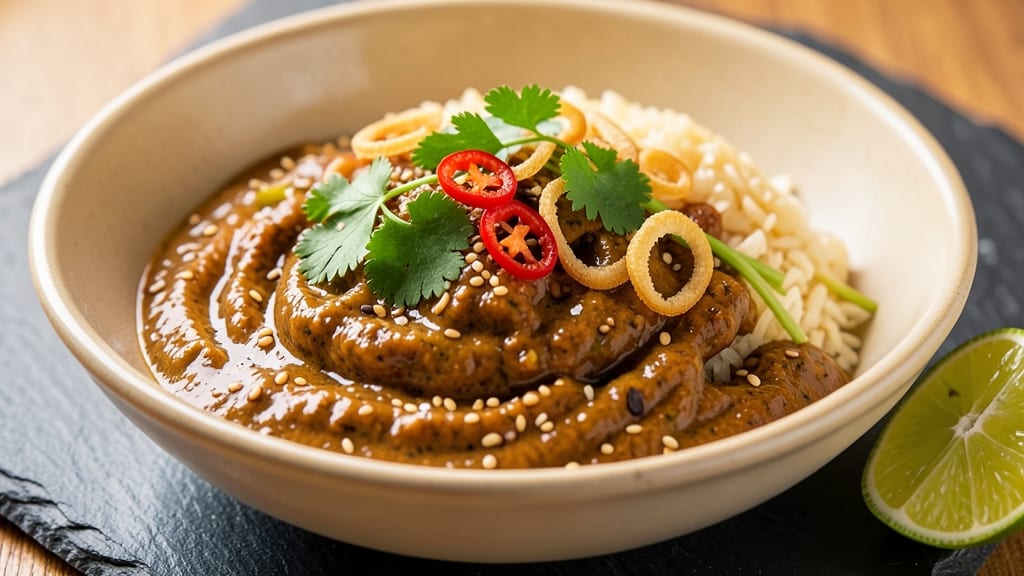
This Asian pesto sauce recipe transforms stir-fries into bold, nutty masterpieces with just a few simple ingredients. The secret lies in blending toasted sesame seeds, fresh ginger, and aromatic herbs into a velvety sauce that clings perfectly to noodles, grilled meats, or crisp vegetables.
I developed this version after craving the depth of traditional pesto but wanting the bright, umami-rich flavors of Asian cuisine—it’s the game-changer your weeknight meals deserve.
The beauty of this sauce is its versatility—it starts with a simple base of sesame paste, soy sauce, and lime juice, then gets elevated with fresh cilantro, garlic, and a touch of honey for balance.
Unlike heavy cream-based pestos, this version stays light yet rich, with a nutty, slightly sweet profile that enhances rather than overpowers. The best part? It comes together in under 10 minutes with no cooking required, making it ideal for last-minute meals or meal prep.
What sets this sauce apart is its adaptability—toss it with rice noodles for a quick lunch, drizzle over grilled chicken, or use it as a tangy dressing for fresh salads. The ginger adds a subtle kick, while the sesame seeds contribute a satisfying crunch.
Store it in the fridge for up to 5 days, or freeze for longer shelf life. Once you try this, store-bought sauces will never taste the same again.
For extra depth, toast the sesame seeds until fragrant before blending, or add a dash of chili oil for heat. Need a nut-free version? Swap sesame paste for tahini or omit it entirely—this sauce delivers restaurant-quality flavor no matter how you customize it. Let’s make it.
Ingredients for asian pesto sauce
Nine simple ingredients blend into a bold, nutty sauce perfect for stir-fries and noodles.
| Ingredient | Amount | Notes |
|---|---|---|
| Toasted Sesame Seeds 🥜 | ½ cup | Store-bought or homemade |
| Sesame Paste 🥜 | ¼ cup | Smooth, not grainy |
| Fresh Cilantro 🌿 | ½ cup | Stems removed, loosely packed |
| Garlic Cloves 🧄 | 4 cloves | Peeled, roughly chopped |
| Fresh Ginger 🧅 | 2 tbsp | Finely grated, vibrant color |
| Lime Juice 🍋 | ¼ cup | Freshly squeezed, strained |
| Light Soy Sauce 🍶 | 2 tbsp | Low-sodium preferred |
| Honey 🍯 | 1 tbsp | Wildflower or clover |
| Olive Oil 🫒 | ¼ cup | Extra-virgin for richness |
| Water 💧 | ¼ cup | Room temperature |
| Salt 🧂 | ½ tsp | Adjust to taste |
| Chili Oil 🌶️ | 1 tbsp | Optional, for heat |
Sesame seeds are the heart of this sauce—toast them in a dry pan for 2 minutes until golden and fragrant before blending. Trader Joe's carries pre-toasted sesame seeds if you're short on time, but fresh is always better. For sesame paste, Kadoya or 365 by Whole Foods are my go-tos—they're smooth and pack a punch. Fresh ginger and garlic should smell vibrant, not musty. If your ginger's lost its zing, microwave it for 20 seconds to wake up the flavor. The cilantro? Use the stems too—they're packed with flavor.
No sesame paste? Tahini works in a pinch, though it's nuttier and thicker. Swap honey for maple syrup if you prefer—just reduce the soy sauce by half a teaspoon to balance. Running low on lime juice? Substitute lemon juice, but add a pinch more salt to compensate. For a nut-free version, skip the sesame seeds and paste entirely—just boost the tahini or add an extra tablespoon of olive oil. The chili oil is totally optional, but if you add it, start with half the amount and taste as you go. Lao Gan Ma chili oil from Asian markets is my favorite for that authentic kick.
This sauce keeps beautifully—5 days in the fridge sealed in a jar, or 3 months frozen in ice cube trays. For extra crunch, store a sprinkle of toasted sesame seeds on top of the sauce. I make double batches all the time—one for immediate use, one to freeze. When reheating, give it a quick stir and add a splash of water if it thickens. The flavors actually improve after a day or two in the fridge as everything melds together. Perfect for meal prep!
Why You'll Love This Recipe
- No-Fuss Blender Magic: I swear by this sauce because it’s three ingredients and a pulse—no chopping, no stress. Toss in the cilantro, garlic, and ginger, hit blend, then swirl in the sesame paste like you’re mixing a cocktail. Done. (Yes, even on a Tuesday night.)
- Umami Bomb: That nutty sesame paste and toasted seeds hit differently—like a warm hug for your taste buds. The ginger’s zing cuts through the richness, and the garlic? Oh, it sings when blended fresh. Honestly, it’s the kind of flavor that makes you pause mid-bite.
- Pantry Staple Power: This stuff doesn’t just work on noodles—drizzle it over grilled chicken, toss it into a stir-fry, or slather it on sandwiches. I keep a jar in the fridge because it’s my go-to for when I’m craving something fresh but lazy. (Between us, it’s also weirdly good on popcorn.)
- Stays Fresh, Saves Money: Make a big batch—it keeps for a week in the fridge, and the flavors only deepen. No weird aftertaste, just pure, reliable goodness. Plus, sesame paste and garlic are cheaper than you’d think, so you’ll stretch your dollar without sacrificing flavor. My wallet and my taste buds win.
Step-by-step instructions for Asian pesto sauce
This nutty, tangy sauce comes together in minutes with a food processor.
Toast the Sesame Seeds
Heat a dry skillet over medium heat. Add the 0.5 cup toasted sesame seeds and toast for 2-3 minutes until they turn a deeper golden brown and release their nutty aroma. You'll know they're ready when they smell rich and toasty—almost like popcorn but with sesame notes. Let them cool for 5 minutes before processing, as hot seeds can burn your sauce.
This toasting step is crucial—it deepens the sesame flavor and prevents a raw, bitter taste in your sauce. If you're using store-bought toasted sesame seeds, skip this step but give them a quick stir to refresh their aroma before using.
Process the Base Ingredients
Add the toasted sesame seeds, 0.25 cup sesame paste, 0.5 cup fresh cilantro (stems removed), 4 cloves garlic cloves, and 2 tbsp fresh ginger to a food processor. Pulse until finely chopped but not completely smooth—you want some texture for that authentic Asian pesto character.
I like to stop and scrape down the sides every 30 seconds to ensure even blending. The mixture should look like a thick, vibrant green paste with visible flecks of sesame and ginger. If your processor struggles, add 1 tablespoon of the olive oil to help it along—this keeps everything moving smoothly.
Blend with Wet Ingredients
With the processor running, slowly drizzle in the 0.25 cup olive oil and 0.25 cup water through the feed tube. This gradual addition prevents the sauce from becoming too thick or oily. After each addition, pause and scrape the sides again to incorporate everything evenly.
Next, add the 0.25 cup lime juice, 2 tbsp light soy sauce, 1 tbsp honey, and 0.5 tsp salt. Process until completely smooth, about 1-2 minutes. The sauce should be vibrant green with a thick, creamy consistency—almost like hummus but with a bright citrus tang. Taste and adjust the seasoning if needed; you might want to add a pinch more salt or lime juice to balance the flavors.
Finish and Store
Transfer the sauce to a bowl and stir in the 1 tbsp chili oil (if using) for a subtle kick. The chili oil adds heat and a beautiful red swirl to the sauce, but it's completely optional. If you prefer a milder version, skip it or use a neutral oil instead.
For best results, use the sauce immediately over stir-fries, noodles, or grilled proteins. If storing, transfer to an airtight container and refrigerate for up to 5 days. The flavors deepen slightly over time, making it even more delicious the next day. When ready to use, give it a quick whisk or shake to restore its silky texture.
Pro Tips For Making Asian Pesto Sauce
- TOAST SEEDS LOW AND SLOW: I used to blast sesame seeds in a dry pan until they smelled like burnt popcorn—don’t. Toast them over medium-low heat for 2-3 minutes, stirring constantly, until they’re golden and fragrant, not crispy. The goal is nutty aroma, not charred bits.
- MINCE GINGER LIKE YOU MEAN IT: Thin slices or grated ginger? Wrong move. Use a sharp knife to finely mince the ginger—think matchstick-thin shreds—so it blends smoothly and doesn’t clump. (Yes, even if you’re impatient like me.) This makes the sauce silky, not grainy.
- PULSE THE GARLIC IN BATCHES: Whole garlic cloves in a food processor? You’ll end up with a pasty, uneven mess. Pulse 2-3 cloves at a time until they’re almost powdered, then scrape down the sides before adding more. This keeps the texture consistent and prevents the motor from overheating.
- STORE EXTRA PASTE IN ICE CUBES: Make a double batch? Freeze sesame paste in 1-tablespoon ice cube trays—it thaws in seconds under warm water. No more digging into a jar and measuring out sticky globs. (Your future self will thank you.)
Wine and beer pairings for this dish
Rice Wine Pairings
For an authentic Asian dining experience, pair this sesame-ginger pesto with a crisp dry rice wine like Mirin or Sake. I love Hakkaisan Junmai Daiginjo—its delicate floral notes complement the sauce’s nutty depth without overpowering.
Serve it slightly chilled (45-50°F) to enhance the sauce’s bright citrus and ginger flavors. 🍶
Light Lager Balance
A Japanese lager such as Asahi Super Dry or Sapporo works beautifully with this sauce. The beer’s subtle malt sweetness mirrors the honey in the pesto, while its crisp finish cuts through the richness.
For a craft option, try a Belgian witbier like Hoegaarden—the coriander and citrus notes create a refreshing contrast. 🍺
Red Wine for Hearty Dishes
If serving the sauce over grilled meats or hearty noodles, a light-bodied red like Pinot Noir or Beaujolais elevates the meal. Look for a Burgundy-style Pinot with earthy undertones to pair with the sesame’s nuttiness. Avoid heavy Cabernets—they’ll clash with the sauce’s brightness. 🍷
Non-Alcoholic Options
For a refreshing non-alcoholic match, try sparkling yuzu soda or ginger beer. The effervescence cleanses your palate between bites, while the citrus and ginger notes harmonize perfectly with the sauce. I also love coconut water for a lighter, hydrating option that balances the sauce’s richness. 💧
Nutrition facts
Frequently asked questions
Can I make this sauce without a food processor?
Use a mortar and pestle for the dry ingredients (sesame seeds, paste, cilantro, garlic, and ginger) until finely chopped. Then whisk everything together with the wet ingredients in a bowl. The texture will be slightly chunkier but still delicious. For a smoother result, blend the wet ingredients first, then stir in the dry components.
How spicy should the chili oil be?
The recipe calls for just 1 tablespoon of chili oil, which adds subtle heat rather than spiciness. For a milder version, use a neutral oil like sesame or avocado oil instead. If you love heat, start with 1 teaspoon and taste before adding more—you can always adjust to your preference.
What’s the best way to store leftover sauce?
Transfer the sauce to an airtight container and refrigerate for up to 5 days. The flavors actually improve after 24 hours as the ingredients meld together. For longer storage, freeze in ice cube trays—thaw overnight in the fridge before using. Always give it a quick whisk or shake to restore its smooth texture.
Can I substitute tahini for sesame paste?
Yes! Use 3 tablespoons of tahini instead of 0.25 cup sesame paste. Tahini has a stronger flavor, so reduce the soy sauce by 0.5 teaspoon to balance it. For a nut-free version, omit both sesame paste and seeds entirely—just add an extra 1 tablespoon of olive oil to maintain creaminess.
What’s the best way to use up extra sauce?
This versatile sauce works on everything from noodles to grilled chicken or even as a marinade. Drizzle it over cold soba noodles, mix it into hummus for dipping, or use it as a tangy dressing for fresh veggies. Freeze extras in 1-tablespoon portions for quick flavor boosts later—perfect for last-minute stir-fries!