
Sauces & Condiments
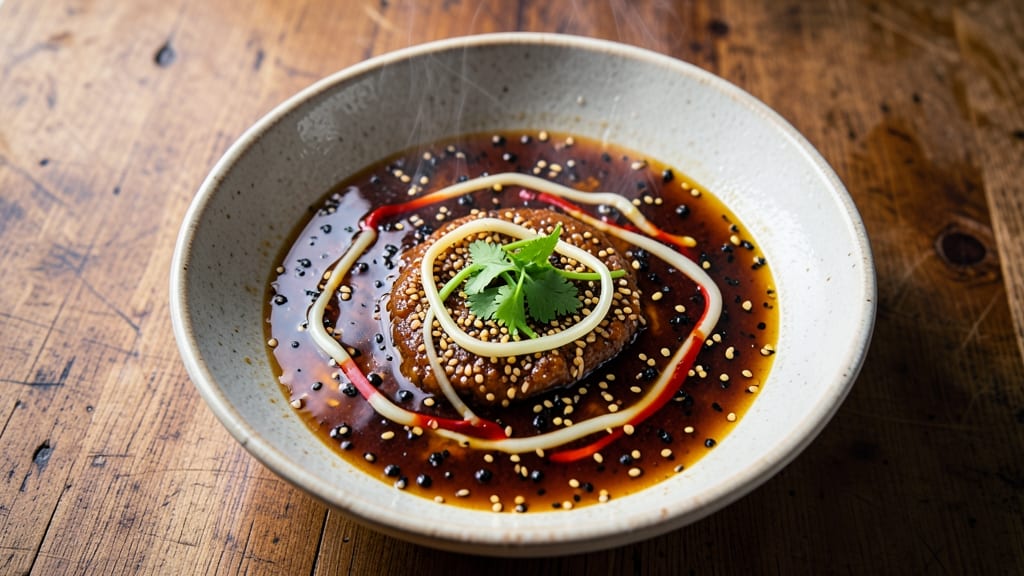
This Asian noodle stir-fry sauce recipe transforms simple ingredients into a umami-packed glaze that elevates any stir-fry in just 15 minutes. The magic lies in balancing soy sauce, sesame oil, and a touch of sweetness—creating a sauce that's both bold and versatile for noodles, chicken, or tofu.
I developed this recipe after craving that restaurant-quality depth at home, and it never fails to deliver.
The sauce's simplicity is its strength: just 3 core ingredients (soy sauce, sesame oil, and garlic) form the foundation, with optional ginger and honey for depth. What makes it special is how it clings to noodles and proteins, adding a glossy sheen and layers of flavor without overpowering the dish.
The key? A quick simmer to meld the ingredients into a cohesive, aromatic sauce.
By the time you pour this sauce over steaming hot noodles, you'll taste the perfect harmony of salty, nutty, and slightly sweet notes—restaurant-quality results with minimal effort. It keeps well in the fridge for up to a week, making it ideal for quick weeknight meals or meal prep.
This sauce isn't just a condiment; it's the star of your stir-fry.
Pair it with rice noodles, chicken, shrimp, or tofu for a meal that's both satisfying and customizable. The possibilities are endless, but the technique remains foolproof. Let's make this sauce—your stir-fries will never be the same.
Ingredients for asian noodle stir fry sauce
Three core ingredients form the foundation of this umami-rich sauce, with optional depth enhancers.
| Ingredient | Amount | Notes |
|---|---|---|
| Light Soy Sauce 🍶 | ½ cup | High-quality, low-sodium preferred |
| Toasted Sesame Oil 🫒 | 2 tbsp | For authentic nutty aroma |
| Garlic Cloves 🧄 | 4 cloves | Freshly minced for bold flavor |
| Fresh Ginger 🌿 | 1 tbsp | Finely grated, optional for depth |
| Honey 🍯 | 1 tbsp | Pure, for subtle sweetness |
| Rice Vinegar 🍶 | 1 tbsp | For brightness and balance |
| Cornstarch 🌾 | ½ tsp | Dissolved in 1 tbsp water |
| Sesame Seeds 🥜 | 1 tsp | Toasted for garnish and crunch |
The light soy sauce is non-negotiable—Kikkoman or Lee Kum Kee are reliable choices for that authentic umami punch. Toasted sesame oil from Trader Joe's or Hain delivers the nutty aroma that separates homemade from store-bought. Fresh garlic and ginger? Buy them whole at a well-stocked market like Whole Foods or Asian grocery stores—they stay fresh longer and make a noticeable difference. The honey should be pure, unprocessed (like Madhava or local raw honey) to avoid artificial aftertastes that can clash with the sauce's complexity.
No sesame oil? Avocado oil or neutral oil works in a pinch, but the flavor won't be the same—this sauce thrives on its nutty depth. Substitute maple syrup for honey if avoiding refined sugar, though the flavor profile shifts slightly. Fresh ginger can be swapped for ground ginger (use half the amount), but fresh is ideal. Skip the rice vinegar if you prefer a sweeter profile, but it balances the sauce beautifully. For a thicker consistency, add cornstarch slurry (mix cornstarch with cold water) gradually while simmering—1 tsp at a time until you reach your desired thickness.
This sauce keeps up to 1 week in an airtight container in the fridge, with flavors deepening over time. Freeze in ice cube trays for single-use portions—thaw overnight in the fridge before reheating. For best results, reheat gently on low heat or in the microwave, stirring occasionally to maintain its glossy texture. Garnish with toasted sesame seeds just before serving to add crunch and visual appeal—a simple touch that elevates the dish.
Why You'll Love This Recipe
- Five-Ingredient Magic: I swear by this combo—soy, sesame oil, garlic, ginger, and honey. That’s it. No confusing spice blends or hard-to-find pastes; just pantry staples that sing when tossed together.
- Umami Bomb: The toasted sesame oil hits first—nutty, warm, immediate—then the garlic and ginger wake up with a sharp, bright punch. Honestly, that honey at the end? It’s the secret that makes your taste buds sit up and beg for seconds.
- Weeknight to Party: Same sauce, endless uses. Stir-fry tonight, drizzle over rice bowls tomorrow, or toss with cold noodles for a lazy Sunday. Even my picky teen devours it—no questions asked.
- Budget Hero: A single jar of soy sauce and a tiny ginger root stretch across three meals. Leftovers? Toss them in a jar and keep ’em in the fridge for up to a week. Zero waste, maximum flavor, and my wallet thanks me every time.
Step-by-step instructions for Asian noodle stir fry sauce
This umami-rich glaze delivers perfect balance with just seven ingredients and simple technique.
Prepare the Aromatics and Sweetener
In a small bowl, finely mince the 4 cloves garlic cloves and grate the 1 tablespoon fresh ginger using a microplane or fine grater. The texture should be smooth with no visible chunks—this ensures even distribution of flavor throughout the sauce. Set these aside temporarily.
In a separate small bowl, combine the 1 tablespoon honey with the 1 tablespoon rice vinegar. Stir well to fully integrate the sweet and tangy components. This mixture will form the flavor foundation of your sauce, balancing the savory elements with subtle brightness and depth.
Create the Cornstarch Slurry
In a small measuring cup, whisk together the 0.5 teaspoon cornstarch with 1 tablespoon cold water until completely dissolved. This slurry will act as your thickening agent, creating that signature glossy consistency without making the sauce heavy. The key is to use cold water—hot water would cause premature gelatinization.
Set this mixture aside for now. The cornstarch needs to remain separate until the sauce reaches its simmering point, when it will activate and create that perfect glossy finish. This is where many home cooks go wrong—they add the cornstarch too early and end up with a gummy sauce.
Build the Sauce Base
Heat a small saucepan over medium-low heat and add the 2 tablespoons toasted sesame oil. Allow it to warm through for 30 seconds until you can smell its nutty aroma. This is your signal to add the minced garlic and ginger. Cook for 30-45 seconds until the garlic becomes fragrant but doesn't brown—this prevents bitterness from developing.
Immediately add the 0.5 cup light soy sauce and the honey-vinegar mixture. Stir well to combine all ingredients. The sauce should bubble gently as it begins to heat up. This is where the umami magic happens—the soy sauce's deep flavor melds with the sweet and tangy components, creating a complex base that will only improve as it simmers.
Thicken and Finish the Sauce
Bring the sauce to a gentle simmer over medium heat, then reduce the heat to low. This is where precision matters most. Let it simmer for 3-4 minutes while stirring occasionally with a wooden spoon. You'll notice the sauce begin to thicken as the cornstarch slurry activates.
When the sauce reaches your desired consistency—glossy with a smooth, syrupy texture—remove it from heat. Immediately stir in the cornstarch slurry and let it thicken for an additional 30 seconds. The sauce should coat the back of a spoon without being overly viscous. If it's too thick, you can thin it slightly with 1 teaspoon hot water from the saucepan.
Rest and Garnish
Transfer the sauce to a small bowl and let it rest at room temperature for 5 minutes. This resting period allows all the flavors to fully meld and the sauce to reach its optimal consistency. The slight cooling also prevents the sesame seeds from immediately releasing their oils when added.
Before serving, sprinkle the 1 teaspoon toasted sesame seeds on top and gently stir. The seeds add both visual appeal and a delightful crunchy texture contrast. This sauce keeps well in the refrigerator for up to 5 days in an airtight container, making it perfect for meal prep. Simply reheat gently before using to maintain its perfect consistency.
Pro Tips For Making Asian Noodle Stir Fry Sauce
- Cook Garlic Low and Slow: I learned this the hard way—blasting garlic in a hot pan turns it bitter. For this sauce, add minced garlic to the pan after the sesame oil has cooled slightly (just off high heat). Stir constantly and keep it under 30 seconds—you want fragrant, not burnt.
- Grate Ginger Like It’s 1999: Skip the microplane if you’re in a hurry, but don’t just chop it. Use a box grater for finer, more even pieces that dissolve smoothly into the sauce. (Yes, even if you’re impatient like me.) If you’re lazy, a teaspoon of ground ginger works—but fresh is the thing that matters most.
- Balance Honey Last: Add honey after the soy sauce and aromatics have cooked together. Stirring it in too early can make it caramelize unevenly, turning your sauce cloyingly sweet. A quick taste test before tossing with noodles guarantees harmony—no one wants a sticky, one-note sauce.
- Toast Sesame Oil Cold: Sounds weird, but it works: Add sesame oil after removing the pan from heat. Let the sauce cool for 30 seconds, then drizzle it in while stirring. This keeps the oil’s nutty aroma intact instead of burning it off. (Your future self will thank you.)
Regional styles of these flavors
Thai-Inspired Sweet Chili
For a Thai-inspired twist, replace the honey with 2 tablespoons Thai sweet chili sauce (like Maesri) and add 1 teaspoon fish sauce for depth. Simmer the sauce for 5-7 minutes to let the chili flavors meld with the soy and sesame.
Garnish with crushed dried chilies and cilantro for a vibrant, spicy-sweet profile. This version works beautifully with rice noodles and grilled chicken, delivering that classic Thai street-food punch. 🌶️
Japanese Teriyaki Style
Swap the honey for 1 tablespoon mirin and 1 tablespoon sake, then use dark soy sauce instead of light for a richer color. Add 1 teaspoon grated daikon radish to the sauce base for a subtle sweetness and texture.
Simmer for 4-5 minutes until slightly thicker, then drizzle over udon noodles or grilled salmon for an authentic Japanese teriyaki experience. The mirin adds a fruity brightness that elevates the umami. 🍶
Korean Gochujang Glaze
Blend 1 tablespoon gochujang (Korean chili paste) into the sauce base, along with 1 teaspoon rice vinegar and 1 teaspoon sesame oil. Simmer for 6-8 minutes to develop the spicy, fermented depth. Finish with toasted sesame seeds and thinly sliced scallions.
This variation pairs perfectly with rice cakes (tteok) or bulgogi beef, delivering a bold, spicy-sweet kick. The gochujang adds a natural thickening effect, so reduce the cornstarch to 0.25 teaspoon. 🔥
Vietnamese Nuoc Cham Fusion
Replace the honey with 1 tablespoon fish sauce and 1 teaspoon lime juice, then add 1 teaspoon sugar to balance the acidity. Simmer for 3-4 minutes and finish with fresh mint leaves and crushed peanuts.
This lighter, tangier sauce works wonderfully with rice noodles and grilled shrimp, mimicking the flavors of nuoc cham but with a thicker, glaze-like consistency. The lime juice brightens the sauce, making it refreshing yet complex. 🍋
Chinese Black Bean Sauce
For a deeper, earthier flavor, stir in 1 tablespoon black bean sauce (like Lee Kum Kee) along with 1 teaspoon grated ginger and 1 teaspoon Shaoxing wine. Simmer for 5-6 minutes until the sauce thickens slightly.
This variation pairs exceptionally well with stir-fried tofu or bok choy, offering a rich, savory depth. The black bean sauce adds a natural umami that complements the soy and sesame beautifully. 🥜
Spicy Peanut Sauce
Blend 2 tablespoons smooth peanut butter (like Smucker’s) into the sauce base, along with 1 teaspoon sriracha and 1 teaspoon lime juice. Simmer for 4-5 minutes until smooth, then drizzle over rice noodles or chicken satay.
Top with crushed peanuts and green onions for a crunchy, nutty finish. This sauce delivers a creamy, spicy contrast that’s perfect for hearty stir-fries. 🥜✨
Nutrition facts
Frequently asked questions
Can I make this sauce without cornstarch?
Yes! For a cornstarch-free version, simmer the sauce for 5-6 minutes longer on low heat, stirring constantly. The natural reduction will thicken it, though it may not be as glossy. Alternatively, use 1 teaspoon arrowroot powder mixed with 1 tablespoon water as a 1:1 substitute. The texture will be slightly lighter but still delicious.
How do I adjust the spice level in this sauce?
For heat, add ½ teaspoon chili flakes or 1 teaspoon sriracha at the end. For smoky depth, stir in ½ teaspoon smoked paprika when simmering. Always taste as you go—start with less and add more gradually to avoid overpowering the delicate balance of flavors.
What’s the best way to store leftover sauce?
Transfer to an airtight container and refrigerate for up to 5 days. For longer storage, freeze in 1-tablespoon portions in ice cube trays. Thaw overnight in the fridge and reheat gently on low heat, stirring occasionally to restore its glossy texture. Never refreeze after thawing.
Can I use this sauce for non-noodle dishes?
It’s perfect for glazing grilled chicken, shrimp skewers, or steamed veggies. For extra richness, brush it onto proteins during the last 2-3 minutes of cooking. It also works as a dipping sauce for spring rolls or edamame—just thin it slightly with water if needed.
Why did my sauce turn cloudy or separate?
This usually happens if the cornstarch slurry wasn’t fully dissolved or if the sauce boiled too vigorously. For next time, whisk the slurry vigorously and simmer gently on low heat. If it separates, whisk in 1 teaspoon hot water and return to heat for 30 seconds to re-emulsify. Avoid high heat—it breaks down the sauce’s delicate balance.