
Sauces & Condiments
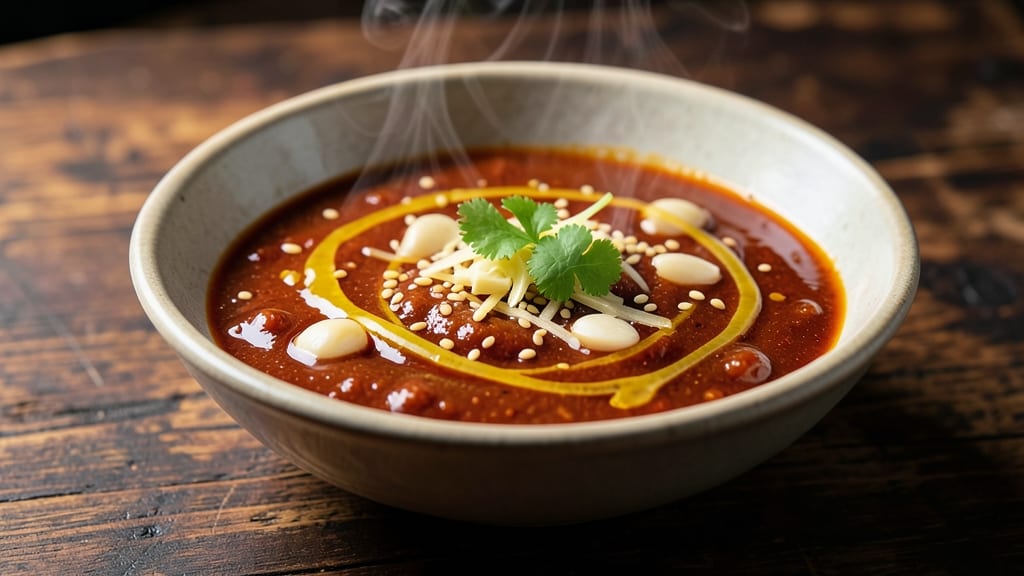
This Asian kick wing sauce recipe transforms ordinary wings into finger-licking, crispy masterpieces with a perfect balance of spicy-sweet heat. The secret lies in gochujang—a fermented chili paste that delivers deep umami and tang—paired with honey for that signature sticky-sweet glaze.
I developed this sauce after years of testing, ensuring it clings perfectly to crispy wings without overwhelming their texture.
The sauce builds flavor in layers: garlic and ginger provide aromatic depth, while soy sauce adds savory richness. A touch of rice vinegar brightens the mix, and optional chili flakes let you control the heat level.
What sets this apart is its versatility—it’s not just for wings. Drizzle it over fries, toss it with grilled meats, or use it as a marinade for tofu.
Once you taste the first bite—crispy skin giving way to tender meat coated in that addictive glaze—you’ll understand why this sauce is a game-changer.
The ingredients come together in 10 minutes, and the sauce keeps well in the fridge for up to 2 weeks, making it perfect for meal prep or entertaining.
For extra crispiness, bake your wings at 425°F until golden and glaze them while still hot. The sauce will caramelize slightly, creating a glossy finish that’s impossible to resist. Trust me, this isn’t just a wing sauce—it’s a flavor upgrade for any dish.
Ingredients for asian kick wing sauce
Nine bold ingredients that create the perfect balance of spicy-sweet heat for crispy wings.
| Ingredient | Amount | Notes |
|---|---|---|
| Gochujang Paste 🌶️ | ½ cup | Korean fermented chili paste |
| Honey 🍯 | ¼ cup | Light or dark amber |
| Light Soy Sauce 🥄 | ¼ cup | Kikkoman preferred |
| Rice Vinegar 🍶 | 2 tbsp | White or seasoned |
| Fresh Garlic Cloves 🧄 | 4 cloves | Minced for aromatic depth |
| Fresh Ginger Root 🌿 | 1 ½ tbsp | Finely grated, peeled |
| Sesame Oil 🫒 | 1 tbsp | Toasted sesame preferred |
| Red Chili Flakes 🔥 | 1 tbsp | Optional for extra heat |
| Water 💧 | ¼ cup | Adjust for desired consistency |
| Diamond Crystal Kosher Salt 🧂 | ½ tsp | For balancing flavors |
Gochujang is the soul of this sauce—look for it in the Asian aisle at stores like Trader Joe's or H Mart, where you’ll find high-quality, authentic brands. The honey should be amber for that caramelized depth, and Kikkoman soy sauce is my go-to for consistent flavor. Fresh garlic and ginger are non-negotiable here; organic ginger from the produce section stays fresher longer. Sesame oil adds that nutty richness, but if you’re sensitive to its flavor, neutral oil works in a pinch. For extra heat, red chili flakes let you dial it up or down to taste.
No gochujang? Substitute 1 tbsp sriracha plus 1 tbsp tomato paste—it won’t be identical, but it’ll get you close. Running low on honey? Maple syrup works 1:1, though it’ll add a slight earthiness. The rice vinegar can be swapped for apple cider vinegar, but it’ll lose that delicate brightness. If you’re making this ahead, store the sauce in a glass jar to preserve its vibrant color. And trust me, the salt is crucial—taste as you go and adjust before serving.
This sauce keeps beautifully in the fridge for up to 2 weeks, though it’s best used within 10 days for maximum flavor. For long-term storage, freeze in ice cube trays—thaw and whisk back to smooth consistency. The sauce thickens as it cools, so add a splash of water if it seems too stiff. Pro tip: Double the batch—it disappears fast, and leftovers make an amazing marinade for tofu or grilled shrimp.
Why You'll Love This Recipe
- Five-Ingredient Magic: I swear by this combo—gochujang’s deep umami, honey’s sticky sweetness, and that first minced garlic sizzle. It’s the kind of sauce where every spoonful feels like a hug after a long day.
- Pantry Staple Power: No last-minute grocery runs needed. You’re probably already staring at these ingredients in your fridge or cupboard. (Yes, even on a Tuesday night.)
- Dip or Drizzle: Slather it on wings, toss it with noodles, or use it to wake up a simple stir-fry. The balance of heat and sweetness makes it work everywhere—no rules, just flavor.
- Leftovers That Last: This sauce keeps for weeks in the fridge and only gets better with time. I’ve had a jar sit for a month, and it still brings the heat—proof it’s worth making extra.
Step-by-step instructions for Asian kick wing sauce
This spicy-sweet glaze delivers bold flavor that clings perfectly to crispy wings.
Bloom the Aromatics in Sesame Oil
Heat a small saucepan over medium-low heat and add the 1 tablespoon sesame oil. Once the oil shimmers, add the 4 cloves minced fresh garlic cloves and 1.5 tablespoons finely grated fresh ginger root. Cook for 1-2 minutes until fragrant but not browned—this prevents bitterness and builds the aromatic base.
Here's the thing—don't rush this step. You'll know it's ready when the garlic releases its sweet, pungent aroma and the ginger softens slightly. Remove from heat immediately after to preserve the delicate flavors. This aromatic foundation is what makes the sauce sing when paired with crispy wings.
Combine Wet Ingredients
In a medium bowl, whisk together the 0.5 cup gochujang paste, 0.25 cup honey, 0.25 cup light soy sauce, and 2 tablespoons rice vinegar. The mixture will be thick and vibrant—deep red with a glossy sheen. Add the 1 tablespoon red chili flakes and 0.5 teaspoon Diamond Crystal kosher salt, whisking until fully incorporated.
This is where the magic happens—the gochujang paste brings its signature umami heat, while the honey and soy sauce create that perfect balance of sweet and salty. The rice vinegar adds a bright acidity that cuts through the richness. If you're using the sauce for extra-spicy wings, you can add an additional ½ teaspoon of red chili flakes here, but start with the recipe as written.
Simmer and Thicken the Sauce
Return the saucepan with the bloomed aromatics to medium heat. Pour in the wet ingredient mixture and stir to combine. Add the 0.25 cup water and bring to a gentle simmer. Let it cook for 5-7 minutes, stirring occasionally, until the sauce thickens slightly and coats the back of a spoon.
You're looking for a consistency that's glossy but still pourable—not too thick that it becomes gloppy when tossed with wings. If it thickens too quickly, add 1-2 tablespoons of water to maintain the right balance. The sauce should be vibrant red with a smooth, velvety texture. Taste and adjust seasoning—you might need a touch more salt or honey depending on your preferences.
Cool and Rest for Maximum Flavor
Remove the sauce from heat and let it cool to room temperature. This resting period allows the flavors to meld and deepen, ensuring a more cohesive taste when you toss it with wings. I like to transfer it to a clean jar and let it sit for at least 30 minutes—or even overnight in the refrigerator if you're prepping ahead.
The sauce will thicken further as it cools, so if you're using it immediately, you can thin it slightly with a splash of water or rice vinegar. This step is crucial for achieving that restaurant-quality depth of flavor. When ready to use, give it a final stir and you'll have a glossy, sticky glaze that clings beautifully to crispy wings.
Pro Tips For Making Asian Kick Wing Sauce
- Mince That Garlic: DESCRIPTION: I learned this the hard way—whole garlic cloves in this sauce just sit there like stubborn guests. Use a knife instead of a press to mince the cloves into tiny, even pieces (think rice grains, not slivers). That way, every bite gets that deep, aromatic punch without any chewy surprises.
- Simmer, Don’t Boil: DESCRIPTION: This sauce isn’t a race. Once you combine everything, keep the heat at a gentle simmer—just enough to see tiny bubbles at the edges, not a full-on rolling boil. Boiling turns the gochujang bitter and the honey grainy. (Yes, even if you’re impatient like me.)
- Balance the Vinegar: DESCRIPTION: Rice vinegar cuts through the sweetness, but add it slowly. Start with half the amount listed, taste, then adjust. Too much and your sauce tastes sharp and unfinished; too little and the gochujang’s depth gets lost. (Pro tip: Warm the vinegar first—it blends smoother.)
- Stir Constantly: DESCRIPTION: Gochujang and honey don’t play nice if you walk away. Stir the sauce every 30 seconds while simmering to prevent the honey from sticking to the bottom and burning. It’s annoying, but skipping this step gives you a sauce with uneven texture and a weird, acrid aftertaste. (Your future self will thank you.)
Regional styles of these flavors
Korean-Inspired Gochujang Style
This version leans heavily on gochujang—the fermented chili paste that gives it that signature umami depth. I like to add 1 tablespoon of toasted sesame seeds at the end for extra texture, and a splash of sake (about 1 tablespoon) instead of water to enhance the savory notes.
The sauce becomes richer and more complex, perfect for Korean-style fried chicken or mandu (dumplings). 🌶️
Japanese-Inspired Yuzu Glaze
For a Japanese twist, swap the rice vinegar for 2 tablespoons yuzu juice (or sub with lemon juice + ½ teaspoon grated yuzu zest if unavailable). Reduce the honey to 2 tablespoons and add 1 teaspoon mirin to balance the acidity.
This version pairs beautifully with teriyaki-glazed wings or grilled skewers. The yuzu brightens the sauce while keeping the spicy-sweet profile intact.
Thai-Inspired Chili-Lime Kick
Transform this sauce into a Thai-inspired glaze by replacing the gochujang with 2 tablespoons red curry paste and adding 1 tablespoon lime juice plus 1 teaspoon fish sauce. Increase the honey to 3 tablespoons for a sweeter contrast.
This version works amazingly with Thai-style satay wings or grilled shrimp. The lime juice adds a zesty tang that cuts through the richness, while the fish sauce deepens the umami. 🍋
Vietnamese-Inspired Nuoc Cham Fusion
For a Vietnamese-inspired take, replace the soy sauce with 2 tablespoons fish sauce and add 1 tablespoon lime zest plus 1 teaspoon sugar. Use 1 tablespoon of rice vinegar and reduce the honey to 1 tablespoon.
This version is perfect for spring rolls or grilled pork. The fish sauce and lime zest create a bright, tangy profile that’s addictive when drizzled over crispy wings.
Spicy-Sweet Fusion for Tacos
Thin the sauce with 2 tablespoons of water and add 1 teaspoon of smoked paprika for a smoky depth. This version is ideal for taco night—toss it with crispy chicken tacos or use it as a dipping sauce for nachos.
The smoked paprika adds a subtle complexity that elevates the dish from ordinary to extraordinary. 🌯
Sweet Heat for Grilled Meats
Double the honey to ½ cup and reduce the gochujang to ¼ cup for a sweeter, less spicy glaze. Add 1 teaspoon of grated orange zest and 1 tablespoon of orange juice to brighten the flavor.
This version is perfect for grilled pork chops or beef skewers, offering a sticky, caramelized finish that’s irresistible. The orange zest adds a citrusy freshness that balances the sweetness beautifully.
Nutrition facts
Frequently asked questions
Can I make this sauce without gochujang?
Yes! For a substitute, mix 1 tbsp sriracha with 1 tbsp tomato paste—it won't be identical but captures the spicy-sweet essence. For extra depth, add ½ tsp smoked paprika to mimic gochujang's umami. Adjust honey to 3 tbsp if using this swap to maintain balance.
How spicy is this sauce, and can I adjust the heat?
The recipe includes 1 tbsp chili flakes for mild heat, but you can control intensity by adding ½ tsp more for extra kick or omitting them entirely. For a smoky twist, swap chili flakes with ½ tsp cayenne or 1 tsp gochugaru (Korean chili flakes) for authentic heat.
What's the best way to store leftover sauce?
Transfer to an airtight glass jar and refrigerate for up to 2 weeks. For longer storage, freeze in ice cube trays—thaw and whisk with water to restore consistency. The sauce thickens when cold, so add 1 tsp water per 2 tbsp before using.
Can I use this sauce on foods other than wings?
It's perfect for fries, grilled meats, or even as a marinade for tofu. For tacos, thin with 2 tbsp water and add 1 tsp smoked paprika. The sauce also works as a dipping sauce for spring rolls or dumplings.
Why did my sauce turn out too thick?
Sauces thicken as they cool, but if it's too stiff, thin with 1 tsp water or rice vinegar at a time. For prevention, simmer for 5 minutes max and add 1-2 tbsp water during cooking if needed. If using store-bought gochujang (thicker than homemade), add 1 extra tbsp water to the recipe.