
Sauces & Condiments
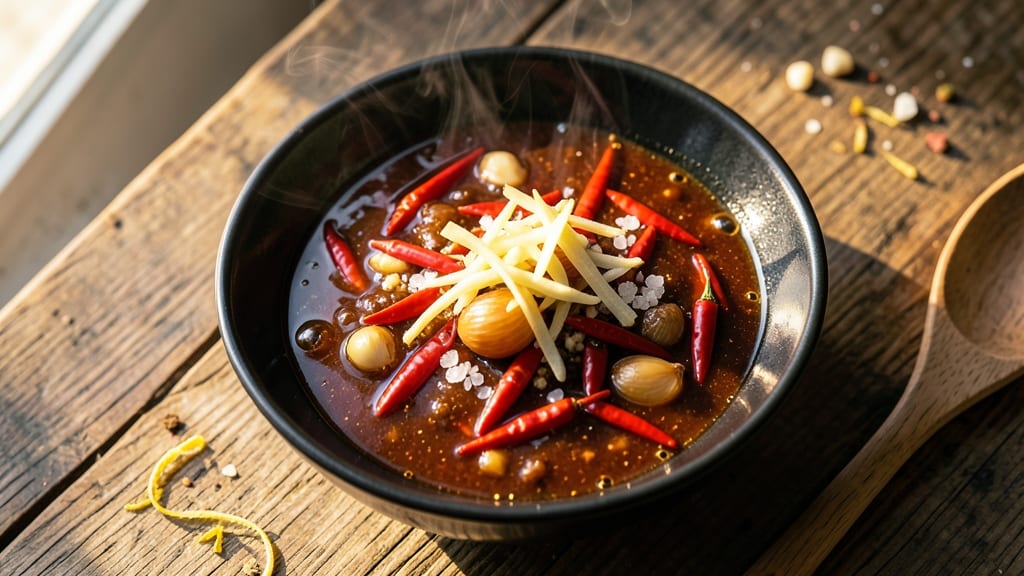
This Asian hot pepper sauce recipe delivers the perfect balance of fiery heat and bright, tangy freshness without any unwanted clinginess. The secret lies in a precise blend of chili peppers, aromatic shallots, and a touch of sugar to mellow the intensity while keeping the sauce vibrant.
I developed this recipe after testing countless versions that either lost their heat or became too thick—this one stays smooth, liquid, and packed with flavor every time.
The foundation starts with fresh bird’s eye chilies (or Thai chilies), which provide that signature Asian heat without overpowering. We’ll simmer them with garlic, ginger, and shallots in a light vinegar base, then strain for a silky texture.
A small amount of sugar balances the acidity, while a splash of fish sauce adds umami depth. The result? A sauce that’s versatile enough for dipping, marinating, or drizzling but never sticky or cloying.
What sets this sauce apart is its long shelf life—properly stored in a sterilized jar, it keeps in the fridge for up to 3 months, with flavors intensifying over time.
The heat remains consistent, and the bright, tangy notes make it ideal for noodle bowls, grilled meats, or as a zesty dipping sauce for spring rolls. Unlike many store-bought versions, this one delivers authentic, restaurant-quality heat without artificial additives.
Ready to elevate your dishes? This sauce is your new kitchen essential—quick to make, easy to store, and impossible to resist. Let’s get started on creating your own batch that’ll keep you reaching for the bottle long after the jar is empty.
Ingredients for asian hot pepper sauce
Eight simple ingredients for a sauce that’s fiery, fresh, and never sticky.
| Ingredient | Amount | Notes |
|---|---|---|
| Bird’s Eye Chilies 🌶️ | ½ cup | Fresh, stems removed |
| Shallots 🧅 | ¼ cup | Thinly sliced, about 4 whole |
| Garlic Cloves 🧄 | 6 cloves | Minced, about 1 tbsp |
| Fresh Ginger 🌿 | 1 tbsp | Grated, about 1-inch piece |
| White Vinegar 💧 | ½ cup | Distilled or apple cider |
| Granulated Sugar 🍚 | 1 tbsp | White or brown |
| Fish Sauce 🍜 | 1 tbsp | Red Boat preferred |
| Olive Oil 🫒 | 2 tbsp | Extra-virgin for richness |
| Salt 🧂 | ½ tsp | Kosher or sea salt |
Bird’s eye chilies are the heart of this sauce—fresh is non-negotiable. Grab a handful from the Asian market if you can; they’ve got the best selection and freshest stock. If you’re using dried chilies, soak them first. The shallots should be firm, not sprouting. Red Boat fish sauce is my go-to, but any quality brand works. For the vinegar, distilled or apple cider keeps things bright without overpowering. Sugar balances the heat, but don’t skip it—it’s what keeps this sauce from tasting harsh.
No bird’s eye chilies? Thai chilies or serrano peppers work in a pinch, but they’re milder. Short on shallots? Extra garlic and onion powder can bridge the gap. Fish sauce missing? Soy sauce at half the amount adds umami, though it’s not identical. The olive oil is worth splurging on—extra-virgin adds a fruity note that cheap oil can’t match. If your vinegar smells funky, toss it; it should be clean and sharp. The sugar can be swapped for honey or maple syrup, but white sugar keeps things neutral.
This sauce keeps like a dream. Pour it into a sterilized jar and store it in the fridge—3 months with flavors actually improving over time. The heat stays consistent, and the tangy brightness makes it perfect for drizzling. Freeze portions in ice cube trays if you want to use it in small batches. I always make a double batch—one for the fridge, one to gift. It’s the kind of sauce that disappears fast once people try it.
Why You'll Love This Recipe
- Pantry Magic: I swear by this recipe—no fancy tools, just a knife and a bowl. The shallots and ginger practically chop themselves once you get the rhythm down, and those Bird’s Eye chilies? They’re tiny but pack a punch with almost no effort.
- Heat That Stays: That first taste of vinegar cutting through the ginger’s bite, then the garlic blooming under the chilies—it’s like a flavor explosion that lingers. Honestly, I’ve made hot sauces before, but this one actually builds heat instead of fading fast.
- Every Meal Upgraded: Slather it on dumplings, drizzle over noodles, or toss into a stir-fry—it’s my go-to for lazy weeknights. Even my picky teen grabs the bottle when I’m too tired to cook anything else. (Yes, even on a Tuesday night.)
- Lasts Like Crazy: A single batch keeps in the fridge for weeks, and the vinegar actually helps it taste fresher over time. Between us, I’ve stretched one jar for months by diluting it with water for marinades. Budget-friendly? More like budget savior.
Step-by-step instructions for Asian hot pepper sauce
Here's how to make a vibrant, fiery sauce that clings perfectly to every dish.
Prepare the Chili Base
Start by removing stems from the 0.5 cup Bird’s Eye Chilies—this prevents bitterness. I like to use a small knife to make a tiny slit at the base of each chili before removing the stem, which helps release more of their fiery oils. Place the chilies in a clean, dry bowl and set aside.
In a separate small bowl, combine the 0.25 cup Shallots and 6 cloves Garlic Cloves. I use a sharp knife to mince the garlic into a fine paste—this ensures even distribution of flavor. Add the 1 tbsp Fresh Ginger and 0.5 tsp Salt, then mix everything together. The salt helps draw out moisture from the shallots and garlic, which will enhance their flavor during cooking.
Sauté the Aromatics
Heat the 2 tbsp Olive Oil in a small saucepan over medium heat. Once the oil shimmers but doesn't smoke, add the shallot-garlic-ginger mixture. Cook for 3-4 minutes, stirring frequently, until the shallots turn translucent and the garlic begins to turn golden. You'll smell that irresistible aromatic punch—this is when the magic starts.
I press down gently on the mixture with a wooden spoon during the first minute—this prevents it from sticking and ensures even cooking. If the mixture starts to brown too quickly, reduce the heat slightly. You want the aromatics to soften without burning, which would make the sauce bitter.
Add Vinegar and Sugar
Pour in the 0.5 cup White Vinegar and 1 tbsp Granulated Sugar, stirring constantly. The vinegar will react immediately with the aromatics, creating a bright, tangy aroma. Let the mixture simmer for 2-3 minutes until it thickens slightly and the vinegar smell becomes more mellow. You're looking for a consistency where the sauce coats the back of a spoon.
Here's the thing—adding the sugar at this stage balances the heat from the chilies and the acidity from the vinegar. It also helps caramelize the aromatics just a bit, adding depth to the sauce. If you notice the sugar isn't dissolving completely, give it a quick stir with a fork to break up any lumps.
Incorporate the Chilies and Fish Sauce
Add the prepared Bird’s Eye Chilies to the saucepan and stir gently to distribute them evenly. Simmer for another 3-4 minutes until the chilies soften slightly but still retain their shape. You want them to release their heat and oils without turning mushy—this ensures your sauce stays vibrant and not pasty.
Remove the pan from heat and let it cool for 1-2 minutes. Then stir in the 1 tbsp Fish Sauce. The fish sauce adds that umami depth that makes this sauce truly sing. Taste the mixture now—you should feel the balance between heat, tang, and savory notes. If it needs more heat, add a pinch of extra salt or a dash of vinegar to adjust the balance.
Blend and Strain for Smooth Perfection
Transfer the sauce to a blender or food processor. Blend until completely smooth, scraping down the sides as needed. The texture should be silky with no visible chunks. If you prefer a slightly textured sauce, blend for just 10-15 seconds instead of until fully smooth.
For a completely cling-free sauce, strain it through a fine-mesh sieve into a clean jar. This removes any remaining chili seeds or skin that could make the sauce too thick or gritty. The result should be a glossy, vibrant red sauce that's ready to elevate any dish. Store it in the refrigerator for up to 2 weeks or freeze for longer storage.
Pro Tips For Making Asian Hot Pepper Sauce
- CHAR THE GINGER FIRST: I learned this the hard way—peeling ginger right before tossing it in the pan means it burns before it releases its flavor. Peel and finely mince it (or use a microplane) while your pan heats up, so it softens and infuses the oil in seconds. The difference in aroma? Night and day.
- USE COLD VINEGAR: Dump warm or hot vinegar into your sauce, and you’ll end up with a cloudy, separated mess. Keep your white vinegar in the fridge until the very last step, then pour it in slowly while stirring like you’re stirring a pot of soup. The sauce will clear up instantly and taste sharper.
- STOP WHEN SHALLOTS ARE SOFT: Overcooked shallots turn bitter and mushy—no one wants that in their hot sauce. Cook them until they’re just translucent and slightly caramelized (about 3-4 minutes on medium heat), then pull them out. They’ll keep their sweetness and brighten the whole sauce.
- SALT THE VINEGAR: Plain white vinegar tastes harsh in hot sauce. Mix ½ teaspoon of salt into your vinegar before adding it to the sauce—it rounds out the acidity and makes the heat more balanced. (Yes, even if your recipe doesn’t call for it.)
Dietary considerations for this asian hot pepper sauce
Gluten-Free Friendly
This sauce is naturally gluten-free since it only contains vinegar, sugar, and fish sauce—no wheat or soy-based thickeners. I always double-check labels on fish sauce (like Red Boat) to ensure it’s certified gluten-free.
The recipe avoids common gluten triggers, making it safe for those with celiac disease or gluten sensitivity. 🌱
Low-Sodium Adaptations
If you're watching your sodium intake, reduce the 0.5 tsp salt to just ¼ tsp or omit it entirely. The fish sauce already provides enough umami depth, so you won’t miss the salt.
For extra flavor without sodium, add ½ tsp fish sauce instead. Always taste as you go—this sauce is forgiving with adjustments!
Vegan Substitutions
To make this sauce vegan, simply swap the 1 tbsp fish sauce for 1 tbsp coconut aminos or ½ tbsp soy sauce. The coconut aminos add a similar umami note without animal products. Keep the rest of the recipe exactly the same—it’ll still deliver that signature fiery brightness. 🌿
Spice Level Control
Adjust the heat to your preference by changing the chili quantity. For mild heat, reduce to 0.25 cup chilies or remove seeds before blending. For extra spice, add 1 extra chili or a pinch of cayenne pepper.
I like to keep a small jar of the sauce on hand with varying heat levels—it’s great for experimenting!
Allergen Awareness
This recipe contains fish sauce, which is a common allergen. If allergies are a concern, use vegan fish sauce substitutes like coconut aminos. Always check ingredient labels for hidden allergens, especially in store-bought vinegars or fish sauces. When in doubt, opt for brands with clear allergen-free certifications. 🚨
Storage Flexibility
For longer shelf life, store the sauce in a sterilized glass jar in the fridge for up to 3 months. Freeze portions in ice cube trays for single-use servings—thaw overnight in the fridge.
The heat remains consistent even after freezing, so you won’t lose any of that fiery freshness. Perfect for meal prep! ❄️
Nutrition facts
Frequently asked questions
Can I substitute dried chilies instead of fresh?
Yes, but you'll need to soak them first! Use 1 tablespoon dried chilies (like Thai or bird’s eye) per 0.25 cup fresh. Soak them in warm water for 15-20 minutes to soften before blending. Dried chilies pack more concentrated heat, so you may want to reduce the quantity by half to match fresh heat levels.
Why does my sauce turn cloudy or separate after storing?
This usually happens from oil separation or improper storage. To fix it, gently stir the jar and let it sit at room temperature for 10 minutes before using. For prevention, store in a sterilized glass jar and press plastic wrap directly on the sauce surface to minimize air exposure. The vinegar and oil need time to re-emulsify naturally.
What's the best way to use this sauce if I don't like spicy food?
Start with just 1 teaspoon per dish and build up your tolerance! For milder versions, strain out the chili seeds before blending or reduce fresh chilies to 0.25 cup. The sauce also works beautifully as a flavor base—simmer it with proteins or vegetables first to mellow the heat before serving.
Can I make this sauce without fish sauce?
For umami depth, try 1 tbsp soy sauce or 1 tbsp coconut aminos (vegan option). If you prefer no soy, add ½ tsp mushroom powder or an extra ¼ cup vinegar for tang. The sauce will still be vibrant—just slightly different in flavor profile.
How do I adjust the thickness of the finished sauce?
For a thinner sauce, add 1-2 tbsp water while blending. For thicker consistency, simmer the blended sauce uncovered for 5-10 minutes to reduce. Remember: this recipe is designed to stay light and cling-free, so avoid over-thickening which can make it sticky.