
Sauces & Condiments
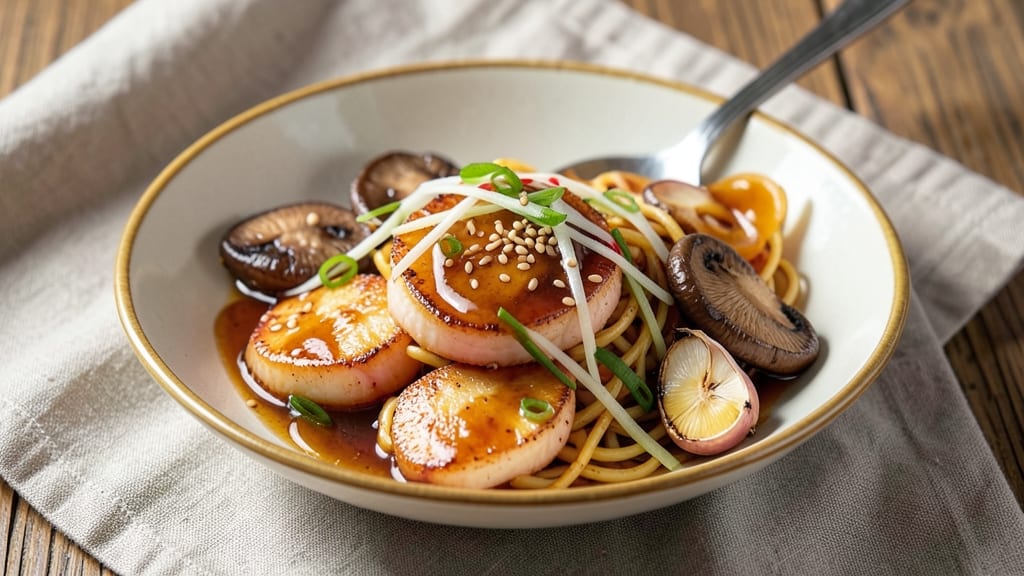
This Asian honey sauce recipe transforms ordinary stir-fries into restaurant-worthy masterpieces with just a few simple ingredients and 15 minutes of simmering. The balance of sweet, tangy, and umami creates a glossy drizzle that clings perfectly to noodles, meats, or vegetables—no fancy techniques required.
I developed this version after testing countless variations, and it never fails to elevate whatever it touches.
The secret lies in reducing the sauce until it thickens just enough to coat without overwhelming the dish. Honey provides the sweetness, while soy sauce and rice vinegar add depth and acidity. Fresh garlic and ginger infuse the sauce with aromatic warmth, ensuring every drizzle delivers bold flavor.
This sauce is equally at home as a stir-fry glaze, dipping sauce, or even a marinade for grilled proteins.
What makes this recipe truly special is its versatility—it pairs beautifully with everything from crispy tofu and grilled chicken to fresh spring rolls. The sauce keeps well in the refrigerator for up to two weeks, making it a perfect pantry staple for quick weeknight meals.
Once you try it, you’ll never go back to store-bought versions.
Ready to create a sauce that’s simple yet sophisticated? Let’s get started—your taste buds (and leftovers) will thank you.
Ingredients for asian honey sauce
Nine simple ingredients blend into a sauce that transforms stir-fries into restaurant-quality dishes.
| Ingredient | Amount | Notes |
|---|---|---|
| Raw Honey 🍯 | ½ cup | Light amber for delicate sweetness |
| Low-Sodium Soy Sauce 🍶 | ⅓ cup | Kikkoman preferred for balance |
| Rice Vinegar 🍶 | ¼ cup | Seasoned variety for extra depth |
| Fresh Garlic Cloves 🧄 | 4 cloves | Minced for aromatic punch |
| Fresh Ginger Root 🌿 | 1 ½ tbsp | Grated, not powdered |
| Sesame Oil 🫒 | 1 ½ tbsp | Toasted sesame oil for nutty aroma |
| Extra-Virgin Olive Oil 🫒 | 1 tbsp | Light olive oil for neutral base |
| Diamond Crystal Kosher Salt 🧂 | ½ tsp | For seasoning, not curing |
| Black Peppercorns 🌶️ | ¼ tsp | Freshly cracked for brightness |
The honey is the heart of this sauce—light amber gives the perfect balance of sweetness without overpowering. Kikkoman soy sauce is my go-to for its clean flavor, but any low-sodium brand works. Fresh ginger and garlic are non-negotiable here; the grated ginger should be vibrant (no graying) and the garlic should smell pungent. Trader Joe's often has pre-minced garlic in a jar, which saves time, but fresh is always better. Toasted sesame oil adds that signature nutty aroma—don’t skip it, even if you’re short on time. Grab the small bottle from the Asian aisle; it’s worth the extra few bucks for the flavor.
No sesame oil? Toasted peanut oil works in a pinch, though the flavor will be subtly different. Short on rice vinegar? Apple cider vinegar or mirin both work, but adjust to taste—mirin adds sweetness, so you might need less honey. The honey can be swapped for maple syrup if you’re avoiding it, but the sauce will have a slightly earthier taste. Fresh ginger powder is a disaster here—it lacks the zing of fresh. If you must use powder, reduce the amount by half and add a pinch of extra salt. The olive oil is just a neutral base; any light oil will do, but extra-virgin adds unwanted bitterness.
This sauce thickens as it cools, so don’t worry if it looks too thin right after simmering. Store it in a glass jar in the fridge for up to two weeks—the flavors actually deepen over time. I like to keep a small jar in the pantry for quick drizzling, but it’ll only last about one week at room temperature. If you make extra, freeze it in ice cube trays for perfect single-use portions. The sauce reheats beautifully—just warm it gently on the stove or microwave for 20 seconds. It’s magic on everything from crispy tofu to grilled chicken, so make a big batch.
Why You'll Love This Recipe
- Five-Ingredient Magic: I swear, this sauce is the kind of recipe that makes me feel like a genius—just honey, soy sauce, vinegar, garlic, and ginger. No fancy techniques, no hidden pantry items, just pure flavor with minimal effort.
- Sweet-Savory Balance: That first taste? Chef’s kiss. The honey’s richness plays off the tangy vinegar and umami soy, while the garlic and ginger add warmth—like a hug for your taste buds. It’s the kind of sauce that makes you lick the bowl.
- Glaze Everything: Between us, I’ve drizzled this on grilled chicken, stir-fried veggies, even scrambled eggs. It’s my go-to for quick weeknight meals or impressing guests—no one ever guesses how effortless it is.
- Makes Leftovers Worth It: The jarred sauce keeps for weeks in the fridge, so I batch it when I’m prepping meals. A little goes a long way, and the flavors only deepen over time—perfect for when you’re too tired to cook but still want something delicious.
Step-by-step instructions for Asian honey sauce
This sauce comes together quickly with just a few simple techniques—perfect for elevating any dish.
Bloom the Aromatics in Olive Oil
Heat a small saucepan over medium-low heat and add the 1 tablespoon extra-virgin olive oil. Once the oil is shimmering but not smoking, add the 4 cloves minced fresh garlic cloves and 1.5 tablespoons grated fresh ginger root. Cook for 2-3 minutes until the garlic turns golden and fragrant—this prevents a raw garlic taste in the final sauce.
Here's where it gets important: don't let the garlic brown too darkly or it'll turn bitter. You want that sweet, aromatic punch without any harshness. Stir frequently to distribute the heat evenly and prevent sticking.
Combine Wet Ingredients and Simmer
Pour in the 0.5 cup raw honey, 0.33 cup low-sodium soy sauce, and 0.25 cup rice vinegar all at once. Stir well to incorporate and bring the mixture to a gentle simmer over medium heat. Let it bubble away for 5-6 minutes until it reduces by about a third—you'll notice the sauce thickens slightly and becomes more concentrated.
This reduction step is crucial for developing depth of flavor. You're evaporating some of the liquid to intensify the sweet-savory balance. If you see the sauce getting too thick too quickly, add 1 tablespoon water to keep it moving smoothly.
Finish with Seasoning and Sesame Oil
Remove the pan from heat and let it cool slightly for 1 minute. Then stir in the 1.5 tablespoons sesame oil, 0.5 teaspoon diamond crystal kosher salt, and 0.25 teaspoon freshly cracked black peppercorns. The sesame oil adds that signature nutty aroma, while the salt and pepper balance the sweetness perfectly.
I like to give it one final taste at this stage to adjust seasoning. If it needs more acidity, a splash of rice vinegar helps. If it needs more sweetness, a touch of honey works wonders. The sauce should be glossy, thick enough to coat the back of a spoon, but still pourable.
Strain and Store for Maximum Flavor
For the smoothest texture, strain the sauce through a fine-mesh sieve into a clean bowl or jar. This removes any garlic or ginger bits that might make the sauce grainy. The strained sauce will have a beautiful amber color and that perfect balance of sweet, tangy, and umami flavors.
Let it cool completely before storing in an airtight container in the refrigerator, where it'll keep for up to 2 weeks. The flavors actually improve as it sits—this sauce tastes even better the next day as the ingredients meld together. Use it as a drizzle for stir-fries, a glaze for grilled meats, or a dip for spring rolls.
Pro Tips For Making Asian Honey Sauce
- Simmer Low and Slow: I used to blast this sauce on high heat to speed things up—big mistake. Honey burns fast, and you’ll end up with bitter, charred bits instead of that glossy, balanced sweet-savory finish. Keep it at a gentle simmer (tiny bubbles, not rolling) and stir every 30 seconds. Yes, it’ll take 10-15 minutes instead of 5, but the flavor will be smooth and layers will develop properly.
- Grate Ginger, Don’t Mince: Fresh ginger loses its punch when you chop it finely—it just turns to mush in the sauce. Use a microplane or the large holes of a box grater to get long, thin shreds. This keeps the texture intact and releases the flavor more evenly. No microplane? A spoon works in a pinch, but don’t overdo it—you want visible strands, not paste.
- Balance the Honey First: Tossing in all the honey at once can make the sauce cloyingly sweet before the acid and salt kick in. Start with half the honey, simmer for 2 minutes, then taste. Add the rest gradually while stirring—this lets the soy and vinegar catch up. I’ve learned this the hard way: once it’s too sweet, no amount of vinegar fixes it.
- Toast Garlic Before Adding: Raw garlic in this sauce can taste sharp and raw, even after simmering. Lightly toast 2-3 minced cloves in a dry pan until fragrant (golden, not brown) before adding them to the sauce. The nutty depth blends better with the honey and soy. Pro move: Smash the cloves with the side of your knife first—they’ll brown faster and release more flavor.
Creative variations of this asian honey sauce
Savory-Sweet Glazes
This sauce transforms into a sticky, caramelized glaze when reduced longer—perfect for grilled meats or roasted vegetables. After simmering the base, pour it into a small saucepan and reduce over medium-high heat for 8-10 minutes, stirring constantly, until it reaches a thick, syrupy consistency.
Brush it onto pork chops or shrimp skewers in the last 5 minutes of cooking for a glossy finish. 🔥
Spicy Kick Variations
For heat lovers, add 1-2 teaspoons of sriracha or ½ teaspoon of chili flakes to the simmering sauce. For smoky depth, stir in ½ teaspoon of smoked paprika or a dash of gochujang paste (about 1 teaspoon).
I like to balance the heat with an extra ½ teaspoon of honey to keep the sweetness intact.
Umami Boost Options
Swap out ½ cup of the soy sauce for ½ cup of coconut aminos or 1 tablespoon of fish sauce (like Red Boat) for a deeper, more complex umami flavor.
For a vegetarian version, add 1 teaspoon of mushroom powder or 1 tablespoon of soy-free tamari instead of soy sauce. These tweaks work especially well with tofu or vegetable stir-fries.
Herb-Infused Twists
Add 1 tablespoon of chopped fresh cilantro or thai basil at the end for a bright, aromatic finish. For a citrusy twist, zest 1 teaspoon of lime or lemon peel into the simmering sauce.
I often use this variation for spring rolls or rice paper wraps, where the fresh herbs add a vibrant contrast to the rich sauce.
Thicker or Thinner?
Need a thicker sauce for drizzling? Simmer it uncovered for an extra 3-5 minutes to evaporate more liquid. For a thinner, more pourable sauce, stir in 1-2 tablespoons of water or broth while still warm.
This adjustment works perfectly for dipping sauces or marinades, where a lighter consistency is ideal. ✨
Sweet Heat Balance
Adjust the sweet-to-savory ratio by swapping honey for agave nectar (1:1 ratio) or maple syrup (use ⅓ less due to its thicker consistency). For a tangier sauce, increase the rice vinegar by 1 tablespoon. I find this variation pairs beautifully with grilled chicken or crispy cauliflower.
Nutrition facts
Frequently asked questions
Can I make this sauce without honey?
Swap the honey for ½ cup maple syrup or agave nectar (use ⅓ less since it's thicker). For a deeper caramel flavor, try ½ cup brown sugar dissolved in the vinegar first. The sauce will still have that signature sweet-savory balance, just with a slightly different texture.
How do I prevent the sauce from crystallizing when it cools?
Crystallization happens when honey cools too quickly. To avoid it, let the sauce cool at room temperature for 10-15 minutes before refrigerating. Stir occasionally to keep it smooth. If crystals form, gently reheat the sauce over low heat while stirring until fully melted. Store it in a glass jar for best results.
What's the best way to use this sauce on noodles?
For maximum flavor, toss cooked noodles with 1-2 tablespoons of sauce per serving and a splash of hot water to help it cling. The sauce works best with udon, soba, or ramen—its sticky texture coats the noodles perfectly. For extra richness, drizzle with a little toasted sesame oil after mixing.
Can I make this sauce vegan?
Yes! Simply replace the honey with maple syrup or agave and use soy-free tamari instead of soy sauce. For extra umami, add 1 teaspoon mushroom powder or 1 tablespoon nutritional yeast. The sauce keeps all its vibrant flavors while becoming completely plant-based.
Why did my sauce turn cloudy?
Cloudiness usually means the sauce separated due to rapid cooling or too much reduction. Stir in 1 teaspoon of cornstarch mixed with 1 tablespoon water and simmer for 1-2 minutes to restore clarity. For prevention, always cool the sauce gradually and avoid boiling it too vigorously. The perfect consistency should be glossy and smooth.