
Sauces & Condiments
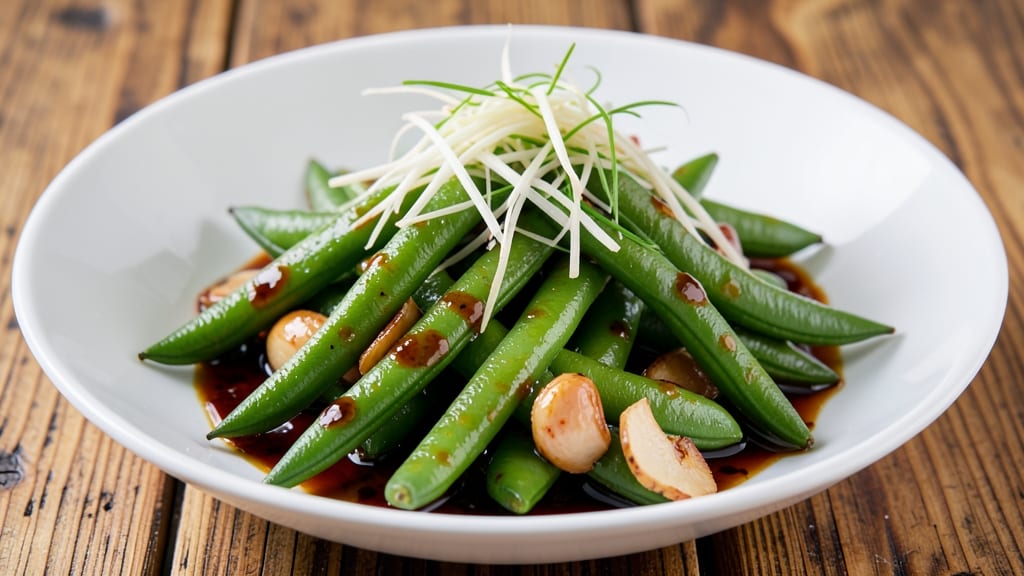
This Asian green bean recipe with oyster sauce delivers the perfect balance of crisp-tender texture and savory umami depth that makes every bite irresistible. 💛 After perfecting this technique in my kitchen—and testing it on David's famously critical palate—I've developed a method that captures that elusive wok hei flavor at home, even without a traditional wok.
The secret lies in high heat, proper aromatics, and a careful balance of oyster sauce with just the right amount of sweetness to complement the green beans' natural freshness.
The recipe begins with blanching the green beans to preserve their vibrant color and crisp texture before stir-frying, a technique I learned from my grandmother's old cookbooks.
We'll build flavor layer by layer—starting with garlic and ginger that bloom in the hot oil, then adding scallions for brightness and oyster sauce for that signature umami richness.
The key is working quickly over high heat to maintain the beans' crunch while allowing the sauce to coat them evenly, creating that perfect restaurant-quality finish.
What you'll end up with is a dish that's restaurant-quality but simple enough for any weeknight dinner. The green beans retain their bright green color and satisfying crunch, while the oyster sauce creates a glossy, flavorful coating that ties everything together.
This recipe serves four and comes together in just 20 minutes, making it perfect for busy evenings when you still want a meal that feels special.
Serve these green beans as a side dish alongside steamed rice and grilled meats, or transform them into a complete meal by adding shrimp or chicken. The flavor develops even better when reheated, so they're perfect for meal prep or taking to potlucks.
Let's get cooking—this is one recipe that will become a staple in your kitchen.
Ingredients for asian green bean recipe oyster sauce
Crisp green beans, bold aromatics, and umami-packed oyster sauce—this dish is pure restaurant magic.
| Ingredient | Amount | Notes |
|---|---|---|
| Fresh Green Beans 🥦 | 1 ½ lb | Trimmed, ends snapped off |
| Oyster Sauce 🍜 | 3 tbsp | High-quality, thick consistency |
| Garlic Cloves 🧄 | 4 cloves | Minced, fresh preferred |
| Fresh Ginger 🌿 | 1 ½ tbsp | Grated, finely minced |
| Scallions 🧅 | 3 whole | Thinly sliced, green parts included |
| Sesame Oil 🫒 | 1 tbsp | Toasted, for aroma |
| Vegetable Oil 🫒 | 2 tbsp | High smoke point preferred |
| Soy Sauce 🍜 | 1 ½ tbsp | Light or dark, to taste |
| Brown Sugar 🍯 | 1 ½ tbsp | Packed, for balance |
| Lime Juice 🍋 | 1 tbsp | Freshly squeezed |
| Salt 🧂 | ½ tsp | Kosher or sea salt |
| Black Pepper 🌶️ | ¼ tsp | Freshly ground |
| Shrimp (Optional) 🦐 | ½ lb | Peeled, deveined, chopped |
The green beans are the star, so pick fresh, vibrant ones—avoid those with limp ends or yellowing spots. Asian markets usually have the best selection, but any grocery store's produce section works. Trim the ends right before cooking to keep them crisp. For the oyster sauce, Lee Kum Kee is my go-to—it's thick, rich, and packed with umami. If you're using shrimp, grab wild-caught, headless tail-on for extra flavor. The garlic and ginger? Freshly minced makes all the difference—pre-minced jars just don't cut it here.
No oyster sauce? Soy sauce plus a splash of fish sauce gets you close, though nothing beats the real thing. Short on scallions? Green onions work too, but the milder flavor means you'll need a bit more. The sesame oil is all about aroma—don't cook with it, just toss it in at the end for that nutty punch. For the brown sugar, pack it tightly—it dissolves fast. And if you're skipping shrimp, chopped chicken or tofu works beautifully too. Just make sure to cook any add-ins separately before tossing with the beans.
Blanched beans keep their vibrant color for 2 days in the fridge—perfect for meal prep. Store them in an airtight container with a paper towel to absorb moisture. The sauce? It reheats like a dream—just toss with a splash of water and heat through. For leftovers, I like to serve them cold over rice bowls the next day. Freeze for up to 3 months if you're prepping ahead, but thaw gently in the fridge.
Why You'll Love This Recipe
- One-Pan Magic: I swear by this recipe when I’m too tired to wash dishes—just toss the beans, garlic, and ginger in one skillet, let the oyster sauce do its work, and boom. No pots, no pans, no stress. The green beans blister just enough to stay crisp while soaking up that salty-sweet sauce.
- Umami Bomb: That oyster sauce is where the magic happens—deep, briny, slightly sweet—paired with fresh ginger and garlic that sizzle until they’re fragrant but not burnt. It’s the kind of flavor that lingers, making you reach for seconds without even thinking.
- Weeknight Hero: Between us, this is my go-to when I’m prepping for the week. Double the batch, store it in the fridge, and reheat it for lunches or toss it into stir-fries later. The scallions add a bright finish every time, so it never feels boring.
- Budget Stretch: Honestly, this recipe is my secret weapon for making a small bag of green beans feel like a feast. Oyster sauce is cheap, ginger lasts forever, and garlic? You’ll always have extra. It’s the kind of dish that makes you feel fancy without breaking the bank.
Step-by-step instructions for wok-fried green beans with oyster sauce
Here's how to create restaurant-worthy wok-fried green beans with that perfect crunch and umami-packed sauce.
🔥 Step 1: Blanch the Green Beans for Crisp-Tender Perfection
Fill a large pot with water and bring to a rolling boil. Add the 1.5 lb fresh green beans and cook for 2-3 minutes until they're bright green but still slightly crisp. You want them tender but not mushy—think "crunchy" when you bite into them. Drain immediately and plunge into ice water for 1 minute to stop the cooking process. This blanching step is crucial—it removes the raw taste while preserving that signature crunch.
Drain the beans again and pat them completely dry with paper towels. I like to spread them on a clean kitchen towel and gently press them to remove every last drop of moisture. Any moisture left on the beans will steam them instead of crisp them up in the wok. Let them sit uncovered for 5 minutes while you prep the other ingredients—this final drying step makes all the difference for that perfect wok-fried texture.
🍳 Step 2: Build the Flavor Base with Aromatics and Shrimp
Heat a wok or large skillet over high heat until it's smoking hot. Add the 2 tbsp vegetable oil and swirl to coat. If using the 0.5 lb shrimp, add them first and cook for 1-2 minutes until they turn pink and opaque. Remove the shrimp and set aside—we'll add them back later.
Now add the 4 cloves minced garlic and 1.5 tbsp finely minced fresh ginger. Cook for 30 seconds until fragrant—you should smell that pungent, fresh aroma. Be careful not to let them burn, as garlic turns bitter quickly. Here's the thing—don't walk away. Garlic burns in seconds, and once it's burnt, you can't fix it. The wok should be sizzling hot, and the aromatics should dance in the oil.
🍳 Step 3: Stir-Fry the Green Beans Until Crispy
Add the dried green beans to the wok in a single layer. Stir-fry for 3-4 minutes over high heat, working quickly to coat each bean with the aromatic oil. You want them to develop a beautiful golden-brown color—this is where that crispy texture comes from. Don't overcrowd the wok; cook in batches if needed. The beans should be hot and sizzling by now, with that perfect crunch developing.
Push the beans to one side of the wok and add the reserved shrimp back in. Toss everything together for 30 seconds to reheat the shrimp. Now add the 3 whole thinly sliced scallions and toss everything for another 30 seconds. The scallions should soften slightly but still retain their bright green color. This quick stir-fry ensures the shrimp stays tender while the beans maintain their crisp texture.
🥘 Step 4: Create the Umami-Packed Sauce
In a small bowl, whisk together the 3 tbsp oyster sauce, 1.5 tbsp soy sauce, 1.5 tbsp packed brown sugar, 1 tbsp freshly squeezed lime juice, 0.5 tsp salt, and 0.25 tsp black pepper. Pour this sauce over the green beans and shrimp in the wok. Immediately toss everything together for 1-2 minutes until the beans are evenly coated and the sauce has thickened slightly.
Here's where the magic happens: the oyster sauce should cling to the beans, creating that glossy, sticky coating. If the sauce looks too thick, add 1-2 tablespoons of water to loosen it. The lime juice brightens the whole dish, cutting through the richness of the oyster sauce. Taste and adjust the seasoning—you might want to add a bit more soy sauce for saltiness or brown sugar for sweetness, depending on your preference.
🍽️ Step 5: Finish with Sesame Oil and Serve Immediately
Lower the heat to medium-low and add the 1 tbsp toasted sesame oil. Toss everything together for 30 seconds until the sesame oil is evenly distributed. The aroma should be intoxicating—nutty, toasty, and deeply savory. This final step adds that signature wok-fried flavor that makes this dish so irresistible.
Serve the green beans immediately while they're still hot and crisp. The contrast of textures—crispy beans, tender shrimp, and glossy sauce—makes every bite exciting. Garnish with extra sliced scallions if desired. This dish pairs beautifully with steamed jasmine rice, but it's also fantastic on its own as a quick weeknight dinner or appetizer. The secret to this recipe? High heat, quick cooking, and that perfect balance of sweet, salty, and umami flavors.
Pro Tips For Making Asian Green Bean Recipe Oyster Sauce
- STIR-FRY IN BATCHES: Blanch the green beans in two rounds—half first, then the second batch—so they don’t steam into mush while you wait for the wok to heat. I learned this the hard way when my entire batch turned soggy while I fussed with the garlic.
- MINCE GINGER FINE: Use the flat side of your knife to crush the ginger before slicing—this releases more flavor and makes it easier to mince into a paste. Skip this, and your dish will taste like it’s missing something, even if you double the amount.
- SAVE THE WOK HEAT: Don’t let the pan cool between stir-frying the beans and adding the sauce—keep the heat high and toss in the garlic and ginger first to bloom their aromas. If you pause, you’ll end up with bland, lukewarm beans instead of crisp-tender ones.
- SALT THE BEANS FIRST: Toss the blanched green beans with a pinch of salt immediately after draining—it seasons them evenly and prevents the oyster sauce from making them taste one-note. I used to skip this, and the dish always felt flat until I tried it.
Make-ahead tips for this dish
Blanching Ahead
Blanch the green beans up to 2 days in advance and store them in an airtight container with a paper towel to absorb excess moisture. I do this on Sundays so they're ready for quick weeknight meals.
When reheating, spread them on a baking sheet and bake at 375°F for 5-7 minutes to restore crispness before stir-frying. This prep step saves 15 minutes on busy nights. 💛
Sauce Prep Shortcut
Mix the sauce ingredients in a small jar and store it in the fridge for up to 1 week. I keep this ready-to-use sauce in my pantry for quick stir-fries. When using, simply toss the sauce with the cooked beans and shrimp at the end.
The lime juice and brown sugar keep well, so no need to worry about separation. This trick cuts 5 minutes off your cooking time. ✨
Protein Prep Options
If using shrimp, peel and chop them ahead of time and store in an airtight container with a paper towel. For chicken or tofu, marinate them separately and cook them just before adding to the beans.
I often prep shrimp the night before and keep them in the fridge—ready to cook in minutes. This makes the whole process even more efficient. 🦐
Fully Assembled Make-Ahead
For complete meal prep, assemble everything except the sesame oil and serve immediately. Store the assembled dish in an airtight container and reheat in the microwave for 1-2 minutes, stirring halfway.
Add a splash of water if it looks dry. The flavors meld beautifully overnight, making this perfect for lunches. Just toss with sesame oil before serving. ⏰
Freezing Tips
Freeze blanched green beans in a single layer on a tray before transferring to a freezer bag. This prevents clumping. For the sauce, freeze it separately in ice cube trays.
When ready to cook, thaw the beans in the fridge overnight and use the frozen sauce cubes directly in the wok. The texture holds up well when frozen this way. 🧊
Reheating Perfection
Reheat in a wok or skillet over medium-high heat for 3-4 minutes, adding 1 tbsp water to help the sauce cling to the beans. For microwave reheating, cover with a damp paper towel and heat in 30-second intervals, stirring between each.
The sesame oil should be added fresh after reheating for maximum aroma. 🔥
Nutrition facts
Frequently asked questions
Can I use frozen green beans instead of fresh?
Fresh green beans give the best texture, but frozen works in a pinch. Just thaw them completely first, pat them very dry, and increase cooking time by 1-2 minutes to ensure they're crisp. For even better results, spread thawed beans on a baking sheet and bake at 300°F for 5 minutes to remove excess moisture before stir-frying.
What can I substitute if I don't have oyster sauce?
Mix 1.5 tbsp soy sauce with 1 tsp fish sauce and 1 tsp brown sugar for a close umami flavor. For a vegetarian option, use 1.5 tbsp soy sauce plus 1 tsp mushroom sauce or 1 tsp miso paste. The key is balancing saltiness with a touch of sweetness to complement the green beans.
How do I prevent the green beans from getting mushy?
Keep the heat high and work quickly—this is the #1 secret! Overcrowding the pan steams the beans instead of crisping them. Cook in batches if needed, and make sure your wok or skillet is properly heated before adding oil. Also, never skip the drying step after blanching—moisture is the enemy of crispy texture.
Can I make this dish without shrimp?
This recipe works beautifully with chicken breast, tofu, or even bacon for a smoky twist. If using chicken, cut it into 1-inch pieces and cook separately until fully done before adding to the beans. For tofu, press and cube it first, then pan-fry until golden before stir-frying.
Why does my sauce taste too salty?
Oyster sauce is naturally salty, so start with 2 tbsp instead of 3 and adjust to taste. The brown sugar helps balance saltiness, so add 1 extra tsp if needed. If it's still too strong, thin with 1 tsp water and add a splash of lime juice to brighten the flavors. Taste as you go—you can always add more, but you can't take it out!