
Sauces & Condiments
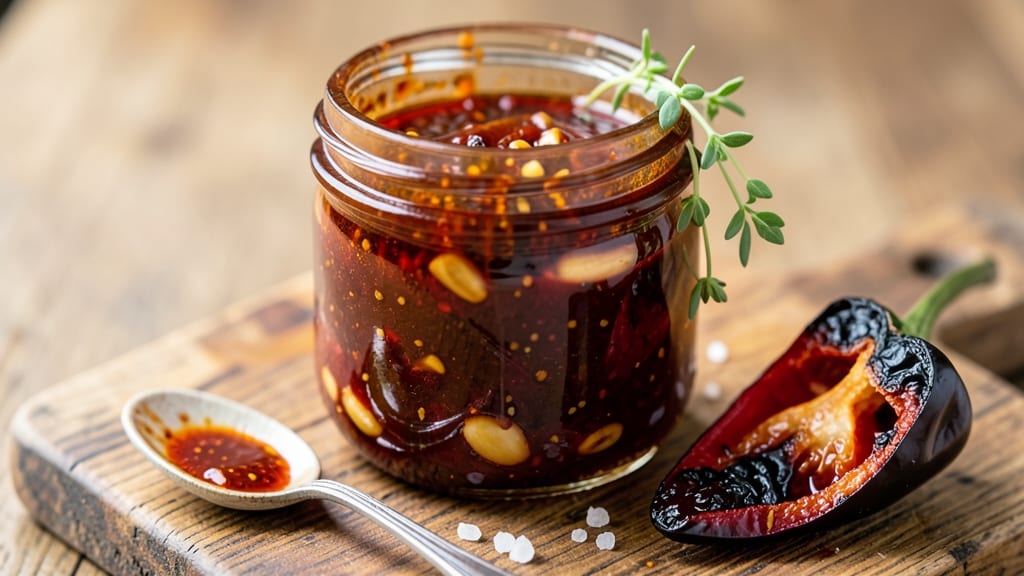
This Aruba hot sauce recipe brings the island’s bold flavors to your kitchen with a fiery blend of Scotch bonnet peppers, citrus, and warm spices. The secret lies in balancing heat with sweet cinnamon and tangy vinegar, creating a sauce that’s as complex as it is spicy.
I’ve perfected this recipe after years of testing—it’s the kind of condiment that transforms grilled meats, seafood, and even cocktails into something unforgettable.
The process is straightforward but rewarding: fermented peppers and garlic build depth, while lime juice and allspice add brightness and warmth. You’ll adjust the heat level by controlling the pepper quantity, ensuring every batch delivers that signature Aruban kick without overpowering your dish.
This sauce isn’t just about heat—it’s about the island’s vibrant spirit in every drop.
What sets this recipe apart is its versatility. Use it as a dipping sauce for fried plantains or shrimp, a marinade for grilled chicken, or a zesty addition to ceviche.
The flavors develop over time, so making a large batch means you’ll always have a taste of Aruba at your fingertips. Storage is simple—just keep it refrigerated for up to 3 months.
Ready to elevate your meals with this bold, island-inspired sauce? The ingredients are simple, but the results are anything but ordinary. Let’s get started—your taste buds will thank you.
Ingredients for aruba hot sauce
Nine ingredients, bold island flavors—this fiery sauce needs just minutes to transform your dishes.
| Ingredient | Amount | Notes |
|---|---|---|
| Scotch Bonnet Peppers 🌶️ | 4 whole | Seeds removed for less heat |
| Fresh Garlic Cloves 🧄 | 6 cloves | Minced for deep flavor |
| White Vinegar 💧 | 1 cup | Distilled preferred |
| Granulated Sugar 🍚 | ½ cup | Balances heat and acidity |
| Ground Cinnamon 🌿 | 1 tbsp | Sweet, warm spice |
| Ground Allspice 🌶️ | ½ tsp | Earthy island warmth |
| Fresh Lime Juice 🍋 | ½ cup | Freshly squeezed preferred |
| Salt 🧂 | 1 tsp | Kosher or sea salt |
| Extra-Virgin Olive Oil 🫒 | ½ cup | For richness and finish |
Scotch bonnet peppers are the heart of this sauce, so pick fresh, firm ones—the riper, the better. Trader Joe's or Latin markets usually have them, but if you can't find them, habaneros are a close second (just reduce the amount to half). The garlic should be fresh—no pre-minced jars here. For the vinegar, distilled white vinegar is best, but apple cider vinegar works too if you prefer a slightly fruity note. The sugar might seem odd, but it's essential for balancing the heat and acidity—don't skip it!
No Scotch bonnets? Habanero peppers at half the quantity will give you similar heat, but taste will differ slightly. Running out of lime juice? Lemon juice works in a pinch, though it's a bit more tart. The cinnamon and allspice are non-negotiable for that authentic Aruban warmth—if you can't find allspice, a pinch of nutmeg will do, but it won't be the same. For the olive oil, use something fruity and high-quality—cheap oil will make the sauce taste flat. And if you're worried about the heat level, start with fewer peppers and adjust to taste.
This sauce gets better with time—let it sit for at least 24 hours before using, and up to 3 months refrigerated. Store it in a clean glass jar with a tight seal. If you make a big batch, consider freezing portions in ice cube trays for easy use later. The flavors meld beautifully over time, so don't rush it. Once opened, it'll keep for up to 3 months, but trust me, it won't last that long!
Why You'll Love This Recipe
- No Chopping Chaos: I swear by this—just toss in whole garlic cloves and halved Scotch Bonnets, no dice needed. The vinegar does the work while you sip your coffee, and by the time it’s done, you’ve got a sauce that tastes like it simmered for hours.
- Sweet Heat Balance: That cinnamon? It’s the magic. The sugar tames the Scotch Bonnet’s fire while the vinegar keeps it bright—like a spicy hug with a little bite. Honestly, it’s the kind of flavor that makes you want to drizzle it on everything just to see.
- Pantry Staple Power: Five ingredients, all things you probably already have lurking in your cupboards. No last-minute grocery runs, no fancy tools—just open, mix, and wait. Between us, this is the sauce I grab when I’m too tired to cook but still want flavor.
- Months of Leftovers: One batch lasts me forever. I keep it in the fridge for tacos, marinades, or even stir-fries—no waste, no stress. And if you make a big batch? Freeze half for when you’re lazy or forget to buy more. (Yes, even on a Tuesday night.)
Step-by-step instructions for Aruba hot sauce
Here's how to blend Caribbean heat with sweet warmth into a sauce that's as versatile as it is flavorful.
Roast the Peppers and Garlic for Deep Flavor
Preheat your oven to 400°F and line a baking sheet with parchment paper. Place the 4 whole Scotch Bonnet Peppers (seeds removed) and 6 cloves Fresh Garlic Cloves directly on the sheet. Roast for 15-20 minutes until the peppers are charred in spots and the garlic smells fragrant.
This roasting step is crucial—it mellows the raw heat of the Scotch Bonnets while developing their smoky depth. You'll know they're ready when the peppers look slightly blistered and the garlic cloves are soft enough to crush with your fingers. Let them cool for 10 minutes before handling.
Blend the Roasted Ingredients with Vinegar
Transfer the charred peppers and garlic to a blender or food processor. Add 1 cup White Vinegar and 0.5 cup Granulated Sugar. Blend on high for 30-45 seconds until completely smooth. The mixture should be vibrant red with a thick, syrupy consistency.
If you notice any lumps, pulse briefly again. The sugar will help balance the vinegar's acidity while complementing the peppers' natural sweetness. Here's the thing—don't skip the sugar. It's what transforms this from a harsh hot sauce to a complex, well-rounded condiment.
Add Spices and Lime for Complexity
Return the blended mixture to the blender and add 1 tbsp Ground Cinnamon, 0.5 tsp Ground Allspice, 0.5 cup Fresh Lime Juice, and 1 tsp Salt. Blend again for 15-20 seconds until all spices are evenly distributed. The sauce should now have a rich, aromatic scent with notes of citrus and warm spices.
Taste a small amount—you'll notice the heat from the peppers, the bright acidity from the lime, and the sweet warmth from the cinnamon and allspice. This is where the magic happens. The spices should enhance the peppers' heat without overpowering it, creating that signature Aruban balance.
Finish with Olive Oil for Richness
With the blender running on low speed, slowly drizzle in 0.5 cup Extra-Virgin Olive Oil through the feed tube. This creates a smooth emulsion that gives the sauce its signature velvety texture. Continue blending for 1-2 minutes until completely incorporated and creamy.
Real talk: don't rush this step. The olive oil carries the flavors and creates that luxurious mouthfeel. You're looking for a sauce that's thick enough to coat the back of a spoon but still pourable. If it's too thick, thin with a splash of water; if too thin, simmer uncovered for 5 minutes to reduce.
Rest and Adjust the Perfect Heat Level
Transfer the hot sauce to a clean glass jar and let it rest at room temperature for at least 1 hour (overnight is even better). This allows all the flavors to meld together and the heat to develop properly. After resting, taste again and adjust seasoning if needed—add more salt for saltiness or lime juice for acidity.
The sauce should have a perfect balance: the heat from the peppers should be noticeable but not overwhelming, the sweetness from the sugar should be present but not cloying, and the spices should add warmth without competing. Store in the refrigerator for up to 3 months, shaking well before each use to redistribute the oil.
Pro Tips For Making Aruba Hot Sauce
- CHAR THE PEPPERS LOW: Blister the Scotch Bonnets over an open flame or on a stovetop—just until the skins blacken and pucker. I used to rush this and ended up with bitter, raw heat instead of that sweet, smoky depth the sauce needs.
- PEEL GARLIC LIKE A PRO: Smash each clove with the flat side of your knife before mincing—this breaks the cell walls and releases more flavor. Skipping this step means you’re missing out on that rich, aromatic punch that balances the vinegar’s sharpness.
- STRAIN OUT THE SEEDS: After cooking, strain the sauce through a fine-mesh sieve to catch any lingering seeds or charred bits. I learned this the hard way when a stray seed turned my perfectly good batch into a mouth-on-fire disaster.
- SWEAT THE CINNAMON: Toast the ground cinnamon in a dry pan for 30 seconds until fragrant before adding it to the sauce. It’s a tiny effort that makes the difference between a dusting of spice and a warm, complex aroma that ties everything together.
Make-ahead tips for aruba hot sauce
Batch Prep Timeline
Plan your hot sauce production around your schedule—I recommend making a large batch on weekends when you have time to let it rest. The sauce improves over 24-48 hours, so starting on Friday evening means perfect timing for Saturday meals.
If you're short on time, make a smaller batch (half the recipe) and let it sit for just 1 hour before using—it'll still be delicious, just not fully developed.
For maximum efficiency, prep all ingredients while the peppers and garlic roast. This means mincing garlic, measuring vinegar and sugar, and having your spices ready to go. I like to set up a little prep station with all the ingredients lined up—it makes the blending process smoother and faster.
Trust me, you'll save 10-15 minutes this way. 💡
Storage Essentials
Use amber glass jars with airtight lids to preserve color and prevent oxidation—Ball Mason jars work perfectly. Store in the refrigerator for up to 3 months, but I find mine disappears in 2-3 weeks because it's so versatile.
Label your jars with the date to track freshness. For long-term storage, freeze in ice cube trays—each cube equals about 1 tsp of sauce, perfect for precise seasoning.
When reheating, gently warm in a small saucepan over low heat for 1-2 minutes—never microwave, as it can break the emulsion and make the sauce separate. If your sauce thickens after refrigeration, simply stir in 1 tsp water per ½ cup sauce to restore consistency.
The texture should be smooth and velvety, not grainy or watery. ❄️
Freezing for Convenience
Portion the sauce into ¼ cup servings in silicone molds or small freezer-safe containers before freezing. This makes it easy to grab exactly what you need without thawing the whole batch. When ready to use, thaw in the refrigerator overnight—it'll maintain its quality perfectly.
For quick use, place the frozen portion in a bowl of warm water for 5-10 minutes to soften before blending again if needed.
I like to freeze half the batch immediately after making it, then keep the other half refrigerated for immediate use. This way, I always have some ready to go while having backup for later.
The frozen sauce keeps its heat and flavor for up to 6 months, though I've never had any last that long in my kitchen! 🌶️
Heat Level Control
Adjust the heat by controlling the pepper quantity—start with 2 peppers for mild heat, 3 peppers for medium, and 4 peppers for maximum kick. If you accidentally make it too spicy, balance it with more lime juice or sugar.
For a sweeter sauce, add 1 extra tbsp sugar per batch. The key is tasting as you go—this sauce should excite your palate, not overwhelm it.
Pro tip: If you're serving guests with varying heat tolerances, make two batches—one with 2 peppers and one with 4 peppers. This way, everyone can enjoy the flavors without compromising on heat. The beauty of this recipe is its flexibility—you can always tweak it to suit your needs. 🔥
Nutrition facts
Frequently asked questions
Can I substitute Scotch bonnet peppers with something else?
If you can't find Scotch bonnets, use habanero peppers at half the quantity (2 peppers instead of 4) for similar heat. For milder heat, try jalapeños (remove seeds) or serrano peppers—just reduce to 3-4 peppers total. The flavor will differ slightly, but the technique remains the same.
How do I adjust the heat level in this sauce?
Control heat by changing pepper quantity: 2 peppers for mild, 3 peppers for medium, or 4 peppers for maximum kick. If it's too spicy, balance with extra lime juice or sugar. For a sweeter sauce, add 1 extra tbsp sugar per batch. Always taste as you go!
What's the best way to use this hot sauce?
This versatile sauce elevates everything! Drizzle over grilled meats (especially chicken or shrimp), mix into cocktails** (try it in a mojito or margarita), or use as a dip for fried plantains. It also works perfectly in ceviche or as a marinade. The possibilities are endless!
Why does my sauce separate after refrigeration?
Separation happens when the oil and liquid phases split. Stir gently to recombine, or thin with 1 tsp water per ½ cup sauce if too thick. For prevention, always store in an airtight jar and shake well before use. The texture should be smooth and velvety—never grainy.
Can I make this sauce without vinegar?
While vinegar balances acidity and preserves the sauce, you can substitute with apple cider vinegar or white wine (reduce by 2 tbsp). For a non-acid option, use lemon juice, but the shelf life will be shorter (use within 2 weeks). The spices and sugar will still work, but the tangy depth will change.