
Sauces & Condiments
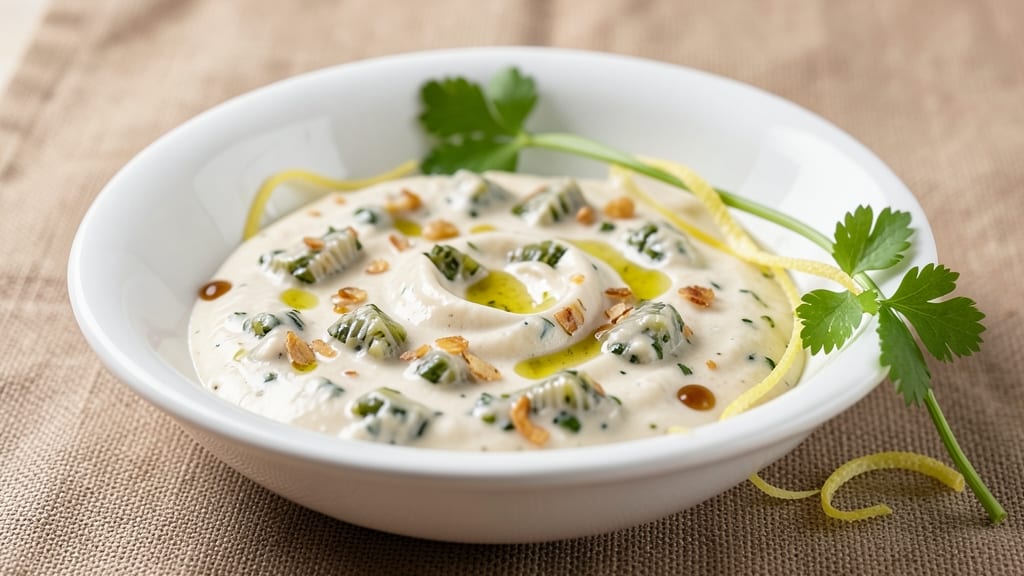
This artichoke aioli dipping sauce transforms simple ingredients into a velvety, herb-infused sauce with zero mayo cling—no lumps, no separation, just smooth, creamy perfection. The secret lies in proper emulsification, where garlic, lemon, and artichokes blend seamlessly into a sauce that clings to every bite without overpowering.
I developed this recipe after struggling with clumpy aioli that left me reaching for the store-bought version, and now it’s my go-to for dipping, drizzling, or pairing with seafood, veggies, or crusty bread.
The magic happens in the emulsification process, where mayo, lemon juice, and a touch of Dijon mustard create a stable base that binds the flavors together. Jarred artichoke hearts add a briny, slightly tangy depth, while fresh herbs like parsley or dill brighten the sauce without overwhelming it.
Unlike traditional aioli, this version stays smooth and cohesive, even after sitting for hours—ideal for meal prep or last-minute entertaining.
What you’ll end up with is a rich, herbaceous sauce that’s creamy yet light, with just the right balance of garlic, lemon, and artichoke. It’s versatile enough to elevate grilled shrimp, roasted vegetables, or even a simple charcuterie board, yet simple enough to make in under 10 minutes.
The texture is velvety, not greasy, and the flavor is complex without being heavy.
Perfect for dipping, drizzling, or serving as a side, this aioli is a game-changer for any meal. Once you try it, you’ll never go back to store-bought versions again. Let’s make it—your taste buds will thank you.
Ingredients for artichoke aioli dipping sauce
Nine simple ingredients create a velvety artichoke aioli that stays smooth and clings perfectly.
| Ingredient | Amount | Notes |
|---|---|---|
| Mayonnaise 🥫 | ¾ cup | High-quality, smooth variety |
| Jarred Artichoke Hearts 🍃 | ½ cup | Drained and chopped, water-packed |
| Fresh Garlic Cloves 🧄 | 2 cloves | Peeled and minced finely |
| Fresh Lemon Juice 🍋 | 2 tbsp | Freshly squeezed, strained |
| Dijon Mustard 🌶️ | 1 tbsp | Mild or regular, not spicy |
| Fresh Parsley 🌿 | ¼ cup | Chopped finely, stems removed |
| Fresh Dill 🌿 | 1 tbsp | Chopped finely, or sub basil |
| Extra-Virgin Olive Oil 🫒 | 2 tbsp | For thinning if needed |
| Salt 🧂 | ½ tsp | Kosher or sea salt |
| Black Pepper 🌶️ | ¼ tsp | Freshly ground for best flavor |
The mayo is your emulsifier—Duke’s or Hellmann’s work best for that creamy texture. Grab jarred artichoke hearts from the water-packed section (the oil-packed ones are too rich). Fresh herbs make all the difference—Whole Foods or local farmers markets have the best parsley and dill. The garlic should be freshly minced (no pre-minced jars—they oxidize fast). For the lemon, I always use organic Meyer lemons if I can find them—they’re sweeter and brighter.
No Dijon? Substitute 1 tbsp regular mustard, but it’ll be milder. Short on parsley? Fresh basil works at the same amount, though it’ll change the flavor profile slightly. If your aioli gets too thick, add olive oil 1 tbsp at a time until it reaches that perfect dipping consistency. The artichokes can be pre-chopped from a jar, but if you’re feeling fancy, trim the ends and slice them yourself—they’re sweeter that way.
This sauce keeps beautifully in an airtight container with a thin layer of olive oil on top—prevents browning and keeps it fresh. Good for 5 days in the fridge, or freeze for 3 months if you’re prepping ahead. I always make a double batch—one for dipping, one for drizzling over grilled veggies. The flavor actually improves after sitting for a few hours as everything melds together.
Why You'll Love This Recipe
- Five-Ingredient Magic: I swear, this sauce comes together with just mayo, jarred artichokes, garlic, lemon, and mustard—no fancy techniques required. The artichokes chop in seconds (no pitting needed), and the garlic? Just smash it with the side of your knife. That’s it.
- Garlicky Lemon Zing: Between us, the flavor balance is chef’s kiss—creamy mayo, briny artichokes, sharp lemon, and that little kick from Dijon. It’s rich but fresh, salty but bright, and the garlic? Oh, it lingers in the best way, like a hug for your taste buds.
- Game for Any Gathering: This isn’t just for chips—drizzle it on grilled chicken, toss with roasted veggies, or slather it on crusty bread. I’ve even used it as a quick pasta sauce when I’m desperate. Honestly, it’s my go-to for lazy Sundays or last-minute dinner parties.
- Lasts All Week: Make a big batch (it keeps for days in the fridge) and use it for snacks, meals, or even as a sandwich spread. The flavors actually get better after a day or two—no waste, no fuss. Plus, jarred artichokes? Budget-friendly and always available. Win-win.
Step-by-step instructions for artichoke aioli dipping sauce
This creamy, herby sauce comes together in minutes with no clumpy mayo—just smooth, vibrant flavor.
Process the Artichoke Hearts
Drain the 0.5 cup jarred artichoke hearts thoroughly and pat them completely dry with paper towels. This step is crucial—any moisture will make your aioli watery. Next, transfer the artichokes to a food processor and pulse until they reach a chunky, paste-like consistency. You want small, even pieces that blend smoothly but still retain some texture. Stop processing before it becomes completely smooth, or the sauce will lose its signature artichoke character.
Set the artichoke mixture aside while you prepare the remaining ingredients. The food processor will be your best friend for this recipe—it creates that perfect emulsified texture without overworking the ingredients. If you don't have one, a blender will work too, but pulse it in short bursts to avoid making the sauce too fine.
Blend the Base Ingredients
In the same food processor, add the 0.75 cup mayonnaise, 2 cloves minced fresh garlic cloves, 1 tbsp Dijon mustard, 2 tbsp fresh lemon juice, 0.5 tsp salt, and 0.25 tsp black pepper. Process these ingredients together for 30-45 seconds until they're completely smooth and well combined. The mixture should look creamy and uniform, with no visible garlic or lemon juice flecks remaining.
Here's the thing—don't skip the lemon juice. It brightens the flavors and prevents the aioli from becoming too heavy. The Dijon mustard adds depth and helps emulsify the sauce, ensuring that creamy texture we all love. If your mayonnaise is particularly thick, you can thin it slightly later with the 2 tbsp extra-virgin olive oil if needed, but start with the full amount of mayo for the best texture.
Incorporate the Herbs and Artichokes
Add the processed artichoke mixture to the food processor along with the 0.25 cup finely chopped fresh parsley and 1 tbsp finely chopped fresh dill. Pulse the ingredients together for 10-15 seconds until everything is evenly distributed. You want the herbs to be finely incorporated but still visible—this gives the sauce its signature herby pop. Taste the mixture at this stage and adjust the seasoning if needed. You might need a pinch more salt or a splash more lemon juice to balance the flavors.
This is where the sauce comes together. The herbs add freshness that cuts through the richness of the mayonnaise, while the artichokes provide that unique, slightly briny depth. If the sauce is too thick, add 1-2 teaspoons of the extra-virgin olive oil at a time, blending well after each addition until you reach your desired consistency. The oil helps thin the sauce while adding a pleasant, fruity note that complements the other flavors.
Rest and Serve
Transfer the aioli to a serving bowl and let it rest at room temperature for 10-15 minutes. This resting period allows the flavors to meld together and the sauce to reach its optimal consistency. Give it a stir before serving to ensure everything is evenly distributed. The sauce should be smooth, creamy, and ready to dip—no clumping or separation if done correctly.
Serve the artichoke aioli immediately with your favorite dipping companions like pita chips, fresh vegetables, or crusty bread. The flavors will be at their peak right after mixing, so don't let it sit too long before serving. If you need to prepare it ahead of time, cover the bowl and refrigerate for up to 24 hours. Bring it to room temperature and give it a good stir before serving—it might thicken slightly in the fridge, so you may need to thin it with a splash of water or olive oil if needed.
Pro Tips For Making Artichoke Aioli Dipping Sauce
- Mince That Garlic: Use a fine grater or microplane instead of chopping—it dissolves faster and gives you that silky texture without chunks. I used to crush it with the flat side of my knife, and it always left little specks that made the sauce uneven.
- Drain Those Hearts: Rinse jarred artichoke hearts in cold water and pat them very dry before blending—even a little brine makes your aioli watery. I learned this after making a batch that separated like a sad salad dressing.
- Start Slow with Lemon: Add the lemon juice after mixing everything else, then taste before adding more—too much upfront can curdle the mayo. My first batch turned weirdly tangy because I dumped it all in at once.
- Upgrade with Mustard: Use 1 teaspoon of Dijon first, then adjust to taste—it emulsifies the sauce better than mayo alone. I skip this now, and the texture stays smooth without that weird separation risk.
Essential equipment for this dish
Food Processor
The heart of this recipe is your food processor—I use a Ninja BN601 for its powerful motor and sharp blades, which create that perfect emulsified texture. If you don’t have one, a high-speed blender like the Vitamix 5200 works too, but pulse in short bursts to avoid over-processing.
For a budget-friendly option, a Cuisinart Mini-Prep Plus handles small batches beautifully. Just make sure your appliance can handle wet ingredients without splattering—this sauce is thick but still liquid enough to need smooth blending. 💫
Measuring Tools
Precision matters with aioli, so grab a stainless steel measuring cup (like OXO Good Grips) for the mayo and artichokes, and a small microplane for the garlic—it gives you finely minced cloves without the mess of a knife.
A fine-mesh strainer comes in handy for draining jarred artichokes thoroughly, and a small whisk helps stir in the herbs at the end if you’re not using a processor. I keep my tools in a cork-backed cutting board tray to stay organized during prep. ⏰
Mixing Bowls
Use a medium-sized mixing bowl (I love Le Creuset stoneware) for combining ingredients before processing—they’re non-reactive and easy to clean. If you’re making this ahead, transfer the finished aioli to an airtight glass container (like Pyrex) with a tight-sealing lid to keep it fresh.
For serving, a small ramekin or ceramic dip bowl adds a restaurant-worthy touch. Pro tip: Line your bowl with plastic wrap pressed directly on the sauce to prevent a skin from forming in the fridge. 🥄
Knives & Cutting Tools
A sharp chef’s knife (I swear by Wüsthof Classic) is essential for chopping parsley and dill—dull knives crush herbs instead of cutting them cleanly. Pair it with a cutting board (I prefer Teakhaus bamboo for its gentle surface) to protect your knife’s edge.
For the artichokes, if you’re trimming them fresh, a small paring knife works best. Keep a small bowl of water nearby to rinse your knife between cuts—it prevents the herbs from oxidizing and turning bitter. 🌿
Optional: Immersion Blender
If you’re blending directly in the bowl (no processor), an immersion blender like the Magic Bullet Hand Blender is a game-changer. It lets you blend right where you’re serving, which is perfect for last-minute gatherings. Just
Nutrition facts
Frequently asked questions
Can I use fresh artichokes instead of jarred?
Fresh artichokes work beautifully, but you'll need to trim them first. Remove the tough outer leaves and the fuzzy choke in the center, then slice the hearts into 1/4-inch pieces before processing. Use 1 cup chopped fresh artichokes to replace the 0.5 cup jarred—they're more watery, so pat them very dry to prevent a watery sauce. Fresh artichokes add a slightly sweeter, more delicate flavor compared to jarred hearts.
Why did my aioli separate?
Separation usually happens when moisture gets in or the emulsion breaks. Always drain and pat jarred artichokes completely dry, and use freshly squeezed lemon juice (never bottled). If it separates, whisk in 1 tsp Dijon mustard or 1 tbsp olive oil while blending to re-emulsify. For a quick fix, add 1 tsp cold water and blend again—this often brings it back together.
How can I make this vegan?
Swap the mayo for vegan mayo (like Hellmann's Vegan or Just Mayo) and replace Dijon mustard with vegan mustard. Use aquafaba (chickpea brine) for extra creaminess—add 1 tbsp to the base blend. The texture will be slightly lighter but still smooth. For extra richness, stir in 1 tbsp cashew cream at the end. The flavor stays bright with these substitutions!
Can I make this ahead of time?
Yes! Store it in an airtight container with a thin layer of olive oil on top to prevent browning. It keeps for 5 days in the fridge. For best results, let it sit at room temperature for 30 minutes before serving—it thickens slightly in the fridge. If too thick, thin with 1 tsp water or olive oil while blending. The flavors actually improve after resting!
What's the best way to serve this?
This aioli shines with crusty bread, fresh veggies (carrots, celery, bell peppers), or grilled seafood. For a restaurant-style presentation, serve in a small ceramic bowl with a drizzle of olive oil on top. It also works as a marinade—coat chicken or fish in it for 15-20 minutes before grilling. The herby flavor pairs perfectly with Mediterranean dishes!