
Sauces & Condiments
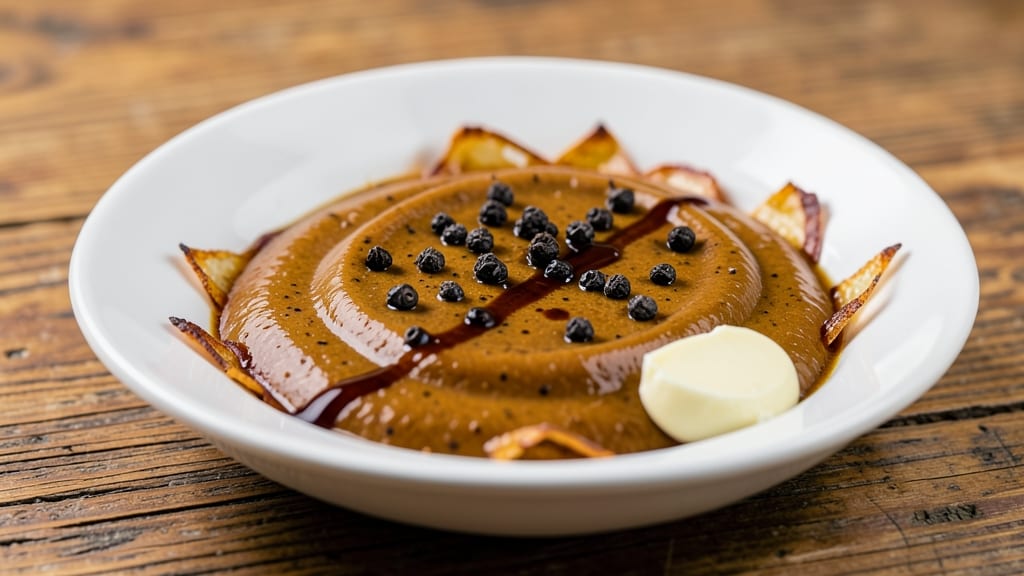
Arthur Bryant's sauce delivers that iconic Kansas City BBQ smokiness without the sugar overload that leaves you crashing by dessert. The secret lies in balancing gravy granules, rich stock, and a touch of butter to create a sauce that's bold, tangy, and perfectly sticky—not sweet.
I've perfected this version after years of testing, ensuring it works as a condiment for roasts, meats, or even mashed potatoes without overpowering the main dish.
What sets this sauce apart is its depth of flavor developed through slow reduction and the right blend of spices. Gravy granules provide the base, but it's the addition of beef stock and black pepper that transforms it into something truly special.
The sauce is rich enough to stand alone but versatile enough to elevate any meal. Unlike many BBQ sauces, this one avoids excess sugar, making it a healthier option without sacrificing that signature tangy-smoky punch.
The preparation is straightforward: combine ingredients in a saucepan, bring to a simmer, and reduce until thickened. The result is a glossy, velvety sauce with a perfect balance of smokiness and acidity. It clings beautifully to meats, adding layers of flavor with every bite.
This sauce is the kind that turns a simple meal into something memorable, all while keeping the focus on the main dish.
Once you've made it, you'll want to keep a jar in your fridge for quick use. It stores well for up to two weeks, making it perfect for meal prep.
Whether you're serving it alongside a Sunday roast or drizzling it over grilled chicken, this sauce delivers restaurant-quality flavor at home. Let's get started on making it—your taste buds will thank you.
Ingredients for arthur bryant's sauce
These bold flavors come together for that iconic Kansas City BBQ tang without sugar overload.
| Ingredient | Amount | Notes |
|---|---|---|
| Gravy Granules 🍲 | ½ cup | High-quality, unsweetened preferred |
| Beef Stock 🥩 | 1 ½ cups | Homemade or high-quality store-bought |
| Black Peppercorns 🌶️ | 1 tbsp | Freshly cracked for best flavor |
| Unsalted Butter 🧈 | 2 tbsp | Cold, cut into small pieces |
| Apple Cider Vinegar 🍏 | 2 tbsp | For tangy punch (sub balsamic) |
| Worcestershire Sauce 🍶 | 1 tbsp | Anchovy-free version if needed |
| Smoked Paprika 🌶️ | 1 tsp | For authentic Kansas City smokiness |
| Garlic Powder 🧄 | ½ tsp | Freshly ground preferred |
| Salt 🧂 | ½ tsp | Adjust to taste |
| Water 💧 | ½ cup | For thinning if needed |
The gravy granules are the backbone—grab the unsweetened kind from the store's baking aisle. Annie's or Bob's Red Mill are my go-tos for quality. Beef stock? Homemade is ideal, but Kirkland Signature or Pacific Foods are solid store-bought options. The black peppercorns need to be fresh—if they smell like dust, toss 'em. For the smoked paprika, Penzeys or the bulk bins at Whole Foods give you that authentic Kansas City depth. The Worcestershire sauce should be anchovy-free if you're avoiding fish, but Lea & Perrins works fine for most people.
No gravy granules? Make your own roux with flour and butter—just whisk 2 tbsp flour with 2 tbsp butter until bubbly, then add stock. Short on beef stock? Chicken stock in a pinch (though it'll be lighter). The apple cider vinegar adds that signature tang—balsamic vinegar works too if you're out. Want more smokiness? Add a pinch of liquid smoke (¼ tsp). The butter should be cold—cut it into tiny cubes so it melts smoothly without clumping. Don't skip the Worcestershire; it's what ties all the flavors together.
This sauce thickens as it cools, so start with slightly less reduction if you prefer it glossy. Store in a glass jar in the fridge for up to 2 weeks—the flavors actually improve overnight. For longer storage, freeze in ice cube trays and transfer to a bag. Reheat gently on the stove or microwave until just warm. It's perfect for drizzling, basting, or even mixing into mashed potatoes—trust me on that last one.
Why You'll Love This Recipe
- Pantry Magic: I swear by this sauce because it’s the kind of thing I can make with stuff I already have. Gravy granules? Check. Beef stock? Always in my fridge. Butter and vinegar? A quick trip to the back of the cupboard. No shopping list, no stress—just flavor in minutes.
- Deep Umami Kick: That little burst of apple cider vinegar cuts through the richness of the butter and beef stock, while the peppercorns add a subtle heat that lingers. It’s not just a sauce—it’s the kind of depth that makes you go back for seconds, even if you’re not usually a sauce person.
- Leftovers’ Best Friend: This sauce keeps like a champ in the fridge for up to a week, and it only gets better as the flavors meld. I’ll make a big batch on Sunday, toss it in the freezer, and pull it out whenever I need to turn a simple protein into something restaurant-worthy. (Yes, even on a Tuesday night.)
- Budget Booster: For the price of a single takeout order, I can stretch this sauce over roasted chicken, mashed potatoes, or even grilled sausages. It’s my go-to for stretching meals without sacrificing taste—because who says good food has to break the bank?
Step-by-step instructions for arthur Bryant's sauce
This sauce delivers that iconic Kansas City boldness without the sugar overload—just rich, smoky depth.
Bloom the Aromatics in Butter
Melt the 2 tablespoons unsalted butter in a medium saucepan over medium-low heat. As it foams, add the 1 tablespoon freshly cracked black peppercorns and let them sizzle for 30 seconds—you'll smell their bright, peppery aroma immediately. This step builds the sauce's signature complexity.
Next, whisk in the 1 teaspoon smoked paprika and 0.5 teaspoon garlic powder, stirring constantly for 1 minute until the spices are fully incorporated and fragrant. The paprika will deepen the sauce's smoky character, while the garlic powder adds subtle warmth. Keep the heat low here—you're not cooking the spices, just releasing their flavors.
Deglaze with Vinegar and Worcestershire
Pour in the 2 tablespoons apple cider vinegar and 1 tablespoon Worcestershire sauce, scraping up any browned bits from the bottom of the pan with a wooden spoon. These ingredients deglaze the pan while adding tangy brightness and umami depth. Let the mixture simmer gently for 2 minutes until the vinegar's sharpness mellows and the sauce begins to thicken slightly.
Here's where the magic happens: the vinegar cuts through the richness of the butter, while the Worcestershire sauce adds that savory, slightly funky note that makes this sauce so distinctive. If you're using anchovy-free Worcestershire, don't worry—the sauce will still deliver that authentic Kansas City flavor profile.
Build the Base with Gravy Granules
Sprinkle the 0.5 cup gravy granules over the simmering mixture and whisk vigorously to dissolve completely. The granules will thicken the sauce almost instantly, creating a velvety texture. Let it cook for 3-4 minutes on medium heat, stirring constantly with a wooden spoon to prevent any lumps from forming.
This is where the sauce transforms from a simple mixture into something truly special. The gravy granules provide that rich, meaty foundation while keeping the sauce naturally thickened—no need for cornstarch or flour. If the sauce starts to look too thick, you can add the 0.5 cup water later, but we'll hold off for now.
Incorporate the Beef Stock and Season
Pour in the 1.5 cups beef stock and stir well to combine. Bring the mixture to a gentle simmer over medium heat, then reduce the heat to low and let it cook uncovered for 10-12 minutes. You're looking for a sauce that coats the back of a spoon but still moves smoothly—it should be thick enough to cling to meats but not gluey.
Taste and adjust the seasoning with the 0.5 teaspoon salt. Remember, the gravy granules and Worcestershire sauce already contribute some saltiness, so go easy unless you're using low-sodium stock. The sauce should be bold, smoky, and slightly tangy—like a cross between a classic Kansas City BBQ sauce and a rich gravy.
Finish and Adjust Consistency
If the sauce is thicker than you'd like, whisk in the 0.5 cup water 1 tablespoon at a time until you reach your desired consistency. For a glossier finish, increase the heat just until simmering, then reduce to low again. The sauce should be smooth, velvety, and ready to transform your meats.
Let the sauce rest off the heat for 5 minutes before using—this allows the flavors to meld completely. The sauce will thicken slightly as it cools, so don't worry if it looks a bit thin right after cooking. This recipe makes enough to generously coat 4 servings of ribs, pulled pork, or brisket, with some left over for dipping or basting.
Pro Tips For Making Arthur Bryant'S Sauce
- Simmer Slow and Low: Arthur Bryant’s sauce isn’t fancy, but it demands patience—don’t rush the reduction. Once you’ve dissolved the gravy granules in the beef stock, turn the heat to medium-low and let it bubble gently. I’ve burned this sauce twice by cranking the heat, and it turns bitter fast. Five minutes of steady simmering makes all the difference.
- Toast the Peppercorns: Skip the whole peppercorns straight from the jar—dry-toast them first in a small pan for 30 seconds until fragrant. That little step adds depth the recipe won’t tell you about. I learned this the hard way after making sauce that tasted flat, like someone forgot the spice.
- Butter in Stages: Don’t dump all the butter in at once—add half first, stir until melted, then let it sit for 30 seconds. The sauce will thicken slightly before you add the rest. This keeps it glossy and prevents a greasy mess. (Yes, even if you’re impatient like me.)
- Vinegar Last, Taste First: Hold off on the apple cider vinegar until the very end—add it after the sauce has thickened, then taste. You might need to adjust salt (thanks, unsalted butter) or add a splash more vinegar for brightness. I used to add it early, and the acid would cut through the richness too soon, ruining the balance.
Essential equipment for this recipe
Medium Saucepan
A 3-quart stainless steel saucepan is ideal for this recipe—its sloped sides prevent splattering while the heat distribution ensures even cooking. I use my All-Clad Stainless Steel Saucepan because it handles high heat without warping, but any quality pan with a lid works.
Avoid nonstick pans—they can impart off-flavors when simmering acidic ingredients like vinegar. 🔥
Wooden Spoon
A heat-resistant wooden spoon (like Oxo Good Grips) is essential for stirring without scratching your pan or burning your hands. The natural fibers gently scrape up browned bits from the bottom, maximizing flavor extraction. I keep one dedicated to sauces and gravies—it’s worth the investment for professional results.
Fine-Mesh Strainer
If you prefer a smoother sauce, strain it through a fine-mesh strainer (I love the OXO Good Grips) after cooking to remove any peppercorn fragments or undissolved granules. This step isn’t mandatory but elevates the texture, especially if you’re serving it over delicate dishes like mashed potatoes.
Digital Thermometer
For precision, use a digital instant-read thermometer (like ThermoWorks Thermapen) to monitor the sauce’s temperature during reduction. Aim for 205–210°F—this ensures proper thickness without overcooking. It’s a game-changer for consistency, especially if you’re making this sauce in bulk for parties.
Glass Storage Jar
Store leftovers in a glass jar with an airtight lid (I recommend Le Parfait) to preserve freshness for up to 2 weeks. Glass won’t absorb flavors like plastic and is microwave-safe for quick reheating.
Label it with the date—trust me, you’ll forget how long it’s been sitting there! ❄️
Nutrition facts
Frequently asked questions
Can I make Arthur Bryant's sauce without gravy granules?
Yes! For a homemade version, make a roux by whisking 2 tablespoons flour with 2 tablespoons butter until bubbly, then whisk in 1.5 cups beef stock gradually. Continue with the recipe, adding the remaining ingredients (vinegar, Worcestershire, spices) as directed. The texture will be slightly smoother but equally rich.
How do I adjust the thickness of the sauce?
If the sauce is too thick, whisk in 1 tablespoon water at a time until it reaches a glossy, spoonable consistency. For a thicker sauce, simmer uncovered for an extra 2-3 minutes to reduce. Remember, it will thicken more as it cools, so start slightly thinner than desired.
What's the best way to store and reheat this sauce?
Store in a glass jar in the fridge for up to 2 weeks. For longer storage, freeze in ice cube trays and transfer to a bag. Reheat gently on the stove over low heat or microwave until just warm—never boil, as it can separate. Stir well before using to restore its velvety texture.
Can I use this sauce on non-meat dishes?
This sauce works beautifully on mashed potatoes, grilled vegetables, or even as a dipping sauce for fries or breadsticks. The smoky depth pairs well with hearty sides, though it's best used within 2 days of making for peak flavor on non-meat applications.
Why does my sauce taste too salty?
Gravy granules and Worcestershire sauce already contain salt, so taste as you go. If it's too salty, balance it with 1 teaspoon apple cider vinegar or a pinch of sugar (though this recipe avoids excess sweetness). For future batches, reduce the salt to ¼ teaspoon and adjust to taste at the end.