
Sauces & Condiments
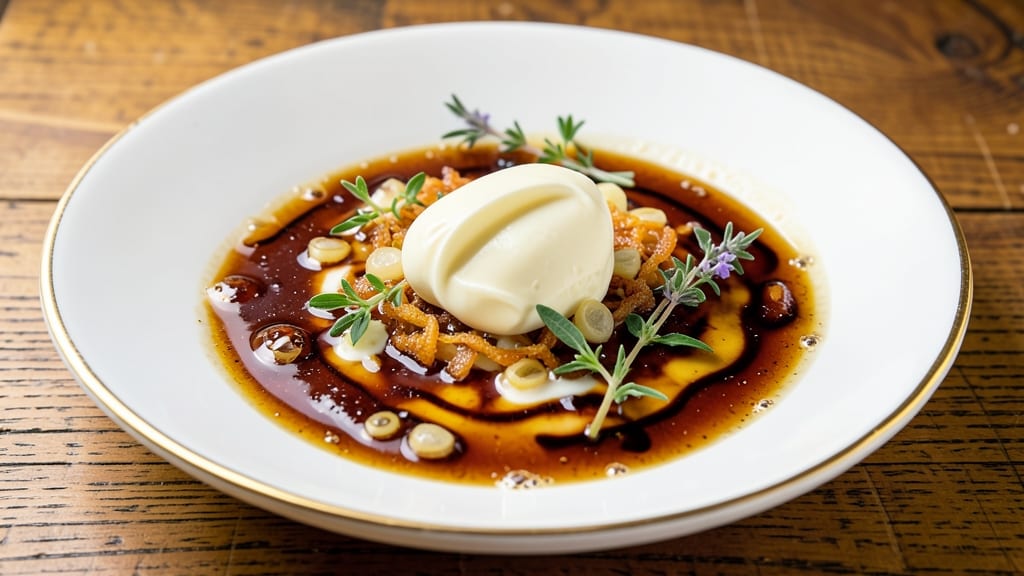
This Armagnac sauce recipe transforms simple roasts and mashed potatoes into restaurant-worthy dishes with just a few key ingredients and a 30-minute reduction.
The deep, caramelized richness of Armagnac—an oak-aged French brandy—elevates everyday meals into something luxurious, balancing sweetness with savory depth that pairs perfectly with duck, mushrooms, or even vanilla desserts.
The secret lies in the slow reduction, where Armagnac’s oak notes meld with shallots, thyme, and butter to create a velvety, glossy sauce that clings beautifully to proteins or melts into creamy sides.
Unlike store-bought versions, this homemade sauce delivers authentic complexity—no artificial flavors, just pure, layered taste from quality ingredients.
What makes this sauce truly special is its versatility: drizzle it over crispy duck confit, swirl it into mashed potatoes for a gourmet touch, or use it as a glaze for roasted vegetables.
The process is straightforward—simmer, reduce, emulsify—but the result is professional-level, transforming ordinary meals into standout dishes.
Once mastered, this sauce becomes a pantry staple, ready to enhance winter roasts, holiday feasts, or even elegant weeknight dinners. The key is patience: letting the flavors develop over low heat ensures a sauce that’s rich, balanced, and impossible to resist.
Ingredients for armagnac sauce
Nine essential ingredients transform simple pantry staples into velvety Armagnac sauce with restaurant-quality depth.
| Ingredient | Amount | Notes |
|---|---|---|
| Armagnac 🍷 | ½ cup | High-quality oak-aged brandy |
| Shallots 🧅 | 1 cup | Finely minced, vibrant purple |
| Fresh Thyme 🌿 | 2 tbsp | Leaves only, stems removed |
| Unsalted Butter 🧈 | ½ cup | Cold, cubed for emulsification |
| Heavy Cream 🥛 | ½ cup | Full-fat for richness |
| Chicken Stock 💧 | 1 cup | Homemade preferred, low sodium |
| Granulated Sugar 🍚 | 1 tbsp | Balances acidity, fine grain |
| Diamond Crystal Kosher Salt 🧂 | ½ tsp | Adjusts seasoning precisely |
| Freshly Ground Black Pepper 🌶️ | ¼ tsp | Cracked peppercorns preferred |
Armagnac is the heart of this sauce—look for VSOP or XO ratings for deeper oak complexity. Whole Foods and specialty liquor stores carry premium brands like Janneau or Armagnac de Gascogne. Fresh thyme elevates the sauce's herbal notes, so harvest it from your garden or buy organic sprigs—the flavor difference is noticeable. Shallots should be firm and vibrant purple, not wilting or sprouting. For butter, Plugrá or Land O'Lakes unsalted work perfectly, but avoid salted varieties to control seasoning precisely. Chicken stock forms the sauce's base, so homemade stock with roasted vegetables delivers the best flavor, though quality store-bought brands like Pacific Foods work in a pinch.
No Armagnac? Substitute cognac or brandy at equal volume, though Armagnac's unique oak profile remains unmatched. Fresh thyme unavailable? Dried thyme at one-third the amount suffices, but toast the dried leaves first for enhanced aroma. Shallots too pungent? Substitute 1/4 cup finely minced yellow onion, though shallots provide a more delicate sweetness. For a lighter sauce, reduce the heavy cream to 1/4 cup and add an extra 1/4 cup chicken stock. The sugar can be omitted entirely if you prefer a more savory profile, but it's essential for balancing the brandy's acidity in traditional preparations.
This sauce develops best when made fresh, but it stores beautifully for 5 days refrigerated in an airtight container. For longer storage, freeze in ice cube trays—each cube equals roughly 1 tablespoon of sauce, perfect for single-use portions. Reheat gently over low heat, whisking constantly to prevent separation. The sauce thickens as it cools, so add a splash of warm water or stock if it becomes too stiff. For restaurant-quality results, always use the highest-quality Armagnac available—the $20 bottle makes a noticeable difference compared to cheaper brands.
Why You'll Love This Recipe
- Here’s what sold me: I make a double batch, let it cool, and it keeps perfectly in the fridge for five days. Reheat it, and no one suspects it’s not fresh. Plus, the butter and cream make it budget-friendly—you’re basically paying for flavor, not ingredients.
- No Chopping Nightmare: I’ll be real—shallots are the only thing I finely dice, and even then, you could get away with roughly chopping if you’re in a rush. The rest? Just a splash of Armagnac, a handful of thyme sprigs, and a quick simmer. That’s it.
- Deep Umami Hug: Between us, the Armagnac doesn’t just add alcohol—it brings this rich, caramelized depth that turns simple heavy cream into something luxurious. The thyme? It’s the secret whisper of earthiness that makes every spoonful feel like a little reward.
- Steakhouse at Home: This sauce turns weeknight dinners into something that tastes like you slaved over it for hours. Drizzle it on grilled chicken, toss it with roasted veggies, or—obviously—slather it on a steak. It’s my go-to for when I want to impress without actually cooking for three hours.
Step-by-step instructions for Armagnac sauce
Master this velvety sauce with oak-aged depth and balanced richness for perfect roasts or mashed potatoes.
Sweat the Shallots Until Translucent
Melt the 0.5 cup unsalted butter in a medium saucepan over medium-low heat. Add the 1 cup finely minced shallots and cook for 8-10 minutes, stirring occasionally. You're looking for shallots that become soft and translucent without browning—this prevents bitterness in the final sauce.
The key here is patience. Shallots release their natural sweetness when properly sweated. If they start to brown, reduce the heat slightly and continue cooking. Once translucent, they'll form a smooth base that carries the sauce's depth of flavor throughout the cooking process.
Deglaze with Armagnac and Reduce
Increase heat to medium-high and carefully pour in the 0.5 cup Armagnac. Immediately tilt the pan to distribute the liquid evenly—this prevents flaming. Let it simmer for 3-4 minutes until the alcohol burns off completely and the mixture reduces by half. You'll notice the aroma intensify as the oak notes from the Armagnac develop.
This reduction step is critical. It concentrates the flavors and removes any harsh alcohol taste. If you smell lingering alcohol after 4 minutes, continue cooking until it fully evaporates. The sauce should now have a rich, caramelized depth from the caramelized shallots and reduced Armagnac.
Build the Sauce with Stock and Cream
Add the 1 cup chicken stock and 1 tbsp granulated sugar, then bring to a gentle simmer. Stir in the 2 tbsp fresh thyme leaves and 0.5 tsp Diamond Crystal kosher salt. Reduce heat to medium-low and let it simmer for 10 minutes, stirring occasionally, until slightly thickened.
The sugar here serves two purposes: balancing the acidity of the Armagnac and enhancing the caramelization. After 10 minutes, remove the thyme stems with a slotted spoon. Then stir in the 0.5 cup heavy cream and 0.25 tsp freshly ground black pepper, simmering for another 5 minutes until the sauce reaches a velvety consistency.
Finish with Butter for Emulsification
Remove the sauce from heat and add the remaining 0.5 cup unsalted butter, cut into small cubes. Whisk vigorously for 1-2 minutes until the butter melts completely and the sauce becomes glossy and emulsified. This step creates the signature richness and silky texture that makes this sauce exceptional.
Taste and adjust seasoning if needed—you may need a pinch more salt or pepper to balance the flavors. The sauce should be rich but not overly sweet, with bright Armagnac notes and a velvety finish. Serve immediately over roasted meats, mashed potatoes, or use as a pan sauce for chicken.
Pro Tips For Making Armagnac Sauce
- SWEEAT SHALLOTS LOW: Don’t rush this step—armagnac sauce starts with flavor, and raw shallots taste like soap. Cook them over medium-low heat with butter until they’re translucent and just starting to caramelize (about 8-10 minutes), stirring occasionally. I used to crank the heat, and the sauce always tasted bitter afterward.
- DEGLAZE HOT: As soon as you remove the shallots, pour in the armagnac while the pan is still hot. The alcohol will sizzle and evaporate properly, leaving behind that deep, nutty flavor instead of a harsh boozy taste. If your pan is cool, you’ll end up with a sauce that smells like a liquor store, not a restaurant.
- STRAIN THE THYME: Fresh thyme stems are tough and can turn your sauce into a chewy mess. Strip the leaves from the stems before adding them to the pan, then strain the finished sauce through a fine-mesh sieve. Trust me, your guests won’t notice the missing stems, but they’ll taste the difference in every smooth sip.
- WHISK THE CREAM COLD: Temper the heavy cream by whisking it into the warm (not boiling) sauce gradually, a splash at a time. Dumping cold cream straight into a hot pan will curdle it instantly—no amount of stirring later will fix it. I learned this after watching a batch separate like a bad milkshake, and now I add it slowly until the sauce is just warm to the touch.
Perfect pairings for these flavors
Roasted Duck Pairing
Armagnac sauce transforms crispy duck confit into a showstopper dish. The sauce's rich, caramelized depth complements duck's fatty texture perfectly. I like to serve it with orange slices on the side—the citrus cuts through the sauce's richness and balances the duck's natural sweetness. 🦆
For an elevated presentation, arrange duck pieces on a platter and drizzle the sauce generously. Garnish with toasted hazelnuts for crunch and fresh thyme sprigs to echo the sauce's herbal notes. The contrast of textures and flavors makes this a restaurant-worthy centerpiece.
Mushroom Risotto
This sauce elevates wild mushroom risotto to gourmet heights. The earthy flavors of mushrooms harmonize beautifully with Armagnac's oak notes. I recommend using cremini and shiitake mushrooms for depth, then finishing the risotto with a ladle of the warm sauce. 🍄
For extra luxury, fold in truffle oil (just ½ teaspoon) into the sauce before serving. The truffle's aroma enhances the Armagnac's complexity, creating a sauce that feels like a Michelin-starred secret. Serve immediately to maintain the creamy texture.
Mashed Potato Upgrade
Take your mashed potatoes to the next level by swirling in ¼ cup of the warm Armagnac sauce per serving. The sauce's velvety richness blends seamlessly with creamy potatoes. I like to finish with crispy fried shallots on top for a textural contrast that's pure indulgence. 🥔
For a lighter version, mix the sauce with a splash of warm whole milk to thin it slightly before incorporating. This creates a silky, sauce-infused mash that's perfect for holiday feasts. The sauce's depth turns an everyday side into a luxurious accompaniment.
Vanilla Bean Ice Cream
Yes, this sauce works as a dessert drizzle! Warm 2 tablespoons of the sauce and gently swirl it over vanilla bean ice cream. The Armagnac's caramelized sweetness pairs surprisingly well with the creamy, cold dessert. 🍦
For extra flair, sprinkle with toasted pecans and a pinch of flaky sea salt. The contrast of warm sauce over cold ice cream creates a sophisticated palate-cleansing finish. It's a dessert that feels both indulgent and balanced.
Pan Sauce for Chicken
Use this sauce as a pan sauce for roasted chicken thighs. After removing the chicken from the pan, deglaze with 2 tablespoons Armagnac (instead of the full amount) and reduce to make a smaller batch. The sauce's richness clings beautifully to the crispy chicken skin. 🍗
For extra depth, add 1 teaspoon of Dijon mustard to the sauce before serving. The mustard's tang cuts through the richness, creating a sauce that's both complex and approachable. Perfect for weeknight dinners that feel special.
Nutrition facts
Frequently asked questions
Can I substitute Armagnac with another brandy?
Yes, but Armagnac's unique oak aging gives it a distinct depth. For a similar profile, use cognac (VSOP or XO rating) or high-quality brandy like Elijah Craig. The sauce will still be rich, but you'll lose some of the Armagnac's signature caramel and vanilla notes from its longer aging process.
Why did my Armagnac sauce separate?
Sauce separation usually happens when the butter wasn't properly emulsified or the sauce cooled too quickly. To fix it, whisk in 1 tablespoon cold water or stock while gently reheating over low heat. For prevention, always finish with cold butter and whisk vigorously until glossy. The sauce should thicken as it cools—if it's too stiff, thin with a splash of warm liquid.
How long can I store leftover sauce?
Store in an airtight container in the fridge for up to 5 days. For longer storage, freeze in ice cube trays—each cube equals about 1 tablespoon of sauce. Thaw overnight in the fridge and reheat gently, whisking constantly to restore its silky texture. The sauce thickens when cold, so add a splash of warm water if needed.
Can I make this sauce without cream?
Replace the 0.5 cup heavy cream with 0.5 cup whole milk or 1 cup additional chicken stock for a lighter version. The sauce will be slightly thinner but still rich. For extra depth, add 1 tablespoon cornstarch mixed with 2 tablespoons cold water and stir in during the final 5 minutes of simmering. This creates a velvety consistency without cream.
What's the best way to reheat leftover sauce?
Gently reheat over low heat in a saucepan, stirring constantly to prevent separation. Never microwave it—this causes the butter to separate and the sauce to become grainy. If it thickens too much, add 1-2 tablespoons warm stock or water to restore its glossy texture. The sauce should be warm but not boiling when served.