
Sauces & Condiments
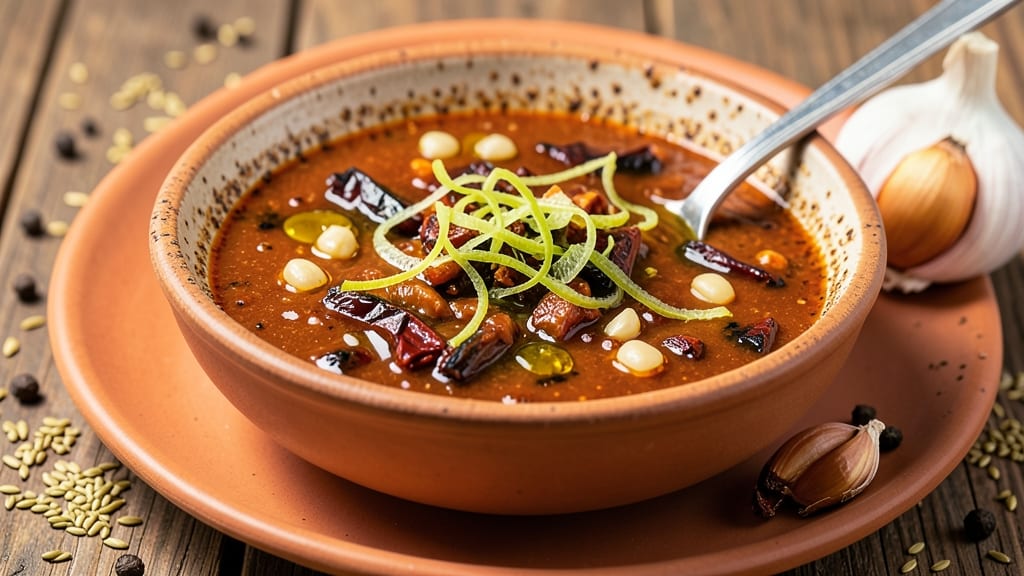
This Arabic hot sauce recipe transforms humble ingredients into a fiery, aromatic condiment that bridges Middle Eastern boldness with bright citrus tang. The secret lies in balancing smoky za’atar, garlic, and chili peppers with the acidity of lemon—creating a sauce that’s as versatile as it is addictive.
Unlike store-bought versions, this one builds depth through slow simmering, letting spices meld into a complex, heat-kissed finish.
The beauty of this recipe is its adaptability—whether you lean into Syrian warmth with extra cumin, Lebanese brightness with preserved lemon, or Yemeni depth with fermented chili paste.
The process is straightforward: blend, simmer, and strain for a smooth, vibrant sauce that adds drama to grilled meats, hummus, or even deviled eggs. What makes it special is how the heat develops—not from raw pepper burn, but from caramelized spices and citrus that linger on the palate.
What you’ll end up with is a bold, balanced hot sauce that’s ready in under 30 minutes but tastes like it simmered all day. The texture is silky yet packed with flecks of chili and za’atar, while the flavor profile shifts from smoky to tangy with each use.
Store it in the fridge for up to 2 weeks, or preserve it in oil for months—its versatility makes it a pantry essential.
Perfect for spicing up shawarma, drizzling over falafel, or mixing into marinades, this sauce proves heat doesn’t need to be one-dimensional. Let’s make it—your taste buds will thank you.
Ingredients for arabic hot sauce
Nine bold ingredients for a sauce that packs Middle Eastern heat and citrus zing.
| Ingredient | Amount | Notes |
|---|---|---|
| Dried Chili Peppers 🌶️ | ½ cup | Dried arbol or guajillo preferred |
| Za’atar Spice Blend 🌿 | 2 tbsp | Smoky, sesame-seed rich blend |
| Garlic Cloves 🧄 | 6 cloves | Freshly minced for bold flavor |
| Lemon Juice 🍋 | ½ cup | Freshly squeezed, no pulp |
| Extra-Virgin Olive Oil 🫒 | ½ cup | High-quality, fruity variety |
| Ground Cumin 🌿 | 1 tbsp | Toasted for deeper aroma |
| Salt 🧂 | 1 tsp | Kosher or sea salt preferred |
| Preserved Lemon Peel 🍋 | 2 tbsp | Finely chopped, optional but recommended |
| Granulated Sugar 🍯 | 1 tbsp | Balances acidity, lightens heat |
| Water 💧 | ¼ cup | For simmering and thinning |
Za’atar is the soul of this sauce—look for blends with sesame seeds at Middle Eastern markets or bulk bins. Trader Joe's carries a solid version, but specialty stores like Mediterranean Grocer have authentic options. The chili peppers? Arbol or guajillo add complexity, but any dried red chili works. Toast them lightly in a dry pan first to deepen their flavor—30 seconds max, just until fragrant. Preserved lemon? Skip it if you can't find it, but the tang is worth hunting for at specialty stores or online.
No za’atar? Mix 1 tbsp each dried thyme, sumac, and sesame seeds for a close substitute. Short on preserved lemon? Extra lemon juice plus a pinch of salt mimics the salted citrus flavor. The olive oil matters—cheap oil tastes cheap in this sauce, so splurge on something fruity and peppery. Need to adjust heat? Add more chili peppers for fire or extra lemon juice to cool it down. The sugar balances everything, but if you're avoiding it, date syrup works beautifully.
This sauce keeps for 2 weeks in the fridge, but the flavor actually improves over time as the spices meld. For longer storage, pour into a sterilized jar and cover with olive oil—it'll last 6 months. I like to make a big batch and freeze half in ice cube trays, then transfer to a bag. Perfect for adding heat to shawarma, hummus, or even Bloody Marys. The sauce thickens as it cools, so stir in a splash of water if it gets too stiff.
Why You'll Love This Recipe
- No-Soaking Needed: I’ll admit, I used to dread the thought of soaking dried peppers—until I realized this sauce thrives with just a quick toast. Toss those chilis in a dry pan for 2 minutes, then blend with za’atar and garlic. That’s it. No waiting, no fuss, just bold heat ready in minutes.
- Za’atar Magic: Honestly, the za’atar is what makes this sauce dangerously good. It’s that earthy, nutty, slightly tangy punch that cuts through the chili’s fire like a cool breeze. A splash of lemon juice ties it all together—bright, fresh, and impossible to resist. My husband dips bread in it just to snack.
- Game for Any Plate: This sauce isn’t just for tacos or wings. I’ve drizzled it over roasted veggies, stirred it into lentil soup, and even mixed it into hummus for a spicy kick. It’s my go-to for when I want flavor without overpowering the dish. (Yes, even on a Tuesday night.)
- Pantry Goldmine: Between us, this recipe costs pennies to make and lasts forever. A small jar stretches for weeks—drizzled here, dolloped there—without breaking the bank. Plus, the ingredients? Most are already lurking in your spice rack. No last-minute grocery runs needed.
Step-by-step instructions for Arabic hot sauce
Here's how to make this vibrant, tangy sauce that balances heat with bright citrus notes.
Toast the Dried Chili Peppers
Heat a dry skillet over medium heat and add the 0.5 cup dried chili peppers. Toast them for 1-2 minutes until they darken slightly and release their aroma—this deepens their flavor without burning. I stir constantly to ensure even toasting and prevent any peppers from scorching.
Once they're fragrant and slightly puffed, remove them from the heat and transfer to a bowl. Let them cool for 5 minutes before handling—they'll be hot! This cooling step makes them easier to work with and prevents steam burns when you're ready to blend.
Blend the Base Ingredients
In a blender, combine the toasted chili peppers, 6 cloves garlic, 2 tbsp za'atar spice blend, 1 tbsp ground cumin, 1 tsp salt, and 2 tbsp preserved lemon peel. Pulse until everything is finely chopped but not completely smooth—you want some texture to carry through the sauce.
Add the 0.5 cup lemon juice and 0.5 cup extra-virgin olive oil, then blend again until fully combined. The mixture should look like a thick, vibrant paste with a deep red hue from the chilis and bright yellow flecks from the lemon. If it's too thick, add 1-2 tablespoons of the 0.25 cup water to help it blend smoothly.
Simmer and Balance the Flavors
Transfer the blended mixture to a small saucepan and add the remaining 0.25 cup water. Stir in the 1 tbsp granulated sugar to balance the acidity and heat. Bring the mixture to a gentle simmer over medium-low heat, then reduce the heat to low and let it cook for 10-15 minutes.
Stir occasionally, scraping the bottom of the pan to prevent any ingredients from sticking. You're looking for the sauce to thicken slightly and the flavors to meld together. The sugar will help caramelize the spices, creating a deeper, more complex flavor profile. If the sauce becomes too thick, add a splash more water to reach your desired consistency.
Cool and Adjust the Heat
Remove the saucepan from the heat and let the sauce cool for 10 minutes. This cooling step is crucial—it allows the flavors to settle and makes it easier to taste and adjust. Once cooled, taste the sauce and adjust the seasoning as needed. If it needs more heat, add a pinch of the toasted chili peppers. If it's too sharp, add a bit more sugar or a splash of lemon juice to balance it.
For a smoother texture, strain the sauce through a fine-mesh sieve into a clean jar, pressing down on the solids with a spoon to extract all the flavor. If you prefer a slightly textured sauce, simply leave it as is. The sauce will continue to thicken as it cools, so don't worry if it looks a bit runny while warm.
Store and Use
Let the sauce cool completely, then transfer it to a clean, airtight jar. It will keep in the refrigerator for up to 2 weeks, or you can extend its shelf life by sterilizing the jar and sealing it properly for storage in the pantry for up to 3 months. This sauce is incredibly versatile—use it to drizzle over grilled meats, mix into hummus, or add a kick to your favorite soups and stews.
When using, start with a small amount and gradually increase to taste. The heat from the chilis and the brightness of the lemon create a complex flavor that builds with each use. Enjoy the bold, aromatic taste of this homemade Arabic hot sauce!
Pro Tips For Making Arabic Hot Sauce
- Toast the Peppers First: Dry roast your dried chilies in a skillet over medium heat for 1-2 minutes before blending—just until they darken and smell smoky. I learned this the hard way: skipping this step leaves your sauce tasting flat and one-dimensional, like missing the soul of the dish.
- Use Cold Garlic: Toss your minced garlic into the hot oil after the peppers have cooled slightly—around 90 seconds off the heat. Raw garlic burns fast, and you’ll end up with bitter, acrid notes that overpower the za’atar’s brightness. (Yes, even if you’re impatient like me.)
- Strain or Don’t: If you want a silky sauce, strain out the garlic and chili skins through a fine-mesh sieve. If you prefer texture, blend everything whole—just know it’ll be chunkier. I skip straining 80% of the time, but the first batch I strained? That’s the one I still reach for when I want restaurant-quality smoothness.
- Acid Last, Heat First: Add lemon juice after the sauce has cooled to room temperature—otherwise, the acid will cook off and leave your sauce tasting dull. A splash of cold-pressed lemon juice at the end also brightens the za’atar’s earthy notes, like a wake-up call for your taste buds. (Prove it to yourself by tasting before and after.)
Pro cooking tips for perfect results
Toast the Peppers Right
Never skip toasting your dried chili peppers—this step unlocks their full depth of flavor. I use a 10-inch cast iron skillet over medium heat and toast 30 seconds per side until they darken slightly and smell like a spice market.
Over-toasting burns them, turning bitter—just watch for that fragrant aroma. Let them cool completely before blending to avoid steam burns when you reach for the blender. 🌶️
Blend for Texture
For that perfect balance of smooth and flecked, pulse your ingredients in a high-speed blender like the Ninja BN601 until just combined—not completely smooth. You want visible specks of chili and za’atar for visual appeal and texture.
If your mixture is too thick, add 1 tablespoon water at a time until it blends easily. The goal is a vibrant paste, not a watery slurry.
Simmer Low and Slow
Simmering at low heat for 10-15 minutes lets the spices caramelize and meld, creating depth. I use a 2-quart stainless steel saucepan because it distributes heat evenly. Stir frequently to prevent sticking—this sauce should thicken slightly but remain pourable.
If it gets too thick, add 1 teaspoon water at a time until you reach the right consistency.
Adjust Heat with Precision
After cooling, taste your sauce and adjust carefully. For more heat, add ½ teaspoon toasted chili flakes at a time. Need to mellow the heat? Add ½ teaspoon extra sugar or 1 teaspoon lemon juice to balance the acidity.
I always make a small batch first to test the heat level before committing to a full recipe.
Strain for Smoothness
For a silky texture, strain through a fine-mesh sieve lined with cheesecloth. Press gently with a spoon to extract all the flavor. If you prefer texture, skip straining—those chili flecks add visual appeal and a subtle crunch.
The sauce will thicken as it cools, so don’t worry if it looks runny while warm.
Store Like a Pro
Transfer to a sterilized glass jar with an airtight seal. In the fridge, it keeps for 2 weeks, but the flavor actually improves over time. For long-term storage, cover with an extra layer of olive oil to preserve freshness.
I freeze extra sauce in ice cube trays for easy single-use portions—just pop one into any dish needing heat. ✨
Nutrition facts
Frequently asked questions
Can I make this sauce without za'atar?
Za'atar adds depth, but you can substitute with 1 tbsp each dried thyme, sumac, and sesame seeds for a similar flavor profile. The key is balancing the earthy notes with the chili and citrus. If you skip it entirely, just increase the garlic slightly to compensate for the missing herbal complexity.
How do I adjust the heat level?
For extra heat, add ½ teaspoon more toasted chili flakes or 1 extra dried chili pepper during blending. To mellow it, increase the lemon juice by 1 tablespoon or add ½ teaspoon sugar. Always taste after cooling—the heat perception changes as the sauce settles.
What's the best way to use preserved lemon?
Finely chop the peel (discard the pulp) and add it directly to the blender. The bright, salty citrus flavor is essential for balancing the heat. If you can't find preserved lemon, use extra lemon juice plus ¼ teaspoon salt instead. For a deeper flavor, soak regular lemon peel in salted water for 24 hours before using.
Can I ferment this sauce for probiotics?
Yes! For a fermented version, reduce the sugar to ½ teaspoon and add 1 tbsp whey or fermented garlic juice to kickstart fermentation. Store in a clean jar, leaving 1 inch headspace, and ferment at room temperature for 3-5 days. The sauce will develop tangy, probiotic-rich notes. Always use sterilized equipment for safety.
How long can I store this sauce?
In the fridge, it keeps for 2 weeks with peak flavor. For longer storage, sterilize a jar, cool the sauce completely, then seal under olive oil (cover completely). This preserves it for 3-6 months at room temperature. Freeze in ice cube trays for single-use portions—just thaw before using.