
Sauces & Condiments
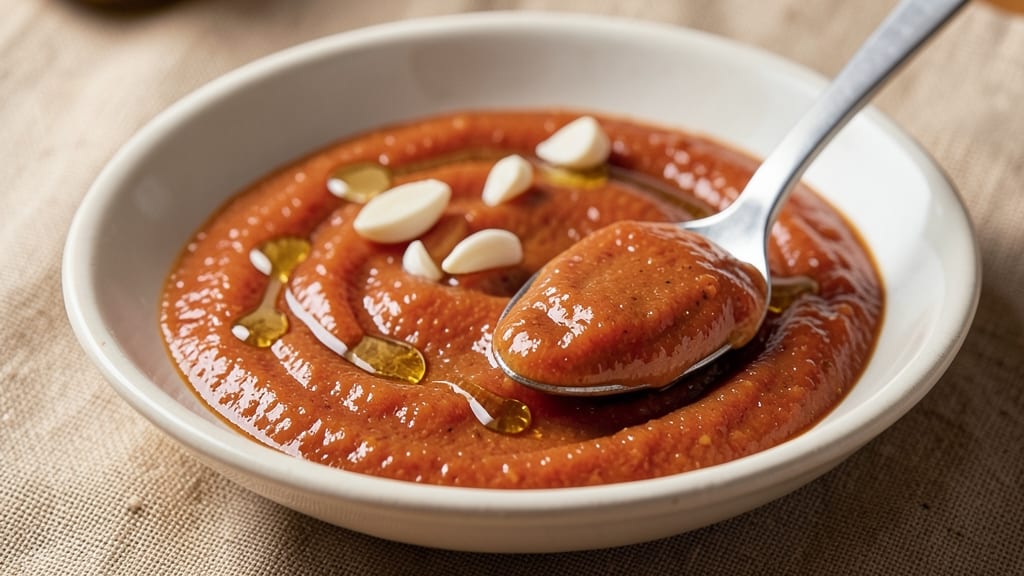
This apricot mustard sauce transforms ordinary roasted chicken and pork into something extraordinary with its perfect balance of sweet and tangy flavors. 💛 The secret lies in simmering apricot preserves with Dijon mustard and a touch of vinegar, creating a glossy glaze that caramelizes beautifully while roasting.
It's the kind of sauce that elevates simple weeknight meals into restaurant-worthy dishes without requiring advanced techniques.
The beauty of this sauce is its versatility—it works as a glaze for meats, a dip for crusty bread, or even a marinade for tenderizing tougher cuts.
The apricot preserves bring natural sweetness, while the mustard adds depth and a subtle kick, perfectly balanced by a splash of vinegar for brightness. What you'll end up with is a smooth, velvety sauce that's rich enough to stand alone but light enough to complement any dish.
Ready in just 15 minutes, this sauce requires minimal effort but delivers maximum flavor. The ingredients are simple—just a few pantry staples—and the process is straightforward, making it perfect for home cooks who want restaurant-quality results without the fuss.
Whether you're hosting a dinner party or simply craving something special for a weeknight meal, this sauce is your secret weapon.
Once made, it keeps well in the refrigerator for up to one week, allowing you to prep ahead and enjoy the convenience of having a flavorful sauce ready whenever inspiration strikes.
Pair it with roasted pork tenderloin, grilled chicken, or even as a glaze for vegetables for a dish that's sure to impress.
Ingredients for apricot mustard sauce
Sweet-tart balance starts with these nine simple, flavor-packed ingredients.
| Ingredient | Amount | Notes |
|---|---|---|
| Apricot Preserves 🍑 | ½ cup | High-quality, no added sugar preferred |
| Dijon Mustard 🌶️ | ¼ cup | Mild or medium heat variety |
| Red Wine Vinegar 🍷 | 2 tbsp | For brightness and tang |
| Extra-Virgin Olive Oil 🫒 | ¼ cup | For richness and smooth texture |
| Fresh Garlic Cloves 🧄 | 2 cloves | Minced for aromatic depth |
| Honey 🍯 | 1 tbsp | Optional, for extra sweetness |
| Salt 🧂 | ½ tsp | Diamond Crystal kosher preferred |
| Black Pepper 🌶️ | ¼ tsp | Freshly ground for warmth |
| Fresh Thyme Leaves 🌿 | 1 tsp | For subtle herbal note |
The apricot preserves are the heart of this sauce—look for brands with minimal additives like Bonne Maman or local fruit preserves. Trader Joe's and Whole Foods carry excellent options, but any good-quality jam works. Dijon mustard is non-negotiable here; the whole-grain texture adds body. Fresh garlic and thyme elevate it from basic to restaurant-quality, so don't skip them. For the vinegar, Bragg's or Annie's are reliable choices—they've got consistent tang without overpowering the sweetness.
No apricot preserves? Mango chutney or peach jam works in a pinch, though the flavor profile shifts slightly. Substituting apple cider vinegar for red wine vinegar keeps things bright but loses that subtle wine complexity. The honey is truly optional—maple syrup at half the amount works if you prefer—but it helps balance the acidity. For a smoother texture, strain the sauce through a fine-mesh sieve after simmering. If you're making this ahead, reduce the vinegar by 10% since flavors meld and intensify over time.
This sauce keeps beautifully—1 week refrigerated in an airtight jar. The flavors actually improve after 24 hours as everything marries together. For longer storage, freeze in ice cube trays and transfer to a bag. Perfect for glaze, dip, or marinade—just reheat gently on the stove with a splash of water if it thickens. A little goes a long way, so make extra for future meals. It's especially magical drizzled over roasted pork chops or grilled chicken.
Why You'll Love This Recipe
- No-Fuss Pantry Magic: This sauce comes together with stuff you already have—no fancy shopping required. I’ve made it three times using whatever apricot jam I had on hand, and it still delivers that perfect tangy-sweet balance every time.
- Sweet Heat Harmony: That first bite of garlic-infused olive oil and apricot jam? It’s like a flavor hug. The Dijon mustard cuts through the sweetness while the red wine vinegar adds just enough bite to make it irresistibly addictive.
- Weeknight to Dinner Party: Slather it on grilled chicken for a Tuesday dinner or drizzle it over seared scallops for a fancy date night—no one will guess how little effort it took. Honestly, I’ve used it on everything from toast to roasted veggies, and it never lets me down.
- Makes More Than You Think: A small jar of apricot preserves stretches into enough sauce for two meals, and it keeps in the fridge for weeks. Between us, this is my go-to for last-minute leftovers—just reheat and serve. Budget-friendly? Absolutely. Time-saving? Even better.
Step-by-step instructions for apricot mustard sauce
This velvety glaze balances sweet and tangy perfectly—here's how to make it shine.
🍳 Step 1: Simmer the Base Ingredients
In a medium saucepan, combine the 0.5 cup apricot preserves, 0.25 cup Dijon mustard, 2 tbsp red wine vinegar, and 0.25 cup extra-virgin olive oil. Place over medium heat and bring to a gentle simmer, stirring constantly with a wooden spoon. You'll see the mixture bubble softly and begin to thicken slightly—this should take about 3-4 minutes.
Here's the thing—don't rush this step. The preserves need time to melt smoothly into the mustard, creating the perfect foundation. If you see any lumps forming, use the back of your spoon to gently press them against the pan's sides until fully incorporated. The sauce should be completely smooth before moving forward.
🔥 Step 2: Add Aromatics and Sweeten
Reduce the heat to low and add the 2 minced garlic cloves, 1 tbsp honey, 0.5 tsp salt, and 0.25 tsp black pepper. Stir vigorously for 1 minute until the garlic becomes fragrant and the honey dissolves completely. The mixture should smell rich and complex—like a cross between apricot jam and Dijon mustard.
I like to taste the sauce at this stage to check the balance. It should be tangy from the mustard and vinegar, sweet from the apricot and honey, with a subtle garlic warmth. If it's too sharp, add a pinch more honey; if too sweet, a splash of vinegar will bring it back. This is where you fine-tune the flavor profile.
🥘 Step 3: Finish with Herbs and Test Consistency
Remove the pan from heat and stir in the 1 tsp fresh thyme leaves. Let the sauce sit for 2 minutes to steep—this allows the thyme's delicate aroma to infuse fully. Then return to low heat and simmer for another 1-2 minutes to ensure everything is perfectly combined.
For the ideal consistency, the sauce should coat the back of a spoon but still be pourable. If it's too thick, whisk in 1-2 tablespoons water to loosen. If too thin, simmer uncovered for another minute to reduce slightly. The perfect texture should be glossy yet spreadable—thick enough to cling to roasted meats but smooth enough to drizzle.
⏰ Step 4: Cool and Adjust Before Serving
Transfer the sauce to a bowl and let it cool for 5 minutes—this resting period allows the flavors to meld completely. Taste again and make any final adjustments: perhaps a pinch more salt to enhance the flavors, or a splash more vinegar if you prefer extra tang. The sauce should be vibrant, with bright apricot notes cutting through the mustard's richness.
This sauce keeps beautifully in the refrigerator for up to 1 week, making it perfect for meal prep. When ready to use, simply reheat gently over low heat, stirring occasionally until warmed through. The texture will thicken slightly as it cools, so adjust with water if needed before serving.
Pro Tips For Making Apricot Mustard Sauce
- Warm the preserves first: Skip the cold shock—heat your apricot preserves in a small saucepan over low heat for 1-2 minutes until just pourable. This makes the sauce emulsify better with the mustard and oil, avoiding that weird grainy texture that happens when you dump cold preserves straight into hot oil.
- Mince garlic like you mean it: No food processor, no excuses—use a sharp knife and chop those garlic cloves into a fine paste, almost like a thick jam. I learned this the hard way: whole cloves or even rough minces leave raw bits that fight with the mustard’s tang. A paste blends seamlessly.
- Whisk in oil slowly: Start with just 1 tablespoon of olive oil, whisking vigorously before adding more. The sauce can break if you dump in all the oil at once—it’s like trying to mix oil and vinegar in a salad dressing. Go slow, and you’ll get that silky, cohesive texture every time.
- Balance the vinegar last: Taste before adding red wine vinegar—it’s easy to overdo it. Add just ½ teaspoon at a time, because once it’s in, you can’t take it out. The goal is brightness, not a pucker-inducing punch. (Yes, even if you’re impatient like me.)
Creative variations of this dish
Sweet-Tart Glazes
Use this sauce as a glaze for roasted meats by brushing it on during the last 10-15 minutes of cooking. For pork tenderloin, I recommend a medium-high heat broil for 3-4 minutes to caramelize the sugars beautifully.
The mustard adds a tangy contrast that cuts through the richness of pork, while the apricot brings a natural sweetness that caramelizes into a glossy finish. 🔥
Tangy Dipping Sauce
Serve this sauce chilled as a dip for crispy roasted chicken, fries, or even pretzels. The balance of sweet and tangy makes it irresistible—especially when paired with cool beer like a crisp Peroni or a dry Sauvignon Blanc.
For extra texture, sprinkle with toasted sesame seeds or crushed pecans before serving. I love it with homemade chicken tenders for a kid-friendly but sophisticated option.
Marinade Magic
Double the recipe and use it as a marinade for chicken thighs or pork chops. Let the meat soak for at least 2 hours (or overnight for deeper flavor). The acidity in the vinegar tenderizes the meat, while the mustard and apricot create a sticky, flavorful crust when seared.
I like to grill the marinated meat over medium heat for 4-5 minutes per side, then brush with extra sauce during the last minute of cooking.
Vegetable Enhancer
Drizzle this sauce over roasted Brussels sprouts, carrots, or sweet potatoes for a sweet-tart contrast. Toss the veggies with 1 tbsp olive oil, roast at 400°F for 20-25 minutes, then finish with the sauce and a sprinkle of feta cheese.
The mustard adds a subtle kick that balances the natural sweetness of the vegetables, making even simple sides feel gourmet. 💫
Bread and Cheese Pairings
Spread this sauce on warm crusty bread with goat cheese or brie for an open-faced appetizer. The mustard and apricot create a perfect balance with the creamy cheese, while the vinegar adds a bright finish.
For extra flair, top with thinly sliced apples or pear slices to complement the fruit flavors in the sauce.
Sweet-Savory Balance
Add a pinch of smoked paprika or cayenne pepper to the sauce for a sweet-and-smoky twist. This works amazingly as a drizzle over grilled peaches or baked apples. The heat from the spices enhances the apricot’s natural sweetness, while the mustard keeps the flavors from becoming too one-dimensional.
Perfect for summer fruit desserts or as a glaze for ham.
Nutrition facts
Frequently asked questions
Can I make this sauce without apricot preserves?
Yes! You can substitute mango chutney or peach jam for the apricot preserves, though the flavor profile will shift slightly. For a similar sweet-tart balance, try fig jam or even plum preserves. Just reduce any added honey by ½ teaspoon since these alternatives may already be sweeter.
How do I adjust the thickness of the sauce?
If your sauce is too thick, whisk in 1-2 tablespoons water or apple cider to loosen it. For a thicker consistency, simmer uncovered over low heat for 2-3 minutes to reduce. The ideal texture should coat the back of a spoon but still be pourable—thick enough to cling to meats but smooth enough to drizzle.
Can I use this sauce as a marinade?
Double the recipe and use it as a marinade for chicken thighs or pork chops. Let the meat soak for at least 2 hours (or overnight for deeper flavor). The acidity in the vinegar tenderizes the meat, while the mustard creates a flavorful crust when seared. Just reserve ¼ cup of the marinade to use as a glaze during the last minute of cooking.
Why does my sauce look grainy?
Graininess usually happens when the preserves don't melt smoothly into the mustard. To fix it, place the saucepan over low heat and stir constantly for 2-3 minutes until fully combined. For a silky texture, strain the sauce through a fine-mesh sieve after simmering. If using powdered mustard instead of Dijon, this issue is more likely—always use Dijon for the best results.
How long does this sauce keep in the fridge?
This sauce stays fresh for up to 1 week when stored in an airtight container in the refrigerator. The flavors actually improve as they meld together over time. For longer storage, freeze in ice cube trays, then transfer to a freezer bag. Thaw in the fridge overnight before using—never microwave directly from frozen.