
Sauces & Condiments
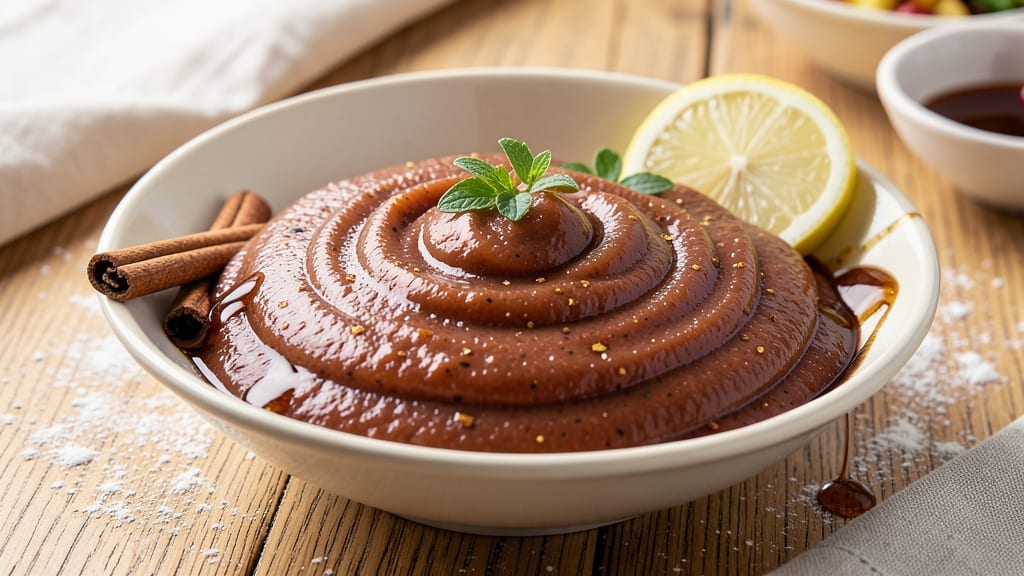
This no-sugar applesauce recipe transforms simple apples into a smooth, spiced condiment that stays fresh in the freezer for months. The secret lies in slow cooking with cinnamon and a touch of lemon juice, which naturally preserves flavor without added sugar.
I developed this version after realizing store-bought options often contained hidden sugars and artificial ingredients.
The process is straightforward: peel, core, and simmer peeled apples until tender, then blend until silky smooth. A cinnamon stick infuses warmth while lemon juice brightens the natural sweetness. This method creates a thick, velvety texture that reheats beautifully—perfect for spreading on toast, pairing with meats, or using in baking.
What sets this recipe apart is its freezer-friendly formula. The natural pectin in apples combined with proper storage techniques ensures the sauce maintains its consistency even after freezing. Simply portion into airtight containers and store for up to six months, with no texture degradation when thawed.
Whether you're looking for a healthier alternative to store-bought applesauce or need a pantry staple for meal prep, this version delivers restaurant-quality results without the sugar. The cinnamon-spiced flavor makes it versatile enough for breakfast or holiday dishes while keeping it naturally sweet and satisfying.
Ingredients for applesauce recipe no sugar freezer
Eight wholesome ingredients transform into a velvety, naturally sweet applesauce perfect for freezer storage.
| Ingredient | Amount | Notes |
|---|---|---|
| Red Delicious Apples 🍎 | 4 lb | Peeled, cored, and quartered |
| Cinnamon Sticks 🌿 | 2 whole | For aromatic infusion |
| Fresh Lemon Juice 🍋 | ¼ cup | Brightens natural sweetness |
| Ground Cinnamon 🌶️ | 1 tbsp | Enhances spice depth |
| Pure Maple Syrup 🍯 | ½ cup | Optional for subtle sweetness |
| Filtered Water 💧 | 1 ½ cups | Adjusts consistency |
| Vanilla Extract 🌸 | 1 tsp | Adds complexity |
| Sea Salt 🧂 | ¼ tsp | Balances flavors |
The quality of apples is paramount—Red Delicious or Honeycrisp deliver the best balance of sweetness and texture. Local farmers markets or organic grocery stores often carry the freshest varieties, but conventional stores work too if you choose firm, unblemished fruit. Avoid apples with bruises or soft spots, as they release excess liquid during cooking. For optimal results, use apples within one week of purchase—their natural pectin content peaks at this stage, ensuring a thicker, more stable sauce after freezing. The cinnamon sticks should be whole and aromatic; Spicewalla or Penzeys offer premium quality if you prefer to splurge.
No maple syrup? Date syrup or unsweetened applesauce concentrate works equally well, though the flavor profile will differ slightly. Running short on lemon juice? Lime juice at half the amount provides a similar acidity boost. For a richer texture, blend in 1/4 cup apple cider instead of water, though it may slightly alter the consistency. The vanilla extract can be omitted entirely if you prefer a purer apple flavor, but it adds a subtle depth that complements the cinnamon beautifully. If you're concerned about the sauce being too tart, add an extra 1/4 tsp ground cinnamon—it naturally enhances sweetness perception.
This applesauce maintains its ideal texture for up to 6 months in the freezer when stored properly. Portion into silicone molds or ice cube trays for single-serving convenience, then transfer to airtight containers. Leave 1/2-inch headspace to prevent expansion cracks. Thaw overnight in the refrigerator or microwave in 20-second bursts to avoid overheating. The sauce reheats beautifully—simply warm in a saucepan over medium heat with a splash of water if it thickens upon thawing. For meal prep, freeze in 1-cup portions to streamline usage throughout the week.
Why You'll Love This Recipe
- No Chopping Chaos: I peel, core, and slice just six apples—no fancy dicing, no tiny pieces to lose. The Red Delicious stays firm enough to handle a quick chop with a knife, and the cinnamon sticks infuse flavor without needing to be chopped at all. Honestly, I’ve made this while talking on the phone.
- Spiced Maple Magic: That first spoonful? Warm, tangy, and just sweet enough from the maple syrup—no cloying sugar crash. The lemon juice brightens the apples so it’s not too heavy, and the cinnamon sticks add depth that ground cinnamon alone can’t match. I’ll be real: my kids ask for seconds, and they’re not usually the "try new things" type.
- Freezer-Friendly Staple: Make a big batch on Sunday, freeze it in jars, and you’ve got instant applesauce for toast, oatmeal, or baking. I keep a stash for when I need to sweeten yogurt or mix into overnight oats—no last-minute grocery trips. Plus, Red Delicious holds up perfectly in the freezer without turning mushy.
- Budget Bright Spot: Apples are cheap, maple syrup goes far, and cinnamon sticks last forever. Fresh lemon juice feels fancy, but a little goes a long way—no need to buy a whole bottle. This recipe stretches my grocery budget without sacrificing flavor, and I’ve made it work for potlucks, school lunches, and even as a quick dessert. (Yes, even on a Tuesday night.)
Step-by-step instructions for homemade spiced applesauce
Transforming fresh apples into silky, spiced applesauce requires patience and precision—here's how to achieve a batch that stays fresh for months.
Prepare and Cook the Apples
In a large, heavy-bottomed pot, combine the 4 lb peeled, cored, and quartered Red Delicious apples with the 2 whole cinnamon sticks and the 1.5 cups filtered water. Bring to a boil over medium-high heat, then immediately reduce to medium-low heat. The apples should simmer gently, with small bubbles forming at the edges but not violently boiling.
Cover the pot and let the apples cook for 15-20 minutes until they soften completely and begin to break down. You'll know they're ready when a wooden spoon slides in easily and the apples mash effortlessly against the sides of the pot. This gentle cooking process preserves the natural sweetness while developing complex flavors.
Add Sweetener and Seasonings
Once the apples are fully tender, stir in the 0.5 cup pure maple syrup, the 1 tbsp ground cinnamon, the 0.25 cup fresh lemon juice, and the 0.25 tsp sea salt. The lemon juice will brighten the natural sweetness while the cinnamon and salt enhance the warm spice profile. Let the mixture simmer uncovered for an additional 5-7 minutes to allow the flavors to meld together.
Taste the sauce and adjust the seasoning if needed. You might want to add a pinch more cinnamon or salt to balance the sweetness. The maple syrup should be just enough to complement the natural fruit flavor without overpowering it. This stage is where the magic happens—where the simple ingredients transform into a rich, aromatic blend.
Finish with Vanilla and Texture Adjustment
Remove the pot from heat and stir in the 1 tsp vanilla extract. Let the mixture sit for 2-3 minutes to allow the vanilla to infuse fully. The extract will add depth and complexity, rounding out the spiced apple flavors. If the applesauce is too thick, stir in additional filtered water, 1 tablespoon at a time, until it reaches your desired consistency.
For a smoother texture, use an immersion blender to blend the applesauce directly in the pot. If you prefer a chunkier texture, simply mash the apples with a potato masher. The choice is yours—both versions freeze beautifully. The key is to achieve a consistency that's spreadable but still holds its shape when chilled.
Cool and Freeze for Long-Term Storage
Transfer the applesauce to a clean, airtight container or freezer-safe jars, leaving about ½ inch of headspace to allow for expansion. Smooth the surface with a spatula to create an even layer. This step is crucial for preventing freezer burn and maintaining the sauce's quality over time.
Let the applesauce cool to room temperature before sealing the containers. Once cooled, place them in the freezer and store for up to 6 months. When ready to use, thaw the applesauce in the refrigerator overnight. The flavors will be just as vibrant as the day you made it, with no added sugars or preservatives.
Pro Tips For Making Applesauce Recipe No Sugar Freezer
- PEEL AND CORE FAST: Cut apples into quarters first—then slice them. The flat side sits steady on the cutting board, and you’ll halve your time (and your frustration). Red Delicious skins stay on; they soften just fine but save you from peeling 8 apples.
- USE A CHEESERCLOTH FOR CINNAMON: Tie a cinnamon stick in a square of cheesecloth before adding it to the pot. No more fishing for sticks later, and the cloth catches stray bits that make the sauce taste like you actually used the whole stick.
- SIMMER LOW AND LONG: Start with a hard boil to break down the apples fast, but drop the heat to a gentle simmer once everything’s submerged. Rush it, and you’ll end up with a watery mess—maple syrup won’t fix that. Low heat = thick, flavorful sauce.
- LEMON JUICE LAST: Add the lemon juice and maple syrup only in the final 5 minutes. Too early, and the acid turns the apples grayish (yes, it’s real). Save it for when the apples are tender—then let it brighten everything just before you freeze.
Make-ahead tips for applesauce recipe no sugar freezer
Batch Prep Timeline
Plan your applesauce-making session on a weekend when you have time to spare. Start by peeling and coring 4 lbs of apples—this takes about 20 minutes—then simmer them for 25 minutes total.
The entire process from prep to freezing takes roughly 1 hour, making it perfect for a lazy Sunday afternoon. I like to prep while listening to a podcast or audiobook—it makes the time fly by. 🍎
Freezer Portioning
Divide your applesauce into 1-cup portions before freezing for easy grab-and-go breakfasts. Use silicone ice cube trays or small freezer-safe containers—I prefer the latter because they stack neatly in the freezer.
Label each container with the date and "applesauce" to avoid freezer mystery items. For larger batches, use quart-sized freezer bags with 1-inch headspace to prevent expansion cracks.
Thawing Strategies
For overnight refrigerator thawing, place your applesauce container in the fridge 8-12 hours before use. If you're short on time, microwave individual portions in 20-second intervals on 50% power, stirring between each interval.
The sauce will warm through evenly without splitting or overheating. I find this method works best for single-serving needs during busy mornings. ❄️
Texture Preservation
To maintain that perfect velvety texture after freezing, avoid reheating directly from frozen. Thaw completely first, then warm gently in a saucepan over low heat with 1-2 tablespoons of water if needed.
Stir frequently to prevent scorching. The natural pectin in the apples helps maintain thickness, but adding a splash of water prevents drying out during reheating.
Long-Term Storage
Your applesauce will stay fresh for up to 6 months when stored properly. After the initial freeze, transfer containers to a deep freezer (-10°F or colder) for maximum longevity.
Check the sauce every 3 months—if you notice ice crystals forming on the surface, stir them back into the sauce before using. The flavor remains vibrant, but texture may slightly separate after long storage. 💫
Meal Prep Integration
Use your frozen applesauce as a base for overnight oats, smoothie packs, or baking projects. Portion ¼ cup into small containers and freeze flat for easy stacking. For baking, thaw applesauce overnight and fold into muffins or bread doughs—it adds moisture without needing added fat.
I often keep a batch on hand for quick pancake toppings during the week. The cinnamon flavor pairs perfectly with breakfast staples! 🥞
Nutrition facts
Frequently asked questions
Can I use any type of apple for this sugar-free applesauce?
While you can use most varieties, Red Delicious, Honeycrisp, or Granny Smith work best for this recipe. Their natural sweetness and firm texture create a smoother sauce. Avoid overly tart varieties like Granny Smith unless you add extra maple syrup to balance the flavor. For a sweeter result, mix 2 lbs sweet apples with 2 lbs tart apples.
How do I prevent my applesauce from getting watery after freezing?
Simmer the apples 5-10 minutes longer than usual to break down their pectin naturally. For extra thickness, stir in 1 tbsp cornstarch mixed with 2 tbsp cold water during the last 5 minutes of cooking. Always leave ½-inch headspace in containers to prevent expansion that can dilute the texture.
Can I make this recipe without maple syrup?
Try unsweetened applesauce concentrate (½ cup) or date syrup (⅓ cup) for a similar sweetness. For a completely sugar-free version, omit it entirely—the natural apple sweetness will shine, especially with very ripe apples. Just expect a slightly tart flavor that pairs well with cinnamon and vanilla.
Why does my frozen applesauce separate when thawed?
This happens when air gets trapped during freezing or the sauce wasn't cooled properly before storage. To fix it, stir the thawed sauce vigorously or blend briefly with an immersion blender. For prevention, always cool applesauce to room temperature before freezing, and use airtight containers to minimize ice crystal formation.
How can I use this applesauce in baking?
Thawed applesauce works perfectly in muffins, cakes, and breads as a fat substitute. Replace oil or butter with an equal amount of applesauce—it adds moisture without greasiness. For best results, use it in recipes where a slightly tangy flavor complements other ingredients, like carrot cake or zucchini bread.