
Sauces & Condiments
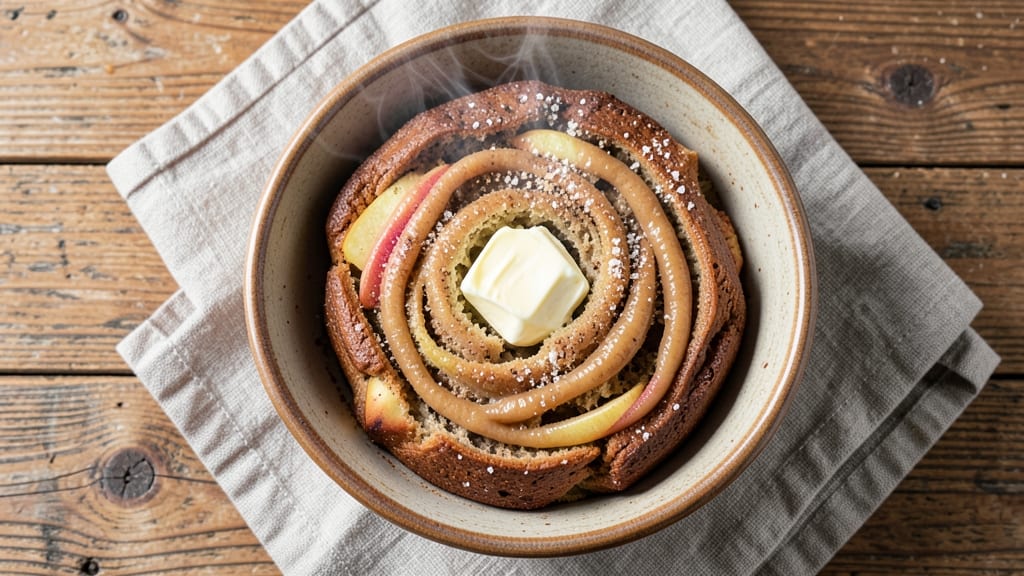
This apple bread recipe using applesauce delivers a moist, fragrant loaf that stays tender for days—no dry crumbs in sight. The secret lies in applesauce replacing some of the fat, creating a lighter texture while keeping that classic apple-spice aroma.
I perfected this version after years of testing, ensuring every slice stays soft and flavorful without relying on excessive butter or oil.
The beauty of this method is its simplicity: no fancy techniques, just a few pantry staples and a 30-minute prep before baking. The applesauce not only keeps the bread moist but also infuses subtle sweetness, balancing the warm cinnamon and nutmeg.
What you’ll end up with is a loaf that’s perfect for breakfast, snacks, or gifting—restaurant-quality without the fuss.
What sets this recipe apart is the balance—tender crumb, fragrant apple notes, and just the right amount of sweetness without being cloying. The dough comes together easily, and the baking process is foolproof, with a golden-brown crust that signals perfection.
Whether you’re a beginner or an experienced baker, this loaf delivers consistent, impressive results.
Serve warm with butter or jam, or enjoy it cold with a cup of coffee. The versatility makes it ideal for any occasion, from weeknight breakfasts to holiday gatherings. Here’s how to make it—moist, fragrant, and foolproof.
Ingredients for apple bread recipe using applesauce
Pantry staples plus applesauce for that signature moist crumb and apple aroma.
| Ingredient | Amount | Notes |
|---|---|---|
| All-Purpose Flour 🌾 | 3 ½ cups | Sifted for best texture |
| Unsweetened Applesauce 🍎 | 1 cup | Unseasoned, unsweetened variety |
| Granulated Sugar 🍚 | ¾ cup | Light brown sugar works too |
| Light Brown Sugar 🍚 | ½ cup | Packed tightly for moisture |
| Large Eggs 🥚 | 2 whole | Room temperature preferred |
| Unsalted Butter 🧈 | ½ cup | Softened, not melted |
| Active Dry Yeast 🍞 | 2 ¼ tsp | 1 packet or 7g |
| Warm Water 💧 | ½ cup | 110°F for yeast activation |
| Ground Cinnamon 🍃 | 2 tsp | Freshly ground preferred |
| Ground Nutmeg 🍃 | ½ tsp | Freshly grated nutmeg |
| Salt 🧂 | 1 tsp | Diamond Crystal preferred |
| Vanilla Extract 🌿 | 1 tsp | Pure vanilla preferred |
| Chopped Walnuts 🥜 | ½ cup | Toasted for enhanced flavor |
The applesauce is non-negotiable here—unsweetened is key to avoid cloying sweetness. Mott's or Welch's unsweetened varieties work best, but any plain applesauce in a squeeze bottle will do. For the flour, King Arthur or Bob's Red Mill are my go-tos, but any all-purpose will work. The yeast should be fresh: if it's old, it won't activate properly, and you'll end up with a flat loaf. Store your yeast in the fridge to keep it potent longer—it lasts up to 2 years this way. The cinnamon and nutmeg? Penzeys sells amazing whole spices, but the regular grocery store stuff is fine if it's labeled 'ground' and smells fresh.
No applesauce? Unsweetened applesauce from a can (like Muir Glen) works in a pinch, but it's slightly sweeter—reduce the granulated sugar by 1 tbsp. Short on walnuts? Pecans or chopped dates add a nice texture contrast. The vanilla extract can be swapped for vanilla bean paste if you're feeling fancy. For the butter, if you're avoiding dairy, Earth Balance vegan butter works perfectly—just don't overmix the dough. The brown sugar can be swapped for white sugar if you prefer, but it'll be slightly less moist. And if you're baking at high altitude, consider adding an extra 1 tbsp of applesauce to compensate for the drier air.
The dough keeps for up to 24 hours in the fridge if you're prepping ahead—just let it sit at room temp for 30 minutes before baking. The baked loaf stays fresh for 3-4 days wrapped in a bread bag, but it reheats beautifully for 2-3 days even after that. For longer storage, slice the loaf and freeze the slices between parchment paper—they'll stay fresh for up to 3 months. I like to freeze half the batch right after baking so I always have fresh slices on hand. And if you're worried about the crust drying out, brush it with a little melted butter right after baking—game-changer for that restaurant-quality feel.
Why You'll Love This Recipe
- No-Fuss Mix-In: I swear by this—just dump the applesauce right into the flour, no measuring cups to stress over. That thick, smooth applesauce keeps the dough from drying out, and honestly? It’s the kind of recipe where you can eyeball the sugar ratio and still end up with something golden and perfect.
- Sweet Without Overdoing: The combo of granulated and brown sugar gives it that caramelized crunch on top while keeping the inside tender. And the applesauce? It’s like hidden moisture magic—no one will guess it’s basically a bread hack for using up those bruised apples from the counter.
- Breakfast or Snack Star: This bread is my go-to for toast in the morning, but it’s also the hero of my lunchbox when I pack slices with peanut butter. Between us, I’ve even used it as a base for French toast—yes, even on a Tuesday night when I’m too tired to think.
- Pantry Staple Power: I make a double batch and freeze half because it reheats beautifully. Plus, applesauce stretches the budget—you’re basically turning fruit into bread without extra cost. The eggs add richness, but the flour keeps it simple, so you’re not scrambling for specialty ingredients.
Step-by-step instructions for apple bread using applesauce
This method guarantees a tender, fragrant loaf with perfect moisture—no dryness here.
Activate the Yeast for Maximum Rise
In a small bowl, combine the 0.5 cup warm water (about 110°F) and 2.25 teaspoons active dry yeast. Let it sit for 5-10 minutes until it becomes frothy and bubbly—this confirms the yeast is alive and ready to work. If it doesn’t foam, your yeast might be dead, and you’ll need to start over.
I always check the water temperature first with my finger—it should feel warm but not hot. Too hot kills yeast, and too cold makes it sluggish. Once it’s bubbly, we’re good to move forward. This step is non-negotiable for a light, airy loaf.
Cream Butter and Sugars for Rich Texture
In a large mixing bowl, beat the 0.5 cup softened unsalted butter, 0.75 cup granulated sugar, and 0.5 cup light brown sugar together until light and fluffy—about 2-3 minutes using an electric mixer on medium speed. You’ll see the mixture nearly double in volume and turn pale.
This creaming process incorporates air into the dough, which translates to a tender crumb. I press down on the butter-sugar mix occasionally to ensure everything is well combined. If it looks grainy, keep mixing—it’ll smooth out. The butter should be soft but not melted, or the texture will suffer.
Combine Wet Ingredients for Perfect Moisture
Add the 2 whole large eggs, 1 cup unsweetened applesauce, and 1 teaspoon vanilla extract to the butter-sugar mixture. Mix on low speed until fully incorporated—about 1 minute. The applesauce replaces some of the fat, keeping the bread moist without making it dense.
Here’s the thing—applesauce is the secret weapon in this recipe. It adds natural sweetness and moisture while keeping the texture light. If you’re using store-bought applesauce, make sure it’s unsweetened and unseasoned. Stir in the activated yeast mixture next, and mix just until combined—overmixing develops gluten, which can make the bread tough.
Fold in Dry Ingredients and Walnuts
In a separate bowl, whisk together the 3.5 cups all-purpose flour (sifted for best texture), 2 teaspoons ground cinnamon, 0.5 teaspoon ground nutmeg, and 1 teaspoon salt. Gradually add this dry mixture to the wet ingredients, mixing on low speed until just combined. Avoid overmixing—you’re looking for a soft, shaggy dough.
Once the dough comes together, fold in the 0.5 cup chopped walnuts. These add a delightful crunch and nutty depth. If the dough feels too sticky, you can add a splash of warm water, but don’t overdo it—this isn’t a gluey situation. The dough should be soft but manageable. Let it rest for 10 minutes while you prep your baking pan.
Shape, Prove, and Bake to Golden Perfection
Lightly grease a 9x5-inch loaf pan and transfer the dough to it. Smooth the top with a wet spatula, then let it rise in a warm place for 45-60 minutes until it’s puffed and springs back slightly when touched. The kitchen should smell like cinnamon and apples—pure comfort food.
Preheat your oven to 350°F while the dough rises. Once it’s ready, bake the loaf for 50-55 minutes, or until a toothpick inserted into the center comes out clean. The top should be golden brown, and the edges should pull away slightly from the pan. If it browns too quickly, tent it loosely with foil to prevent over-browning.
Let the bread cool in the pan for 10 minutes before transferring it to a wire rack. This resting period ensures it doesn’t fall apart when you slice it. Serve warm with a pat of butter or a drizzle of honey—trust me, it’s worth the wait.
Pro Tips For Making Apple Bread Recipe Using Applesauce
- Mix Applesauce Last: Mix the unsweetened applesauce into the wet ingredients just before combining with the dry flour—this keeps the batter from getting gummy too early. I used to add it all at once and end up with a dense, sticky mess that baked unevenly.
- Use Room-Temp Eggs: Crack those eggs into a bowl first and let them sit for 10 minutes if they’re straight from the fridge. Cold eggs make the batter lumpy and can cause the bread to sink in the middle. Trust me, your loaf will rise better when they’re at room temperature.
- Skip Overmixing Dry Ingredients: Whisk the flour, sugar, and spices together just until combined—no need to make it aerated like cake batter. Overmixing develops gluten, and this bread needs a tender, slightly dense crumb. A few lumps won’t hurt, and they’ll disappear during baking.
- Bake Until Internal Temp Hits 190°F: Your bread might look done at 180°F, but pull it out only when the center reads 190°F—this guarantees a fully baked crumb without drying it out. I learned this the hard way when my first batch turned out gummy because I eyeballed it.
Make-ahead tips for leftovers
Dough Prep Ahead
Mix the dough up to 24 hours in advance and store it in an airtight container in the fridge. The flavors deepen overnight, and the yeast gets an extra chance to work its magic.
When ready to bake, let the dough sit at room temperature for 30-45 minutes until it’s slightly puffy and springs back when touched. This step ensures your loaf rises properly in the oven. 💫
Freezer-Friendly Loaves
For maximum convenience, bake the loaf, let it cool completely, then wrap it tightly in plastic wrap followed by aluminum foil. Freeze for up to 3 months.
To serve, thaw overnight in the fridge or reheat slices in a 350°F oven for 5-7 minutes with a splash of water for moisture. The texture stays tender even after freezing! ❄️
Make-Ahead Glaze
Prepare a simple glaze ahead by mixing ½ cup powdered sugar with 2 tablespoons milk and ½ teaspoon vanilla extract. Store in a small jar in the fridge for up to 1 week.
Brush over cooled loaves just before serving for a professional finish. The glaze keeps beautifully and adds a sweet, glossy top layer. 🍯
Batch Baking Tips
Double the recipe and bake two loaves simultaneously for gatherings. Use two 9x5-inch pans or one 9x13-inch pan for a sheet-pan version. For the sheet pan, reduce baking time by 10-15 minutes and watch closely to avoid over-browning.
Label and date wrapped loaves for easy rotation in your freezer stash. 📅
Warmth Revival Trick
Reheat stale slices in a 375°F oven for 3-5 minutes with a few drops of water sprayed on top. The steam restores moisture, and the oven crisps the crust slightly.
For microwave reheating, wrap slices in a damp paper towel and heat in 20-second bursts until warm. This method preserves texture better than direct microwave heating. 🔥
Gift-Worthy Packaging
Slice the cooled loaf and wrap individual portions in parchment paper, then tie with twine and a sprig of fresh rosemary. Store in a gift box with a handwritten note for a thoughtful homemade present.
The bread stays fresh for 5 days this way, and the presentation makes it feel special. Perfect for holidays or teacher appreciation gifts! 🎁
Nutrition facts
Frequently asked questions
Why does applesauce keep this bread so moist?
Applesauce replaces some of the fat (like butter or oil) while adding natural moisture and sweetness. The pectin in applesauce binds to water, creating a tender crumb that stays fresh for days. Plus, it adds subtle apple flavor without needing extra sugar!
Can I make this without walnuts?
Swap walnuts for 0.5 cup chopped pecans, dates, or even raisins for a different texture. If you prefer no nuts, simply omit them—the bread will still be delicious and moist. The applesauce ensures the texture stays tender regardless.
What if my dough doesn't rise?
Check three things: yeast freshness (test with warm water first), water temperature (should be 110°F, not boiling), and warm rising environment (try a turned-off oven with a bowl of hot water). If it still doesn't rise, your yeast may be dead—start over with fresh yeast.
How do I store leftovers to keep them fresh?
Wrap cooled slices in plastic wrap or aluminum foil and store at room temperature for 2 days. For longer storage, freeze slices between parchment paper for up to 3 months. To revive stale bread, reheat in a 350°F oven for 5 minutes with a splash of water for moisture.
Can I use sweetened applesauce instead?
Yes, but reduce the granulated sugar by 2 tablespoons to avoid over-sweetness. Sweetened applesauce adds extra moisture and caramel notes, but unsweetened gives you more control over the flavor balance. Always check the label—some brands vary in sweetness levels.