
Sauces & Condiments
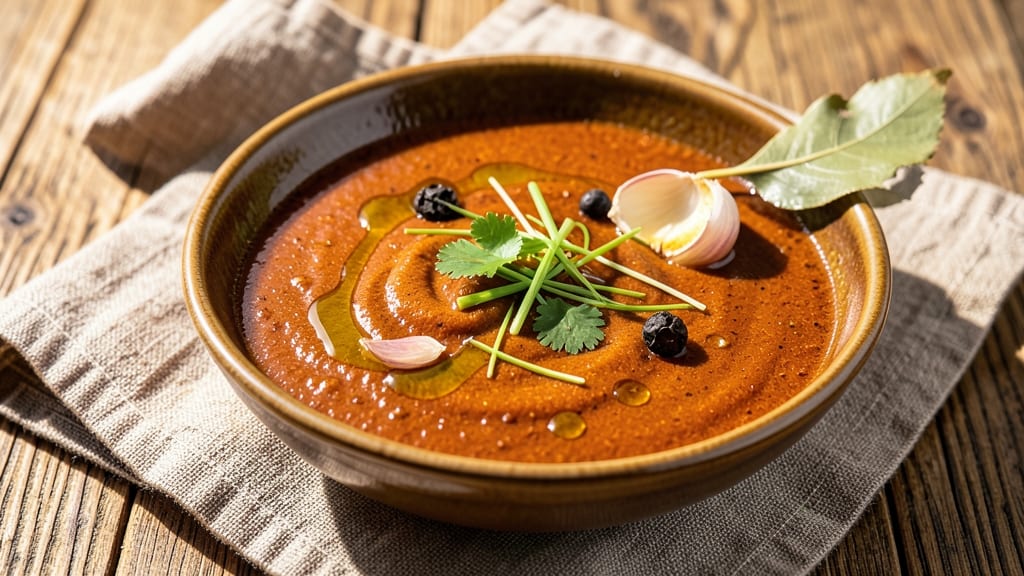
This annatto sauce recipe transforms simple ingredients into a vibrant, flavorful condiment that elevates everything from rice to marinades without adding calories or guilt. The secret lies in annatto seeds—nature’s non-toxic red dye—simmered with oil and vinegar until rich and velvety.
I developed this version after years of experimenting with Latin American cooking, where annatto isn’t just for color but for depth of flavor. What makes this sauce special is its versatility: a splash brightens white rice, deepens refried beans, or marries perfectly with grilled meats.
The process is straightforward—simmer seeds in oil until they release their pigment, then strain for a smooth, glossy finish. No artificial dyes, no preservatives, just pure, natural color and a subtle earthy sweetness that enhances dishes without overpowering them.
The result is a sticky, aromatic sauce that clings to grains and proteins, infusing them with a warm, slightly tangy note. Store it in the fridge for up to two weeks, or freeze for longer shelf life.
It’s the kind of pantry staple that turns everyday meals into something special with minimal effort. Perfect for rice dishes, beans, or as a marinade base, this sauce is a game-changer for home cooks who want restaurant-quality flavor without the fuss. Let’s get started!
Ingredients for annatto sauce
Eight simple ingredients transform into a vibrant, restaurant-quality sauce with just 15 minutes of simmering.
| Ingredient | Amount | Notes |
|---|---|---|
| Annatto Seeds 🌶️ | 2 tbsp | Whole seeds, not powdered |
| Extra-Virgin Olive Oil 🫒 | 1 cup | High-quality, fruity variety |
| White Vinegar 🍶 | ¼ cup | White or apple cider vinegar |
| Garlic Cloves 🧄 | 3 cloves | Minced or finely chopped |
| Bay Leaves 🌿 | 2 whole | Fresh or dried |
| Ground Black Pepper 🌶️ | ½ tsp | Freshly ground preferred |
| Sea Salt 🧂 | 1 tsp | Kosher or fine grain |
| Cumin Seeds 🌿 | ½ tsp | Toasted for deeper flavor |
Annatto seeds are the star here—look for whole seeds at Latin markets or specialty stores like Whole Foods or Penzeys. The seeds must be whole, not powdered, for that authentic color and flavor. If you can't find them fresh, Amazon or Latin grocery stores often carry them in bulk. Toast the seeds lightly in a dry pan for 30 seconds before using to enhance their aroma. The extra-virgin olive oil should be fruity and peppery—avoid the cheap supermarket brands that taste like soap.
No annatto seeds? Paprika or achiote powder can mimic the color, though they lack the sauce's depth. Substitute 1 tbsp paprika plus 1 tsp turmeric for a similar hue, but the flavor won't be identical. Vinegar options are flexible—white vinegar or apple cider vinegar both work, but avoid balsamic as it may alter the sauce's clarity. For a smokier profile, swap the cumin seeds for 1/4 tsp smoked paprika. If you're short on garlic, 1/2 tsp garlic powder will suffice, though fresh is ideal.
This sauce keeps beautifully—up to 2 weeks in the fridge once cooled, or 3 months frozen in an airtight container. For easy storage, portion into small jars or ice cube trays before freezing. The sauce thickens as it cools, so add a splash of water or vinegar if it becomes too stiff. Always store it in a cool, dark place to preserve its vibrant color. A little goes a long way—1 tsp per serving is plenty to transform any dish.
Why You'll Love This Recipe
- No Fuss, No Mess: I swear by this sauce because it’s literally hands-off after the initial toast. Toss annatto seeds in hot oil, let them sizzle for five minutes—no stirring required—and you’ve got that vibrant, golden hue without the fuss. The vinegar and garlic join in later, but honestly? The hardest part is resisting the urge to sniff the kitchen the whole time.
- Umami Bomb: That first bite of garlic-infused olive oil hitting your tongue? Chef’s kiss. The annatto adds a subtle earthy warmth, while the vinegar cuts through the richness just enough to keep it bright. It’s the kind of sauce that makes you pause mid-bite and think, “Wait, why haven’t I made this before?” (Between us, the bay leaves steal the show—they infuse the oil with a whisper of piney depth that’s dangerously addictive.)
- Pantry Staple, Endless Uses: I keep a jar of this in my fridge for everything—drizzled over grilled chicken, tossed with roasted potatoes, or even stirred into beans for a quick weeknight dinner. It’s the secret weapon for turning basic meals into something that feels special, no matter the occasion. (Yes, even on a Tuesday night.)
- Lasts All Week: Make a big batch—it keeps for weeks in the fridge, and the flavor only deepens over time. No sad, wilted leftovers here; just a jar of liquid gold ready to elevate whatever you’re cooking. Plus, annatto seeds are cheap, and olive oil stretches further than you’d think. Budget-friendly? Absolutely. Waste-free? Even better.
Step-by-step instructions for annatto sauce
This method delivers a rich, vibrant red sauce with deep flavor—no shortcuts, just precision.
Toast the Annatto Seeds and Spices
Heat a dry skillet over medium heat and add the 2 tbsp annatto seeds along with the 0.5 tsp cumin seeds. Toast for 2-3 minutes, stirring constantly, until the seeds begin to darken and release their aromatic oils. You'll smell a nutty, earthy fragrance—this is your cue that they're ready. Immediately transfer the toasted seeds to a small bowl and set aside.
In the same skillet, add the 3 cloves garlic cloves (minced or finely chopped) and toast for 30 seconds until fragrant but not browned. Remove from heat and let cool for 1 minute—this prevents the garlic from burning when you add it to the oil later. The toasted spices form the flavor foundation of your sauce.
Infuse the Olive Oil
Pour the 1 cup extra-virgin olive oil into a clean saucepan and place it over low heat. Add the toasted annatto seeds, garlic, 2 whole bay leaves, and 0.5 tsp ground black pepper. Stir gently to combine, then reduce heat to the lowest setting possible while maintaining a gentle simmer. This is a slow infusion process—10-12 minutes—where the oil absorbs the vibrant color and deep flavors.
Keep the mixture moving with a wooden spoon, ensuring all ingredients are evenly distributed. The oil should develop a rich, deep red hue and a subtle spicy aroma. If you notice any bubbles forming, reduce the heat further to prevent scorching. The key here is patience—rushing will compromise both color and flavor.
Add Vinegar and Season
Once the oil has infused, remove the pan from heat and let it cool for 5 minutes. Then, whisk in the 0.25 cup white vinegar and 1 tsp sea salt. The vinegar brightens the sauce and balances the richness of the oil. Return the pan to low heat and let the mixture simmer gently for 3-4 minutes, stirring occasionally, until the vinegar is fully incorporated and the sauce reaches a smooth consistency.
Taste and adjust the seasoning if needed—you may want to add a pinch more salt or a dash of vinegar to achieve the perfect balance. The sauce should be tangy, slightly spicy, and deeply aromatic with a vibrant red color. If you prefer a smoother texture, strain the sauce through a fine-mesh sieve to remove any remaining seeds or bay leaves.
Cool and Store
Transfer the sauce to a clean glass jar or bowl and let it cool to room temperature. The color will deepen as it cools, intensifying that striking red hue. Once fully cooled, the sauce will keep in the refrigerator for up to 2 weeks or in the freezer for up to 3 months. For best results, store it in an airtight container to preserve its vibrant color and rich flavor.
This versatile sauce enhances everything from grilled meats and seafood to roasted vegetables and even as a marinade. The annatto seeds provide a natural, guilt-free way to add color and depth to your dishes without artificial dyes. Use it liberally—its bold flavor stands up to bold ingredients.
Pro Tips For Making Annatto Sauce
- Toast the Seeds: Heat your annatto seeds dry in a small pan over medium-low for 2-3 minutes first—this deepens their flavor and prevents bitterness in the sauce. I used to skip this and wondered why my sauce always tasted slightly off.
- Low and Slow: Simmer the sauce at a gentle bubble, not a rolling boil—high heat burns the oil and turns the color muddy. Think "barely there" heat, like a lazy Sunday morning.
- Crush the Garlic: Smash your garlic cloves with the flat of a knife before adding them—this releases more flavor without burning. Whole cloves just sit there, underperforming.
- Strain Twice: First strain through a fine-mesh sieve, then a cheesecloth for a silky finish. The extra step removes every last bit of grit, and your sauce will look restaurant-worthy.
Serving suggestions for leftovers
Rice Transformation
This sauce turns plain white rice into a showstopper—just stir 1-2 teaspoons into the cooking water during the final 5 minutes of steaming. The vibrant red hue and earthy notes elevate simple dishes like Mexican-style rice or Caribbean-style red rice.
For extra richness, drizzle 1 tablespoon over finished rice before serving. 🌶️
For black beans or lentils, add 1 teaspoon of sauce during the last 10 minutes of cooking. The annatto blends seamlessly, creating a naturally colored dish that tastes like it came from a Latin American kitchen. I love using it in feijoada, Brazil’s famous black bean stew.
Meat Marinade
Use 2 tablespoons of this sauce as a base for marinades—it works wonders on chicken thighs, pork shoulder, or shrimp. Combine with 1 tablespoon lime juice, 1 teaspoon cumin, and ½ teaspoon oregano for a zesty, colorful marinade.
Let it sit for 30 minutes to 2 hours before grilling or roasting.
For beef jerky or dried meats, mix 3 tablespoons of sauce with 1 cup beef broth and 1 tablespoon brown sugar before reducing. The annatto gives it that authentic Caribbean or Brazilian BBQ look while adding subtle depth.
Seafood Elevator
Shrimp and fish absorb the sauce beautifully—toss ½ cup peeled shrimp with 1 tablespoon sauce, 1 teaspoon garlic powder, and ½ teaspoon smoked paprika before sautéing. The vibrant color makes grilled shrimp plates look restaurant-worthy. 🍤
For whole fish like snapper or tilapia, brush the sauce under the skin before baking. The annatto infuses the flesh with a delicate red tint and a subtle earthy flavor that pairs perfectly with citrus.
Dips and Spreads
Mix 2 tablespoons of sauce into ½ cup Greek yogurt or sour cream for a vibrant dip. It’s perfect with pita chips, veggie sticks, or tortilla crisps. The tangy-sweet balance makes it addictive—trust me, I’ve tested this combo at countless parties.
Spread it on toasted baguette slices with whipped feta and sliced cucumbers for an instant appetizer. The color contrast is stunning, and the flavors are unexpected but delicious.
Nutrition facts
Frequently asked questions
Can I substitute annatto seeds with powder for this recipe?
While powdered annatto will work in a pinch, whole seeds create a richer, more vibrant sauce. The seeds release their color and flavor more gradually during toasting, resulting in deeper red hues and complex earthy notes. If you must use powder, reduce to 1 tbsp and toast it briefly in oil first to enhance its aroma. The texture will be smoother but less authentic.
How do I adjust the thickness of my annatto sauce?
The sauce should be velvety but pourable when warm. If it thickens too much as it cools, whisk in 1-2 tsp vinegar or water to restore consistency. For a thicker version, simmer the oil infusion longer (up to 15 minutes) to reduce moisture. Always strain through a fine-mesh sieve for the smoothest finish. The ideal texture clings lightly to grains and meats without being gluey.
Is annatto sauce safe for people with food allergies?
Yes! Annatto is a natural plant-based dye (from Bixa orellana seeds) and contains no common allergens like gluten, dairy, or nuts. However, always check for cross-contamination if using shared kitchen tools. The sauce's only potential irritant is garlic—omit it if needed. For vegan diets, this recipe is fully plant-based. The vibrant color comes entirely from the seeds, not artificial additives.
Can I make annatto sauce without vinegar?
Vinegar balances the richness of the oil and adds tanginess, but you can substitute 1 tbsp lemon juice or ½ tsp citric acid for brightness. Skip it entirely for a neutral oil base, though the flavor will be subtler. The sauce will still color dishes beautifully—just reduce the oil infusion time to 8-10 minutes to prevent over-saturation. For savory applications, a pinch of salt enhances the oil's flavor naturally.