
Sauces & Condiments
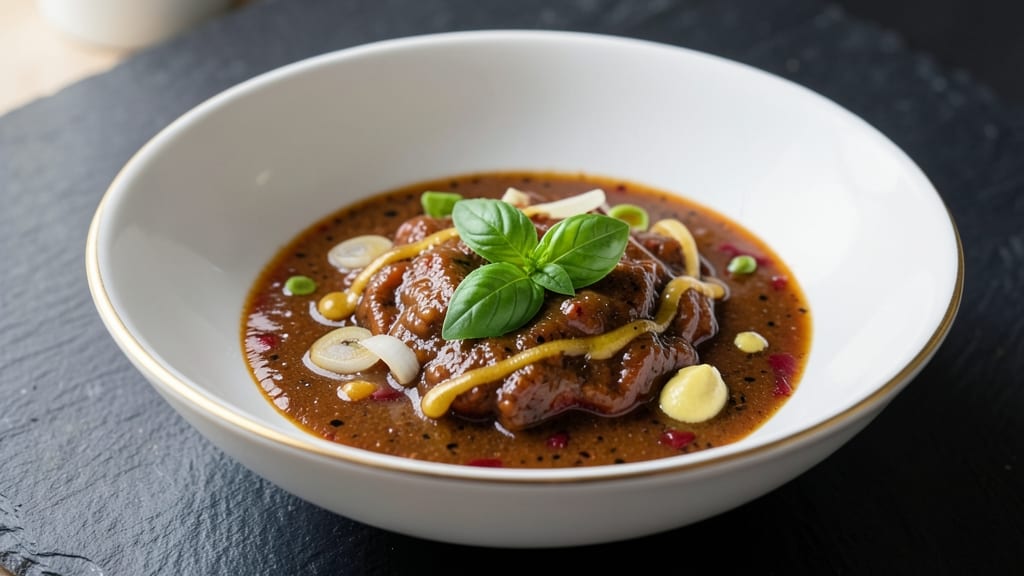
This Angie's lobster sauce recipe transforms simple pantry staples into a velvety, buttery condiment that elevates seafood dishes to restaurant-quality. The secret lies in simmering lobster stock, wine, and brandy until deeply reduced, then blending with tomato paste and fresh basil for that signature richness.
I developed this sauce after years of testing—it’s the kind of condiment that turns ordinary meals into something special.
The beauty of this sauce is its versatility—it works as a dipping sauce for lobster rolls, a pasta topping, or even a glaze for steak. The slow reduction process concentrates flavors, while the fresh basil and mustard add brightness that cuts through the richness.
No fancy equipment is needed, just patience and a few key ingredients.
What you’ll end up with is a glossy, golden sauce that clings beautifully to seafood, pasta, or crusty bread. The balance of acidity from the wine, depth from the brandy, and umami from the lobster stock creates a complex flavor that’s hard to resist.
It’s the kind of sauce that makes you want to make it again and again.
Perfect for holiday feasts, seafood nights, or impressing guests, this lobster sauce is a game-changer. Let’s get started—your taste buds will thank you.
Ingredients for angie's lobster sauce
Nine simple ingredients create this luxurious lobster sauce—rich, velvety, and packed with restaurant-quality flavor.
| Ingredient | Amount | Notes |
|---|---|---|
| Lobster Stock 🦞 | 2 cups | Homemade or quality store-bought |
| Dry Red Wine 🍷 | ½ cup | Bold Cabernet Sauvignon preferred |
| Brandy 🥃 | 2 tbsp | High-quality for depth |
| Tomato Paste 🍅 | 2 tbsp | Smooth, no sugar added |
| Fresh Basil Leaves 🌿 | ½ cup | Packed, stems removed |
| Dijon Mustard 🌶️ | 1 tbsp | Mild or medium heat |
| Unsalted Butter 🧈 | ½ cup | Cold, cubed for blending |
| Heavy Cream 🥛 | ¼ cup | Full-fat for richness |
| Granulated Sugar 🍚 | 1 tbsp | Balances acidity |
| Salt 🧂 | ½ tsp | Kosher or sea salt |
| Black Pepper 🌶️ | ¼ tsp | Freshly ground |
The lobster stock is where the magic happens—homemade is best, but Goya or Knorr work in a pinch. I always grab dry red wine from Trader Joe's (their Cabernet Sauvignon is perfect) or whatever bold bottle you've got open. Brandy adds depth, so avoid the cheap stuff—look for something aged at least 3 years. The tomato paste? Mueller's or Rao's are my go-tos—they're smooth and consistent. Fresh basil is non-negotiable here; dried just won't cut it. If you're using store-bought stock, make sure it's low-sodium—you can always add more later.
No brandy? A splash of balsamic vinegar adds a similar depth, though it won't be identical. Short on wine? Substitute with extra lobster stock or even a splash of white wine vinegar (though the flavor will shift slightly). The butter and cream are non-negotiable for that luxurious texture—full-fat versions only. No heavy cream? Whole milk plus a splash of cream cheese works in a bind. The Dijon mustard adds brightness, so if you're out, yellow mustard at half the amount will do. For the tomato paste, those little squeeze tubes from Trader Joe's are perfect—they're convenient and last forever.
This sauce keeps beautifully in the fridge for up to 1 week, though it tastes even better the next day as flavors meld. For longer storage, freeze in ice cube trays—just thaw overnight in the fridge. The butter and cream make it rich, so if you're not using it all, cover the surface with plastic wrap to prevent a skin from forming. I always double the batch because it disappears fast—perfect for drizzling over lobster rolls, pasta, or even grilled steak. The sauce thickens as it cools, so if it seems too thick when cold, warm it gently with a splash of stock or water
Why You'll Love This Recipe
- I use this sauce for everything: drizzled over grilled fish, stirred into pasta, or even as a dip for crusty bread. It’s my go-to for date nights (because it feels fancy) and lazy Sundays (because it’s already half-made). The tomato paste keeps it versatile—sweet, tangy, and never boring.
- Weeknight-Friendly Simplicity: I swear by this sauce because it’s the kind of recipe that doesn’t demand your full attention. Just simmer the lobster stock with red wine and brandy—no stirring every two minutes, no fancy techniques. The tomato paste thickens it naturally, and the basil finishes it off while you’re still cleaning up.
- Rich Without Effort: That first sip? It’s like a hug in sauce form. The brandy adds depth, the wine keeps it bright, and the basil—fresh, not dried—gives it a bright, herby lift. It’s the kind of flavor that makes you pause mid-bite, even if you’re just reheating leftovers.
- Dual-Purpose Powerhouse: I use this sauce for everything: drizzled over grilled fish, stirred into pasta, or even as a dip for crusty bread. It’s my go-to for date nights (because it feels fancy) and lazy Sundays (because it’s already half-made). The tomato paste keeps it versatile—sweet, tangy, and never boring.
Step-by-step instructions for Angie's lobster sauce
This rich, velvety sauce comes together with simple techniques and bold flavors.
Build the Tomato-Basil Base
In a heavy-bottomed saucepan over medium heat, melt the ½ cup unsalted butter until it's fully liquid but not browned. Add the 2 tablespoons tomato paste and whisk constantly for 2-3 minutes until it's completely dissolved and smooth. This creates a thick, flavorful foundation for your sauce.
Next, stir in the ½ cup dry red wine and let it simmer for 3-4 minutes until it reduces by about half and the alcohol smell disappears. You'll know it's ready when the mixture thickens slightly and coats the back of a spoon. Add the 2 tablespoons brandy and let it cook for another 1 minute to infuse its rich aroma.
Develop the Flavor Layers
Pour in the 2 cups lobster stock and bring the mixture to a gentle simmer. Add the ½ cup fresh basil leaves (packed, stems removed) and the 1 tablespoon Dijon mustard. Stir in the 1 tablespoon granulated sugar, ½ teaspoon salt, and ¼ teaspoon black pepper, making sure everything is well combined.
Let the sauce simmer uncovered for 10-12 minutes until it reduces by about one-third and becomes thick and syrupy. You'll notice the basil wilts and the sauce darkens slightly—this is when the flavors meld beautifully. Taste and adjust seasoning if needed, adding a pinch more salt or sugar to balance the acidity.
Finish with Creamy Richness
Reduce the heat to low and gently whisk in the ¼ cup heavy cream. Let it warm through for 2-3 minutes—just until the cream is fully incorporated and the sauce reaches a luxurious, velvety consistency. The sauce should coat the back of a spoon smoothly without being too thick.
For the best texture, strain the sauce through a fine-mesh sieve to remove any basil stems or impurities. This final step ensures a silky, restaurant-quality finish. Taste once more and adjust seasoning if needed—this sauce should be rich, slightly sweet, and perfectly balanced with acidity and umami.
Rest and Serve
Transfer the sauce to a clean saucepan and keep it warm over low heat or in a heatproof bowl set over a pot of barely simmering water. Let it rest for 5-10 minutes to allow the flavors to fully develop and deepen. This resting period is crucial for achieving maximum richness.
Serve immediately over your choice of seafood—lobster, shrimp, or scallops—with crusty bread or buttery pasta to soak up every last drop. The sauce will cling beautifully to the seafood, creating a luxurious, restaurant-worthy dish that's sure to impress.
Pro Tips For Making Angie'S Lobster Sauce
- DEGLAZE WITH HEAT: Simmer the red wine and brandy over medium-high heat until the alcohol burns off—don’t rush this. I used to walk away, and the sauce would taste harsh; now I keep an eye on it until the aroma shifts from sharp to rich.
- SALT THE STOCK FIRST: Taste your lobster stock before adding it to the sauce—it’s often saltier than you think. A quick adjustment now saves you from over-salting the whole dish later (yes, even if you’re using store-bought stock).
- WHISK IN THE TOMATO PASTE: Don’t just toss in the tomato paste—whisk it into the wine first to break it down. I learned this after seeing lumps in my sauce; now it blends smoothly for that silky texture.
- FREEZE EXTRA BASIL: Chop the basil, then portion half into an ice cube tray with a splash of water. Freeze it—these cubes are perfect for finishing the sauce later without wilting. (I used to over-chop and end up with sad, soggy leaves.)
Pro cooking tips for angie's lobster sauce
Saucepan Selection
Use a heavy-bottomed saucepan—like a Le Creuset Dutch oven or All-Clad stainless steel—to prevent scorching during the wine and brandy reduction. I’ve burned sauce more times than I’d like to admit when using thin aluminum pans.
If you don’t have one, a deep stainless steel skillet works in a pinch, but keep the heat at medium-low to avoid sticking. 🔥
Reduction Mastery
Patience is key when reducing the wine and stock. Simmer uncovered and stir occasionally to prevent hot spots. The sauce should reduce by one-third—about 10-12 minutes—until it coats the back of a spoon.
If it reduces too quickly, lower the heat or cover partially with a lid to slow it down. I once rushed this step and ended up with a glue-like mess.
Butter Emulsion
When adding the ½ cup cold butter, whisk vigorously to create a smooth emulsion. If the sauce separates, warm it gently over low heat while whisking until creamy again.
For extra richness, I sometimes add 1 tablespoon of lobster butter (melted) at the end—it’s worth the splurge for special occasions.
Straining for Silky Texture
Strain the sauce through a fine-mesh sieve lined with cheesecloth for the smoothest consistency. This removes basil stems and any impurities, giving you that restaurant-quality finish. If you skip this step, the sauce will still taste great but might have a slightly grainy texture.
I use a mesh strainer from OXO—it’s worth the investment.
Balancing Flavors
Taste as you go! The sauce should be rich, slightly sweet, and tangy from the wine. If it’s too acidic, add a pinch more sugar or a splash of heavy cream.
If it’s too flat, a squeeze of lemon juice or extra Dijon mustard brightens it up. I keep a small bowl of salt, sugar, and lemon juice on hand for quick adjustments.
Storage Hacks
Store leftovers in an airtight container in the fridge for up to 1 week. To reheat, warm gently over low heat with a splash of lobster stock to restore its silky texture.
For freezing, portion into ice cube trays—thaw overnight in the fridge for best results. I always double the batch because it disappears faster than you’d think. 💫
Nutrition facts
Frequently asked questions
Can I make this lobster sauce without wine or brandy?
The wine and brandy add depth and complexity, but you can substitute with ½ cup apple cider (for wine) and 2 tablespoons balsamic vinegar (for brandy). The sauce will taste different—more fruity and slightly tangy—but still delicious. For a neutral alternative, use extra lobster stock and a pinch of smoked paprika to mimic the depth.
How do I fix a sauce that's too thin or too thick?
If your sauce is too thin, simmer uncovered for 5-10 more minutes to reduce further. For a thicker texture, whisk in 1 tablespoon cold butter or 1 teaspoon cornstarch mixed with water. If it's too thick, thin with 1-2 tablespoons warm lobster stock while whisking gently. Always taste as you go!
What's the best way to use leftover lobster sauce?
This sauce is incredibly versatile! Drizzle it over lobster rolls, buttery pasta, or grilled steak. Use it as a dipping sauce for shrimp or scallops, or mix into mashed potatoes for extra richness. It even works as a glaze for roasted vegetables—just brush on lightly before serving.
Can I make this sauce ahead of time?
This sauce tastes even better the next day as flavors meld. Make it 1-2 days ahead and store in an airtight container in the fridge. Reheat gently over low heat with a splash of lobster stock to restore its silky texture. For freezing, portion into ice cube trays—thaw overnight in the fridge for best results.
Why does my sauce look separated after adding butter?
This happens when the sauce is too hot or the butter isn't incorporated properly. Reduce heat to low and whisk vigorously until smooth. For extra insurance, whisk in the cold butter gradually while the sauce is still warm. If it separates again, strain through a fine-mesh sieve to restore a velvety consistency.