
Sauces & Condiments
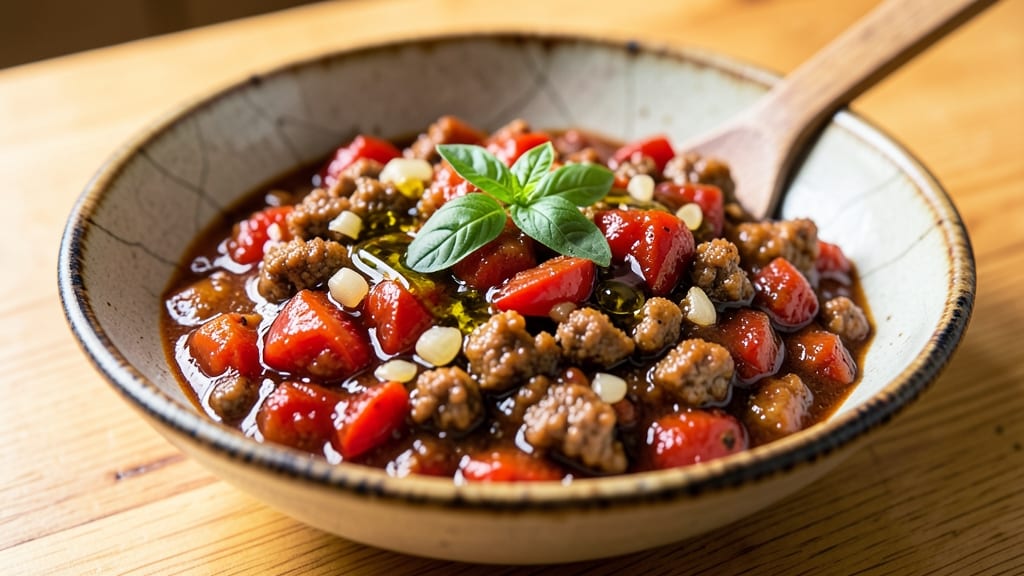
Angelo's spaghetti sauce delivers the deep, umami-rich flavor that makes Italian restaurants legendary—no shortcuts, just a 2-hour simmer that develops complex layers of taste. This isn’t your basic marinara; it’s a rich, meaty sauce with tender vegetables and aromatic herbs that transform simple pasta into a restaurant-worthy meal. The secret lies in slow cooking, which allows flavors to meld and intensify, creating a sauce that’s worth every minute of wait time.
What sets this sauce apart is the balance of acidity, sweetness, and savory depth. Ground meat (or mushrooms for a vegetarian version) adds richness, while tomatoes provide the base for a velvety texture.
Garlic, onions, and herbs infuse the sauce with aromatic warmth, while a splash of red wine and a touch of sugar create harmony in every bite. The result is a sauce that’s bold, balanced, and deeply satisfying—perfect for batch cooking and freezing for future meals.
This sauce is designed to be versatile yet foolproof, with clear instructions for achieving the perfect consistency and flavor. Whether you’re serving it over al dente spaghetti or using it as a hearty base for lasagna, the depth of flavor will elevate any dish.
The slow simmer ensures no bitterness from the tomatoes, and the final taste is a perfect blend of sweet, tangy, and umami notes that linger.
Ready in about 3 hours (including prep), this sauce is ideal for meal prep—it tastes even better the next day as the flavors continue to develop. Store it in the refrigerator for up to 5 days or freeze for 3 months without losing quality.
Once you try this, store-bought sauce will never compare.
Ingredients for angelo's spaghetti sauce
These ingredients transform into Angelo's legendary sauce—deep, umami-rich, and worth every simmering minute.
| Ingredient | Amount | Notes |
|---|---|---|
| San Marzano Tomato Crushed (400g Cans) 🍅 | 28 oz | High-quality, low-acid, no added salt |
| Ground Beef (80/20 Lean-to-Fat Ratio) 🥩 | 1 ½ lb | Finely ground for even cooking |
| Yellow Onion 🧅 | 2 whole | Finely diced, about 2 cups |
| Garlic Cloves 🧄 | 6 cloves | Minced, about 2 tbsp |
| Extra-Virgin Olive Oil 🫒 | ½ cup | For richness, fruity variety |
| Dry Red Wine (Bold Variety) 🍷 | ½ cup | Cabernet Sauvignon or Merlot |
| Tomato Paste 🍅 | 2 tbsp | High-quality, no additives |
| Granulated Sugar 🍬 | 1 tbsp | Balances acidity, not skipped |
| Fresh Basil Leaves 🌿 | ½ cup | Packed, stems removed |
| Fresh Oregano Leaves 🌿 | ¼ cup | Packed, stems removed |
| Bay Leaves 🍃 | 2 whole | Dried, for depth of flavor |
| Kosher Salt 🧂 | 1 ½ tsp | Diamond Crystal preferred |
| Freshly Ground Black Pepper 🌶️ | ½ tsp | For subtle heat |
The San Marzano tomatoes are non-negotiable here—their sweetness and low acidity create the perfect base. Grab a 24-pack from Trader Joe's or Whole Foods for consistent quality. The ground beef should be 80/20—fat equals flavor, and you can't skip it for that authentic richness. Yellow onions and garlic need to be finely minced; a food processor makes this job a breeze. For the olive oil, California avocado oil or a Spanish extra-virgin adds that fruity depth that store-bought can't match. The red wine should be bold—Cabernet Sauvignon or Merlot—and whatever's open in your fridge works too, but avoid sweet varieties.
No San Marzano tomatoes? Crushed Roma tomatoes are your next best bet—they're sweeter than regular canned tomatoes. Ground turkey or lentils can replace the beef for a lighter version, though the texture will differ slightly. Tomato paste can be swapped for sun-dried tomato paste (reduce the amount by half) for extra depth. The sugar balances the acidity—don't skip it, but if you're avoiding sugar, a pinch of honey works in a pinch (though it's not vegan). Fresh herbs are ideal, but dried basil and oregano at half the amount will do in a bind. Bay leaves can be omitted if you hate fishing them out later, but they add that subtle earthy note that makes this sauce restaurant-quality.
This sauce tastes even better the next day as flavors meld—portion into containers and store in the fridge for up to 5 days or freeze for 3 months. For freezing, let it cool completely first, then portion into ziplock bags or glass jars, leaving an inch of headspace. When reheating, low heat is key—bring it to a gentle simmer and let it warm through slowly to avoid breaking the texture. The olive oil layer that forms on top? Just skim it off before serving—it's normal and actually adds to the sauce's richness.
Why You'll Love This Recipe
- No-Chop Nightmare: I swear by this sauce because the onions and garlic get a quick sauté in olive oil—no dice, no tears, just 5 minutes of hands-off browning while you stir. The San Marzano tomatoes take over after that, so you’re basically done.
- Rich Without the Fuss: That 80/20 ground beef? Chef’s kiss. It renders just enough fat to deepen the sauce’s flavor while staying tender, and the crushed tomatoes? They melt into a velvety base that’s never watery or bland. Honestly, it’s the kind of sauce that makes you pause mid-bite.
- Leftovers That Don’t Suck: This recipe actually improves the next day. The flavors meld into something deeper, and it reheats like a dream—no soggy pasta or sad textures. I make a double batch on Sundays and freeze half; by Wednesday, I’m grateful I didn’t have to cook again.
- Sunday Dinner or Tuesday Fix: Serve it over spaghetti for a classic, or dump it into lasagna for a crowd. Even my picky teen devours it straight from the pot with crusty bread. Between us, it’s the one sauce that works for date night or when you’re too tired to care.
Step-by-step instructions for Angelo's spaghetti sauce
This sauce builds deep umami flavor through slow simmering and layered aromatics.
Brown the Ground Beef for Maximum Flavor
Heat the 0.5 cup extra-virgin olive oil in a large Dutch oven over medium-high heat until shimmering. Add the 1.5 lb ground beef and break it apart with a wooden spoon, distributing it evenly across the pan. Let it cook undisturbed for 5-6 minutes until the meat loses its raw color and begins to crisp at the edges.
This initial browning step is critical—it develops the meaty depth of flavor that defines Angelo's sauce. Don't rush it; the beef should be fully browned before moving to the next step. Use a slotted spoon to transfer the cooked beef to a plate, leaving the rendered fat in the pot.
Sauté Onions and Garlic Until Translucent
In the same pot with the beef fat, add the finely diced 2 whole yellow onions and cook over medium heat for 8-10 minutes, stirring occasionally, until the onions turn golden brown and soften completely. Add the 6 minced garlic cloves and cook for another 1 minute until fragrant.
Here's where the sauce starts building its aromatic foundation. The onions should caramelize slightly, adding natural sweetness that balances the acidity of the tomatoes. If the onions start to stick before browning, add a splash of water and scrape up any browned bits from the bottom—they're packed with flavor.
Deglaze with Wine and Add Tomato Base
Pour in the 0.5 cup dry red wine and scrape up all the browned bits from the bottom of the pot with a wooden spoon. Let the wine simmer for 3-4 minutes until it reduces by half and the alcohol cooks off. Stir in the 2 tbsp tomato paste and cook for 1 minute to deepen its flavor.
This deglazing step captures all the meaty fond and onion caramelization that would otherwise stick to your pot. The wine adds complexity that elevates the sauce from ordinary to extraordinary. The tomato paste helps thicken the sauce and intensify its tomato flavor.
Build the Sauce with Tomatoes and Seasonings
Add the 28 oz crushed San Marzano tomatoes, 1 tbsp granulated sugar, 1.5 tsp kosher salt, 0.5 tsp freshly ground black pepper, and the 2 whole bay leaves. Stir well to combine, then bring the mixture to a gentle boil over medium-high heat. Once boiling, reduce the heat to low and let it simmer uncovered for 1 hour, stirring occasionally.
The sugar helps balance the natural acidity of the tomatoes while enhancing their sweetness. The bay leaves add subtle earthy notes that disappear during cooking but contribute to the sauce's complexity. This initial simmer allows the flavors to meld together and the sauce to thicken slightly.
Finish with Herbs and Simmer for Depth
After the initial 1-hour simmer, stir in the 0.5 cup fresh basil leaves and 0.25 cup fresh oregano leaves. Return the sauce to a gentle simmer and cook uncovered for another 30-45 minutes, stirring occasionally. The sauce should thicken noticeably and develop a rich, glossy texture.
Adding the herbs at the end ensures their bright, fresh flavors remain vibrant rather than becoming bitter from prolonged cooking. The final simmer allows all the flavors to fully develop and marry together. Taste and adjust seasoning if needed—you might need a touch more salt or pepper to balance the flavors perfectly.
Rest and Serve
Remove the 2 whole bay leaves and let the sauce rest off the heat for 10-15 minutes before serving. This resting period allows the flavors to settle and the sauce to thicken slightly more. Serve over freshly cooked spaghetti with additional fresh basil leaves sprinkled on top.
The sauce should coat the back of a spoon with a velvety texture and deliver layers of umami from the browned beef, sweetness from the caramelized onions, acidity from the tomatoes, and herbal brightness from the fresh basil and oregano. Each bite should be rich, balanced, and deeply flavorful.
Pro Tips For Making Angelo'S Spaghetti Sauce
- CRUSH THE ONIONS: Break down your yellow onion into tiny, even pieces—think rice-sized—not just rough chunks. I learned this the hard way when my sauce had visible onion bits after hours of simmering. The smaller the pieces, the faster they dissolve and the smoother your sauce will be.
- BROWN THE BEEF LOW AND SLOW: Skip the high-heat sear that turns your 80/20 ground beef into a greasy mess. Cook it over medium-low heat until it’s just done—no pink left—then drain all but 1-2 tablespoons of fat. That residual fat keeps the sauce rich without making it soggy.
- SALT THE TOMATOES FIRST: Before opening your San Marzano cans, sprinkle a generous pinch of salt (about ½ teaspoon per can) into the crushed tomatoes. Let them sit for 10 minutes—this draws out excess water and concentrates the flavor. Trust me, your sauce will taste deeper afterward.
- STIR AND DEGLAZE: Every 10 minutes during the simmer, give your sauce a good stir and scrape up any browned bits stuck to the bottom. After stirring, add a splash of water or white wine (about ¼ cup) to loosen those flavor bombs. This isn’t optional—it’s how you build a rich, layered sauce.
Serving suggestions for leftovers
Pasta Pairings
This rich sauce is perfect with al dente spaghetti or linguine—the long strands catch the sauce beautifully. For extra texture, try bucatini or pappardelle, which hold up to the sauce's velvety consistency.
I always cook my pasta in salted water with a splash of olive oil to prevent sticking, then toss it with sauce while still hot. 🍝
Protein Add-Ins
For a heartier meal, serve with grilled chicken breast or shrimp scampi on the side. The sauce also pairs wonderfully with crispy polenta or garlic bread for dipping.
If you're making a full Italian feast, add baked ziti or manicotti as a second course—the sauce works equally well as a topping or a dipping sauce. 🍗
Vegetable Sides
Bright, fresh vegetables cut through the sauce's richness. A simple arugula salad with lemon vinaigrette or roasted Brussels sprouts with balsamic glaze balances the meal perfectly. For a warm option, try sautéed garlic green beans or roasted asparagus—both add color and freshness to your plate. 🥦
Cheese Finishes
Add a sprinkle of freshly grated Parmigiano-Reggiano (about 2 tbsp per serving) for a salty, nutty finish. For extra indulgence, top with crumbled feta or shaved pecorino—the contrast of textures and flavors elevates every bite.
I also love a drizzle of high-quality extra-virgin olive oil right before serving. 🧀
Make-Ahead Meals
This sauce is perfect for meal prep! Assemble lasagna or baked ziti ahead of time and refrigerate for up to 3 days before baking. For spaghetti bolognese, cook the pasta separately and toss with reheated sauce to maintain texture.
Store leftovers in airtight containers for up to 5 days in the fridge or 3 months in the freezer. 📅
Beverage Pairings
Pair this rich sauce with a bold Italian red wine like Chianti or Barbera—their acidity complements the sauce's depth. For a non-alcoholic option, try a sparkling blood orange soda or iced hibiscus tea to refresh your palate. A light Italian lager also works well if you prefer beer. 🍷
Nutrition facts
Frequently asked questions
Can I substitute ground turkey or mushrooms for the beef?
For a lighter option, use 1.5 lb ground turkey (93/7 ratio) and reduce the cooking time by 5 minutes since turkey cooks faster. For a vegetarian version, swap the beef with 1.5 lb finely chopped mushrooms (cremini or portobello) and add 1 tbsp soy sauce for umami depth. The texture will differ slightly but still deliver rich flavor.
Why does the recipe call for a 2-hour simmer?
The long simmer is key to developing deep, complex flavors through a process called Maillard reaction. This slow cooking breaks down the meat proteins and caramelizes the onions/garlic, creating layers of umami that can't be achieved with quick cooking. The tomatoes also mellow out, losing their raw acidity while developing sweetness. Patience pays off—rushed sauces taste flat in comparison!
What if my sauce is too thick/thin after cooking?
For a thicker sauce, simmer uncovered for 10-15 extra minutes to reduce. If it's too thick, stir in 1-2 tbsp water or broth at a time until reaching your desired consistency. For a thinner sauce, add 1-2 tbsp tomato paste and simmer for 10 minutes more. Remember: the sauce will thicken further as it cools.
Can I make this sauce in a slow cooker?
Yes! Brown the beef and sauté onions/garlic in a skillet first, then transfer everything to a 6-quart slow cooker. Add all remaining ingredients and cook on LOW for 6-7 hours or HIGH for 3-4 hours. The texture will be slightly thinner, so reduce by 10-15 minutes on the stove after cooking. The flavors develop beautifully this way!
How do I prevent the sauce from getting bitter?
Bitter flavor comes from overcooked tomatoes and herbs. To avoid it: never boil vigorously—keep heat at a gentle simmer. Add fresh herbs only in the last 30 minutes of cooking. If you notice bitterness, stir in 1 tsp sugar or honey to balance it. Using high-quality tomatoes (like San Marzano) also reduces bitterness risk.